
Mahjong for Empty Nesters: A New Game for This Life Stage
Last updated: Nov 23, 2026
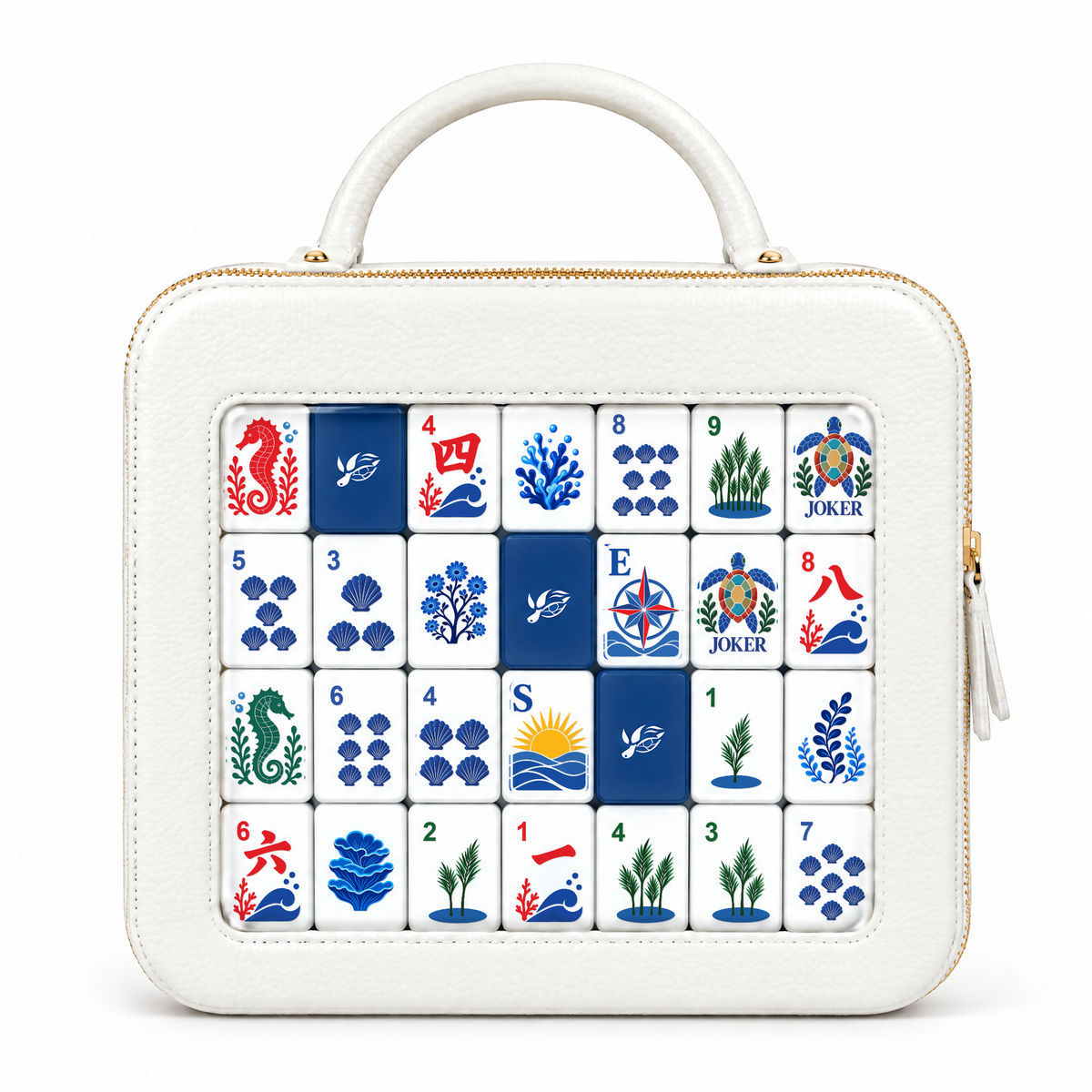
Mahjong for empty nesters means joining a decades-old tradition of four-player strategy and social bonding. You'll play with a set of 152 tiles (plus spares), learn one year's hand patterns from the National Mah Jongg League card, and spend 45 minutes to two hours per game with friends or a local club. Most empty nesters begin with a beginner-friendly best-selling mahjong set, a mat to keep tiles organized, and a rack to hold your hand—total outlay varies by preference. No prior experience required: the game teaches logic, probability, and reading a simple card. Weekly games become the highlight of the week for most players. Mahstead offers engraved acrylic sets designed for durability and visibility, plus mats, racks, and cases that make hosting or traveling seamless.
Why Are Empty Nesters Turning to Mahjong?
Empty nesting often brings relief mixed with restlessness. Mahjong fills that space by combining mental engagement, predictable social structure, and skill development. Unlike passive hobbies, every hand demands focus: you calculate probabilities, remember discards, and adapt strategy mid-game. The game also creates accountability—a standing weekly game with the same group builds friendship and routine. Players report sharper memory, reduced anxiety, and stronger social bonds. Many say mahjong replaces the daily structure that child-rearing provided, channeling that same attention into a game where mastery matters and progress is visible.

What's Actually Involved in Learning the Game?
Learning American mahjong takes about four weeks of weekly play to feel confident. Start by reading how to play American mahjong and understanding what's in an American mahjong set—the tile types, the Charleston (tile-passing ritual), and how to recognize a winning hand from the current year's card. Week one focuses on hand shapes and the Charleston. Week two adds scoring and discard strategy. By week three, you're reading the card fluently. Week four, you're playing fast and catching the logic flow. Most groups meet weekly for 2–3 hours. You'll need a mat to organize your tiles, a rack with pushers to hold your hand, and dice to determine seating. A notebook for score-tracking helps. Many players find online tutorials or YouTube videos invaluable during week one.
🀄 Shop best-selling mahjong sets →
Finding Your Community: Where Do Empty Nesters Actually Play?
Mahjong communities exist in every major U.S. city—you just need to know where to look. Start by checking community centers, senior centers, libraries, and local synagogues or country clubs in your area; most host standing games or beginner groups. Meetup.com and Facebook groups for your city's mahjong community are goldmines: search "[your city] mahjong" and you'll find weekly games, beginners' nights, and newcomer-friendly tables. Country clubs and private clubs often host games on fixed days. Ask your friends—many know a player already. Once you attend one game, word spreads: players invite friends, tables fill, and you're adopted into a rotating schedule. Most groups welcome absolute beginners and assign a mentor for your first two weeks. Never hesitate to join mid-season; groups cycle players through constantly. Many empty nesters have told us they joined alone and now host their own game.
What Equipment Do You Actually Need to Get Started?
Start small: one good mahjong set, one mat, one rack, and one bag. You don't need to own the full setup—many groups have shared sets and mats at their regular venue. However, owning your own engraved American mahjong set transforms the experience: you remember which set is yours, you practice tile recognition at home, and having a personal set signals commitment to the group. The best-selling collections offer durable acrylic tiles (easier to manage than jade, less fragile than bamboo), clear lettering on wind and dragon tiles, and bright suit colors. A mat prevents tiles from sliding and helps you organize your hand into logical sections. A rack with pushers keeps your tiles upright and prevents accidental reveals; this saves embarrassment and speeds play. A bag or case means you can carry everything to the game without damage. Dice come with most sets.
🎁 See our most-loved mahjong sets & accessories →
Item | Who Needs It | Why It Matters | Timeline |
Set (152 tiles + spares) | Everyone | The game itself | Week 1 |
Mat | Solo learners, hosts | Tile organization & longevity | Week 1–2 |
Rack with pushers | Anyone with hand tension | Tile security & posture | Week 2–3 |
Bag or case | Travelers, commuters | Portability & protection | Week 3+ |
Scoring notebook | Score keepers | Accuracy & memory | Optional (most groups track digitally now) |

The Conversation Starter: Hosting Your First Game at Home
Hosting transforms you from player to community cornerstone. You'll need a table (52" round or larger works), four chairs, and space for each player to lay tiles—a mat per seat is ideal. Place a central rack or small table for the wall (the stock of remaining tiles). Set snacks and drinks away from the play area. Have two sets available so one can be cleaned while the other plays. Provide a current-year National Mah Jongg League card at each seat. Plan for 2.5 hours, including setup and a chat break. Send the group a simple message 48 hours before: date, time, BYOB or snack sign-up, and parking. Most groups rotate hosts—once you've hosted twice, the responsibility spreads. Your home becomes the "home table," and new friendships deepen because they happen in your space. Many empty nesters have told us that hosting was the moment they realized mahjong had become their social anchor.
Key Mistakes to Avoid as a Beginner
Forgetting the Charleston on your first night. The tile-passing ritual feels awkward but is non-negotiable. Ask to read about the Charleston before your first game so you're not learning it live.
Buying a cheap set that falls apart. Acrylic tiles from a reputable maker last decades. Plastic or unfinished wood tiles warp or split. Invest in a quality set upfront; you'll play with it for years.
Misreading the card. The National Mah Jongg League card changes every spring. Ask which year's card your group uses and print a copy before week one. Learn to read the card at home so you don't slow play.
Playing without a rack. Tiles slip. Accidentally showing your hand costs you the hand and trust. Use a rack with pushers from day one.
Assuming jokers work any way you want.Jokers have strict rules: they cannot form a pair or a single tile, and they cannot be used in a quint or sextet—memorize this or ask before playing them.
Treating American mahjong like Chinese mahjong. American mahjong has NO chows (sequences). Every meld is a pung (three identical), kong (four identical), quint, or sextet. If you learned a different variant, flag it and ask the group to clarify rules.
What to Check Before You Buy
Tile size & weight: Acrylic tiles should feel substantial (not hollow). Standard size fits most hands; check product photos.
Tile clarity: Wind and dragon tiles must be easy to read at arm's length. Look for bold, high-contrast lettering.
Set completeness: Confirm 152 playing tiles plus spares are included; never buy a set with missing tiles.
Mat size: Measure your table. A mat should cover the center without hanging off the edge.
Rack height: A 2–3 inch rack keeps tiles hidden while allowing you to read them without lifting—test in a photo if possible.
Storage: Confirm the bag fits your set, mat, and rack together for transport.
✨ Find your Mahstead set — free US shipping →
For a deeper foundation, read mahjong for beginners and explore how American mahjong scoring works. These guides fill gaps and build confidence before your first table.

FAQ
How long does a typical mahjong game take?
A single game runs 45 minutes to two hours depending on table speed and whether you're teaching new players. Most groups play 2–3 games per session.
Can you play mahjong with fewer than four people?
Yes. Two and three-player versions exist, though they use different tile sets and rules. Four-player American mahjong is the standard.
Do I need to memorize the mahjong card?
No. You keep the card in front of you during play and reference it constantly. Familiarity grows over weeks, but you're always allowed to look.
What's the difference between a mahjong mat and a table cover?
A mat is reversible, sits flat, and stays in place. A table cover drapes the whole table. For actual play, a mat is essential; a cover is decorative.
Can I use a set I buy online at a local club?
Yes, as long as it's a standard 152-tile American set with clear markings. Bring it to a game, and the group will recognize it immediately.
Is there a cost to join a mahjong group or club?
Most casual groups are free. Some organized clubs charge a small monthly or annual fee to cover space rental and coordinators. Ask at your first meeting.


View More
View More
View More
