
2026 Mahjong Card Release Date: When & What to Expect
Last updated: Nov 23, 2026
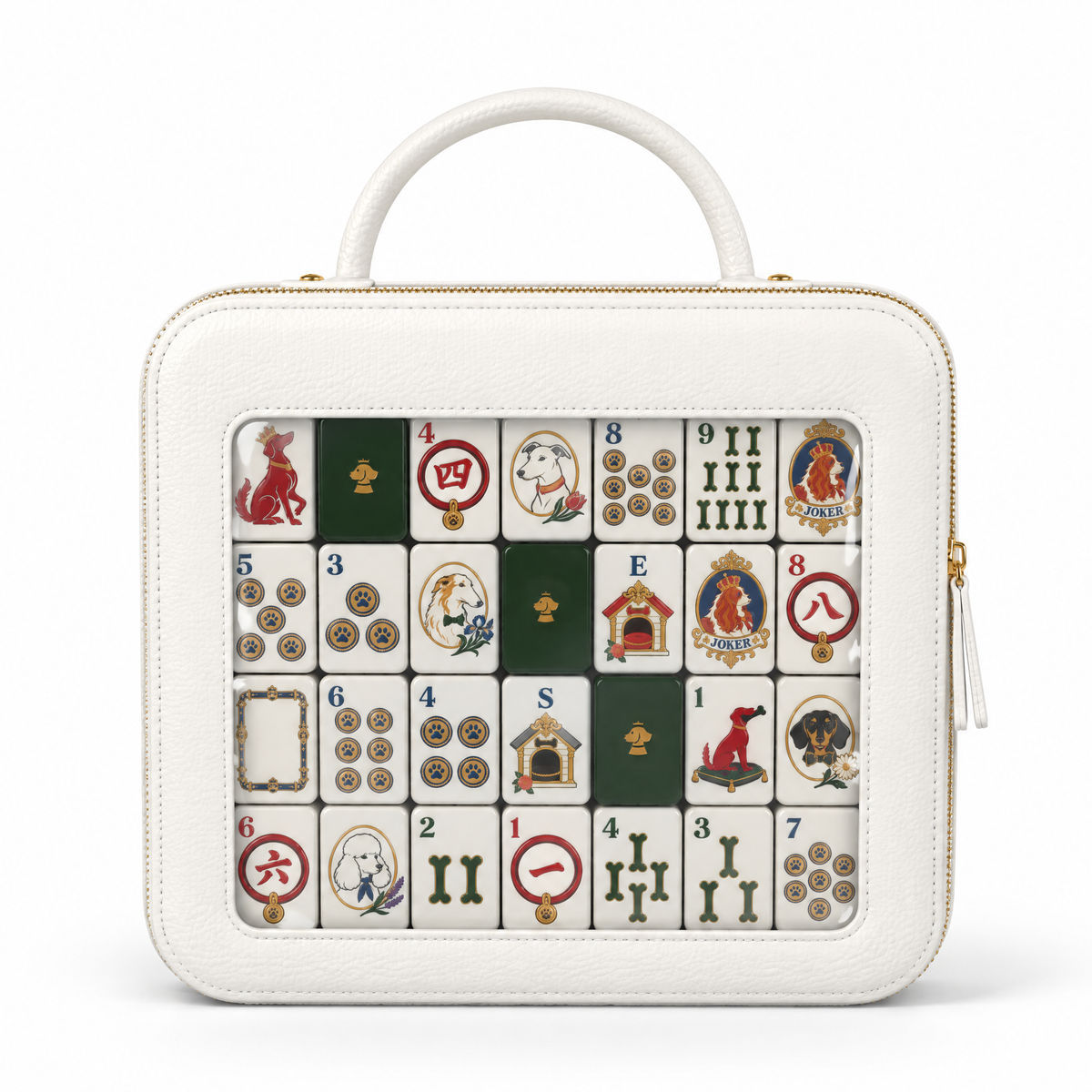
The 2026 mahjong card releases in April—the National Mah Jongg League publishes a fresh card every spring, usually mid-month. American mahjong hands change yearly; the card is your rule book and hand reference for that season's legal plays. The release date is announced on the League's official site; most players learn about it through local clubs, synagogues, community centers, or mahjong retailers. You'll need a printed card for your table (free from the League or purchased laminated from retailers like Mahstead) and updated 160-tile sets with current jokers and extras to match any tweaks in hand requirements. There's no cost to play with the official card once released, though organized league play may have membership fees. Before the new card drops, finish your 2025 games, update your tile inventory, and consider refreshing worn sets or mats. 🀄 Shop best-selling mahjong sets →
When does the National Mah Jongg League card release?
The card typically arrives in mid-April each year. The League announces the exact date weeks in advance on its website and through affiliated clubs. Mark it in your calendar: new card means new legal hands, so your game night crew needs time to print, laminate, and study before your first spring game.
Most players start using the new card immediately after release, though some groups finish their 2025 season first. If you host weekly games, we suggest ordering or printing cards a week early so everyone arrives with a copy—nothing slows down a table faster than passing around a single card or playing from a phone screen.

What changes on the 2026 card versus 2025?
The National Mah Jongg League tweaks hand patterns, difficulty levels, and sometimes the overall balance of the game each year. Specific hand changes remain proprietary until release, but expect shuffled patterns in every section—some hands may vanish, others debut, and scoring can shift. Learn how to read a mahjong card to spot the differences quickly and avoid confusion during play.
From our table experience, the first few weeks of a new card season feel fresh: players re-memorize which hands show up, common mistakes surface (calling a hand that no longer exists), and everyone sharpens their eye for pattern recognition. Joker rules and tile requirements stay consistent, but the card itself is your law—if a hand isn't on 2026's card, it doesn't play.
Where do I get the 2026 mahjong card?
The official card is free in PDF form from the National Mah Jongg League. Print it at home, take it to a copy shop to enlarge and laminate, or order pre-made laminated cards from mahjong retailers. Many local clubs distribute printed copies to members; check community centers, synagogues, country clubs, or libraries for game groups that may have extras. We stock laminated cards and recommend printing two or three—one for the rack, one as a backup, and one for studying at home.
Beginners sometimes worry about owning the "right" card; if you're playing American mahjong with three or four players, that year's official League card is the only one that counts. Variant games (Chinese, Hong Kong, Riichi) use entirely different tiles and rules and don't need the League card at all.
🎁 See our most-loved mahjong sets & accessories →

Should I refresh my tiles before the 2026 card season?
Not automatically, but it's a good moment. Tiles wear after a full year of weekly games: paint dulls, jokers bend, and worn faces become hard to read during fast play. If you host games and noticed players squinting at a tile or struggling with jokers last season, a fresh 160-tile set makes games cleaner and faster.
We suggest checking your current set for these red flags: cracked or missing tiles, faded numbers (especially Dots and Bams, which fade fastest), bent or stained jokers, or mats and racks that no longer grip tiles firmly. If you're buying a new set, do it now—before April—so you can test it in a few games and catch any issues before the card officially launches and your whole crew is relying on it.
What to Check | Red Flag | What to Do |
Tile paint clarity | Numbers hard to read | Refresh the set |
Joker condition | Bends, creases, stains | Replace jokers or buy new set |
Pung/kong grip | Tiles slide or won't stack | Update mats or racks |
Rack pushers | Dull or worn grips | New racks with pushers |
Mat seams | Peeling or torn edges | Upgrade mat or protective cover |
Refreshing now also means your mahjong mat and racks with pushers are game-ready, and your travel bag or case protects your investment through the season.
What should I do right now to prepare?
Here's our pre-April checklist for a smooth 2026 season:
Find the release date — Watch the National Mah Jongg League website (usually announced in early April) or sign up for alerts through your local game group.
Order or print the card — Request a laminated copy now from a retailer, or print and laminate it yourself (two or three copies ensure everyone has one).
Audit your current set — Shuffle through tiles; count and inspect jokers; test mat grip and rack functionality.
Replace worn pieces — Order a new 160-tile set if tiles are faded, cracked, or hard to read; refresh mats or racks if they no longer keep games organized.
Study the card early — Once released (mid-April), spend a week memorizing common hands before hosting your first game night.
Gather your crew — Confirm which day, time, and location works for your weekly group, and remind everyone the card is new.
✨ Find your Mahstead set — free US shipping →
What to check before you buy a new set for the 2026 season
Tile count: Verify the set has 160 tiles (152 playing tiles plus spares). This is standard for American mahjong.
Material: Acrylic tiles are durable, easy to clean, and read clearly under lamplight—ideal for weekly games.
Joker quantity & clarity: Count and inspect every joker; faded jokers lead to mid-game confusion.
Case or bag: If you transport your set weekly, confirm it ships with protective storage.
Mat compatibility: Check that your new set works with existing mats and racks, or plan to refresh those too.
Shipping to your location: Free US shipping removes surprises; confirm delivery timing if you need the set by early April.

FAQ
Does the mahjong card change the tiles themselves?
No. The 152 playing tiles and 8 jokers in every American set remain identical—same Bams, Craks, Dots, winds, dragons, and flowers. The card lists which tile combinations count as legal hands that year. Tiles never change; only the hands played change.
Can I play 2025 games after the 2026 card releases?
Yes, but only if everyone agrees beforehand. Most groups switch to the new card immediately and retire old cards. If you want to finish a 2025 round, tell your crew in advance and use the 2025 card for that game night only. Never mix cards mid-game.
Is there a cost to download the 2026 card?
No. The National Mah Jongg League publishes the card free in PDF form. Printing and laminating it yourself costs a few dollars; pre-made laminated cards from retailers vary by design and materials—see current price on product pages.
Do I need a laminated card, or can I use a printout?
Laminated cards survive wet hands, spilled drinks, and a full season of shuffling on the table. Paper copies work but tear easily. We recommend at least one laminated copy per table, and a backup copy for tie-breaker debates.
What if my local game group plays a different mahjong variant?
Chinese, Hong Kong, Taiwanese, and Riichi mahjong have their own rule sets and don't use the National Mah Jongg League card. Ask your group which variant they play. Learn how to play American mahjong if you're new to the League ruleset.
When should I order a new set to be ready by April?
Order in February or early March. This gives time for delivery before the card releases and lets you test the set in a game or two beforehand. Free US shipping is fast, but ordering early removes last-minute stress.


View More
View More
View More
