
Mahjong Tiles Care Guide: Clean, Store & Maintain
Last updated: Nov 23, 2026
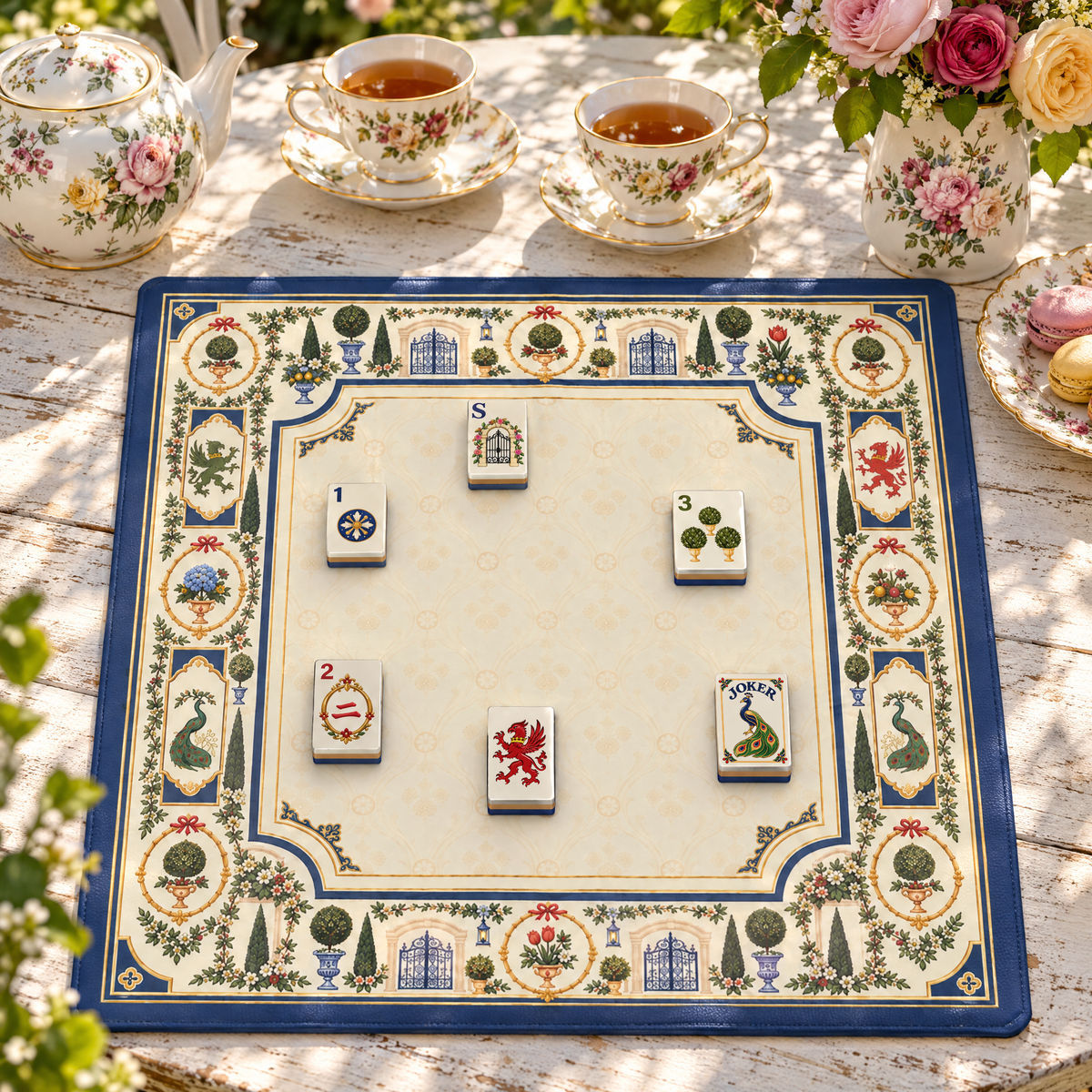
Mahjong tile care depends on material: acrylic tiles (the standard in American sets) wipe clean with a soft, lint-free cloth and mild soapy water, dried immediately to prevent water spots. Store tiles in their cases or bags in a cool, dry place away from direct sunlight, which fades tile faces over years. Bamboo or bone tiles (common in Chinese variants) need less water—a barely damp cloth works best—because moisture can warp them. Never use abrasive cleaners, bleach, or solvents; they strip engraving and dull finishes. Check your tiles before storage for cracks or missing jokers (jokers are irreplaceable if lost). If a tile chips, sand it gently with fine-grit paper and seal the edge with clear nail polish to prevent cracking. Mahstead's acrylic 160-tile sets are engineered for durability, and proper storage keeps them looking fresh through hundreds of games.
Keeping your mahjong tiles clean and organized is less about luxury and more about protecting your investment. A good set can be passed to the next generation, but only if you know what tiles are made of and what they need to survive a lifetime of shuffles, chows, and kongs.
What materials are my tiles made from?
American mahjong sets sold today are almost always acrylic—durable, affordable, and forgiving. Acrylic is a plastic resin that can be engraved, painted, and molded into precise sizes; it resists temperature swings and doesn't warp. Older sets or specialty imported variants may use bone, bamboo, or wood, each requiring different care. Best-selling mahjong sets are typically acrylic, and they're also the easiest to maintain. Check your set's documentation or product page to confirm—if you're unsure, treat it as acrylic and you'll be safe.

How do I clean acrylic tiles without damaging them?
Never submerge acrylic tiles. Instead, wipe them with a soft microfiber or cotton cloth slightly dampened with lukewarm water and a drop of mild dish soap. Wring the cloth thoroughly so it's barely moist—excess water pools on tile faces and leaves mineral deposits if you live in a hard-water area. Wipe each tile or rack individually, paying attention to engraved lines where dust collects. Dry immediately with a clean, dry cloth to prevent streaks. For stubborn grime (spilled snacks, humidity residue), use the same soapy-water cloth but work quickly, then dry at once. Never use Windex, rubbing alcohol, acetone, or abrasive cleaners—they can strip engraving paint or dull the surface finish. After a full year of weekly games, your tiles may need only two or three full cleanings; most of the time, a dry cloth is enough.
🎁 See our most-loved mahjong sets & accessories →
Where and how should I store tiles to prevent fading and warping?
Store your set in its case, bag, or a sealed plastic container in a climate-controlled room—ideally between 60°F and 75°F with 40–50% humidity. Keep tiles away from direct sunlight, heat vents, and radiators. UV light fades engraved color and painted tile faces over months or years; heat warps acrylic and can soften glued joints on racks. Never store tiles in a garage, attic, or damp basement. If you travel with your set, use a mahjong bag or case with padding—it protects against impact, dust, and humidity swings. Within the bag or case, keep the tile rack and tiles separate; a heavy rack rattling against loose tiles can crack edges. If your set sits for more than a few months between games, open the container monthly to let air circulate and prevent mold or moisture buildup.

What do I do if a tile chips, cracks, or goes missing?
Minor chips on edges are cosmetic and don't affect play. For a larger chip or crack, stop using the tile immediately—a cracked tile can break further during shuffling and scatter fragments on the table. Sand the damaged edge gently with 220-grit sandpaper or fine-grit emery paper, smoothing the rough edge. Then seal it with a thin coat of clear nail polish or clear acrylic sealer to prevent further cracking and water seepage into the acrylic. Let it dry fully (24 hours) before returning it to play. If a joker goes missing, you're short one tile for the next game—mark it on the score sheet or swap in a blank from a spare set. Unlike Chinese or Hong Kong mahjong, where individual tiles are sometimes sold as replacements, American sets are sold as complete units, so replacements aren't readily available; buying a second set to cannibalize spares is the typical workaround. Prevention is far easier: store tiles in mahjong racks with pushers during shuffling to minimize chipping.
How often should I inspect and rotate my tiles?
Inspect your tiles once every three to six months, or after every 20–30 games if you host a weekly group. Check for cracks, chips, loose jokers, faded engraving, and warping. Look at the rack pushers and any bamboo or wood parts; wood can split or swell if exposed to humidity. Rotate your tile set with a second set if you play weekly—this spreads wear and reduces surface stress on frequently shuffled tiles. If you have engraved American mahjong sets with custom designs, take a photo of the full set annually and store it in the cloud; you'll have proof of condition and design for insurance or future reference.
Storage Decision Matrix
Scenario | Best Storage | Inspection Every | Cleaning Frequency | Why It Matters |
Weekly host, climate-controlled home | Padded case, closet shelf | 6 months | After 4–5 games | Steady use + stable environment = minimal risk |
Occasional player, variable climate | Sealed plastic bin + desiccant packets | 3 months | Monthly wipe-down | Humidity swings demand vigilance |
Travel bag, road games | Mahjong travel bag, divided sections | Before each trip | Light cloth wipe | Tiles absorb road dust; separation prevents cracking |
Collector, display setting | Glass cabinet, UV-blocking covering | Quarterly | Quarterly dry cloth | Display tiles fade fastest; UV blocking essential |
✨ Find your Mahstead set — free US shipping →
What to check before you buy (or before your first game)
Unbox your new set and do a full inventory before playing. Count all 152 tiles plus 8 jokers—a 160-tile set includes spares beyond the 152 used in play. Examine each tile for factory defects: uneven paint, dents, or surface bubbles. Check that the rack pushers slide smoothly and that the case zips or closes securely. If you notice flaws within the first few weeks, contact the seller; most sets are covered by a basic quality guarantee. Take a photo of the full set for your records. Clean the tiles before the first game to remove factory dust and packing residue. This one-time prep protects the surface and sets you up for years of maintenance.
🀄 Shop best-selling mahjong sets →
For detailed guidance on choosing the right set and accessories, explore the full mahjong tiles collection and learn how to choose a mahjong mat that complements your care routine.

FAQ
Can I wash mahjong tiles in a dishwasher?
No. Heat, high pressure, and detergent strips engraving and warps acrylic. Always hand-clean with a damp cloth and dry immediately.
How do I remove water stains or mineral deposits from acrylic tiles?
Dampen a cloth with distilled water (not tap water), wipe the stain, and dry immediately. If the stain persists, use a 1:1 mix of distilled water and white vinegar on a cloth, wipe, and dry at once. Never soak.
What's the best way to store tiles long-term if I'm not playing for a year?
Place tiles in their case or a sealed plastic container with a silica gel desiccant packet. Store in a cool, dark closet. Open the container once every three months to allow air circulation and prevent mold.
Are bamboo tiles harder to care for than acrylic?
Yes. Bamboo absorbs moisture and can warp or split; use only a barely damp cloth and never submerge. Acrylic is more forgiving and dries quickly.
What do I do if engraving paint flakes off a tile?
If the flake is small and the tile is still playable, leave it as is—repainting is difficult without professional tools. If engraving is illegible, retire the tile and use a spare joker. Prevention: store in a cool, dry place to minimize paint stress.
How do I prevent dust from settling on tiles between games?
Store tiles in their bag, case, or a covered container. Keep them away from fans, open windows, and high-traffic areas. A sealed case is the best defense.
Can I use a UV-blocking storage box to prevent fading?
Yes. A dark, opaque case or cabinet with UV-filtering glass slows color fade significantly, especially if your set sits on display. This is ideal for collectors.


View More
View More
View More
