
Maj Mahjong Rule Explained: American Tiles & Play
Last updated: Nov 23, 2026
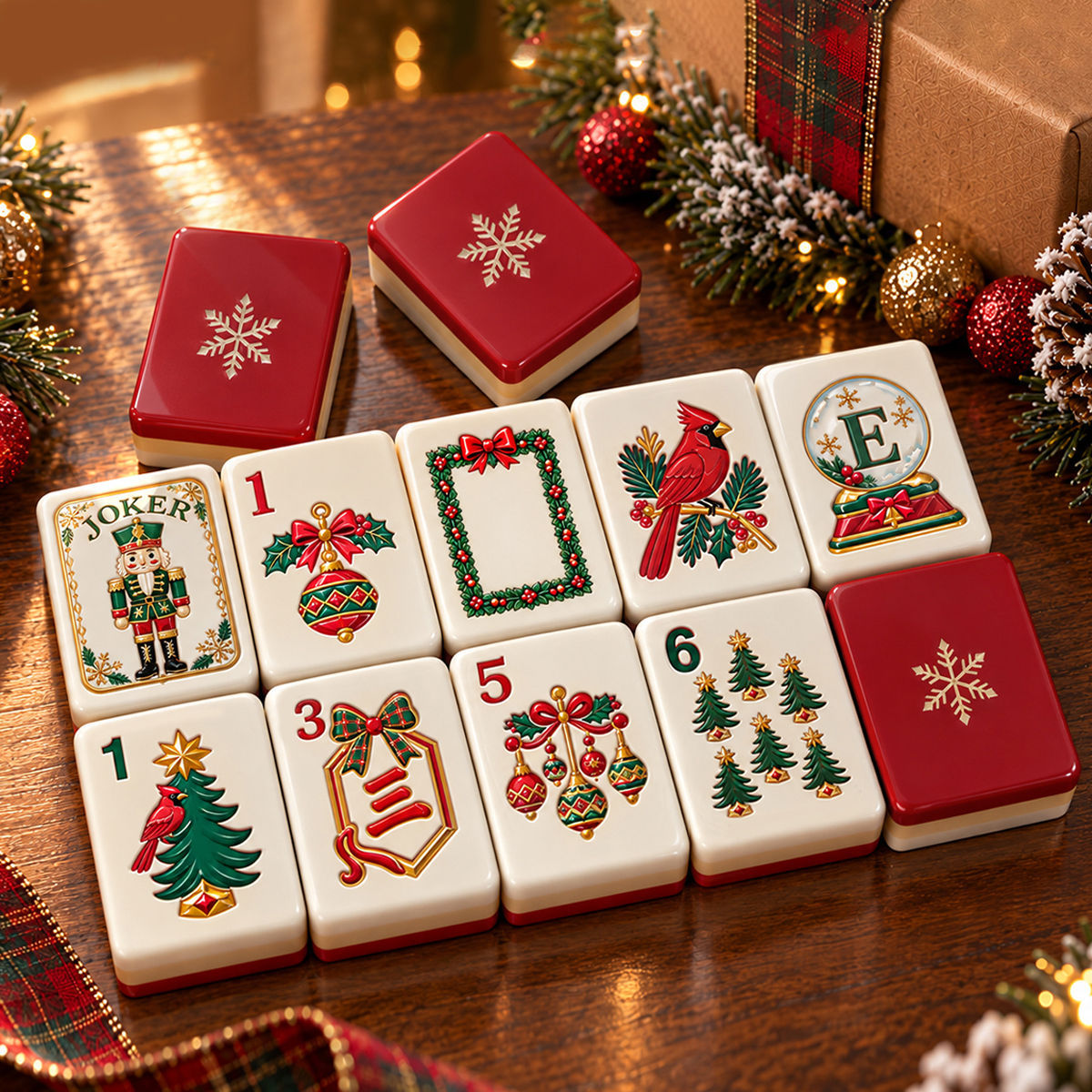
American mahjong is played with exactly 152 tiles (108 number tiles across three suits, 16 winds, 12 dragons, 8 flowers, and 8 jokers) and hands are drawn exclusively from the current year's National Mah Jongg League card. You may expose pungs (three identical tiles), kongs (four identical), quints (five), and sextets (six)—but never chows (sequences). Jokers are wild and cannot be used as a single tile or pair. A game lasts 4 rounds (East, South, West, North), with each player taking 13 tiles plus 1 draw per turn; the first to build a valid hand and call "Mah Jongg" wins the round and score is calculated from the card. The most common beginner mistake is confusing American rules with Chinese mahjong (which allows called chows and has different tile counts).
What tile groups can you expose, and why does it matter?
In American mahjong, exposure rules are strict: you expose a pung (three identical tiles), a kong (four identical), a quint (five identical), or a sextet (six identical). You cannot expose a chow (1-2-3 sequence) or a pair. When you expose a pung, you show the tiles face-up in front of you and discard one tile. The difference is crucial because exposures reduce your options—once a pung is exposed, you're committed to a specific hand pattern, so early exposure can lock you into a losing path. Keep exposures minimal until you're very close to a winning hand.

How do jokers work in American mahjong?
Jokers are wild substitutes for any tile except in two critical situations: a joker can never stand alone as a single tile, and a joker can never be part of a pair (the two tiles you hold at the end before calling Mah Jongg). A joker can replace any tile in a pung, kong, quint, sextet, or in the run of numbered tiles your hand requires. For example, if you need three 5 Dots and you hold two 5 Dots and a joker, that joker becomes the third 5 Dot and you can expose it as a pung. Many players mistakenly think jokers can be used as pairs—they cannot. Learn how jokers work in detail to avoid costly errors.
Why can't you call a chow in American mahjong?
American mahjong forbids calling or exposing chows (sequences like 1-2-3 of the same suit), which is a major departure from Chinese and Riichi variants. This rule exists because the American game was designed to rely solely on the published yearly hand card; allowing chows would create infinite possible patterns and make validation chaotic. Instead, American hands use only numbered sequences that appear explicitly on the card—and these sequences must be built entirely in your hand or completed with one tile from the wall or discard, never exposed as a live call. Beginners from Chinese mahjong backgrounds struggle with this; accepting the no-chow rule is the first mental shift required.
What is a valid winning hand, and how do you read the card?
A valid winning hand must match exactly one pattern from the current National Mah Jongg League card. The card is organized by hand type (e.g., "Like Numbers," "Consecutive Run," "Pair & Quint") and shows which combinations of suits, numbers, dragons, and winds are legal. You build your hand by drawing tiles, discarding others, and either going out with all hidden tiles (a "concealed" hand, worth more points) or exposing groups strategically. To read the card: find the section that matches your target pattern, check that your tiles align with the specific suit and number rules listed, and confirm your pair (the final two identical tiles) is allowed. How to read the mahjong card explains the card layout step by step. Most mistakes come from misreading the suit column or the pair restriction—print the card and keep it at the table.
What's the difference between American, Chinese, and Riichi mahjong rules?
Aspect | American | Chinese | Riichi |
Tiles per suit | 1–9, four copies | 1–9, four copies | 1–9, four copies |
Total tile count | 152 (exact) | 136–144 (varies) | 136 (standard) |
Chows (sequences) | Not exposed or called | Called and exposed freely | Called and exposed freely |
Jokers | 8 per set, wild | 0 jokers (no wild tiles) | 0 jokers (no wild tiles) |
Hand source | Current year card only | Memorized combinations | Memorized combinations |
Pair usage | Must be identical tiles | Must be identical tiles | Must be identical tiles |
Joker in pair/single | Forbidden | N/A | N/A |
Game structure | 4 players, 4 rounds | 4 players, flexible | 4 players, flexible |
American mahjong is the only variant that bans chows and requires a printed hand card; it prioritizes beginner accessibility. Chinese and Riichi variants demand memorization and allow fluid calling, making them faster but harder to learn.

How do you set up, play a round, and keep score?
Setup: Shuffle all 152 tiles face-down. Each player draws a tile to determine position (East is dealer). Wind pieces rotate after each round. Perform the Charleston—a three-step tile-passing ritual—before dealing. Deal 13 tiles to each player in a 1-1-1 rotation.
Play: East draws first (14 tiles total). Discard one. Players take turns drawing from the wall or picking a discarded tile (if it completes a pung, kong, quint, or sextet to expose). When you have 14 tiles matching a card hand, call "Mah Jongg." If the hand is incorrect, you pay a penalty and play continues.
Scoring: Points depend on the hand pattern on the card. Some hands are worth 40 points; others 60, 70, 80, or more. The discarder pays the winner (or all winners pay if East wins). American mahjong scoring details payout rules for two, three, and four players.
🀄 Shop best-selling mahjong sets →
Common mistakes and how to avoid them
Using a joker as a pair: Jokers cannot form the final pair. Check your hand before calling—your pair must be two identical physical tiles (e.g., two Red Dragons).
Exposing too early: Exposing before you're confident locks your strategy. A single exposed pung tells opponents your path; keep your hand concealed as long as possible to maintain flexibility and increase your winning score.
Confusing hand patterns: Misreading the card leads to invalid calls. Before calling, point at the card and say aloud which pattern you're playing (e.g., "Like Numbers, suited"). Have another player verify.
Forgetting the joker ban in singles and pairs: A common reflex is to use a joker to complete a final single tile or pair. The rules forbid this. Train yourself to think: "No joker in my pair; no joker as a lone tile."
Playing without the current year's card: Rules and valid hands change yearly. Using an old card means your "winning" hand may not exist in the current card, and you'll pay a penalty.
Not completing the Charleston: The Charleston is mandatory before dealing. If a player refuses or forgets, restart the game. It's a rule, not a tradition.
🎁 See our most-loved mahjong sets & accessories →
What to check before you buy
Set size & tile count: A Mahstead 160-tile set gives you 152 playing tiles plus spares, meeting official American mahjong requirements. Check that the set includes all four winds, 12 dragons (Red, Green, White), 8 flowers, and 8 jokers.
Acrylic vs. bone: Acrylic tiles are durable and easy to read; they don't chip like bone and work well for weekly players. If you host regularly, engraved acrylic sets add a personalized touch and signal serious play to your table.
Mat and rack: A quality mat protects your tiles and table; racks with pushers keep your hand organized and speed up play. Together they reduce fumbles and mistakes.
Storage: If you travel to games or store your set between sessions, a bag or case prevents tile loss and damage.
How the rules differ for 2 and 3 player games
Standard American mahjong is designed for four players. Two or three player variants exist and use modified rules: fewer tiles are drawn per round, dead wall size changes, and hand patterns may differ. The game flow and joker rules remain the same, but the strategic pace accelerates. 2 and 3 player mahjong rules explains the tile distribution and calling adjustments required.
✨ Find your Mahstead set — free US shipping →

FAQ
Can I use a joker as the pair at the end of my hand?
No. A joker cannot be part of the final pair. Your pair must be two identical physical tiles. This is a hard rule in American mahjong and a frequent source of penalties.
Do I have to expose a pung or kong?
No. You can choose to keep exposed groups hidden and build a concealed hand, but if you expose, the tiles must form a legal pung, kong, quint, or sextet. Concealed hands score higher.
What happens if I call Mah Jongg with an invalid hand?
You must pay a penalty to each player (typically double or triple the hand's normal point value). The game continues and play passes to the next player.
Are there any tiles I should never use as a pair?
The pair must be identical. Winds can pair with winds, dragons with dragons, flowers with flowers, and numbers with numbers (of the same suit). Jokers cannot pair.
How often does the National Mah Jongg League update the hand card?
A new card is issued every spring. Using an outdated card means your hands may not match current valid patterns and you'll face penalties.
Can I ask other players for help reading the card during the game?
Yes, in friendly play. Asking "Does this match the card?" before calling is allowed. However, once you call "Mah Jongg," the hand must be valid; no corrections allowed after the call.
What's the fastest way to learn these rules?
Read the pillar guide how to play American mahjong, print the current National Mah Jongg League card, and play one round with an experienced player who can confirm your hand calls and scoring.
Does acrylic vs. bone tile material change the rules?
No. Rules are the same regardless of tile material. Acrylic is durable and easier to read; bone is traditional and premium. Choose based on comfort and budget, not rules.


View More
View More
View More
