
How to Store a Mahjong Travel Set: Protection & Care
Last updated: Nov 23, 2026
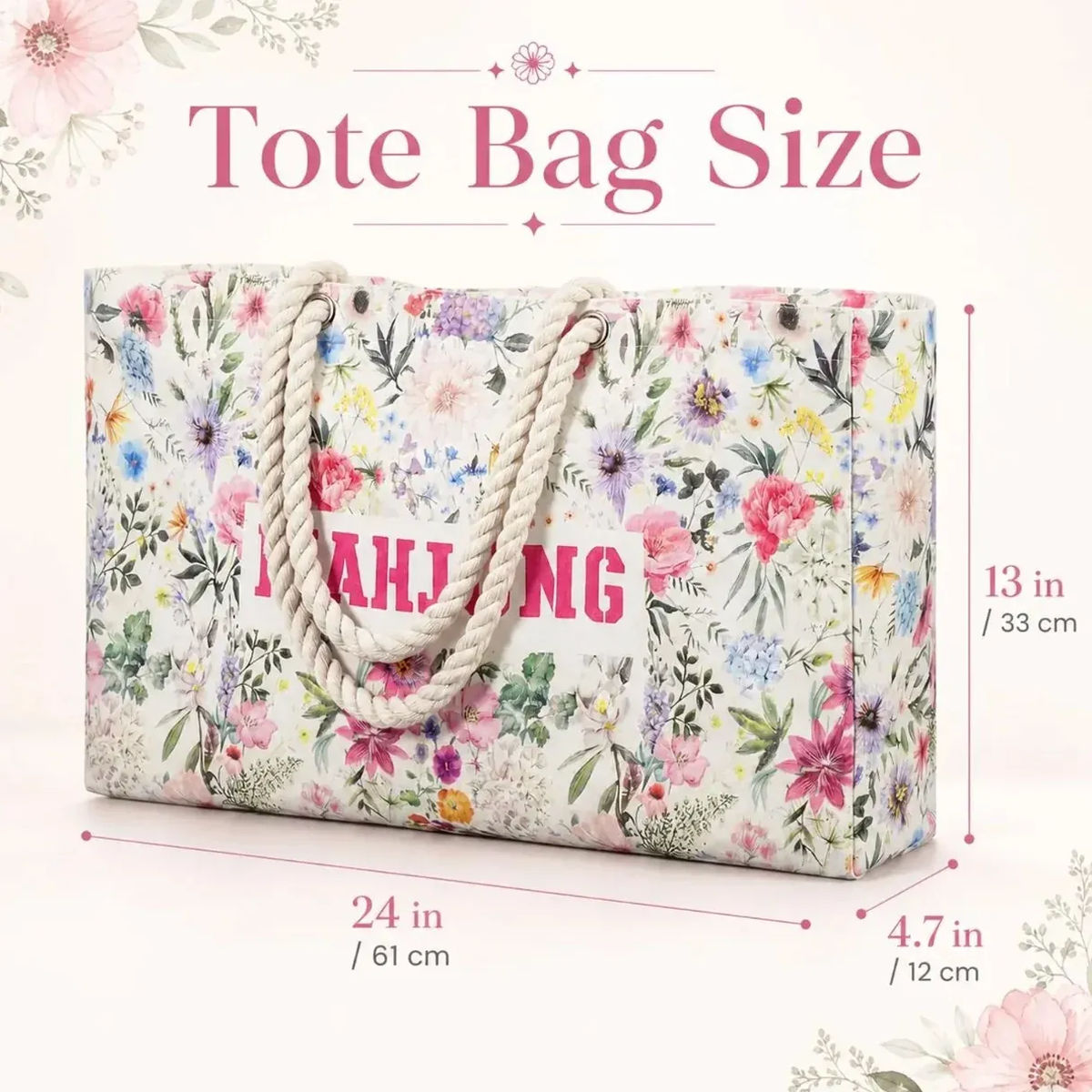
Store your mahjong travel set in a dedicated padded case or bag to isolate tiles from mats and racks, preventing chipping and mixing. Keep the set upright in its case at room temperature, away from direct heat, humidity extremes, and crushing weight. A 160-tile American set in a typical travel bag occupies roughly 14"×10"×4", making it portable for weekly games or trips. Separate hard-sided cases protect against accidents during car or air travel; soft bags work for short trips within your home or neighborhood. Check your case or bag has internal compartments or foam dividers—loose tiles and racks rattle and wear each other. Store the National Mah Jongg League card flat in a plastic sleeve inside the bag. Avoid leaving tiles in cars (heat cracks acrylic) or damp basements (warping and mold).
🀄 Shop best-selling mahjong sets →
Should tiles, mats, and racks stay together or separate?
Always separate them. Tiles stacked under a rolling mat will eventually chip or crack from pressure and friction. Racks and pushers should sit in their own slot, never atop the tile case, to avoid warping the racks and scratching the pushers. A mat rolled tightly can trap moisture and damage both the backing and tile compartment below. Most travel bags from our collection include zippered dividers for this reason—use every compartment.

What's the best temperature and humidity for storage?
Keep your set between 55°F and 75°F, ideally in a climate-controlled closet or cabinet. Acrylic tiles become brittle below 50°F and soften above 85°F, risking permanent warping or cracking during thermal shifts. Humidity above 70% encourages mold on wooden racks and can warp the mat backing; below 30% makes acrylic more prone to cracking if dropped. If you live in a humid climate or store your set for months, place a small silica gel packet inside the bag—replace it every three months. Never store a set in an attic, garage, or basement without climate control, even inside a case.
How do you pack tiles to prevent rattling and damage?
The golden rule: nothing loose, everything layered. If your bag lacks foam dividers, create them using craft foam or bubble wrap. Place tile racks horizontally first, cushioned on both sides. Layer the tile case (if separate) or stack tile trays in their original box inside a protective sleeve. Fill any gaps with rolled bubble wrap or foam sheets—don't compress too hard or you'll crack tiles. Secure everything with elastic bands or Velcro straps so shifting is impossible. When you arrive, unpack racks before you open the tile compartment; this prevents a domino effect of items falling. Pack heavy items (tile cases) at the bottom of the bag; lighter items (pushers, the card) on top.
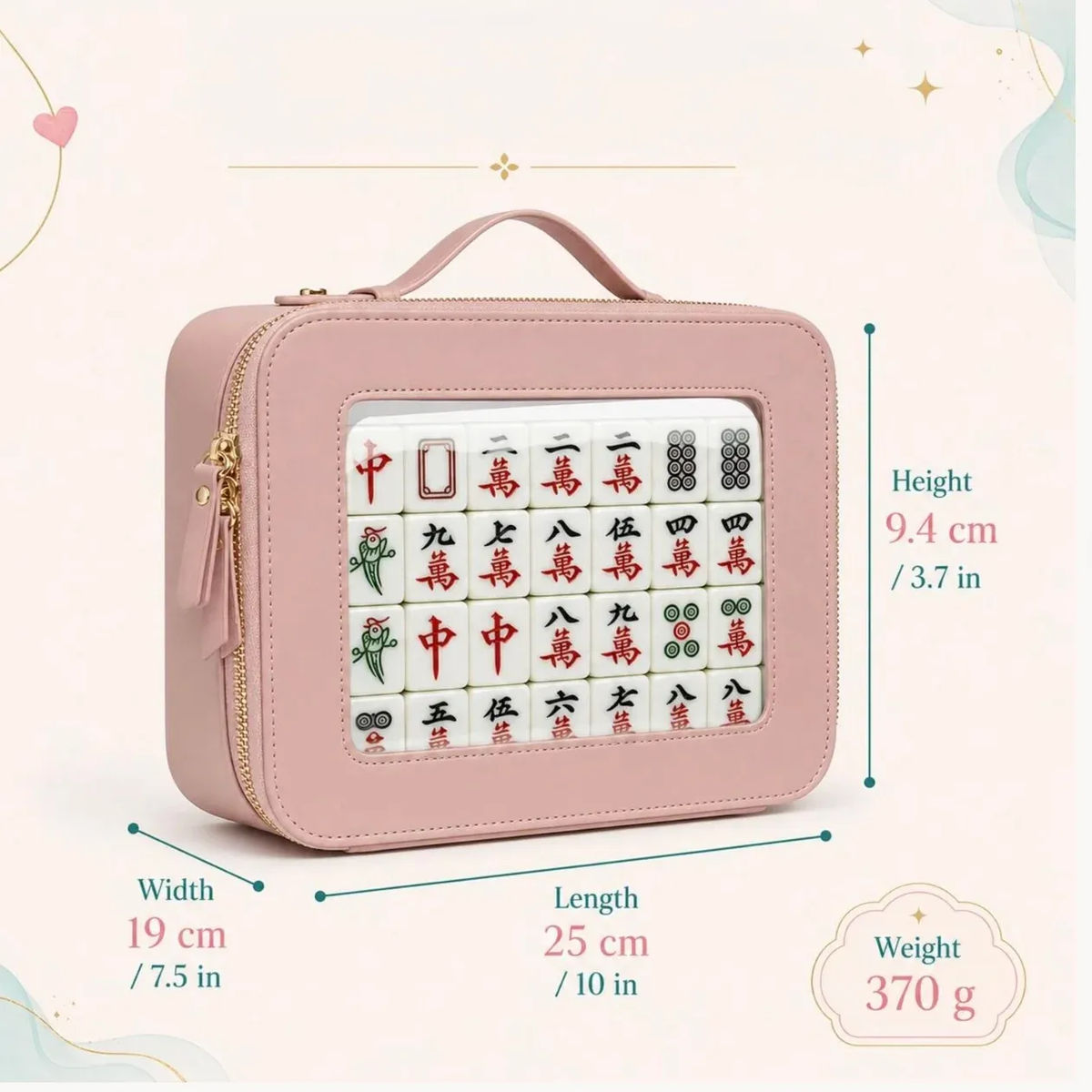
Which travel bag type suits your playing style?
Bag Type | Best For | Durability | When It Falls Short |
Soft padded shoulder bag | Weekly local games, one person carries it | 2–3 years with regular use | Poor protection in car accidents; tiles shift if overstuffed |
Hard-sided rolling case | Airport travel, frequent movers, fragile sets | 5+ years | Bulky for apartment storage; overkill for short trips |
Fabric tote with dividers | Carpool or shared transport, lightweight | 3–4 years | Limited padding; not for rough handling |
Custom foam-lined case | Tournament or high-end set protection | 7+ years | Expensive upfront; difficult to customize later |
A padded travel bag balances portability and protection for most home players. If you fly with your set or transport it in a truck bed, upgrade to a hard case.
🎁 See our most-loved mahjong sets & accessories →
What mistakes ruin travel sets most often?
Leaving tiles loose. Even one tile rolling around in a bag will crack others over time. Always return tiles to their case or tray, never dump them into a plastic bag.
Stacking heavy objects on top of the bag. A set stored under coats or books in a closet gets crushed; cracks appear weeks later. Keep the bag upright or flat on a shelf with nothing on top.
Ignoring the mat's rolled edges. If a mat is rolled with the wrong side facing inward, moisture traps inside and promotes mold. Always roll mats with the printed side (design) facing outward.
Forgetting the card in your car. The League card is essential—store it in a waterproof sleeve inside the bag, not on your car seat or in a glove compartment where it warps.
Mixing old and new sets. If you own multiple sets, label each bag clearly. Grabbing the wrong set wastes time; mixing tiles from different sets creates unplayable hands because duplicate counts will be wrong.
How often should you inspect and refresh your stored set?
We recommend a quarterly check: open the bag, count a random tray of 20 tiles for chips or cracks, reshuffle racks to prevent memory marks, and replace any silica gel packets. If you play weekly, rotate your storage bag with a backup set every six months so neither ages prematurely in one location. For sets stored more than six months, rotate them monthly to prevent permanent creases in the mat and flattening of rack edges.
✨ Find your Mahstead set — free US shipping →
What to check before you buy a travel bag
Compartments & dividers: Does it have at least three zippered sections (tiles, mat, racks)? Soft fabric dividers are fine; open slots are not.
Padding thickness: Press your thumb on the outside—you should feel at least 0.5 inches of cushioning before hitting the inner wall. Thin nylon bags won't protect against door jams or car accidents.
Strap quality: If it's a shoulder bag, check the stitching at the strap base. Weak stitching fails after 50–100 trips. Test it by hanging 10 pounds in a store if possible.
Fit your set size: Most travel bags fit a standard 160-tile American set. Measure your case (typically 14"×10"×4") and compare it to the bag's interior dimensions—width and depth matter more than height.
Moisture resistance: Does the bag have a water-resistant outer fabric? This matters if you play outdoors or travel during rainy seasons. A wipe-down after transport keeps salt spray or spilled drinks from seeping in.
Zipper durability: Two-way zippers are better than single pulls; they reduce jamming. Metal or high-grade plastic zippers last longer than cheap plastic.
FAQ
Can I store a mahjong set in a plastic shoebox or storage bin?
Only short-term. Plastic boxes trap moisture, risk cracking acrylic in heat, and offer zero shock protection. A padded travel bag is safer for regular storage and transport.
How do I prevent acrylic tiles from turning cloudy?
Clouding usually signals temperature shock or humidity stress. Store in a stable climate (55–75°F, 40–60% humidity) and wipe tiles dry if they're ever damp. Avoid direct sunlight on the storage bag for weeks at a time.
Should I store my set in its original box?
If the original box has a sturdy insert and lid, yes—place the box inside a padded travel bag for added protection. Loose original boxes without dividers are not enough on their own.
What happens if my set gets wet?
Dry tiles immediately with a soft cloth. Leave the case open in a well-ventilated, warm room (68–72°F) for 24 hours. Check racks for warping and the mat backing for mold spots daily until completely dry.
Can I store two sets in one travel bag?
Not recommended. Two full sets weigh 8–10 pounds and create internal pressure that stresses compartments and crushes tiles. Use separate bags or a single larger hard-sided case divided by a custom foam insert.
Does free shipping on Mahstead bags apply to everywhere in the US?
Yes, free shipping across the US is standard on all orders from Mahstead. No minimum purchase required.


View More
View More
View More
