
Mahjong Clubs in Seattle: Where to Play & How to Join
Last updated: Nov 23, 2026
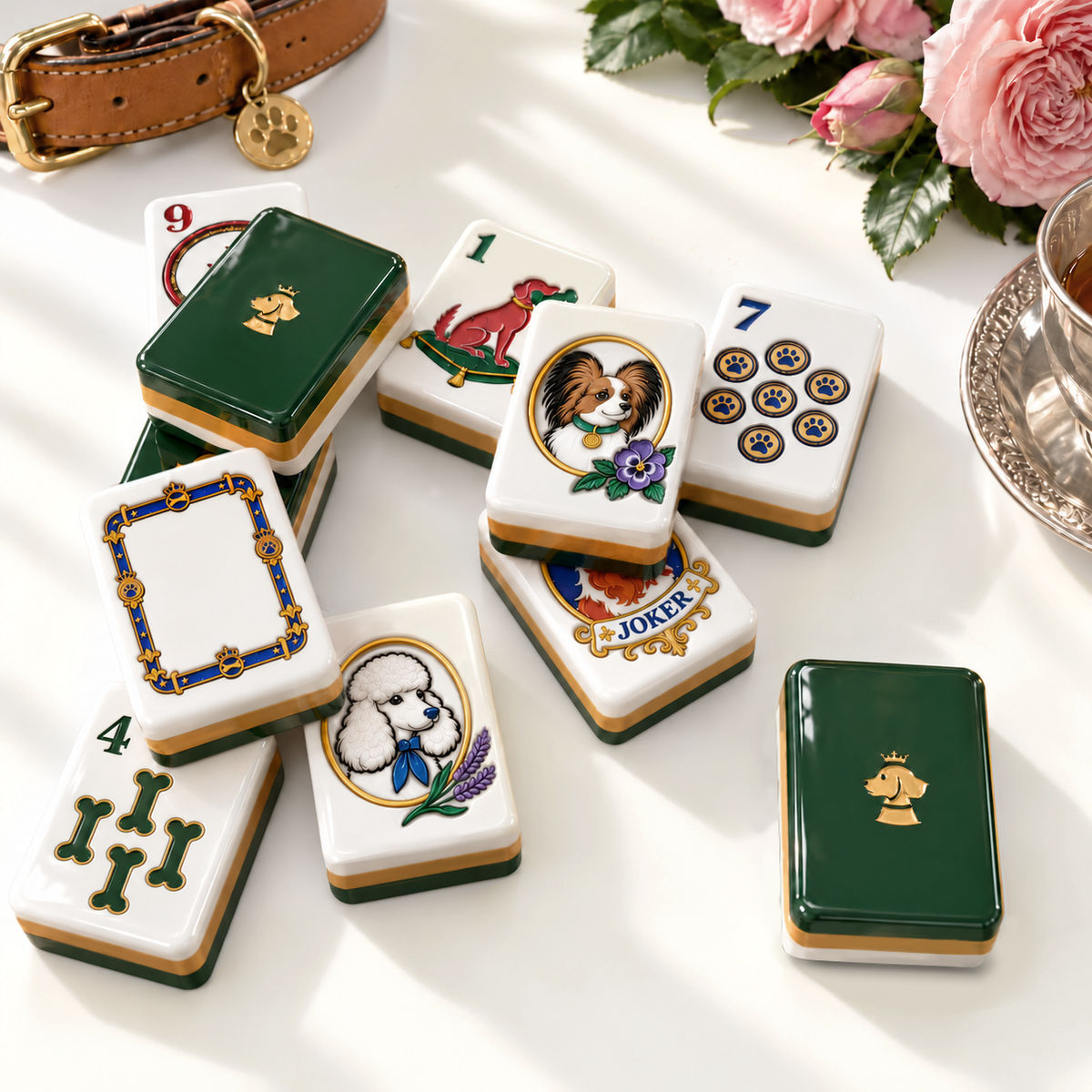
Seattle's mahjong scene centers on community centers (check parks & recreation departments), public libraries (especially in the University District and Capitol Hill), and private country clubs or synagogues hosting weekly or monthly games. Most groups welcome beginners and rotate players by skill level; games run Thursday–Sunday evenings or weekend afternoons, typically 2–4 hours per session. You'll need a standard 152-tile American mahjong set, a mat, and familiarity with the current year's National Mah Jongg League card—or willingness to learn at the table. No membership fees are typical for public groups; private clubs may charge annual dues or per-game fees. Start by calling your neighborhood library or posting on community boards asking for "mahjong night" groups; most players are eager to teach newcomers. We recommend bringing best-selling acrylic sets that travel well if you're joining established tables.
Where do Seattle mahjong players actually meet?
Seattle's mahjong community gathers in three main settings: public libraries (especially popular in neighborhoods near University of Washington and in the Central District), city recreation centers that host game nights or special programs, and private clubs—country clubs, synagogues, and church basements—that run regular groups. Call the Seattle Parks & Recreation department's community services line to ask about mahjong nights; many centers post schedules online or through community bulletin boards. Library staff can often connect you to established groups meeting on their premises. Private clubs typically advertise through word-of-mouth or local community boards; ask if friends play or search neighborhood Facebook groups. Most groups post schedules 4–6 weeks in advance; the best time to call is mid-week mornings when staff can talk.

How do you join a club as a complete beginner?
Most Seattle mahjong groups explicitly welcome beginners and have a "learn as you go" culture. When you call or email, say "I'm brand new to mahjong" and ask if the next game has spots for a learner. Experienced players will seat you strategically, explain hands from the National Mah Jongg League card as they come up, and answer questions between rounds. Some groups reserve one table for beginners or run a half-hour teaching session before play. Dress casually, arrive 10–15 minutes early, bring a pen and notebook to jot down hand patterns, and ask to observe a round before playing money if that's involved. Most public groups are no-stakes or low-stakes (bragging rights only); private clubs vary. Honesty about your level helps hosts match you with patient teachers rather than competitive speed players on your first night.
What's the difference between public library groups and private clubs?
Venue Type | Atmosphere | Schedule | Cost | Best For |
Public Library | Casual, social, mixed skill | Weekday evenings or Saturday afternoons | Free or donation | Beginners, social players, no pressure |
City Rec Center | Organized, sometimes tournament-style | Evenings or weekend days | Free–nominal | Community builders, consistent scheduling |
Country/Private Club | Formal, competitive or mix | Fixed weekly nights | Annual dues or per-game | Serious players, regular commitment |
Synagogue/Church Group | Social, culturally rooted | Usually weeknight evenings | Free–small donation | Community connection, family-friendly |
Public library games tend to rotate players weekly, so you won't always see the same faces; this suits newcomers because nobody assumes you know the unwritten rules. Private clubs develop table cultures—regular seat assignments, house rules about joker use, preferred scoring methods—that can favor members. Rec centers often strike a middle ground: organized enough for consistent scheduling, open enough for walk-ups. Choose based on your comfort with structure: beginners usually thrive in library or rec-center settings where stakes are low and teaching is expected.
What equipment do you need to bring or expect?
Bring your own standard American mahjong set (152 tiles plus 8 jokers) if you own one; most groups have community sets available but they vary in quality and wear. A personal set ensures you know the tile condition and helps you practice at home between games. You'll also want a mat if your table doesn't have one—felt or vinyl prevents tiles from sliding and marks the discard area clearly. Most venues provide a current National Mah Jongg League card; if not, ask the group organizer which year's card they use, then print or buy a laminated copy to bring. Pencil and scorepad are useful for learning scoring rules (even if the host tracks money). Wear comfortable clothes and bring water; games last 2–4 hours. If you're serious about joining a weekly group, consider a lightweight travel bag so your set stays protected between games.
What do Seattle mahjong players usually play—American, Chinese, or something else?
Nearly all Seattle groups play American mahjong—the version tied to the National Mah Jongg League card, which limits hands to specific published patterns, uses no sequences or "chows," and allows only pungs, kongs, and quints as exposed combinations. This is the standard for Pacific Northwest clubs. A few private groups or mixed-culture venues may offer occasional Hong Kong or Chinese mahjong nights (different hand sets, different tile values, longer learning curve), but those are rarer and usually posted clearly as separate events. Learn the American rules here if you haven't played before; it's markedly different from Chinese variants, and showing up knowing the basic flow—deal, Charleston, draw, win—speeds up your integration into a table. Ask which variant the group plays when you call; 95% of the time in Seattle, it's American.

How do you find the right group for your skill level and schedule?
Start by mapping out your availability: mahjong games are typically 2–4 hours, so you need a clear Thursday–Sunday window. Then contact 2–3 venues (library + rec center + a private club if you're interested) and ask about beginner-friendly sessions specifically. Mention whether you prefer low-stakes, social play versus competitive games with money involved. Ask about table size (American mahjong is always 4 players, never 2 or 3) and whether the group trains during play or expects you to know the basics. Visit once without committing; if the pace feels rushed or the players unwelcoming, try another group—Seattle has enough communities that you'll find a fit. Many groups have a "trial night" custom where newcomers can observe and ask questions before sitting in. Once you find your people, attending the same time slot weekly helps you improve fastest because you'll see the same opponents and learn their tendencies.
🀄 Shop best-selling mahjong sets →
What common mistakes do newcomers make when joining a Seattle group?
The biggest mistake is showing up without understanding how the Charleston works—the tile-passing ritual before each hand. Ask the organizer to walk you through it on your first night; it looks chaotic but follows exact rules. Second: not learning how jokers work in American mahjong—jokers can only fill exposed sets (pungs, kongs, quints), never pairs or single tiles, and this is a common source of rule disputes. Third: touching the wall or someone else's tiles uninvited—mahjong etiquette is quiet and observant; let players manage their own racks. Fourth: arriving late; games start exactly on time and late arrivals disrupt the deal and Charleston. Fifth: assuming the current-year card is optional; if you don't study it beforehand, bring a copy and ask about hand names as they're called—don't guess from memory. Finally, don't be shy about asking for clarification mid-hand; good groups pause to teach.
What should you check before you buy a home set to bring to the group?
If you're thinking about purchasing your own set to build skill and contribute to group play, here's a decision framework:
Tile Material: Acrylic is durable, lightweight, and easy to clean—ideal for travel between games. Bone-and-bamboo sets are beautiful but fragile and heavier.
Joker Count: Standard American mahjong uses exactly 8 jokers in play; make sure any set you buy includes at least 8 and ideally a couple of spares.
Weight & Portability: If you're taking your set to weekly games, aim for a set with a carrying bag or case so tiles don't shift in transit.
Rack & Pusher Included: Some sets come with racks and pushers built in; these help organize your hand and speed up play.
Tile Size: Standard American tiles are roughly 1" × 0.75"; smaller tiles are harder to read and grip, especially for players with vision challenges or arthritis.
Look at best-selling American mahjong sets to compare weight, clarity, and durability before committing. Many Seattle groups have loaners, so you don't need to buy immediately—but having your own set builds confidence and lets you practice reading the League card at home.
🎁 See our most-loved mahjong sets & accessories →
How often do Seattle groups play, and what's the typical commitment?
Public library and rec center groups usually meet weekly on a fixed night (e.g., every Thursday 6–9 pm or Saturday 10 am–noon), but attendance is always optional—drop in whenever you can. There's no membership and no expectation of perfect attendance. Private clubs often expect more commitment: many ask members to join for a season (e.g., fall through spring, 15–20 weeks) or charge per-game fees as a way to reserve your seat. Ask upfront whether a group is drop-in or membership-based; this affects how welcome you'll be as a newcomer. Most Seattle groups are drop-in friendly, especially public ones. If you're just starting out, commit to 4–6 consecutive weeks at the same table so you build muscle memory and relationship; after that, you can choose frequency based on work and life schedules.
✨ Find your Mahstead set — free US shipping →
What to check before you go:
Call or email ahead. Confirm the game time, address, and whether they're welcoming beginners that week (some groups are full or running an advanced tournament).
Bring water and a pen. Games are long; you'll want to hydrate and take notes on hands you see.
Ask about the card year. The National Mah Jongg League card changes every spring; confirm which year the group uses (usually current year, but sometimes previous year during transition).
Know whether it's stakes or social. Ask if there's money involved and how much; this affects mindset and etiquette.
Bring a set if you have one. It's not required, but showing up with your own tiles signals readiness and helps you practice afterward.
Plan for 3+ hours. Even if advertised as 2 hours, American mahjong games often run longer. Block your calendar generously.

FAQ
Do I need to be an American citizen or resident to join a Seattle mahjong club?
No. Mahjong groups in Seattle are open to anyone in the city, regardless of citizenship or residency. Community centers and libraries serve all residents; private clubs have their own membership policies, but most don't restrict based on where you live. Call ahead to confirm.
Is there a Seattle Mahjong League or tournament scene?
Seattle doesn't have a citywide professional league, but some private clubs and rec centers organize seasonal tournaments or friendly competitions. Ask your local group if they participate in or know of upcoming tournaments; the National Mah Jongg League maintains a directory of affiliated clubs nationally.
Can I play mahjong if I don't speak English well?
Yes. Mahjong is a tile game with universal symbols; you don't need strong English to understand tile faces or hand patterns. Experienced players will help you learn calls and scoring. Choose a social, beginner-friendly group rather than a competitive one to feel more comfortable.
What's the cost to join a public library or rec center group?
Public library and city rec center groups are typically free to attend or charge a small donation (under $5). Private clubs may charge annual membership dues or a per-game fee; ask when you call. No group we're aware of requires you to buy a set to play.
How do I find a group if I only have one evening a week free?
Contact the Seattle Parks & Recreation department and ask them to list all venues with mahjong nights; then check which one matches your single available time slot. If nothing fits exactly, reach out to a library or club directly and ask if they'd consider starting a new night—committed players often rally to support a new time slot if they see demand.
Should I learn to play at home first, or is it better to learn at the table?
Learning at the table with a patient group is the most common path and works well. If you want a head start, watch online tutorials or read American mahjong basics to understand the deal and Charleston; this 30-minute investment makes your first night less overwhelming.


View More
View More
View More
