
How Long Do Bone and Bamboo Mahjong Tiles Last
Last updated: Nov 23, 2026
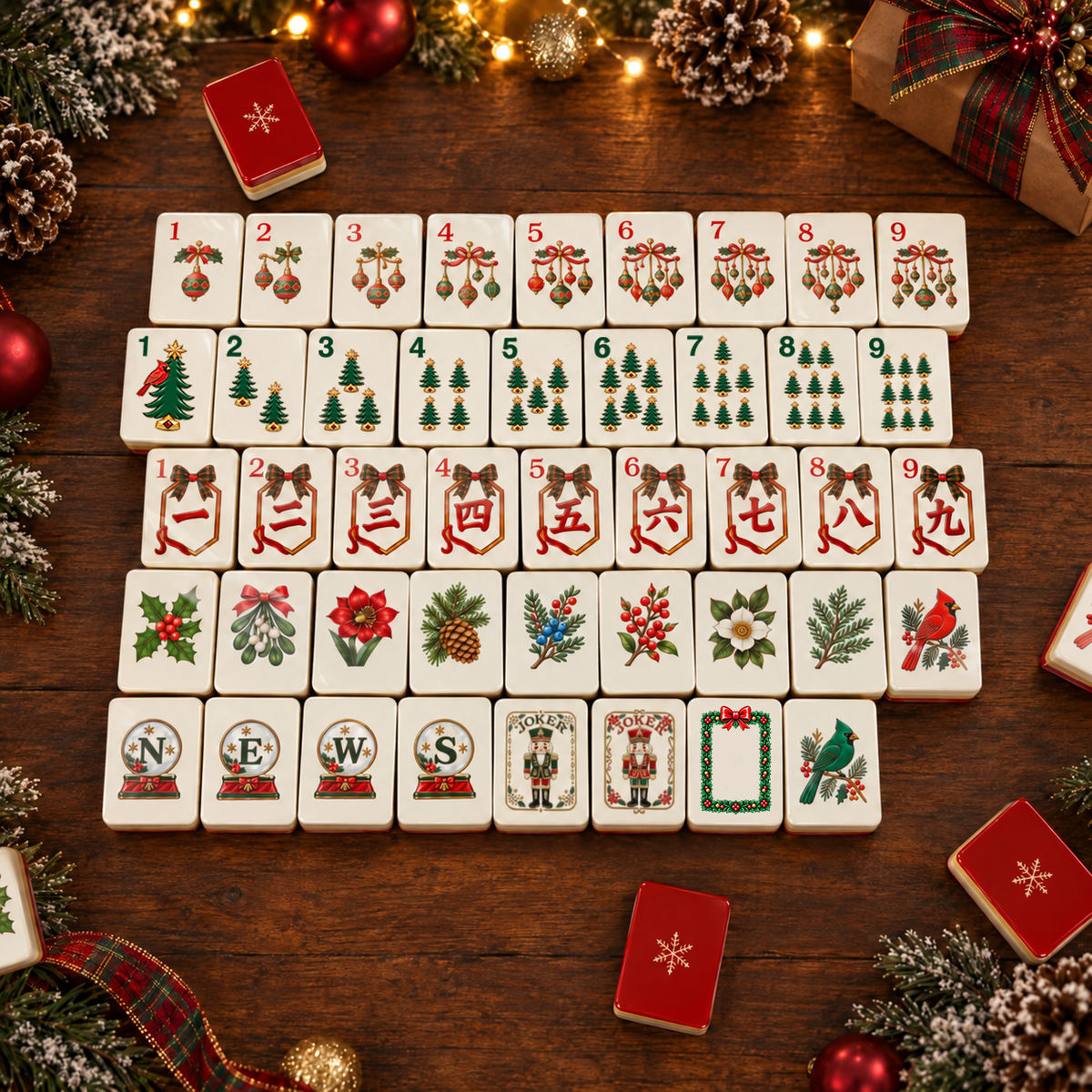
Bone and bamboo tiles typically last 30 to 50 years or more, depending on play frequency, storage conditions, and care. Bone tiles are denser and more resistant to chipping than acrylic; bamboo faces glued to wood or plastic bases can crack or peel if exposed to extreme humidity or left in cars. Chips, splits, and faded engraving mark the end of useful life. American mahjong requires exactly 152 tiles plus 8 jokers, so even minor damage to a few tiles renders a set incomplete for tournament play—though a set with cosmetic wear remains playable for casual games. Acrylic sets from Mahstead typically endure 10–15 years of weekly play before tiles begin to cloud, stick, or wear unevenly. Cost-per-game is lowest for acrylic over decades, but collectors value bone and bamboo for aesthetic appeal and heft despite shorter absolute lifespan.
Bone and bamboo mahjong tiles can last 30 to 50 years or more, depending on play frequency, storage conditions, and care. Bone tiles are denser and more resistant to chipping than acrylic; bamboo faces glued to wood or plastic bases can crack or peel if exposed to extreme humidity or left in cars. Chips, splits, and faded engraving mark the end of useful life. American mahjong requires exactly 152 tiles plus 8 jokers, so even minor damage to a few tiles renders a set incomplete for tournament play—though a set with cosmetic wear remains playable for casual games. Acrylic sets from our best-selling collection typically endure 10–15 years of weekly play before tiles begin to cloud, stick, or wear unevenly. Cost-per-game is lowest for acrylic over decades, but collectors value bone and bamboo for aesthetic appeal and heft despite shorter absolute lifespan.
What makes bone tiles last longer than acrylic?
Bone is naturally harder and denser than acrylic, resisting the micro-scratches that accumulate on acrylic from shuffling, stacking, and contact with wooden racks or metal pushers. Bone tiles also feel heavier and cooler—qualities that slow player fatigue and reduce the nervous micro-shuffles that accelerate wear. Acrylic tiles become sticky or cloudy after 10–15 years of oils from hands and friction from the mahjong mat; bone remains visually crisp but can chip at edges if dropped or stacked carelessly. The trade-off: bone is brittle, so a single hard fall can fracture a tile irreparably, whereas acrylic simply cracks and may still be playable.

How does humidity damage bamboo and bone?
Bamboo tiles consist of a thin veneer glued to a wood or plastic substrate. When humidity spikes above 60% for weeks, the glue weakens and the face separates from the base—tiles become warped, rattle inside their cores, and become unplayable. Extreme dry air (below 30% humidity) shrinks the wood core, cracking the bamboo face. Bone is less vulnerable to humidity alone but absorbs moisture slowly; stored in a damp basement for years, bone can develop discoloration or a faint musty smell. Neither material likes hot cars: temperatures above 130°F can warp bamboo permanently and degrade bone engraving ink. Store bone and bamboo tiles in a climate-controlled closet or dresser, ideally in a hard travel bag or case, and avoid garages, attics, and vehicles during summer or winter.
What counts as normal wear vs. end-of-life damage?
Normal wear includes shallow scratches on tile faces (visible only at an angle), slight dulling of engraved characters after 20+ years, and minor edge wear. These tiles remain legal for play. End-of-life damage includes deep chips missing material, cracks running through the tile, bamboo faces that wobble or peel, faded engraving so faint the tile cannot be identified from arm's length, and jokers bent or warped. If a single tile in your set is unplayable, the entire set is incomplete—you cannot legally play American mahjong (which uses all 160 tiles). Many players keep a spare set for swaps, or buy replacement jokers and individual tiles online, though finding exact matches after a few years becomes harder as manufacturers retire colors and fonts. Check for damage before each game; a single broken tile will halt tournament play mid-session.
Acrylic vs. bone vs. bamboo: lifespan comparison at a glance
Material | Typical Lifespan (weekly play) | Key Vulnerability | Best For | Storage Risk |
Acrylic | 10–15 years | Stickiness, cloudiness, fading | Beginners, weekly casual games | Heat, sunlight |
Bone | 30–50+ years | Chipping if dropped, edge fractures | Serious players, collectors | Humidity swings |
Bamboo | 15–25 years | Face separation from base, warping | Players who value aesthetics | High humidity, vehicles |
Acrylic tiles from Mahstead are the most forgiving for new players and travel; bone suits players who want heft and durability if stored carefully; bamboo offers beauty but demands climate control.

How should you store tiles to maximize lifespan?
Keep tiles in a hard-sided travel case or bag if moving between homes or taking to games; soft bags allow tiles to shift and collide, accelerating chipping. Store indoors at 45–55% humidity and 65–72°F—a climate-controlled bedroom closet is ideal. Place a silica gel packet inside the case if your home is humid or near a coast. Remove tiles from their case every 6–12 months, inspect for separation or cracks, and reshuffle them gently to prevent settled dust. Never store in a garage, attic, basement, car trunk, or direct sunlight. If you play weekly, rotate between two sets if possible; this halves the wear rate and extends the lifespan of each. Check the mahjong tiles collection for engraved options that suit your storage setup and play style.
When should you replace your set?
Replace a set when you cannot complete a legal 152-tile game because multiple tiles are unplayable, when the mat or racks are too worn to use safely, or when cosmetic damage bothers you enough to replace it. Many players do not replace for decades; others rotate sets seasonally. A bone or acrylic set used casually (2–4 times per year) may last a lifetime with basic care. A bamboo set in a humid climate may need replacement in 10–15 years. If you love your current set but a few tiles are damaged, consider buying replacement jokers (often sold in packs) or hunting for matching loose tiles online—cheaper than a new set. If you are a beginner uncertain about commitment, start with an acrylic set so wear and tear do not disappoint you; upgrade to bone or bamboo once you play weekly.
🀄 Shop best-selling mahjong sets →
What to check before you buy: durability factors
Tile weight: hold them; bone tiles feel heavier and cooler. Light tiles often indicate acrylic.
Engraving depth: run your finger over characters; deeper engraving resists fading longer.
Edge finish: smooth, beveled edges chip less easily than sharp corners.
Case quality: hard-sided plastic or wooden cases protect tiles during storage and travel; soft bags compress tiles and invite damage.
Joker condition: jokers take the most abuse; inspect all 8 before purchase.
Humidity rating: ask the seller if the set is sealed (bone) or if bamboo faces are glued or pressed on (pressed-on faces separate more easily).
Seller warranty or return policy: legitimate sellers offer 30-day returns if tiles arrive chipped or separated.
🎁 See our most-loved mahjong sets & accessories →

FAQ
Can you replace individual tiles in a bone or bamboo set?
Yes, many online retailers and local game shops sell loose tiles and jokers. Finding an exact color and font match can be difficult after 5+ years if the manufacturer has retired the design; buying a full spare set is often simpler than hunting for three matching tiles.
Do acrylic tiles get sticky after 10 years?
Yes. Hand oils and dust accumulate on acrylic, making tiles stick slightly to each other or the mat—a sign your set should be retired or replaced, though some players clean them with a soft, dry cloth and accept minor friction.
Should I store bamboo tiles in a humidifier or dehumidifier?
Neither. Bamboo tiles prefer stable humidity around 50%, not active humidification. A climate-controlled closet or dresser drawer is far better than a device that creates fluctuations; fluctuations damage the glue bond between bamboo face and base.
Is bone more durable than acrylic for travel?
Bone is harder and resists scratching, but it is also brittle—a single hard drop can crack it, whereas acrylic bends slightly before breaking. For frequent travel, acrylic is more forgiving; store it in a padded travel bag to minimize impact.
Can I play with a set that has one or two chipped tiles?
For casual home games, yes. For tournament or competitive play, no—the National Mah Jongg League requires all 152 tiles to be legal, intact, and distinguishable. Even one missing or unidentifiable tile disqualifies a hand.
How often should I rotate tiles to prevent uneven wear?
If you play weekly, reshuffle and rotate all tiles every 2–4 months. This spreads wear evenly and slows the pace at which any one tile becomes damaged. Players who use a mahjong mat often see more uniform wear because tiles slide rather than scrape.
Are engraved custom tiles more durable than standard tiles?
No—custom engraving does not change the underlying material (bone, bamboo, or acrylic). Deeper or more intricate engraving can increase the risk of chipping at the engraved edges, but quality engraving on bone outlasts shallow engraving on acrylic simply because bone itself is harder.
What humidity level is safe for bone and bamboo tiles?
40–60% relative humidity is ideal; anything above 65% or below 35% will slowly damage both materials. Bone can tolerate extremes slightly better, but bamboo glue fails rapidly above 70%. ✨ Find your Mahstead set — free US shipping →


View More
View More
View More
