
American Mahjong Tips: Play Better Weekly from Home
Last updated: Nov 23, 2026
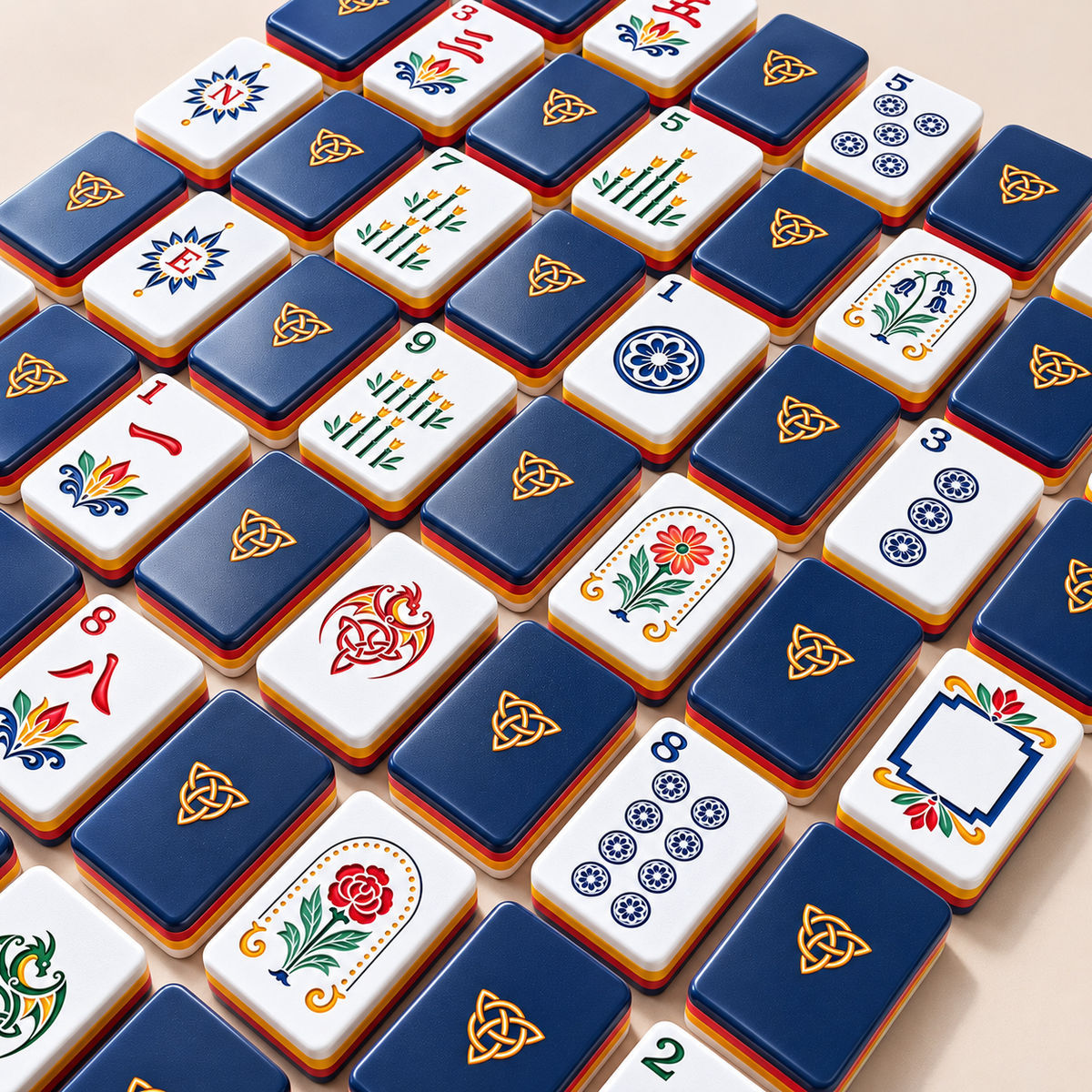
American mahjong has three non-negotiable rules that separate winners from frustration: (1) you can only expose pungs, kongs, quints, and sextets—never sequences like 1-2-3; (2) every hand must come from the current year's National Mah Jongg League card; (3) jokers can never be used as a single tile or a pair, only to fill gaps inside melds. Players hosting weekly games at home spend their first month learning these three things, then spend the next year mastering when to call early versus wait for a stronger hand, how to track discards so you know what others need, and when to pass tiles during the Charleston. A standard 160-tile American mahjong set from Mahstead includes all 152 playing tiles plus spares, enough for consistent home play without replacements for years. The most common beginner mistake is trying to make sequences work (they don't) or playing hands not on the card (automatic loss).
Why can't I make sequences like 1-2-3 in American mahjong?
American mahjong removed chows—sequences of consecutive numbers—entirely. Only three exposure types exist: pungs (three identical tiles), kongs (four identical), quints (five identical), and sextets (six identical). This is different from Chinese and Riichi mahjong, where 1-2-3 sequences are core play. Why? American mahjong was designed to be simpler and faster for home players who already knew the rules would feel foreign. Once you stop looking for sequences, the game clicks. Every exposed meld on the table must be a perfect match—no exceptions.

When should I actually call a tile from the discard pile?
Call early when two conditions are true: your hand needs only one tile to go mahjong, and that tile just hit the discard pile. If you call before that moment, you've locked your hand into one possibility and given opponents a warning. The smarter play is to fish—stay flexible with three or four possible winning tiles and wait for any of them to appear. Most home players call too fast because they get excited. Track which tiles each player is keeping after the Charleston, note what they discard, and you'll know who's looking for what. If it's your discard they want, change strategy.
🀄 Shop best-selling mahjong sets →
How do I read the NMJL card without freezing?
The National Mah Jongg League card is broken into sections by hand type: consecutive numbers, all one suit, sets of pairs, suited and unsuited combos. Each row is one valid hand. Start by looking at only your winning tile count—if you're one tile away, search the rows that match your pung/kong/quint count. Once you find a row that matches your exposed melds, verify every single suit and number before calling. Beginners waste 30 seconds per turn because they scan the whole card instead of filtering first. The card moves fast after three weeks of practice—experienced players can spot a hand in 5 seconds because they know which sections to scan first.
What tile-tracking mistakes kill your game the fastest?
You forget what was discarded, so you miss when someone else is close to mahjong. You pass identical tiles to one player in the Charleston when you're watching for them. You leave a dead tile on your rack (one already discarded by everyone) when no one can call it. You hold onto high-value honors when the card shows pairs are winning—forcing you to fish longer than necessary. The fix: after each hand, ask yourself "what did I discard that mattered?" and "did I miss calling because I wasn't paying attention?" Keep a small notepad during the Charleston to jot which player got which tiles so you remember trading patterns. Your memory improves week four.

How should jokers work in my hand strategy?
Jokers are wild only inside exposed melds—pungs, kongs, quints, and sextets. You cannot use a joker as a single tile, a pair, or a hidden tile in your hand. This means jokers help you call sooner if you're waiting for a meld to complete, but they don't let you fake a hand in your rack. A pung with one joker still needs two real matching tiles. Most home players waste jokers by holding them for a hidden tile, which violates the rule immediately. Instead, reserve jokers for filling the last meld of your hand—the one that makes everything match the card.
What does a beginner misunderstand about staying competitive?
Beginners think winning requires memorizing the whole card. Winners know the card by watching three weeks of hands and noticing patterns: all pairs often win early season, sextets appear mid-year, consecutive sets dominate late cards. You also beat skilled players by tracking discards ruthlessly—not in your head, but by positioning where each discard lands so you can glance back. If four players discarded all their Dragons in round one, you know no one's hand needs more. Many home games have house rules (two Charleston passes, joker rebates, no flowers) that change the math—confirm before round one starts. Never assume the rules are standard American; ask.
Comparison: Mahjong Set Features for Home Weekly Play
Feature | 160-tile acrylic set | What it means for you |
Durability | lasts 5+ years of weekly play | you won't need replacements anytime soon |
Tile count | 152 playing tiles + spares | spares replace cracked or lost tiles |
Size consistency | all tiles cut to the same dimension | no fumbling with mis-sized pieces |
Visibility of numbers | clear engraving on light backgrounds | faster card-reading under home lighting |
Storage | fits in a bag or case | easy setup and breakdown |
🎁 See our most-loved mahjong sets & accessories →
How does the Charleston fit into your tip-training?
The Charleston—the tile-passing ritual before each hand—teaches you three things: (1) how to read your initial hand quality in 10 seconds, (2) what your opponents value (watch what they pass back), and (3) when to hold onto tiles others want. During the Charleston, you pass 14 tiles left, then 14 right, then 6 across to your partner (American rules), watching what returns. If a player immediately passes back three similar tiles, they rejected that suit. If they hold onto something rare, mark it. The Charleston isn't just tradition—it's your intel window before play even starts.
What to check before you buy a set for home play
Tile size: confirm tiles fit comfortably in your hand (most standard sets are about 1 inch square)
Thickness: thicker acrylic tiles resist cracking under pressure on a hard table
Visibility: try reading numbers in lamplight before purchase if possible
Case style: racks with pushers matter more than sets alone for weekly games (keeps tiles upright and organized)
Spare count: confirm the set includes extra jokers so replacements exist if a tile cracks
Our best-selling collection includes sets designed for home players who host weekly games and need durability plus clear numbering for fast play.
✨ Find your Mahstead set — free US shipping →

FAQ
Can I use a joker as a single tile in my hand?
No. Jokers only work inside exposed pungs, kongs, quints, or sextets. Using a joker as a single tile, a pair, or a hidden tile in your rack is illegal and an automatic loss if caught.
What's the difference between American mahjong and Chinese mahjong?
American mahjong has no sequences (1-2-3 chows), uses only hands from the NMJL card each year, and requires exactly 152 tiles per game. Chinese and other variants allow sequences, have permanent hand lists, and often use 144 tiles with different calling rules.
How quickly should I call a discarded tile?
Call only when you're one tile away from mahjong and that specific tile just hit the discard pile, or when you complete an exposed meld and need to declare it legally. Calling too early locks your hand and tips off opponents.
Why does someone pass tiles back to me during the Charleston?
If a player passes back similar tiles you sent, they don't need that suit. This signals their hand's direction. Use this intel to avoid discarding tiles they might call.
Can I play American mahjong with only three players?
Yes, with modified rules. The four winds are reduced, hands are dealt differently, and scoring shifts—but the core rules (no sequences, NMJL card only, same joker rules) remain. Full 2 and 3 player rules are available here.
What happens if I can't find my hand on the NMJL card?
Your hand is not valid. Discard the tiles and end your turn. You cannot mahjong on a hand not on that year's card—this is the core rule of American mahjong.
Should I buy a mat or racks with pushers for home play?
Both. A mat gives you a clean playing surface and protects tiles; racks with pushers keep your 14 tiles organized and upright so you can see them easily. Home players use both together.
How long does it take to get good at American mahjong?
You'll know the rules in one session. You'll play competently by week three. You'll understand tile strategy and card patterns by week eight. Mastery takes a year of consistent weekly play.


View More
View More
View More
