
Riichi Mahjong for Beginners: Rules, Setup & First Game
Last updated: Nov 23, 2026
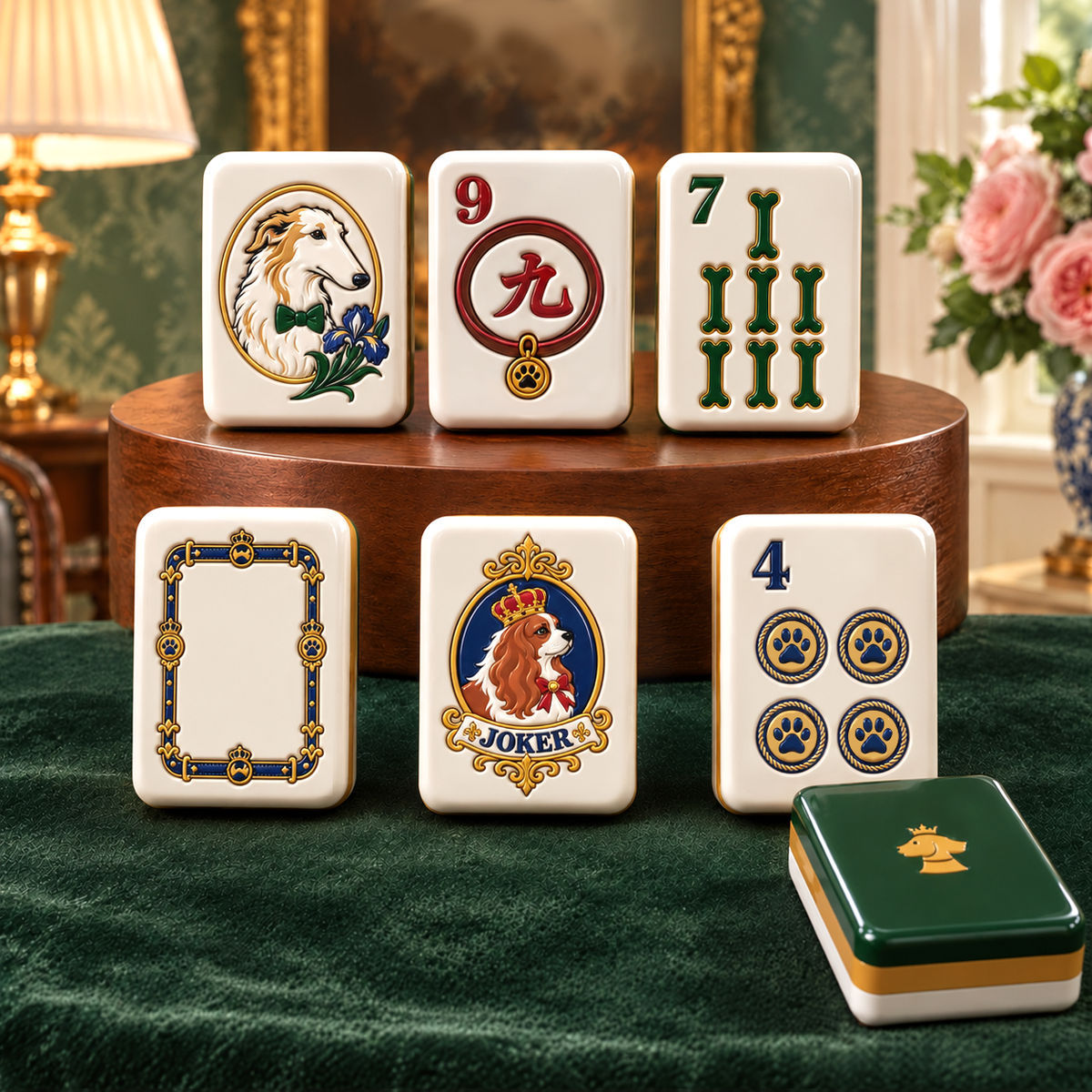
Riichi mahjong (also called Japanese mahjong or "modern mahjong") uses 136 tiles: three number suits (1–9, four copies each), seven honor tiles (four winds + three dragons, four copies each), plus one blank joker variant. Players draw and discard one tile per turn, announcing "riichi" when their hand is one tile away from winning and locked into a betting position. Winning hands consist of one pair plus four melds: triplets, sequences (unlike American mahjong, sequences are central here), or special patterns. A complete game takes 30–90 minutes depending on table speed. Riichi is faster and more psychological than American mahjong because you discard openly, tile reading is constant, and scoring depends on hand type and dice rolls. Many U.S. clubs and online communities host riichi games; Mahstead's best-selling American mahjong sets are designed for the 152-tile American game, so riichi players typically use dedicated Japanese sets or travel tiles, though the fundamentals—tile recognition, grouping logic, and tempo—transfer directly.
Is riichi mahjong easier than American mahjong?
Easier in some ways, harder in others. Riichi has no Charleston tile-passing ritual, no year-specific hand card to memorize, and only 136 tiles instead of 152, so setup is faster. But you must recognize sequences, track discards mentally, read your opponents' tile needs from open melds and discards, and make split-second decisions each turn. American mahjong lets you plan for 30 seconds per discard; riichi expects a move in 5–10 seconds. Most beginners find the rules easier but the pace and psychology steeper.

How do riichi hands differ from American mahjong hands?
The biggest difference: riichi hands require sequences (called chow or shuntsu—three consecutive numbers in one suit: 2–3–4 Dots, for example). American mahjong forbids sequences entirely; you can only build pungs (three identical tiles) or kongs (four identical). In riichi, a winning hand is one pair plus four melds that can be any mix of triplets and sequences. Scoring in riichi also depends on hand difficulty (a pair of honor tiles is worth more than a pair of number tiles) and a dice roll that multiplies your score. American mahjong scores are fixed by hand pattern on the card.
🀄 Shop best-selling mahjong sets →
What tile values and honors should beginners memorize first?
Start with the number suits: Bams (sticks), Craks (circles), and Dots, each numbered 1–9. Commit the honor tiles: four winds (East, South, West, North) and three dragons (White, Green, Red). White is equivalent to the American "Soap" tile—the zero. In riichi, honor tiles are always worth more when paired or in a triplet because sequences cannot be made from them. Beginners should drill recognition by laying out one suit at a time and calling each tile aloud until the names stick. Many riichi players use the same acrylic tiles and racks as American players, so familiarity with physical tile handling transfers immediately.
How does the turn structure work?
Each player's turn has three steps: (1) draw one tile from the wall, (2) decide what to claim from your hand or pass on draws/discards from others, and (3) discard one tile. When you discard, you place it in front of you; other players can call (claim) that tile if it completes a triplet (pung), a sequence (chow), or a winning hand (win). Calling a sequence interrupts turn order—the claimer melds the tiles, adds their own discard, and play resumes from them. This flow means riichi is live theater: every discard is a public bid for what you don't need, and experienced players read patterns instantly. Beginners should play slowly at first and narrate each step ("I draw, I check my hand, I discard the 7 Craks") to build rhythm.
What triggers riichi and how does it change the game?
Riichi is declared when your hand is one tile away from winning (tenpai) and you have no open melds (everything is hidden in your hand). You place a 1,000-point chip on the table, announce "riichi," lock your hand—meaning you can no longer change it—and wait. From that moment, the first winning tile you can legally claim ends the hand. Riichi signals to the table: "I'm close; be careful." It also multiplies your score if you win. The strategic tension is fierce: declaring riichi early telegraphs your shape and lets opponents defend, but waiting risks someone else declaring first and blocking your tile. Beginners often hesitate to riichi; experienced players use it as both an offensive weapon and a psychological bluff.
Riichi Hand Types vs. American Hands: A Quick Comparison
Element | Riichi Mahjong | American Mahjong | Impact for Beginners |
Tile count | 136 tiles | 152 tiles | Riichi is faster to sort; American requires more tiles to track |
Sequences allowed | Yes, core of the game | No, strictly forbidden | Riichi logic is "1-2-3, 4-5-6" building; American is "identical only" |
Hand setup | One pair + 4 melds | Pattern matches current year's card | Riichi is memorizable; American requires studying the card |
Winning declaration | Player calls or self-draws | Player calls "mahjong" | Riichi is reactive; American is pre-planned |
Scoring basis | Hand difficulty × dice roll | Hand pattern on card | Riichi rewards shape; American rewards card knowledge |
Game length | 30–90 minutes | 60–120 minutes typical | Riichi moves faster per hand |
Turn speed | 5–10 seconds typical | 30+ seconds per decision | Riichi demands quicker thinking |
How do you know if you're ready to win?
A winning hand is always: one pair + four melds. A meld is either a triplet (three of the same tile) or a sequence (three consecutive number tiles in one suit). Count your hand: if you have exactly 14 tiles arranged as one pair + four melds, you can win by drawing or calling any tile that completes one of those groups. Beginners should lay out potential hands face-up during practice to visualize the math: 1 pair = 2 tiles; 4 melds = 12 tiles; total = 14. Online simulators (search "riichi mahjong practice" on community sites or app stores) let you drill this silently before playing live.

What's a call, and when can you make one?
A call means claiming another player's discard before it reaches the center of the table. Three types exist: pung (triplet: you have two matching tiles, claim the discard to make three), chow (sequence: you have two consecutive tiles in one suit, claim the discard to extend them), and win (you complete your hand). For a triplet or sequence call, your melds show face-up, and your turn plays next. A win ends the hand immediately. Beginners often freeze when an opponent discards; a simple rule: if you have two tiles that can pair with the discard, you can call it. Hesitation costs the tile.
🎁 See our most-loved mahjong sets & accessories →
How do beginners avoid the most common mistakes?
Don't:
Discard high-value honor tiles early just because you don't need them yet; they can help four different opponents, so discard safer number tiles first.
Call a sequence (chow) if you're not certain of the math—a wrong call ends your turn and embarrasses the learning curve.
Ignore the discard pile; it's the game's memory. Track which suits and numbers are gone; this shrinks the odds of your winning tile appearing.
Rush riichi. Wait until your hand is locked and safe; premature riichi broadcasts your shape and gives opponents time to defend.
Mix up the three dragons. White (blank-faced) is the joker; Red pairs with Craks; Green pairs with Bams. Know them cold.
What to check before you buy a riichi mahjong set
Tile material: Are they acrylic, wood, or bamboo? Acrylic is durable and bright; wood feels premium and ages well. For beginners, acrylic is cost-effective and easy to clean.
Tile size: 25–28mm tiles are standard. Smaller hands or compact play spaces need smaller tiles; larger hands or older players often prefer 28mm.
Set completeness: Does it include racks with pushers? Pushers are not required but speed up play and keep your hand hidden—almost essential for riichi since your tiles face inward and opponents cannot see your melds' arrangement.
Tile markings: Are the numbers/suits clear? Gloss or matte? Glossy tiles are prettier but can slip; matte grips better.
Weight and storage: Does it come in a bag? For regular weekly riichi games, a padded travel bag prevents tile chipping.
How do you find a riichi mahjong group to join?
Search "riichi mahjong" + your city on Meetup or Facebook groups. University Go clubs, Japanese community centers, and anime conventions often host riichi tables. Online platforms (Tenhou, Mahjong Soul, Mjai) let you play remotely and learn without equipment cost. Many U.S. riichi players started with online play, then transitioned to live tables once they'd memorized tile names and basic hand shapes. A single 2–3 hour session at a club costs little to nothing; bring a notepad, ask for slower play, and observe one hand before sitting in.
Why choose riichi if you already play American mahjong?
Riichi sharpens pattern recognition and forces you to read discards faster. The constant decision-making (draw, claim, or pass?) keeps your mind engaged every second. Riichi also connects you to the global competitive mahjong scene; tournaments in Japan, China, and Europe use riichi rules. If you love American mahjong's social pace and hand memorization, riichi offers a competitive edge and a different social dynamic—less chatting during the hand, more intensity, faster table turnover. Many players play both; American mahjong on lazy weekends, riichi for tournament prep or when they want sharper play.
✨ Find your Mahstead set — free US shipping →
What to check before your first riichi game
[ ] Can you name all four winds and three dragons without looking?
[ ] Can you identify a sequence (1-2-3, 4-5-6) in each suit by sight?
[ ] Do you understand that one pair + four melds = winning hand?
[ ] Have you practiced a turn cycle (draw, meld/pass, discard) with someone?
[ ] Do you own or have access to a set with racks? (Racks hide your hand; riichi etiquette expects this.)
[ ] Have you watched one riichi hand online or live without playing?
[ ] Do you know the difference between a pung (triplet) and a chow (sequence)?
[ ] Have you agreed on house rules: Is abortive draw allowed? How many rounds?

FAQ
Can I use an American mahjong set to play riichi?
No. American sets have 152 tiles (extra honor/flower/joker tiles riichi doesn't use). Riichi needs exactly 136 tiles. Trying to play riichi with an American set will confuse tile counts and hand math. Buy a dedicated 136-tile riichi set.
How long does it take to memorize riichi tile names?
Most beginners recognize all 34 unique tile types within 3–4 play sessions (6–12 hours live). Naming them aloud during practice (saying "1 Dot," "East," "Green dragon" each time you touch a tile) accelerates this. Online simulators can cut the timeline to 1–2 weeks if you play 30 minutes daily.
Is riichi played competitively, or just casually?
Both. Casual riichi games happen at clubs and homes worldwide; competitive riichi has ranked tournaments, professional players, and betting in Japan. U.S. riichi players range from weekly hobbyists to online tournament grinders. Beginners start casual and choose their depth.
What's the difference between riichi and other Japanese variants like Dora or Open Mahjong?
Riichi is the most common modern Japanese mahjong variant. Dora is a scoring element (bonus tiles) within riichi, not a separate game. Open mahjong reveals one tile during play. For beginners, "riichi" usually means standard modern Japanese mahjong; ask your group what house rules they use before sitting down.
Do I need racks with pushers, or can I hold my tiles in my hand?
You can hold them, but riichi etiquette and speed favor racks. Racks keep your tiles facing inward (hidden from opponents), organize your melds clearly, and free your hands for faster play. For weekly casual games, hand-play is fine; for club play or any competitive vibe, use racks.
If I learn riichi, will I forget American mahjong?
No. The tile names and suits are identical; the logic differs (sequences vs. pungs, turn speed vs. planning time). Most players switch between both without confusion. If you learned one first, switching to the other usually takes one session to re-acclimate.


View More
View More
View More
