
Where to Play Mahjong in Hilton Head: Local Options & Game Setup
Last updated: Nov 23, 2026
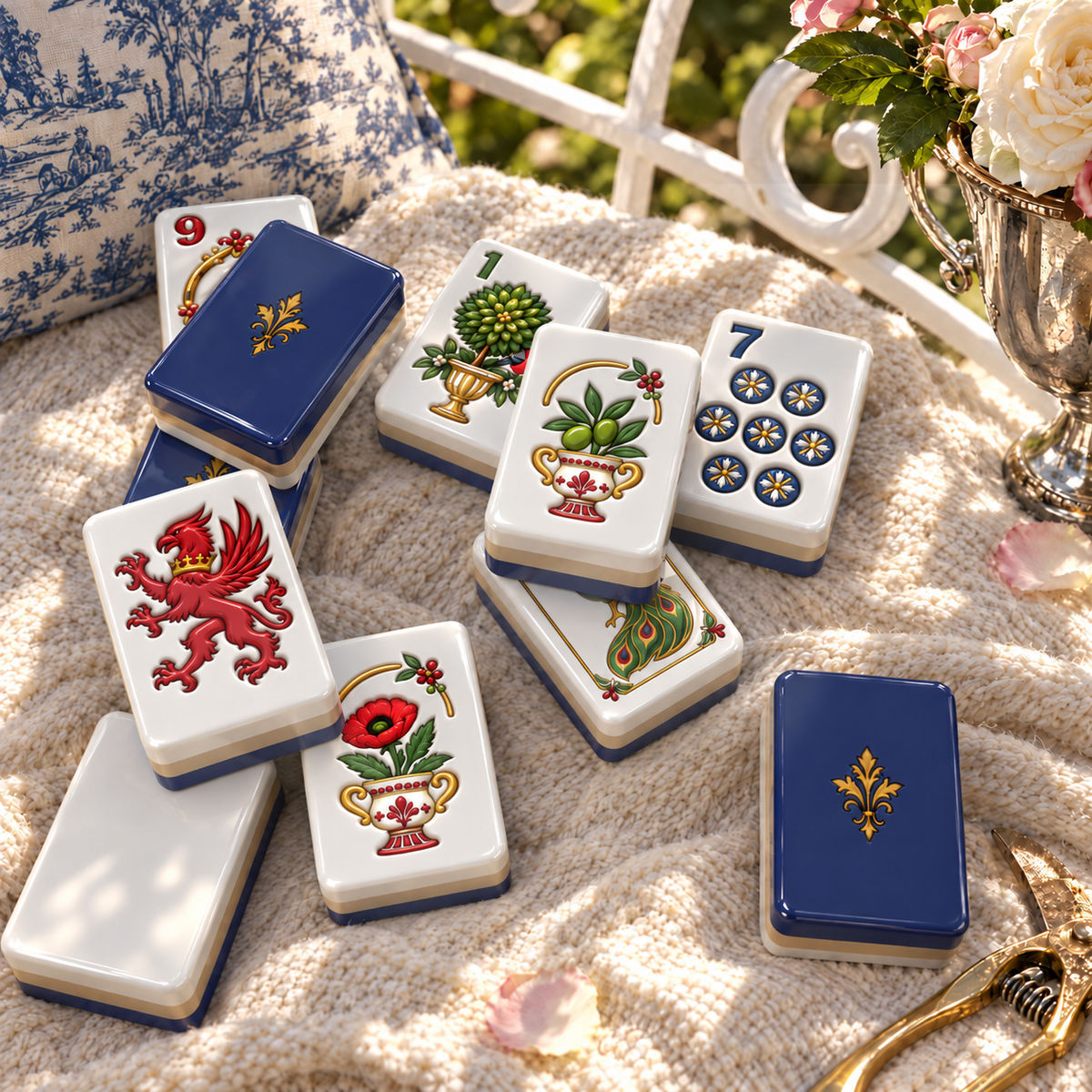
Hilton Head mahjong players connect mainly through senior living communities, country clubs, recreation department classes, and informal neighborhood groups rather than formal dedicated clubs. Start by calling your local parks and recreation office, asking at community centers, and posting on neighborhood Facebook groups or Nextdoor—many Hilton Head residents play but organize casually. If no open game exists, hosting your own weekly four-player game is straightforward: you need a 160-tile American mahjong set, a mat, four racks with pushers, and access to the current National Mah Jongg League card (free online). Most games happen Thursday or Friday evenings in homes or clubhouse card rooms. Check Meetup.com for regional Lowcountry groups, and don't overlook synagogues and Jewish community centers, which often host mahjong leagues. Mahstead's best-selling mahjong sets ship free across the US and work perfectly for hosting your first regular game. 🀄 Shop best-selling mahjong sets →
Where do most Hilton Head players gather?
Hilton Head's mahjong scene clusters in three settings: active-adult communities (often 55+ residential enclaves with on-site card rooms), country club game rooms, and home-hosted weekly groups. Many players meet through connections at beach clubs or neighborhood associations rather than public venues. Call the Hilton Head Recreation Department or check the city's community education catalog—they occasionally offer mahjong beginner sessions. Jewish Community Center facilities in the Lowcountry sometimes host open games or can refer you to active players. Your best entry point is asking friends already retired or semi-retired in the area; word-of-mouth networks run most casual games here.

How do I start my own game if I can't find one?
Hosting requires four committed players, weekly scheduling, and basic equipment. Post on Nextdoor, neighborhood email lists, or Facebook groups like "Hilton Head Residents" or "Lowcountry Retirees"—phrase it: "Looking for four mahjong players for weekly Thursday evening game. Beginners welcome." Set a regular time (8–10 pm one night weekly works best) and location (rotate homes, or use a clubhouse). You'll need one 160-tile set, one mat, four racks with pushers, a copy of the current National Mah Jongg League card (download free from the NMJL website), and a notebook for scorekeeping. Start with simplified rules or learn the full game first. Most new games in retirement communities catch fire fast—one established group often attracts others looking for a spot. Once you have steady players, invest in a mat; it speeds up play and protects tiles.
What equipment do I need for hosting a regular game?
Here's what separates a casual one-off from a playable weekly:
Item | Why It Matters | What to Look For |
160-tile set | Playing set + spares; never 144-tile | Acrylic durable; engraved tiles readable |
Mat | Centers tiles, speeds play, protects table | Non-slip, 24–30" diameter, washable fabric |
4 racks with pushers | Organizes hands, reduces setup time | Angled, joker-capable, lightweight |
Current NMJL card | Required; changes yearly each spring | Free download; print or laminate |
Dice or digital timer | Fair wall selection | Standard red/white or phone app |
Scorekeeping sheet | Tracks rounds and totals | Pad or spreadsheet template |
Beginners often skip the mat and racks, then regret it after two weeks—tiles scatter, hands take 5 minutes to arrange, and playing on bare wood damages tile backs. Our best-selling sets come with mats and racks or pair well with them. A quality mat—even a basic one—transforms hosting from chaotic to smooth. Racks reduce tile-handling errors and speed up the Charleston, the pre-game tile pass that sets up every hand.
🎁 See our most-loved mahjong sets & accessories →

How do I recruit and teach players?
Hilton Head attracts retirees with spare time—one of the best audiences for growing a game. Invite friends for a "no-stakes trial evening," provide snacks, and explain that American mahjong follows a card that changes yearly, so there's always something new to learn. Most newcomers catch the rhythm within two to three hands. Use the first session to teach the Charleston, tile recognition, and how jokers work—skip scoring rules that first night. Have printouts of the current National Mah Jongg League card at every seat; players reference it constantly. Once you have four reliable players committed to the same night weekly, morale stays high and the game becomes self-sustaining. Many Hilton Head groups add a small pot (a dollar or two per hand, winner takes the round) to add stakes without serious money at risk—check local regulations first. The social ritual matters more than dollars: mahjong is a two-hour conversation that happens to involve tiles.
What should I know about playing in Hilton Head specifically?
Hilton Head's climate, property rules, and player demographics shape how you host. Humidity can warp low-quality tiles and mats—buy acrylic tiles and sealed mats to avoid swelling. Many homes and clubs have strict quiet-hour rules (especially in 55+ communities), so confirm game time won't disturb neighbors or building policies; most 7–10 pm slots work fine. Snowbird traffic means rosters shift seasonally—expect players to leave December through March and return April onward. Build flexibility into your group. Hurricane season (June–November) can interrupt regular games; plan indoor backup venues. Hilton Head players are often affluent retirees with time and hospitality mindset—hosting rotations, snack coordination, and travel considerations matter. Some groups play for micro-stakes or charity; others pure for fun. Agree on this upfront. Finally, the barrier island location means tiles and equipment can sit in car trunks; store mats and sets in climate-controlled spaces to prevent damage. Mahstead's travel bags protect sets during the short drive between homes.
✨ Find your Mahstead set — free US shipping →
What to check before you buy your first set
Size and durability: American mahjong sets are standardized at 160 tiles (152 playing tiles plus spares). Acrylic tiles last decades; resin or wood degrade with humidity and regular shuffling. Test tile weight—heavy tiles feel premium but tire hands during long games.
Readability: Engraved suits (Bams, Craks, Dots) with painted fill must be legible across a 30-inch mat from multiple angles. Avoid sets with faint or inconsistent printing.
Completeness: Confirm the set includes racks and pushers, or budget separately. A mat is negotiable for the first few games but essential by week four.
Storage: Do the racks fit snugly in the box, or will tiles rattle loose? Will you store it in a closet, under a bed, or a climate-controlled room?
Mat dimensions: Measure your table; a 28-inch mat fits most dining tables without overhang. Larger than 30 inches requires a dedicated mahjong table.
For a Hilton Head home game, choose a set that handles humid air—our best-selling collection uses sealed acrylic tiles and includes sealed storage, ideal for the Lowcountry climate. Pair it with a durable mat and racks with pushers rated for regular play.

FAQ
Is there an official mahjong club or league in Hilton Head?
No single dedicated league operates in Hilton Head, but active-adult communities often host regular games. Contact the Hilton Head Recreation Department or local senior centers; many coordinate informal leagues that welcome newcomers. Nextdoor and Facebook groups connect private home-game groups.
What does American mahjong cost to play?
Most Hilton Head home games are free or play for micro-stakes (a dollar or two per hand). Formal league tournaments may charge entry fees; check with your local community center. Equipment investment ranges from one-time cost if hosting; players typically split costs or one host provides the set.
Can I play mahjong online with Hilton Head players?
Yes. Platforms like Mahjong Time, Pogo, and dedicated apps let you play 24/7. However, American mahjong is less common online than Chinese or Riichi variants—verify which version a site offers before joining.
Do I need to know how to play before showing up to a game?
No. Most Hilton Head groups welcome beginners and teach as you play. Arrive 15 minutes early and tell the host you're new; experienced players will guide you through the Charleston and hand recognition. Read our mahjong for beginners guide to reduce anxiety on your first night.
How often do Hilton Head mahjong groups meet?
Most established groups meet weekly on the same night—Thursday or Friday evenings are common. New groups sometimes start bi-weekly to find steady players, then move to weekly once momentum builds. Some play every weekday morning in retirement communities.
What's the best way to find a game if I'm new to Hilton Head?
Post on Nextdoor or neighborhood Facebook groups. Ask at your country club, synagogue, or community center. If no game exists, host one—Hilton Head has enough retirees that interest spreads fast once word gets out.


View More
View More
View More
