
Hu in Mahjong: Meaning, Points & How to Win
Last updated: Nov 23, 2026
In American mahjong, "hu" (胡) is the call you make when your hand is complete and matches one of the legal patterns printed on that year's National Mah Jongg League card. A hu hand contains exactly 14 tiles arranged into melds (pungs, kongs, quints, sextets) plus one pair, or special patterns like all honors or all flowers. The winning player scores points based on their hand's point value on the card, multiplied by the difference between their hand and what they drew (usually ×4 for a draw, ×6 for a self-draw, ×8 for a discard). Points aren't fixed across hands — they depend on the card pattern's listed value, the method of win, and whether you claimed tiles on your turn or drew from the wall.
What does "hu" actually mean in American mahjong?
"Hu" is simply the winning call—it signals that your 14 tiles form a legal, complete hand. In American mahjong, a hu hand must match one exact pattern from the current year's card. You can't declare hu on any combination you like; the pattern must appear on the card as a valid winning hand. Saying "hu" at the table tells other players the game is over and your hand wins.

How is a complete hu hand structured?
Every hu hand has the same tile structure: four melds plus one pair, totaling 14 tiles. A meld is either a pung (three identical tiles), a kong (four identical), a quint (five identical), or a sextet (six identical). The pair is always two identical tiles. For example, a hand might have three 5 Dots, four 8 Craks, five 2 Bams, six White dragons, plus two 1 Dots as the pair—all drawn from the 152-tile set with standard compositions. Special hand types like all flowers, all honors, or all pungs follow the same 4+1 structure but with tiles from specific groups.
How do points get calculated after you call hu?
After you declare hu, your score depends on three factors: the hand's base point value (listed on the card), the method of win, and the tile count. The base value might be 30 points, 40 points, or higher. Then you multiply by your win method: ×4 if you drew a tile yourself from the wall, ×6 if you drew from a discard (called), and ×8 if another player discarded into your hu (you didn't draw at all). This is why the same hand pattern can pay different amounts—drawing yourself pays the least; a discard that goes directly into your hand pays the most. When scoring, keep how American mahjong scoring works close at the table—mistakes compound quickly.
What's the difference between hu and the patterns on the card?
The card issued each spring by the National Mah Jongg League lists hundreds of legal hu patterns. You can only win on a pattern that appears on that year's card. Two key rules: (1) the pattern must match exactly—tile numbers, suits, and hand structure must align; (2) the card shows the base point value for each pattern, which you then multiply by your win method. Beginners often think any four melds plus a pair wins; actually, only the card-listed patterns count. This is why reading the card correctly is critical. If you're new to the card format, learn how to read the mahjong card for step-by-step guidance.

How does hu differ across mahjong variants?
American mahjong's hu system is distinct. In Chinese mahjong, hu can be called on patterns not fixed by an official card—the rules allow more flexibility and often let players create their own winning combinations. In Hong Kong mahjong, hu follows a more rigid traditional structure but differs from American in which melds and pairs are legal. Riichi mahjong (Japanese) uses completely different hand structures and scoring rules called "yaku." Taiwanese mahjong has its own point system and pattern library. American mahjong's defining feature is the annual card—no card, no game. The card changes yearly, which keeps American players learning and competing fairly across clubs.
Variant | Hu Pattern Source | Point Calculation | Flexibility |
American | Annual card only | Base × method (×4/×6/×8) | Rigid—card patterns only |
Chinese | Player-agreed rules or classic combos | Hand type × multipliers | Flexible—varies by region |
Hong Kong | Traditional hand lists | Hand type + tile bonuses | Traditional, less flexible |
Riichi (Japanese) | Yaku combinations | Fu × Han × base | Structural; hand-type driven |
Taiwanese | Regional card or ruleset | Varies widely | Local variation |
🀄 Shop best-selling mahjong sets →
What mistakes do players make when calling hu?
The most common error is calling hu on a pattern you think matches when it doesn't appear exactly on the card. Always check the card first—don't assume. Second mistake: miscounting your multiplier; remember ×4 for a drawn win, ×6 for a called tile, ×8 for a discard. Third: forgetting that jokers can't be used in pairs or single tiles, only in melds—this blocks some hand patterns. Fourth: not verifying you have exactly 14 tiles and four melds plus one pair before declaring hu; miscounts are embarrassing and costly. Finally, never call hu if you're unsure the pattern is on the card. Pause, check with another player, or ask the scorekeeper. It's better to be cautious than to call a dead hand and lose the round.
What should you check before hosting your first hu-based game?
Before sitting down, confirm everyone has the current year's card—using last year's card will create scoring disputes. Verify your tile set is complete: 152 playing tiles plus extras in your best-selling American mahjong sets. Choose whether you'll play strictly (card-only hu) or house rules (some groups allow minor variant patterns; agree in advance). Set a scoring agreement upfront: who keeps score, does a hu end the round immediately, and what happens if two players draw the winning tile simultaneously. Ensure everyone knows the joker rule: jokers substitute for tiles in melds but can't form pairs. If players are new, run a practice hand without betting so everyone understands the flow. Having a clear mat and well-organized tiles on organized mahjong racks with pushers helps players spot their own hu faster.
🎁 See our most-loved mahjong sets & accessories →
How do you practice recognizing valid hu hands?
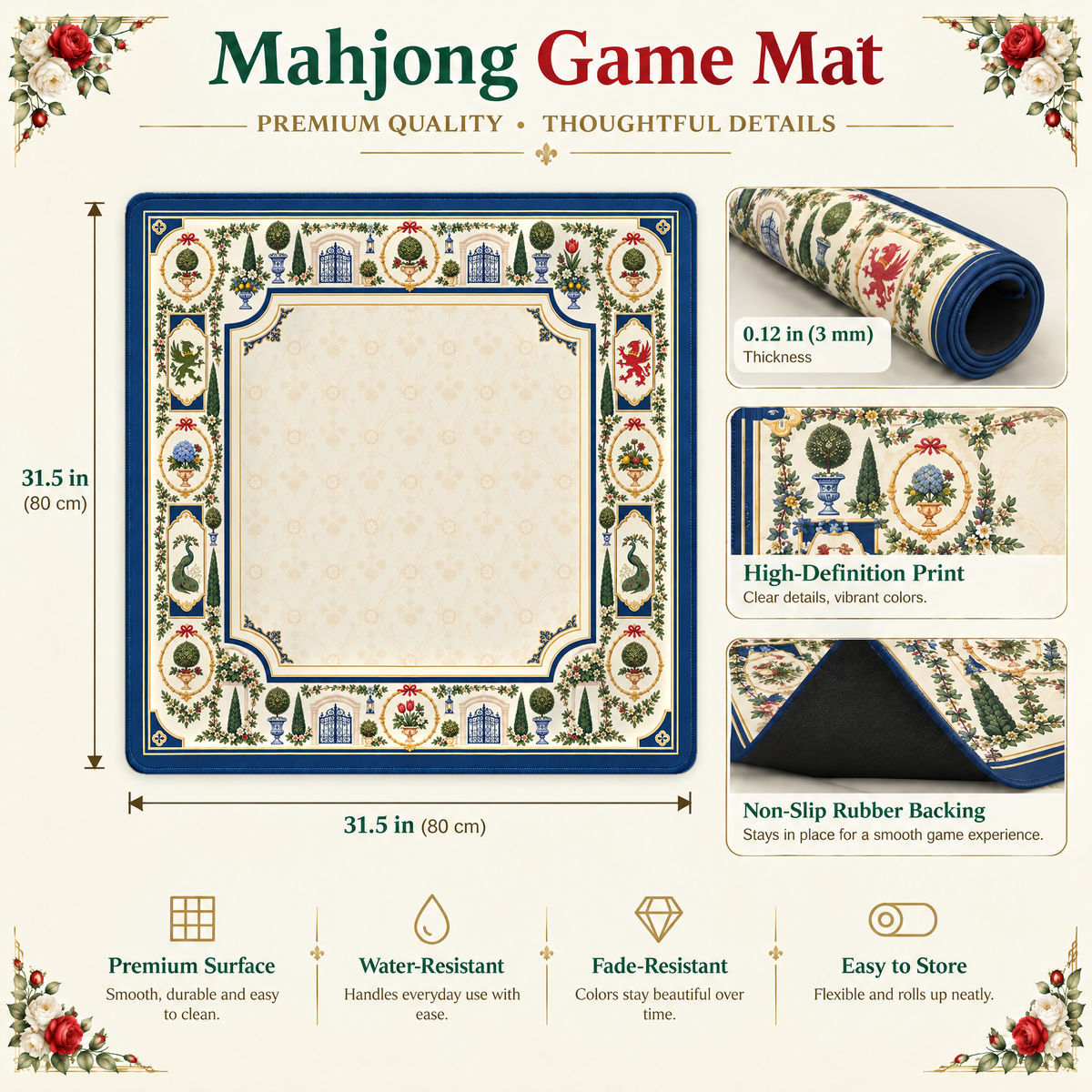
Study the card daily for 10 minutes—pick a section (numbered hands, honor hands, flower patterns) and memorize 5–10 patterns. When you play, pause before declaring hu and trace your four melds and pair against the card; say them aloud to a partner. After each game, review the winning hands on the card and note which ones you saw played. Join a weekly game at a community center or library—experienced players spot hu patterns faster and will coach you. Use a mahjong mat that gives you room to lay tiles out and compare them visually to the card. The more you see real hands at the table, the faster your eye trains to recognize patterns. Many players keep a personal note of frequent patterns they play, which speeds up recognition over time.

FAQ
Can I call hu on any four melds and a pair?
No. Only patterns printed on the current year's National Mah Jongg League card count as legal hu. The card is the sole source of valid winning hands in American mahjong.
What's the fastest way to calculate hu points?
Locate your pattern on the card, read its base point value, then multiply by your win method: ×4 if you drew, ×6 if you called a tile, ×8 if a player discarded into your hand. Write it down immediately to avoid disputes.
If I draw the last tile from the wall and complete a hand, is that hu?
Yes, if the hand matches the card. Drawing from the wall is worth ×4 multiplier. If no tiles remain and no one discards into your hand, that draw is still valid and the game ends.
Can jokers be used in the pair of a hu hand?
No. Jokers can only substitute for tiles inside melds (pungs, kongs, quints, sextets). Pairs must always be two identical regular tiles.
Do all hu hands on the card have the same point value?
No. Each pattern has its own base point value listed on the card. Some hands are worth 30 points, others 40, 50, or higher depending on difficulty and rarity.
What happens if I call hu and my hand doesn't match the card?
You have called a "dead hand." House rules vary—some groups penalize you; others simply pass the play to the next player. Agree on your group's penalty before the game starts.
How often does the National Mah Jongg League card change?
Every spring (roughly March/April). A new card is issued each year with updated patterns. Always use the current year's card during competitive play.
Is hu the same in Chinese and American mahjong?
No. Chinese mahjong hu is based on traditional hand types and player-agreed rules; American hu must match only the official annual card. The structures and point systems differ significantly. --- ✨ Find your Mahstead set — free US shipping →


View More
View More
View More
