
Resin vs Plastic Mahjong Tiles: Which Should You Buy?
Last updated: Nov 23, 2026
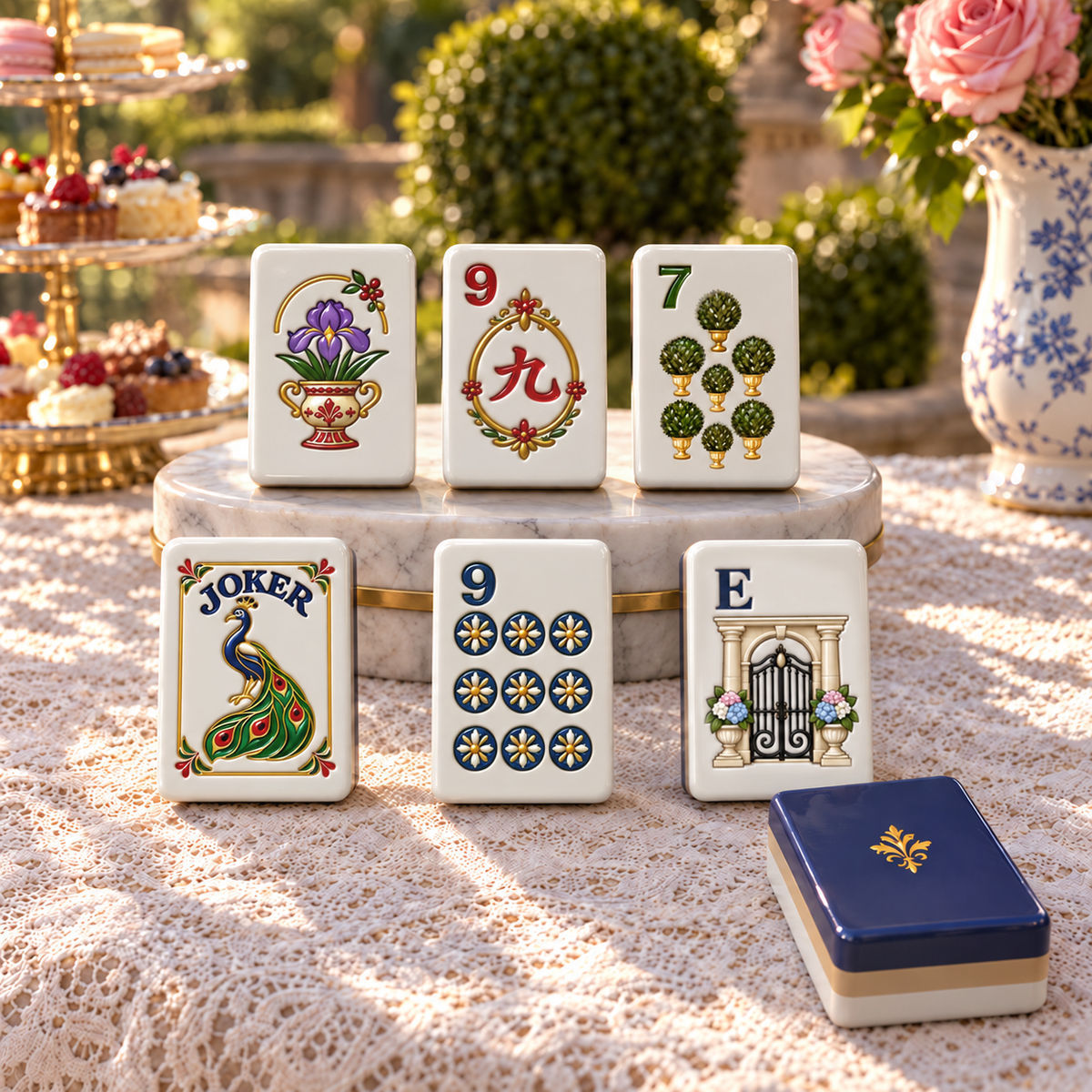
Acrylic resin and plastic tiles are the two main materials for modern American mahjong sets. Resin tiles—precision-cast and hand-finished—offer superior weight, chip resistance, and a professional feel; they cost more upfront but last decades with minimal wear. Plastic (injection-molded) tiles are lighter, affordable, and durable enough for casual weekly play, though they can show scratches and feel hollow over years of shuffling. A standard American mahjong set uses 152 playing tiles plus 8 jokers. Resin sets from Mahstead's best-selling collection tend to ship fully assembled; plastic sets are equally playable but require realistic expectations about longevity and tactile feedback. Choose resin if you host tournaments or play multiple times weekly; choose plastic if you're new, budget-conscious, or play socially a few times monthly.
What makes resin tiles feel so different?
Resin tiles are cast from liquid polymer, then trimmed and hand-finished. They're denser, heavier (closer to traditional bone and bamboo), and produce a satisfying clack when shuffled or discarded. The weight slows tiles mid-shuffle, reducing spills and giving each move deliberate feedback. Over five years of weekly play, a resin set shows only minor cosmetic marks; the engravings stay crisp and legible. That heft and consistency is what serious players feel the moment they touch a set—and why resin sets command a following among competitive groups.
Plastic tiles are injection-molded in a mold under heat and pressure. They're lighter, faster to manufacture, and less expensive because the mold is reusable and the material costs less per tile. They feel slightly hollow and can rattle if stacked loosely. Shuffling plastic produces a lighter, higher-pitched sound. After two to three years of heavy use, scratches accumulate in the tile faces, making some suits harder to read at a glance, especially in dim light.
🀄 Shop best-selling mahjong sets →

How do price and lifespan compare?
Resin tiles cost more per set because casting, trimming, and hand-finishing each tile takes time and skill. However, a resin set purchased today will likely still be played in 10+ years with only cosmetic wear; the engravings won't fade, tiles won't become brittle, and weight loss is negligible. If you play weekly, that amortizes to just a few cents per game over a decade.
Plastic sets are cheaper to buy but have a natural lifecycle. Most casual players report three to five years of satisfactory use before readability and shuffleability decline noticeably. If you play twice a month, a plastic set might last longer in practice; if you host weekly tournaments, you'll replace it sooner. The real cost difference narrows when you factor in replacement cycles.
Material | Upfront Cost Basis | Lifespan (Weekly Play) | Best for | Hidden Cost |
Acrylic resin | Higher per set | 10+ years | Serious players, groups | Minimal replacement |
Injection plastic | Lower per set | 3–5 years | Casual, learning, backup | Replacement every 5 years |
What should you notice when comparing online?
When shopping, look for these specifics in product images and descriptions:
Tile weight: Resin tiles should feel dense and not rattle in the box. Plastic tiles are noticeably lighter and may shift during shipment.
Engravings: Resin tiles show crisp, deep character markings and suit symbols that won't fade. Plastic may have shallower or painted engravings that can wear off.
Edge finish: Resin tiles are typically beveled or smoothed to prevent sharp edges and chipping. Plastic tiles sometimes have rougher mold seams that need filing before first play.
Face uniformity: All resin tiles should have consistent color and gloss. Plastic may show minor color variation between batches or mold halves.
Sound: If the seller includes audio, resin produces a clear, satisfying clack; plastic sounds lighter and more hollow.
Jokers: Both materials should include 8 jokers (blank or specially marked). Check the product count: a standard 160-tile set contains 152 playing tiles plus spares.
Ask the seller: "Are all 152 tiles identical in weight and thickness?" Resin sets should answer yes without hesitation. Plastic sets may have slight tolerance variation.
🎁 See our most-loved mahjong sets & accessories →

When should you choose plastic over resin?
Plastic is the right choice if you're learning American mahjong for the first time. You want to confirm you'll enjoy the game before investing in a premium set, and plastic lets you play a full, authentic game at a lower entry price. A beginner-friendly plastic set is perfectly functional for understanding hand patterns, the Charleston, and how jokers work.
Plastic also makes sense if you play casually—once or twice a month, in a relaxed home setting—and don't mind replacing the set in three to five years. Some groups keep a plastic set as a travel backup or teaching set, reserving the resin set for serious games.
If you live in a humid climate or store tiles in fluctuating temperatures, plastic's stability may actually be an advantage; resin can absorb moisture over years, though this rarely causes play issues.
When should you splurge on resin?
Invest in resin if you host weekly games, play in a regular group, or care about the tactile experience of the tiles themselves. Resin sets often come with matching mats and racks with pushers, creating a cohesive, professional table that signals respect for the game and your guests. Serious players notice the difference immediately and return to the same set week after week.
Resin is also the right call if you want custom engraving—initials, a group name, or a special date. Hand-finishing allows for precise custom work, whereas plastic molds are set before production and typically won't accommodate personalization at the tile level. If you're buying a set as a lasting gift or legacy item, resin is the only choice; it will be played and treasured for decades.
Tournament groups and clubs almost exclusively use resin because the consistent weight and sound eliminate variables during scoring and shuffling disputes. If you ever want to join a competitive league game, your home set should match that standard.
✨ Find your Mahstead set — free US shipping →
What to check before you buy
Count the tiles: Confirm the set includes 152 playing tiles (36 Bams, 36 Craks, 36 Dots, 16 Winds, 12 Dragons, 8 Flowers, 8 Jokers) plus spares. The National Mah Jongg League card requires exactly 152 tiles in play.
Check the material label: The product page should clearly state "acrylic resin" or "injection-molded plastic." If it says "PVC" or "ABS," that's plastic. If it says "cast acrylic" or "resin," it's resin.
Inspect shipping protection: Both materials need padding. Resin tiles are denser and less likely to crack, but corners can chip if boxes shift. Plastic tiles are lighter but can warp if exposed to heat during transit.
Test one tile before committing: If buying in person, hold a tile and listen to it tap on the table. If ordering online, ask the seller about their return policy if the set feels different than expected.
Plan storage: Keep either material in a dry, temperature-stable place. Extreme cold or heat won't damage tiles, but humidity over years can slightly warp a set if stored long-term in an uncontrolled garage.
Factor in accessories: A resin set often pairs well with a mahjong mat and racks with pushers. Plastic sets usually work with any mat and rack, so bundle smartly based on your budget.
Resin and plastic each serve a real purpose. The choice depends on your commitment level, budget, and how often you'll shuffle a set in your hands. Either way, you'll play the same game, follow the same rules, and spend time with people you care about. That's what matters most at the table.

FAQ
Can you mix resin and plastic tiles in one set?
Technically yes, but we don't recommend it. Mixed materials feel inconsistent during shuffling, and tile weight differences can affect draw randomness and table fairness during serious play.
Do resin tiles yellow or discolor over time?
Quality acrylic resin resists yellowing when stored indoors away from direct sunlight. Decades-old sets can remain bright; fading is extremely rare and usually only visible in tiles stored in sunny windows for years.
Are plastic tiles safe for children?
Yes. Both resin and plastic mahjong tiles are non-toxic. Plastic tiles pose no choking hazard for adults or older children; they're solid, not hollow, and won't break into small pieces under normal play.
How do I know if a set is "hand-finished" versus mass-produced?
Hand-finished resin sets typically show individual variation in gloss and beveling—a sign of care. Photos should show smooth, consistent edges on every tile. Mass-produced plastic sets are uniform by design but may have visible seams or mold marks.
What's the difference between a 152-tile and 160-tile set?
A standard American game uses exactly 152 tiles. A 160-tile set includes 152 playable tiles plus 8 spare tiles (extra jokers or blanks) for replacement if a tile gets damaged. You never add the spares to active play.
Should I buy resin if I only play twice a year?
Not necessarily. Plastic is fine for occasional play. Resin makes sense if you want a set that feels premium, looks elegant on display, or you expect to play more frequently in the future.


View More
View More
View More
