
Mahjong Tournaments in Westchester: Find Games & Join Events
Last updated: Nov 23, 2026
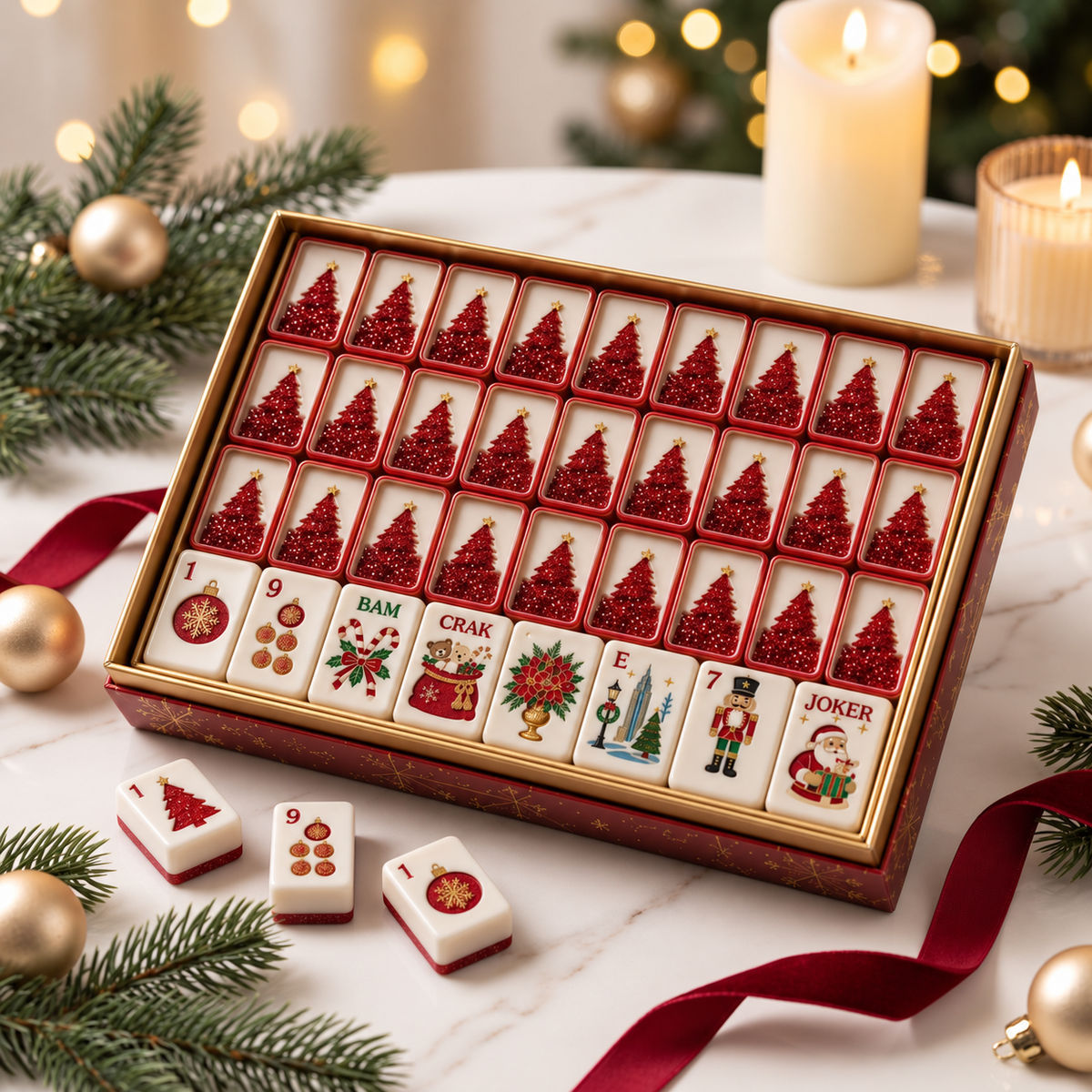
Westchester County supports mahjong tournaments primarily through community centers, synagogues, country clubs, and adult recreation departments in towns like Yonkers, White Plains, New Rochelle, and Scarsdale. Most tournaments follow American mahjong rules (152 tiles, current year's National Mah Jongg League card), run eight to sixteen players per event, and charge minimal entry fees. Games typically last two to four hours with scoring handled via the official card. Winter and spring draw the largest tournaments; registration opens online through municipal websites or word-of-mouth through existing local mahjong groups. New players should arrive with a mahjong set from our best-selling collection, know basic hand-reading, and understand the Charleston tile-pass. Ask at libraries, community centers under "adult enrichment," or local Jewish community organizations—they maintain current schedules and can connect you with established players.
Westchester mahjong tournaments blend serious competition with social tradition. Whether you're new to American mahjong or a seasoned player moving to the area, finding the right event and preparing properly makes the difference between a frustrating first outing and a welcoming introduction to the local scene.
Where do most Westchester mahjong tournaments happen?
Community centers and parks departments run the largest public tournaments. Check Yonkers Parks & Recreation, White Plains Recreation, New Rochelle Parks, Scarsdale Community Center, and similar departments—they post schedules online under "adult games" or "enrichment activities." Synagogues with established sisterhoods often host monthly or seasonal tournaments; call ahead to confirm you don't need to be a member. Country clubs and private clubs occasionally open tournaments to non-members for a modest fee; your municipal recreation coordinator can usually point you to these. Libraries sometimes promote tournaments or host groups that organize games.
The word-of-mouth network is real: players at one tournament usually know the next three events and invite newcomers. Don't skip asking regulars.

What's the typical tournament format in this region?
Westchester tournaments most often use round-robin or Swiss-system scoring over 4–6 rounds, with four players per table. Each round is one complete game (typically 30–45 minutes). Final standings are calculated by total points across all rounds. Entry fees are usually small enough to cover minimal prizes or snacks; organizers post details on signup sheets or websites. Prizes often go to top three finishers, though some tournaments reward everyone for attendance.
American mahjong rules apply: you must play only hands on the current year's National Mah Jongg League card, and the Charleston (three-pass tile exchange) happens before the first hand. Expect organizers to have a supply of spare jokers and tiles; you don't need to bring your own unless you prefer the security of personal equipment.
🀄 Shop best-selling mahjong sets →
Do beginners play in Westchester tournaments, and how do I get ready?
Yes. Most tournaments include a beginner or "learning" table, though smaller events mix all levels. To prepare: learn how to play American mahjong thoroughly—particularly how to read the mahjong card and how the Charleston works. Attend a casual weekly game first if you can; community centers and libraries often list drop-in games where house rules are flexible and veterans help newcomers learn without pressure.
Practice recognizing pung (three identical tiles), kong (four), and quint (five) patterns so you spot them fast during play. Understand how jokers work in American rules—jokers can only be used in exposed melds, never in pairs or single tiles. Bring a pen and paper for score-keeping or ask the table scorer for help. Most tournament players are generous with beginners and will explain rulings calmly.
What equipment should you bring to a tournament?
You need one American mahjong set in good condition—tiles should be readable and not chipped. Many Westchester tournaments provide house sets, but bringing your own acrylic set (which travel well and last years) shows respect and ensures you're comfortable with the tile weight and feel. A mahjong mat protects your tiles during shuffling and keeps play tidy; most organizers don't require one, but serious players bring them for consistency. Mahjong racks with pushers are optional at most tournaments—house racks are usually available—but if you own a set with personal racks, bring them.
Bring a small notebook or use your phone to record scoring, house rules, and organizer contact info. Wear comfortable clothes; games run 2–4 hours and tables can be cool or warm. A small snack or water bottle is always welcome, but check with the organizer first.
🎁 See our most-loved mahjong sets & accessories →

How do you find and register for upcoming tournaments?
Search "[your town] mahjong" or "[your town] recreation mahjong" online; most municipal recreation sites list current-season events. Call or email the parks department to ask about mahjong tournaments or clubs—staff can forward you to organizers. Join Meetup groups for Westchester mahjong; several active groups post weekly game locations and upcoming tournaments. Ask at libraries if they maintain a bulletin board for community games.
Once you identify a tournament, registration is usually informal: show up early (15–30 minutes before start time), pay a small fee in cash, fill out a quick form, and wait for organizers to assign tables. Some events accept online preregistration via municipal websites or email; confirm this when you first find the event. Bring cash unless the listing explicitly states online payment is required. Ask the organizer for the National Mah Jongg League card if you don't own one—most tournaments have extras available.
Preparation Checklist | Why It Matters | Timeline |
Know American mahjong rules and hand-reading | Avoid slowing the table or misunderstanding scoring | 2–4 weeks before |
Own or borrow a complete 152-tile mahjong set | Familiarity boosts confidence; house sets can vary in feel | 1–2 weeks before |
Attend one casual weekly game if possible | Builds skills in a low-pressure setting | 1–2 weeks before |
Locate the venue and confirm start time | Arrives early; organizers often start promptly | 3–5 days before |
Bring cash, notepad, and a current NMJL card or photocopy | Speeds registration and hand-checking | Day of event |
What common mistakes do Westchester newcomers make—and how to avoid them?
Arriving unprepared on scoring. Many beginners don't know the NMJL card scoring system until they sit down. Spend an hour studying the card's layout: sections for like melds, sequences, and combinations. Ask the table scorer to walk you through one completed hand before play starts. Organizers expect this question.
Confusing American mahjong with Hong Kong or other variants. Westchester tournaments use American rules exclusively: no sequences (chows) that are exposed, no melding unpaired tiles, jokers only in sets. If you've played Chinese or Riichi mahjong, mention this to the organizer so they can clarify house differences upfront.
Bringing incomplete or mismatched sets. If you bring a set, count the tiles beforehand—152 is correct for American play. Missing or cracked tiles create disputes. If unsure, ask the organizer beforehand or leave your set at home.
Playing slowly on your first day. Take your time, but don't overthink each move. Most players are patient; just keep pace with the table. Tournament tables expect roughly 30–45 minutes per hand.
Not joining a regular practice group first. Tournaments can feel intimidating. Playing 2–3 casual games before your first tournament reduces stress and improves play. Check community centers for drop-in games.
✨ Find your Mahstead set — free US shipping →
What to check before you buy or bring equipment
If you own a set, open it before tournament day and verify all 152 tiles are present and readable. Acrylic sets don't warp or crack easily but benefit from storage in a lined case; Mahstead mahjong bags and cases protect sets during car travel to tournaments. If you're shopping for your first set, the best-selling acrylic sets are tournament-ready—clear, durable, and easy to read under tournament lighting.
A mat isn't required at most Westchester tournaments but keeps your tiles from sliding during shuffles. Racks with pushers are optional; if you don't own them, house equipment is fine. Start simple, add upgrades only after your first few tournaments—you'll know what comfort features matter to your game.
Since you're new to the Westchester tournament circuit, introduce yourself to one experienced player at your first event and ask which games they recommend for your skill level. The community is tight; word spreads, and you'll find your regular table quickly.

FAQ
Do I need to own a mahjong set to play in a Westchester tournament?
No. Most tournaments provide house sets, and organizers assume some players bring none. Owning your own set gives you comfort and control but isn't required to enter.
What's the entry fee for tournaments in Westchester?
Entry fees vary by organizer and are typically small cash amounts meant to cover minimal prizes or snacks. Call the specific venue or organizer for their current fee.
Can I play American mahjong if I've only played Chinese or Hong Kong mahjong before?
Yes, but rules differ significantly. American uses only exposed sets (pungs, kongs, quints), the official card, no sequences, and strict joker placement. Attend a casual game first to learn the differences.
How early should I arrive for a tournament?
Arrive 15–30 minutes early to register, pay any fee, and get seated. Organizers typically start promptly once tables are assigned.
What if I don't know how to read the National Mah Jongg League card?
Ask the table scorer to explain one completed hand before play begins. Organizers and experienced players expect this and will help. Practice reading the card before your first tournament.
Are there beginner-friendly tournaments, or will I be mixed with advanced players?
Many Westchester tournaments include beginner tables or round-robin formats that mix all levels fairly. Call the organizer beforehand and ask about the skill breakdown; they'll seat you appropriately.
Can I bring friends who've never played before?
Yes. Most tournaments welcome newcomers. Tell the organizer upfront so they can assign your group to a beginner-friendly table and confirm house rules are explained clearly.
Where do I find the current National Mah Jongg League card?
The NMJL publishes a new card every spring. Most tournaments provide copies; ask the organizer or buy one from retailers that focus on mahjong equipment and supplies.


View More
View More
View More
