
Do You Need a Mahjong Tile Tray? A Player's Honest Guide
Last updated: Nov 23, 2026
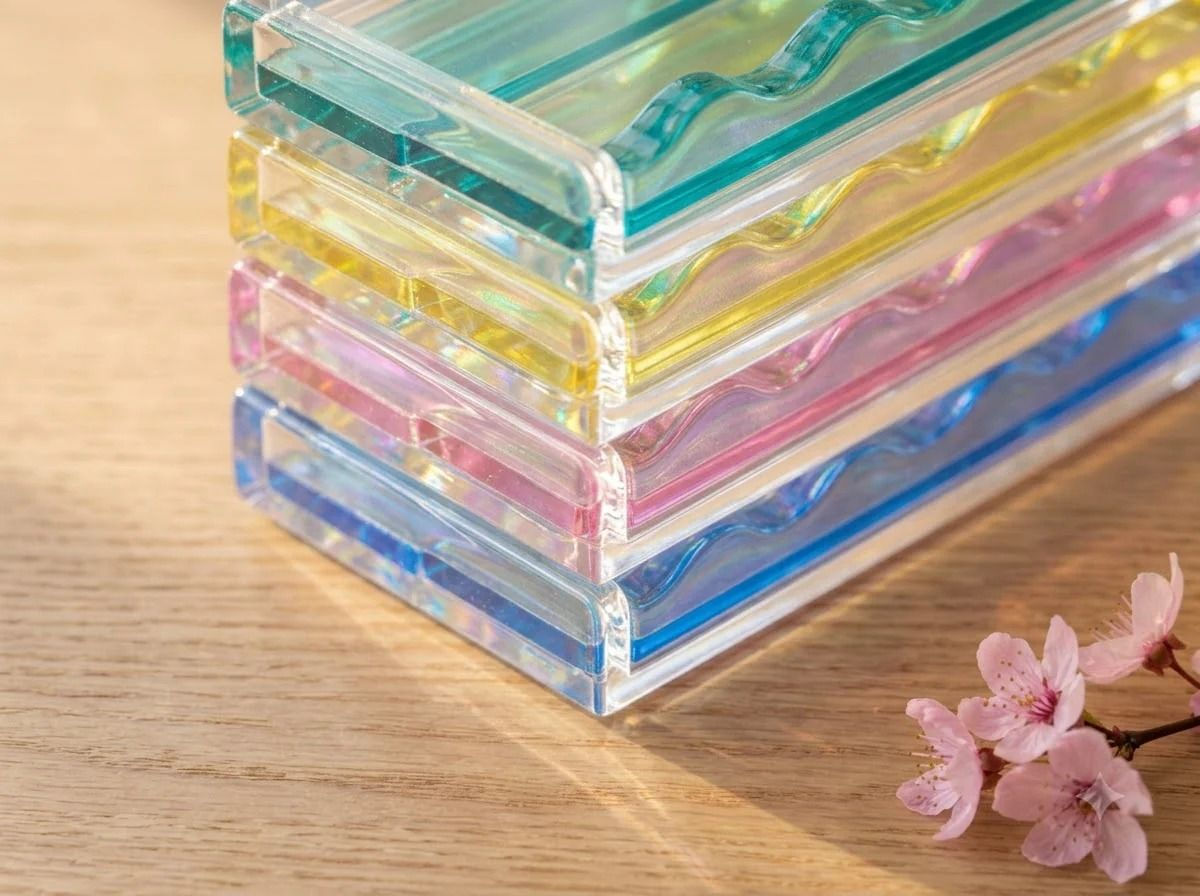
A mahjong tile tray—also called a rack or holder—is a stand that holds your 13 or 14 tiles upright so you see them clearly without gripping them by hand. It's optional in American mahjong; many casual players never use one. But a good tray reduces hand fatigue, prevents tiles from falling or being accidentally exposed, and keeps your hand neat during long games. Most players find one worthwhile after their first few seasons. At Mahstead, our racks with pushers range from slim personal holders to full-table sets with integrated pushers for melded tiles. Whether you need one depends on table size, how often you play, your hand dexterity, and whether you host games; we've broken that down below.
A tile tray isn't mandatory, but it transforms how you hold, organize and protect your hand. It's optional in American mahjong; many casual players never use one. But a good tray reduces hand fatigue, prevents tiles from falling or being accidentally exposed, and keeps your hand neat during long games. Most players find one worthwhile after their first few seasons. Whether you need one depends on table size, how often you play, your hand dexterity, and whether you host games.
Do casual players really use tile trays?
Yes—but not always. Casual kitchen-table players often skip them and grip tiles in hand or lay them flat on the table. Weekly league players and hosts almost always use them. If you're playing once a month, a tray is optional; if you're hosting eight-player nights or playing twice weekly, one becomes practical. The difference matters: after an hour of holding 14 tiles, your hand cramps. A tray lets you rest while keeping tiles safe and visible to you only.
🀄 Shop best-selling mahjong sets →
What does a tile tray actually do for your game?
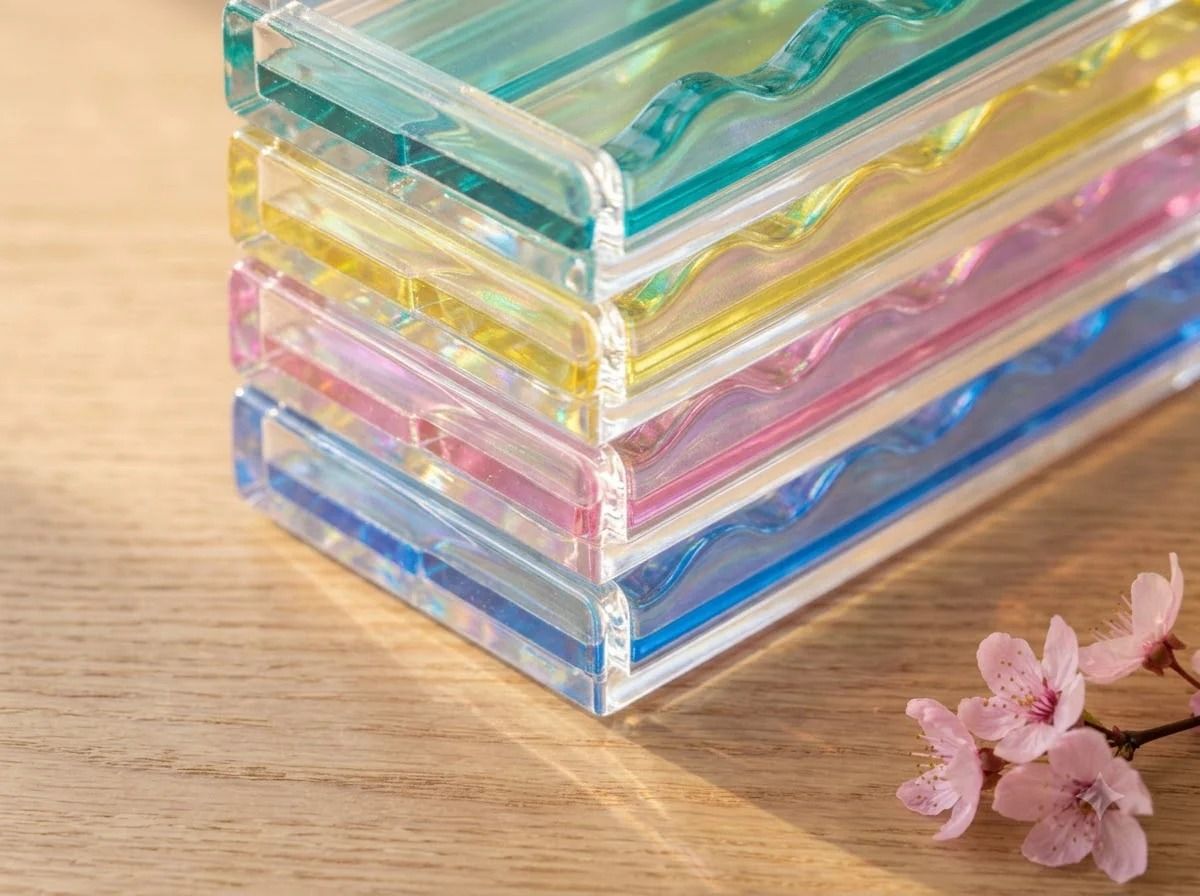
A tray holds tiles upright and organized so you can see your entire hand at a glance, spot matching patterns quickly, and rearrange without fumbling. It keeps tiles from sliding or toppling onto the mat, which matters when the table vibrates or someone reaches across. A tray with pushers (small sticks attached to the rack) lets you physically move tiles aside as you expose pungs, kongs and melded sets—this is especially helpful for newer players learning hand structure. It also signals to other players that your hand is secure and you're not accidentally flashing tiles. For players with arthritis or hand tremor, a tray is often essential, not optional.
What types of tile trays are out there?
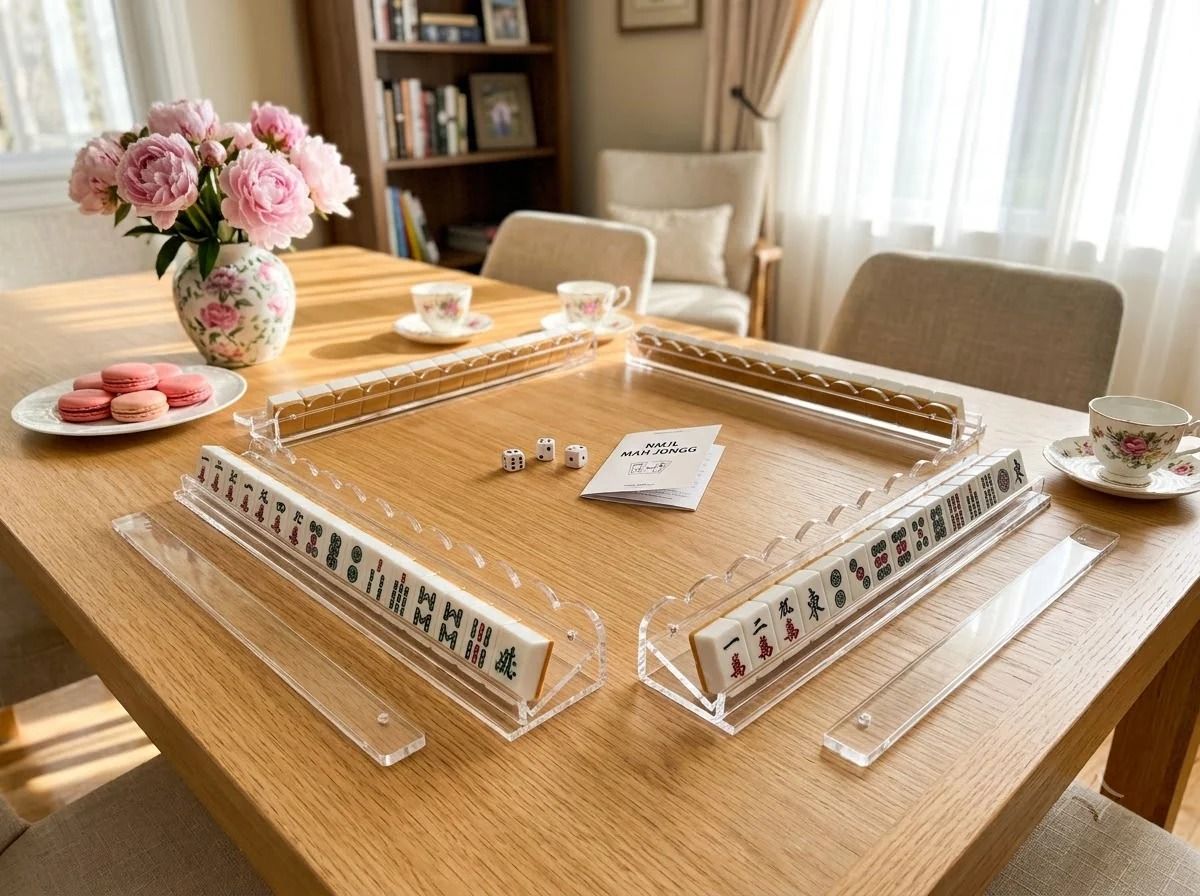
Personal racks hold one player's 13–14 tiles and sit in front of that player only. Full-table sets include four individual racks plus a central "flower" rack (for flowers and jokers) and sometimes pushers for exposed melds. Portable racks fold or nest for travel. Luxury sets include wooden or metal frames with felt-lined bases. The main choice: do you want a tray just for yourself, or are you furnishing an entire game table? Solo players buying their first tray want a personal rack; hosts setting up a permanent table often prefer a full set.
How do you pick between a personal rack and a full table set?
Scenario | Best choice | Why it works | What to know |
You play weekly in one home | Full table set | Everyone stays organized; consistent feel | Larger storage footprint |
You travel to different tables | Personal portable rack | Fits a bag; works anywhere | You alone have organized tiles |
You're brand new; testing the game | Personal rack first | Lower commitment; learn if you like it | Upgrade later to full set |
You host rotating 4–8 players | Full table set + extras | Spare racks for guests; looks intentional | Store flat or in a dedicated case |
You have hand pain or arthritis | Personal rack (always) | Essential for comfort; non-negotiable | Consider a pusher-equipped model |
Start with a personal rack if you're unsure. You can always add a full set later. Many of us keep a personal rack in our mahjong bag for travel and use a full set at home.
What mistakes do people make when buying a tile tray?
The most common: buying a tray that's too tall or too narrow for your tiles. If the rack is flimsy or the slots are loose, tiles will slide or fall during play—annoying and embarrassing. Another mistake: choosing a tray without considering storage. A full table set takes up closet space; measure before you buy. Some players buy a fancy wooden tray only to discover it doesn't fit inside a mahjong travel bag or mat case. If you host games, make sure your rack can hold tiles from acrylic sets (heavier than bone) without bending or cracking. Finally, don't assume all racks are compatible with all mats; check that your chosen rack sits stably on the mat you already own or plan to buy.
Should a tile tray change how you play or score?
Not at all. A tray is purely organizational—it has no effect on the rules, hand validity, or score. Some players worry a tray makes them "too formal" for a casual game; that's not true. Using a tray shows respect for the game and your opponents' experience level. It keeps play moving because you can see your tiles instantly instead of hunting through a messy hand. Scoring stays identical whether you use a tray or not.
🎁 See our most-loved mahjong sets & accessories →
How do you use a tray with the National Mah Jongg League card?
You don't interact with the card differently. You arrange tiles in your rack in the same suit/number order that makes scanning the card easier, then reference the card as normal. A tray actually speeds up card-checking because your tiles are already neatly visible. Many of us photocopy the current year's card and keep it at the table; a tray ensures your hand is always clear enough for quick comparison. This is especially useful when learning how to read the mahjong card—new players can organize tiles in the tray, then methodically scan the card without dropping or mixing tiles.
What's the difference between a rack with pushers and one without?
A pusher is a thin stick or slider attached to the rack that lets you move tiles sideways to expose melded sets (pungs, kongs, quintet, sextet). Without pushers, you manually lift tiles from the rack to show your melds, which takes time and risks dropping them. With pushers, you slide tiles aside smoothly, keeping everything in place. Pushers are most useful if you're a host (managing four players' games) or play competitively. Casual players often skip them. If you host weekly games, pushers save energy and look professional. Our racks with pushers guide covers the mechanics in detail.
✨ Find your Mahstead set — free US shipping →
What should you check before buying a tile tray?
Tile compatibility: Are your tiles acrylic or bone? Acrylic tiles weigh more; check that the rack supports the weight without warping. Slot size: Measure a tile's width; the slots should hold it snugly but not so tight you can't move tiles. Table fit: Will the rack sit flat on your mahjong mat or table cover without rocking? Storage: Can it fold, stack, or fit into your existing mahjong bag? Pusher design: If you want pushers, test that they move smoothly and don't jamb or crack the rack. Budget and aesthetics: Decide whether you value bamboo/wood beauty or practical plastic durability. Player count: One personal rack, or four racks for a full table? Ask yourself honestly how often you'd use it; an expensive rack gathering dust is a poor choice.
Many of us own both a personal portable rack for travel and a full table set for home games. Neither is wasteful if you play weekly.
FAQ
Is a tile tray required by the National Mah Jongg League rules?
No. The NMJL rules don't mandate trays. They're optional equipment for player comfort and game organization. Many casual games proceed without them; competitive or high-volume hosting tables almost always use them.
Can you use a tile tray if you're learning American mahjong for the first time?
Absolutely. A tray is actually helpful for beginners because it keeps your tiles visible and organized as you learn patterns and hand structure. It prevents the frustration of dropping tiles or mixing up your hand during the Charleston or during play.
Do tile trays come with pushers, or do you buy them separately?
Both. Some racks include pushers integrated into the design; others are simple holders without pushers. Check the product details. Personal racks rarely have pushers; full table sets often do. You can sometimes buy pushers separately, but it depends on the manufacturer's design.
If I buy one tray, can other players at my table use it too, or does each player need their own?
In American mahjong, each of the four players has their own hand area, so ideally each player has a personal rack. If you're hosting and can't afford four racks immediately, many players will bring their own or play without one—it's not a barrier. But a matched full table set looks intentional and ensures everyone has the same experience.
How do you clean and store a mahjong tile tray?
Wipe plastic or acrylic racks with a damp cloth; dry completely to prevent mildew. Store in a cool, dry place flat or nested (if your racks stack). Wooden racks should be dusted and kept away from direct sunlight to prevent fading. If you store racks in a case or bag, ensure they're completely dry first. Many players keep their racks in a dedicated mahjong bag or case between games.
Will a tile tray slow down my game or make play feel too formal?
No. A tray actually speeds up play because you can see your tiles instantly and grab the right tile quickly. It feels formal only the first time; within one game, it becomes natural. Most weekly players report that organized racks reduce table confusion and disputes over which tiles were played or discarded.
Can you use the same tray with different mahjong sets, like American and Chinese mahjong?
Generally yes, as long as tile sizes match. American mahjong and many Chinese sets use similarly sized tiles. However, some travel or regional Chinese sets have smaller tiles that won't fit standard racks. Before buying a tray, compare the tile dimensions in your set to the rack's slot width. If you play multiple variants, check compatibility.


View More
View More
View More
