
Easiest Mahjong Rules for Moms: Learn to Play in One Afternoon
Last updated: Nov 23, 2026
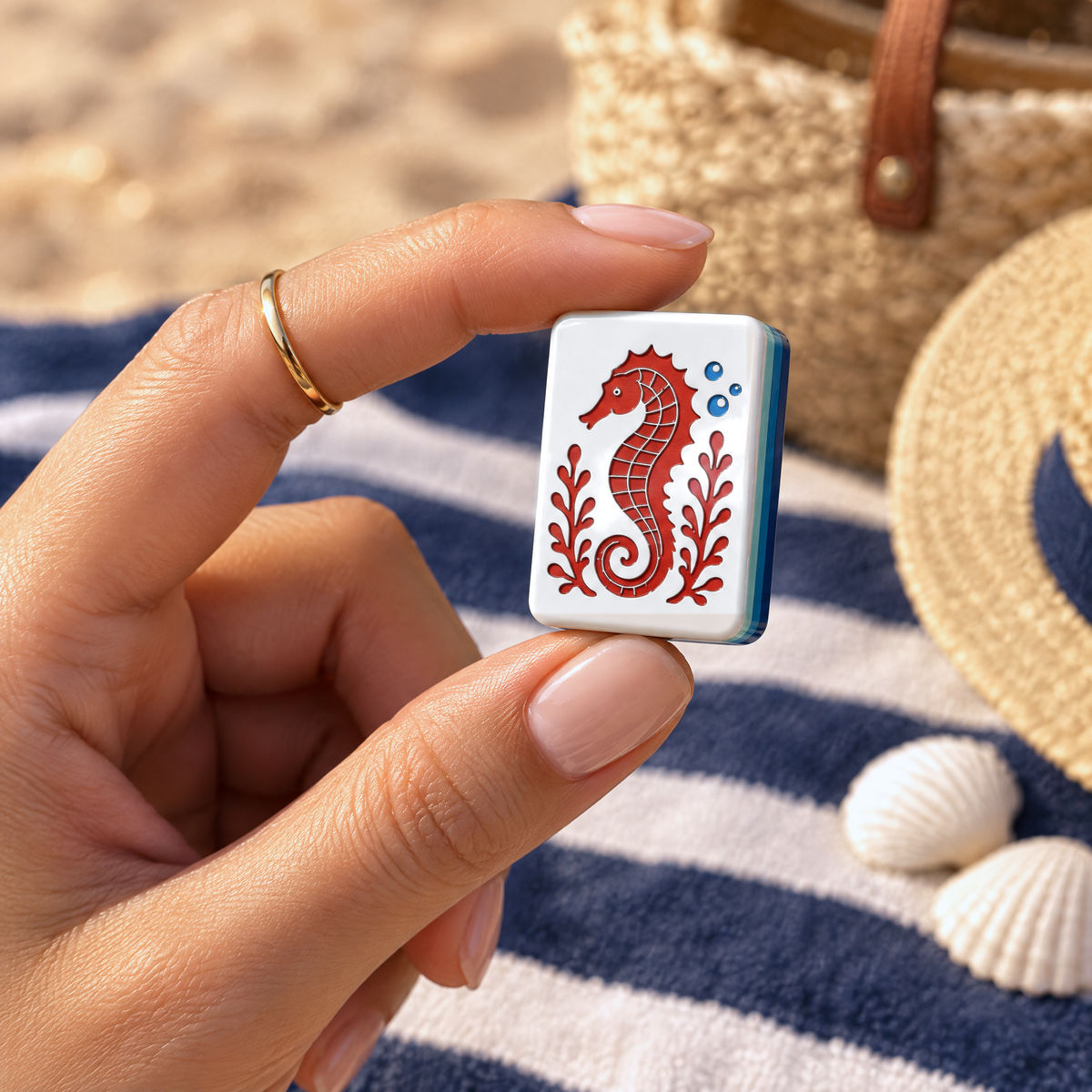
American mahjong has three suits (Bams, Craks, Dots numbered 1–9), plus winds, dragons, flowers, and 8 jokers. A complete 160-tile set includes 152 tiles you actually play with. The real rule is: you don't memorize hands—you buy the current year's National Mah Jongg League card, which shows every legal combination. You draw and discard tiles in turn, calling "pung" (three identical tiles), "kong" (four identical), or "meld" from the discard pile. Win by completing a hand from the card before anyone else. A game takes 45–90 minutes. The Charleston (tile-passing ritual) takes 5 minutes and feels confusing the first time but becomes automatic. You need one set per four players; Mahstead's acrylic sets are durable and ship free across the US. Most moms who learn American mahjong play it weekly within a month—it's social, not stressful, once you stop trying to memorize and start reading the card.
Why can't I just memorize a few hands and play?
Stop there. American mahjong isn't poker or gin rummy—the legal hands change every year. The National Mah Jongg League publishes a new card every spring with updated combinations. Trying to memorize even five hands wastes mental energy. Instead, buy the year's card (it's cardboard, laminated, costs a few dollars), keep it in front of you, and reference it freely. Every hand at the table will use the card. It's not cheating; it's how the game is designed. New players who accept this fact usually play their first full game within two sessions.

What does the Charleston actually do, and why is it so weird?
The Charleston is the tile-passing ritual before the first hand. You pass three tiles right, then three tiles left, then (if playing "right-side" Charleston) three tiles across. Each player does this simultaneously, so you receive tiles while passing. It takes five minutes and feels chaotic—tiles sliding across the table, people squinting at what they just drew. Why does it exist? It randomizes your starting hand and sets the tone for play. First time, follow your neighbor's lead. By game two, you'll move naturally. Think of it like shuffling cards before bridge: necessary, quick, and then you're dealing.
How do I actually play a turn without freezing?
Your turn has three steps: draw one tile from the wall, look at your hand, discard one tile face-up. That's it. You're trying to match combinations on the year's card. If you have a pung (three identical tiles—e.g., three 5 Dots), you can expose it on the table and take a replacement tile from the wall. If someone discards a tile you need for a pung or kong, you call it and add it to your exposed melds. Jokers substitute for any single tile except in a pair or single. Common freeze-up: new players stare at their hand and forget they must discard. Set a two-minute timer your first game if you need to. By game three, turns flow naturally.
What's the one mistake that makes moms give up?
Trying to understand scoring before playing a full hand. American mahjong scoring is detailed—it counts melds, sequences, pairs, and applies multipliers. But here's the secret: you don't need to score to have fun. Your first four games, just focus on recognizing melds and calling them correctly. Play for fun or chips, not money. Once you've won a hand, then ask someone to walk you through scoring. Forcing scoring rules onto a beginner is like teaching someone to drive and discussing tire pressure simultaneously. Learn to play first, score later.

Which tile-set features actually help (and which are hype)?
Feature | Why moms love it | Your reality check |
Acrylic tiles (raised edges) | Won't warp; easy to shuffle and call; lasts years | Real: one set can handle three weekly games. Most durable choice. |
Bamboo racks with pushers | Keeps your hand organized and hidden | Real: prevents tile-counting by opponents; speeds up your turn. |
Engraved titles or names | Personalized gift for hosts or long-time players | Real: purely aesthetic, but meaningful for a player hosting regularly. |
Padded travel bag | Protects set on the way to a friend's house | Nice but optional if you play at one location. |
Laminated mat | Defines the play area; protects table surface | Real: muffles tile noise and keeps your game surface intact. |
Browse our best-selling mahjong sets →
What to check before you buy your first set
Tile count: Your set must have exactly 152 tiles for play, plus spare jokers and tiles. Mahstead sells 160-tile acrylic sets—that's 152 for play plus extras. Confirm the listing says "American" mahjong and includes 8 jokers.
Material: Acrylic (smooth, durable) vs. bone/bamboo (heavier, quieter, more expensive). For moms hosting weekly games, acrylic is practical and lasts.
Racks and pushers included? If your set doesn't come with racks, budget for racks with pushers—they're not optional once you play regularly; they hide your hand and organize tiles.
Bag or case: If you're traveling to someone else's house, buy or bundle a travel bag. If you're hosting at the same table, skip it for now.
Mat: Optional but smart. A mat protects your table and muffles noise. If you're setting up in a dining room, grab one.
🀄 Shop best-selling mahjong sets →
Your first game in four steps
Buy the current year's card. Check the National Mah Jongg League website or ask your host. It's usually available online or at mahjong supply stores like Mahstead.
Shuffle and deal. Your host draws from the wall to decide who goes first (highest number wins). Everyone draws 13 tiles from the wall; the starting player draws 14. Keep tiles in your rack.
Discard one tile. Starting player picks any tile and places it face-up in the center.
Take turns drawing and discarding. Call melds when you have them. Win when your hand matches a pattern on the card and you've called all your melds.
First game, aim to finish one hand before scoring. You're learning flow, not perfecting strategy.
Why so many moms stick with it (after week two)
American mahjong combines strategy, luck, and social time in equal measure. It's not as fast as card games, which makes it feel less frantic. It's not as complex as bridge, which means new players catch up quickly. And unlike Bunco or Yahtzee, winning depends partly on your reads and calls, which feels skillful. Most moms who learn in an afternoon find themselves looking forward to game night within a month.
🎁 See our most-loved mahjong sets & accessories →
For beginners, the mental hurdle is permission: you're allowed to check the card. You're allowed to ask "what's a kong?" in game three. You're allowed to play just for fun the first month. Once that clicks, the rules snap into place and you're playing, not learning.
Return to our mahjong for beginners guide if you want deeper dives into Charleston rules, tile-reading, or how to set up your first game night. And if you're hosting, start with our best-selling acrylic sets—they're tested weekly by players just like you.
✨ Find your Mahstead set — free US shipping →

FAQ
Do I have to buy a new card every year, or can I use last year's?
Every year the National Mah Jongg League releases a new card with updated hand patterns. Using an old card means you might call a hand that isn't legal this year—your group won't recognize it. Buy the current year's card (inexpensive, available online). Most players keep the previous year's card as a backup, but play only this year's.
Can I play if I don't have racks and pushers?
Yes, but not comfortably. Without racks, other players see your tiles or you hold them all day and get tired. Racks keep your hand hidden and organized, so you can focus on strategy instead of logistics. After your first game, you'll want them.
How long does a game actually take—can I play in an hour?
One hand takes 15–30 minutes once everyone knows the rules. A full game is usually three or four hands plus the Charleston between each, so 60–90 minutes total. Your first game might stretch to two hours because people ask questions and celebrate the first win. Plan for 90 minutes to be safe.
Is American mahjong the same as the mahjong my grandmother played?
No. Your grandmother probably played Chinese or Hong Kong mahjong, which uses sequences (chows), has no yearly card, and plays with 144 tiles. American mahjong is simpler: no sequences, you read a card, 152 tiles, and you win by matching one pattern per hand. They're different games with the same name. Your grandmother's rules won't work here—start fresh with American.
What if I lose the card during a game?
Have a second copy or phone photo of the current year's card at the table. If your card tears or gets spilled, pause, dry it, and keep playing. Many players laminate their card for exactly this reason. If you're hosting, buy a backup before your first game.
Can I play mahjong with just two or three people?
Yes, but the game changes. Standard is four players. Two- and three-player variants use a modified card and different wall draws. Our guide to 2 and 3-player mahjong rules walks you through it. If you're starting out, stick to four players if possible—the rules are clearest and the game flows best.


View More
View More
View More
