
What Set Do You Need for Changsha Mahjong
Last updated: Nov 23, 2026
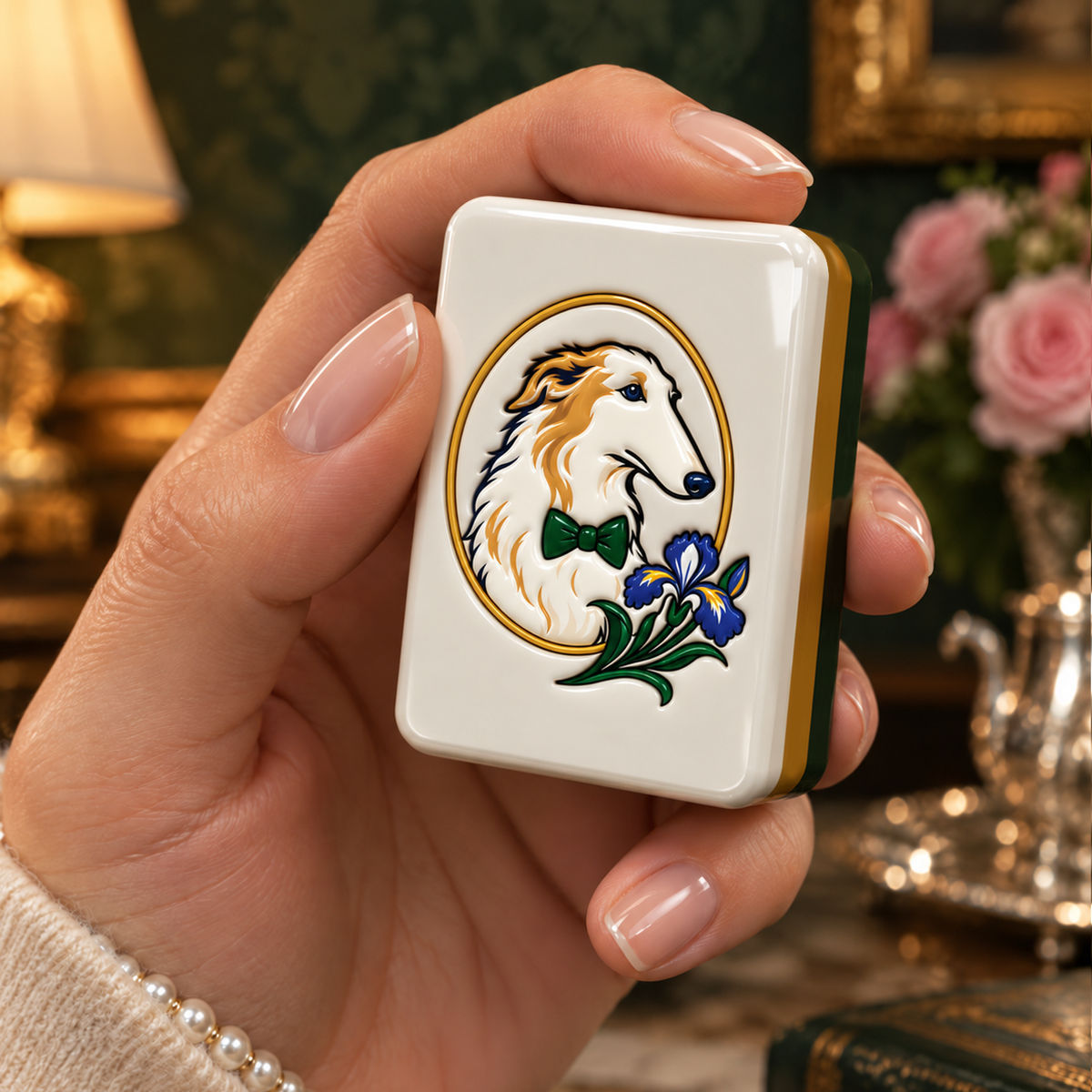
Changsha mahjong requires a stripped-down set of 108 tiles: only the three number suits (Bams, Craks, Dots) numbered 1–9, with four copies of each, plus four seasons (or blanks in some versions). This is radically different from American mahjong, which uses 152 tiles including winds, dragons, flowers, and eight jokers. If you want to play Changsha, you cannot use a standard American set—you'd need either a dedicated Chinese Changsha set or a 152-tile American set plus patience to remove and track the excluded tiles. Most North American players find it simpler to stick with American mahjong and explore our best-selling mahjong sets if they're new to the game. Changsha is rarely played outside China, so building a collection around it makes sense only if you have a regular local group.
Changsha mahjong is a regional game from Hunan province in central China, played by a tight community and almost never seen in North America. It evolved from classical Chinese mahjong but stripped away most of the complexity—no wind or dragon tiles, no flowers, just 108 tiles in four suits of 27 each. If you've only played American mahjong, Changsha feels like starting from scratch: the hand structures, the scoring system, the hand-drawing mechanics are all different. The question isn't "should I buy a Changsha set?"—it's "do I actually have people to play with?" Before spending money, verify that your group is committed, has written rules everyone agrees on, and meets regularly enough to make it worth owning a dedicated set.
How does Changsha differ from American mahjong tiles?
American mahjong uses 152 tiles: three number suits (Bams, Craks, Dots, each 1–9 with four copies), 16 wind tiles (four each direction), 12 dragon tiles (Red, Green, White), eight flowers, and eight jokers. Changsha uses only 108 tiles: the three number suits exclusively, each number 1–9 appearing four times, plus four bonus tiles (seasons or blanks depending on the ruleset). There are no honors, no jokers, no flexibility. The American set is a superset; the Changsha set is a bare minimum. If you tried to play Changsha with an American set, you'd remove 44 tiles and ignore the jokers entirely, which wastes the set's design and confuses newer players watching the tiles.

Can you play both Changsha and American mahjong with one set?
Technically yes, but it creates friction. You would buy a standard 160-tile American set (which includes 152 playing tiles plus spares) and physically separate out the tiles you need for Changsha: remove all winds, dragons, flowers, and jokers, leaving 108. During Changsha games, you'd store those 44 tiles in a bag or box, risking loss or mix-ups. Switching back to American mahjong means reorganizing again. If both games are played equally often in your circle, this hybrid approach works. But if Changsha is occasional—say, once a month when visiting relatives—it's wiser to own one 160-tile set from our best-selling collection for your regular American games and borrow a Changsha set for that one trip. Most players who dabble in both find that splitting equipment actually saves money and confusion.
What ruleset should Changsha players agree on first?
Changsha has no single official ruleset like the National Mah Jongg League card for American mahjong. Regional variations exist—some groups use honor tiles as optional add-ons, others include flowers or restrict jokers differently, and scoring systems vary widely. Before buying any set, sit down with your group and document your house rules: How many bonus tiles? Are seasons and flowers the same tile or different? What hands are legal? How do you score a win? Who deals and in what order? This takes 30 minutes but prevents disputes later. Write it down, photograph it, and share it. If your group hasn't done this yet, Changsha isn't ready for you. American mahjong avoids this chaos because the National League card is the source of truth; Changsha players must create their own.
Where can you buy a Changsha mahjong set?
Changsha sets are not sold in most North American mahjong retailers, including Mahstead. Our catalog focuses on American mahjong equipment—sets, custom engraved tiles, mats, and racks—because that's where our player base is. To find a Changsha set, you'll need to search online marketplaces that serve the Chinese diaspora community, check import retailers, or ask your local Changsha group where they sourced theirs. Prices, quality, and tile weight vary enormously; read reviews and verify that the tiles are bone or quality resin (not cheap plastic), that the set is complete and hasn't been played to death, and that the bamboo racks fit standard 20mm tiles. Shipping from overseas can take 4–8 weeks, so order early. If you decide later that Changsha isn't your game, you'll be stuck with a set no one in your new community plays.

Should you buy a Changsha set as a gift for someone learning the game?
Yes, only if that person has a committed group already playing and has explicitly asked for the set. Gifting a Changsha set to a beginner or to someone whose mahjong friends all play American rules is a near-certain waste. Instead, if you want to gift someone a mahjong set and they haven't specified a variant, give them an American set—it's the most widely played in North America, the rules are standardized, and Mahstead's engraved American sets make personal gifts memorable. If your recipient plays Changsha regularly and you want to support them, ask their group directly: "Where did you buy yours? What's good about it?" That question opens doors and shows respect for their game.
Comparison: When to buy Changsha vs. stick with American
Scenario | Recommendation | Why |
You play American mahjong weekly; Changsha is unknown to your group. | Buy a 160-tile American set from Mahstead. | 152 tiles, 8 jokers, NMJL card. Standardized, resale value. |
You have a Changsha group that meets twice monthly and rules are documented. | Source a dedicated 108-tile Changsha set online. | Avoids tile swapping, keeps groups separate, prevents rules confusion. |
You play both equally; two groups in your region. | Buy both: one American set + one Changsha set. | Simplest. No mixing, no lost tiles, cleaner games. |
You want to learn Changsha but no local group exists yet. | Wait. Host an American game instead. | Changsha has no standardized card; learning alone is hard and risky investment. |
Someone gifts you a Changsha set but you only play American. | Accept it, store it, use it if circumstances change. | No obligation to play; you might visit China or find a group later. |
🀄 Shop best-selling mahjong sets →
What to check before you buy any mahjong set
Confirm your group's rules in writing. Ask for the rulebook, FAQ, or house-rules document. If none exists, your group isn't ready.
Count the tiles. A Changsha set should have exactly 108 tiles (27 per suit + 4 bonus tiles). If the seller lists a different number, ask why.
Inspect the material. Bone or quality resin tiles are heavier, quieter, and more durable than plastic. Photos can mislead; ask the seller about weight and finish.
Verify shipping time and returns. Changsha sets often ship internationally; confirm the vendor will refund if tiles arrive damaged.
Test-play before committing. If possible, borrow a friend's Changsha set and play three full games. If you're bored after two, you have your answer.
Check resale prospects. American mahjong sets have a resale market because the game is popular; Changsha sets don't. If your group dissolves, you'll have trouble selling it.
🎁 See our most-loved mahjong sets & accessories →
The honest truth: Changsha is not American mahjong
Many players in North America encounter the name "Changsha mahjong" and assume it's just another fun variant they can learn on a weekend. It isn't. Changsha is a regional game with centuries of local tradition, no standard ruleset outside its home region, and a small player base outside China. Learning it requires finding an established group, agreeing on rules, buying a dedicated set, and committing to regular play. That's a bigger investment than most casual players expect. If you're curious about mahjong variants, start with American mahjong—it's standardized, fun, widely played, and every rule is printed on the annual NMJL card. If you later visit a Changsha-playing community or fall in love with the game's history, you can invest then. For now, check out our complete guide to mahjong variants and pick one that's alive in your neighborhood.
✨ Find your Mahstead set — free US shipping →

FAQ
Can I use an American mahjong set to learn Changsha rules?
You can, but it's tedious. You'd remove 44 tiles (winds, dragons, flowers, jokers) and work with 108. This works once or twice, but regular Changsha players need a dedicated set because switching gears mid-week causes mistakes and frustration.
Is Changsha mahjong played anywhere in North America?
Yes, in some Chinese diaspora communities in larger cities, but it's rare and informal. No standardized leagues exist outside China. If you don't have a local group asking you to play, you won't find opponents.
What's the easiest mahjong variant to learn as a beginner?
American mahjong. It has one official ruleset (the NMJL card), groups meet everywhere, and the game is standardized. Changsha and other Chinese variants require you to negotiate rules with your group first, which slows learning.
How much does a Changsha set typically cost?
Prices vary; quality sets from reputable Chinese sellers range based on tile material and craftsmanship. Check multiple vendors and read reviews for durability, as cheap plastic sets wear out quickly and are frustrating to play with.
If I buy a Changsha set and my group disbands, can I resell it?
Not easily. American mahjong sets have a broad resale market; Changsha sets do not. You'd likely donate it, store it, or accept a steep loss. This is one reason to rent or borrow before buying.
Do I need a mat and rack for Changsha like I do for American mahjong?
Not necessarily. Changsha is often played on a table with tiles stood up by hand or rested against a low rack. Mahstead's mats and racks are designed for American sets; they may or may not fit Changsha tiles depending on tile size.


View More
View More
View More
