
Mahjong Tournaments in the Woodlands: A Player's Guide
Last updated: Nov 23, 2026
The Woodlands doesn't have a single tournament calendar, but the Houston metro area runs regular American mahjong tournaments through independent clubs, synagogue game nights, and community recreation programs. Most tournaments follow the National Mah Jongg League ruleset and run on spring-through-fall weekends. Look first at the Woodlands Community Center, The Woodlands Library System, local synagogues' game groups, and private country clubs—these host monthly or quarterly events. A typical tournament costs between modest entry fees and runs 4–6 rounds. Bring your own set if you play competitively; many organizers provide tiles. Check Meetup.com for "mahjong Woodlands" or "Houston mahjong" for up-to-date schedules and new players' welcome nights.
The Woodlands sits in Houston's booming northern suburbs, and mahjong here thrives quietly but steadily. Unlike online-first gaming communities, Woodlands players gather in person—living rooms, club halls, community centers—where the tile shuffle and the clack of racks are part of the ritual. If you're new to tournaments or looking to join a regular group, this guide cuts through the noise and gets you playing fast.
Where do Woodlands mahjong tournaments actually happen?
The Woodlands area doesn't host a dedicated mahjong tournament venue, but several reliable gathering spots run regular games and tournaments. Community centers typically host drop-in or league play on set evenings; check The Woodlands Recreation Department directly for current schedules. Local libraries often partner with game clubs to host monthly tournaments or beginner lessons. Synagogues and temples in the greater Conroe–Woodlands belt frequently run mahjong nights as social fundraisers; these are often open to the community, not just members. Private country clubs and golf communities host member-only leagues. Start by calling or emailing recreation departments, then branch to local synagogues and Meetup.com—posts update faster than printed schedules.

What's the difference between casual play and a real tournament?
Casual play is what we do every Thursday in someone's living room: four players, one evening, house rules or the National Mah Jongg League card, no score tracking beyond who won. A tournament follows the formal American ruleset, uses a uniform card each year, pairs players by skill level or at random, runs multiple rounds (typically 4–6), and tracks cumulative scores to crown a winner. Players pay an entry fee; organizers often split proceeds between prize money and upkeep. Tournaments typically use standardized tiles and mats to level the field—so if you own a set, bring it; organizers always have spares. The pace is faster, the stakes matter more, and the player pool is larger. If you've learned how to play American mahjong with friends, a tournament is the natural next step.
What should I bring to my first Woodlands tournament?
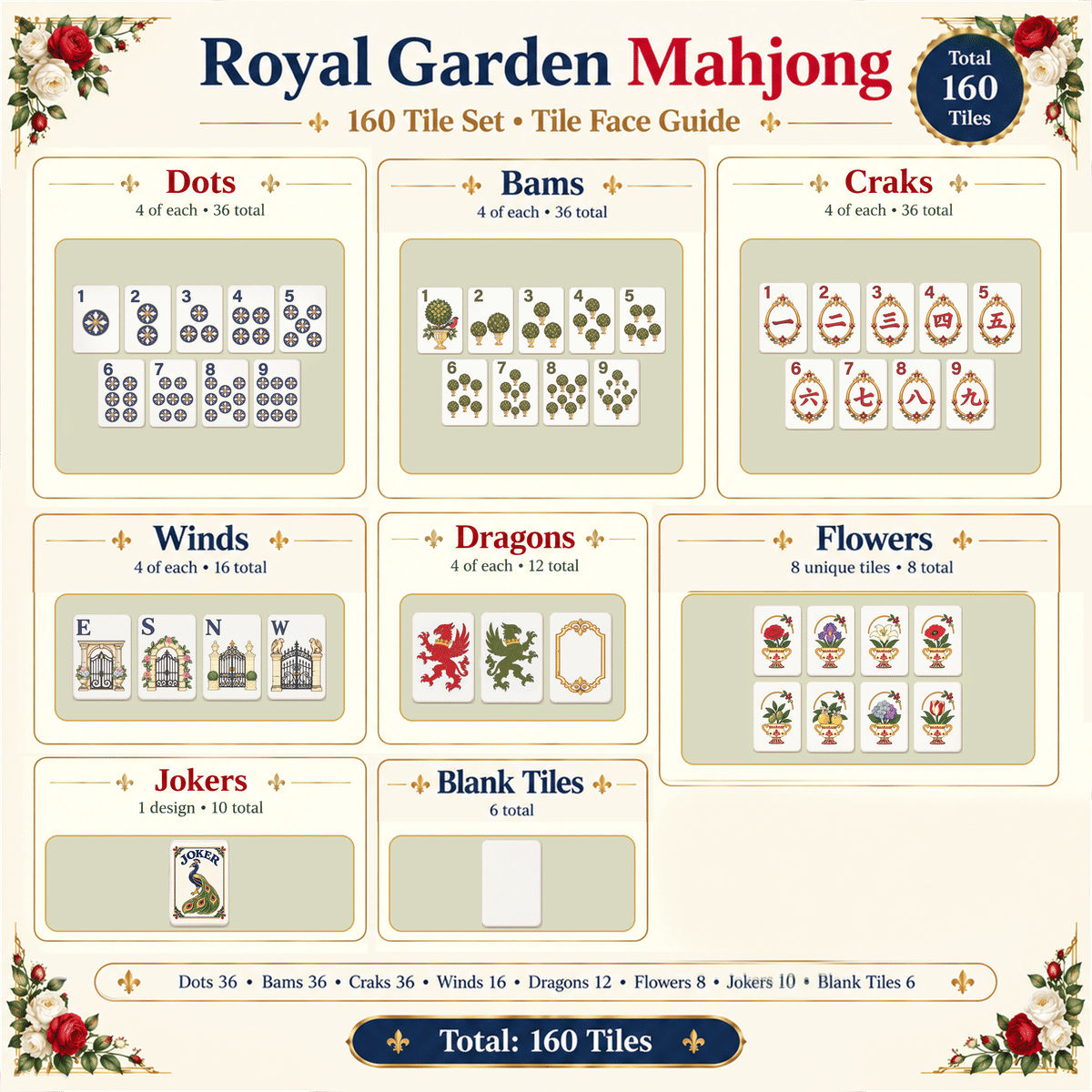
Pack a full American mahjong set—152 tiles and 8 jokers—along with a scoring pad and pen. Most tournaments ask players to supply their own set; it's a sign of seriousness and familiarity. If you don't own one yet, ask the organizer if spares are available; many clubs loan sets to new players or beginners. Wear comfortable clothes—you'll sit for 2–3 hours per round with breaks. Bring a water bottle and snacks; tournaments rarely provide them. Pack a small notebook to jot down the current year's hand patterns from the National Mah Jongg League card (you'll need to know how to read the mahjong card before your first event). Arrive 15 minutes early to check in, confirm pairings, and settle your table. Leave your phone on silent or in a bag—phone play isn't permitted during rounds.
How do I actually find tournament dates and sign up?
Start with three sources: First, search Meetup.com for "mahjong" and filter by location to The Woodlands or Houston. Many active player groups post schedules, fees, and contact info there. Second, call the Woodlands Community Center's recreation office or check their website for "mahjong" programs; most publish quarterly calendars online. Third, contact local synagogues and temples directly—ask for their game committee chair or social director. Many run open mahjong nights twice monthly and welcome new players with a phone call or email RSVP. Create a spreadsheet with three columns: venue, contact (phone/email), and last-confirmed date. Update it monthly; schedules shift. Some tournaments fill fast, especially in fall, so sign up as soon as announcements drop.
What equipment do Mahstead players bring to tournaments?
Serious players we know at Mahstead bring a 160-tile set in a durable case—so your tiles don't shift during the drive to the venue. A personal mahjong mat adds familiarity to unfamiliar tables and helps you organize your hand faster. Many bring a pair of racks with pushers—racks speed up wall-building and pushers let you mark your tile without touching the wall. Bring a pen and pad separate from your bag so you can score quickly between rounds. We've also seen players bring a travel bag sized for one set, which protects tiles and looks professional. The table will have walls, but a personal mat silences the crack of tiles on a hard surface—small but real for concentration.
🀄 Shop best-selling mahjong sets →

Should I practice on the NMJL card before my first tournament?
Yes—absolutely. Every spring the National Mah Jongg League releases that year's card, and all formal American mahjong tournaments play only hands listed on it. Spend at least three weeks playing hands from the current card with friends or online before you enter a tournament. You'll train your eye to spot patterns, learn which hands are rarer (and thus worth holding out for), and build speed. Jokers are wild in American mahjong, which changes strategy compared to other variants—learn how jokers work so you don't waste them. Many tournaments offer a beginner round or offer mentoring on-site, so don't fear asking for help if a hand pattern confuses you during play. The other players want you to succeed—experienced players almost always help newcomers with rule questions when asked. Bring a small photo or printout of the card to your first tournament; many organizers allow references in the first round.
🎁 See our most-loved mahjong sets & accessories →
How does scoring work at a real tournament?
American mahjong scoring uses a fixed schedule: the hand payout depends on its pattern complexity, not on luck or the tiles on the table. Simple hands (like a Pung of Dots or a Like hand) pay less; complex hands (Like Numerals, Consecutive Sequences) pay more. Payouts are typically 2, 4, 6, or 8 points, with rare patterns paying 12 or more. When you win a hand, the three losing players each pay you the payout amount; if you tie with another player (both call Mahjong), you split the pot. Over a 6-round tournament, a player's score accumulates. We recommend reading the official American mahjong scoring guide before you play so you understand point values and when to declare your hand. Most tournaments provide a scoring sheet; ask the organizer for a copy before your first round.
What mistakes do newcomers make at Woodlands tournaments?
Mistake 1: Not knowing the current year's card. You can't call a hand that isn't on the card—period. Before tournament day, study it.
Mistake 2: Bringing fewer than 152 tiles. Sets sometimes go missing; bring a full set. If you don't own one, ask the organizer about loaner sets before you commit to entering.
Mistake 3: Forgetting to silence your phone. Phones are distracting and often prohibited during rounds. Leave it in your bag or car.
Mistake 4: Calling a hand incorrectly. Double-check your hand against the card before you announce Mahjong. A wrong call is a bust, and you may lose points. If you're unsure, ask the organizer or another player before you declare.
Mistake 5: Rushing the Charleston. The Charleston is the pre-game tile exchange—it sets up the entire hand. Take your time, pass thoughtfully, and don't distract other players.
Mistake 6: Not asking for help. Tournaments are social. If you're unclear on a rule, ask. The table will pause and clarify. This is normal and expected at beginner levels.
Comparison Table: Casual vs. Tournament Play
Aspect | Casual Game | Tournament |
Players | 4 (friends/family) | 4 per table; multiple tables, rounds |
Duration | 1–2 hours | 2–4 hours per round; multiple rounds |
Ruleset | House rules OK | National Mah Jongg League card only |
Scoring | Optional; honor system | Formal; verified by organizer |
Entry | Free | Modest fee per player |
Tiles | Any set | Personal set preferred; spares available |
Pacing | Relaxed | Faster; clock may be used |
Pairing | You choose | Random or skill-based draw |
Outcome | Fun, social | Ranked score; potential prizes |
✨ Find your Mahstead set — free US shipping →
What to check before you buy your first tournament set
If you don't yet own a mahjong set, buy one before your first tournament. Check:
Tile count: A standard American set has 152 tiles plus 8 jokers. Our sets ship as 160 tiles total to include spares.
Tile clarity: Numbers and suit symbols (Bam, Crak, Dot) must be easy to read under event lighting.
Durability: Acrylic or wood resists chips; avoid sets with worn paint or cracks.
Case or bag: Protect your tiles during transport to the venue.
Racks and pushers: Useful but optional; buy a set of racks with pushers if you want to speed up wall-building.
Feel: Tiles should feel substantial in your hand and stack reliably. Visit a friend's set or ask an organizer if you can hold one before you buy.

FAQ
Is there an official Woodlands mahjong club or league?
No single permanent club, but game groups meet regularly through community centers, libraries, and private clubs. Check Meetup.com and call local recreation departments for current schedules—they're your fastest path to finding active games.
Do I need to own my own mahjong set to play in a tournament?
Bringing your own set is strongly preferred and shows commitment, but most tournaments have spare sets. Ask the organizer before you enter whether loaner sets are available for your first event.
What does an American mahjong tournament cost to enter?
Entry fees vary by tournament and location; call the organizer for exact amounts. Fees typically support prize pools and venue rental. Ask when you register.
How many rounds are in a typical Woodlands tournament?
Most tournaments run 4–6 rounds, with breaks between. Plan for 3–5 hours depending on the number of players and organizer's schedule. Confirm round count when you sign up.
Can I play in a tournament if I've only learned with friends?
Yes. If you know how to play American mahjong and can read the current card, you're ready. Many tournaments offer a beginner round or allow mentoring during your first event. Tell the organizer you're new.
What's the difference between American mahjong and other mahjong variants?
American mahjong is unique: it uses only hands from the annual National Mah Jongg League card, no sequences/chows can be exposed, and jokers are wild. Tournaments in the Woodlands play American rules unless posted otherwise.


View More
View More
View More
