
Mahjong Table for Beginners: Mat vs. Cover vs. Full Setup
Last updated: Nov 23, 2026
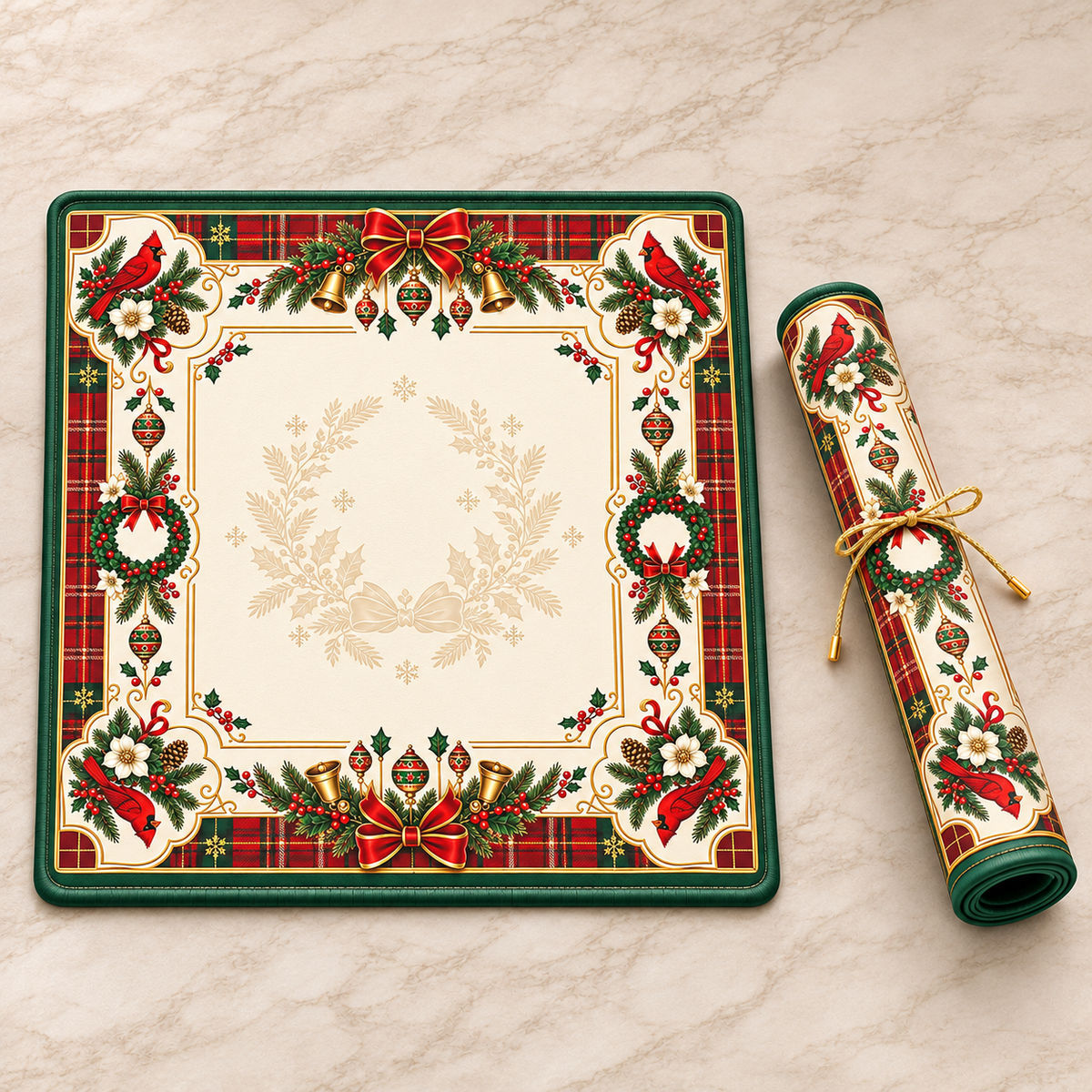
As players hosting weekly games, we know beginners often ask whether to buy a dedicated mahjong table, a mat, or a cover—and the answer depends on budget and permanence. American mahjong needs a flat, stable surface about 36 × 36 inches minimum; a mat provides a cushioned, non-slip play area with built-in scorekeeper pockets and tile racks. Most new players start with a dedicated mat (non-folding or foldable) over a dining table, costing less than furniture while protecting tiles from damage and table surfaces from scratches. If you already own a mahjong set from our best-selling collection, adding a mat is the next practical step. Avoid thin, slippery covers without cushioning—they cause tiles to slide and games to stall. Full tables are a later upgrade for groups who play regularly and want a permanent setup.
What size mat do beginners actually need?
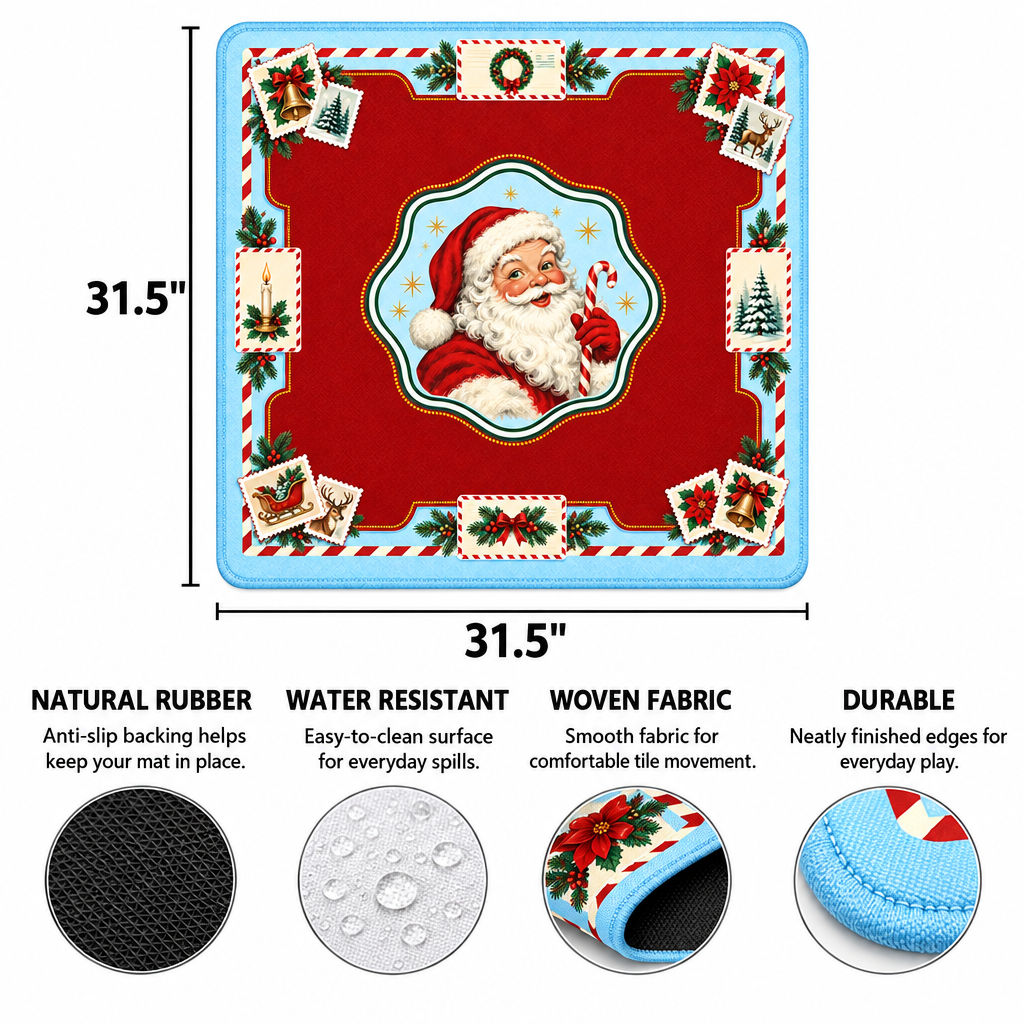
A standard American mahjong mat runs 27 × 27 inches to 36 × 36 inches. The 36-inch square is ideal: it seats four players comfortably, gives each player their own 9-inch wall space, and leaves room for the wall of loose tiles in the center. Smaller mats (27 inches) work if your dining table is tight, but players' elbows compete for space and tiles crowd together, slowing the game. Width and depth matter equally—asymmetrical mats (e.g., 30 × 40 inches) are designed to fit specific table shapes and aren't worth the confusion when starting out. Check your table's usable surface before ordering; a mat that overhangs edges will catch and wrinkle. If your table is smaller than 36 inches on a side, you can still play with a 27-inch mat, but your first few games will feel cramped—plan to upgrade if your group keeps meeting.
🀄 Shop best-selling mahjong sets →
Folding vs. non-folding: which is practical for beginners?
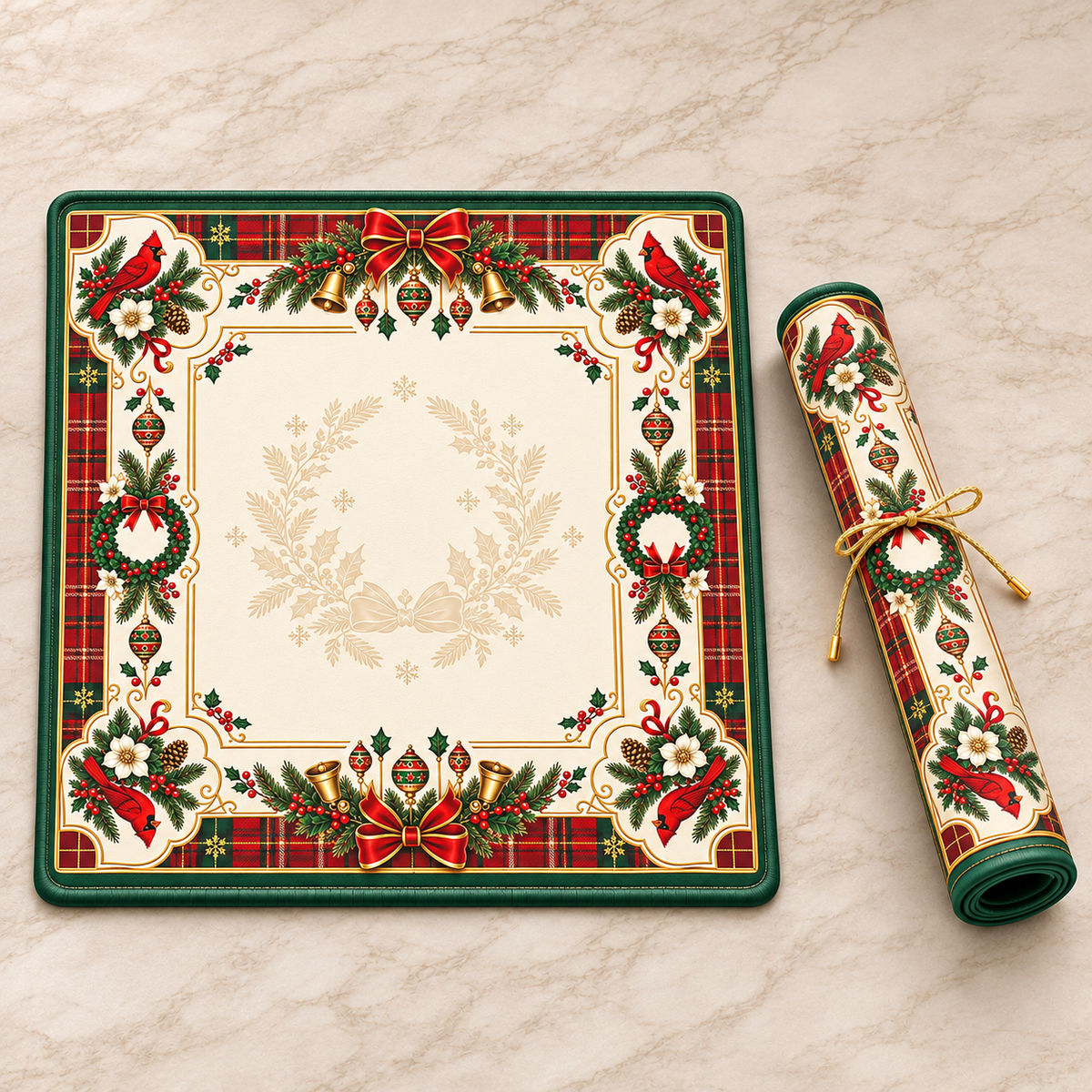
Non-folding mats stay flat and stable—no creases to catch tiles during shuffles. Folding mats fold into thirds or quarters for storage in a closet or under a bed, taking up roughly the space of a large pillow. For beginners, folding is almost always the right choice: you're hosting weekly or monthly, not daily, and storage space at home matters more than the tiny handling loss. When you unfold a folding mat, expect a few creases the first two games; they flatten out with use and don't disrupt play. Non-folding mats stay permanently on a dedicated table (a luxury for later) or require wall storage that most apartments don't have. The mahjong mats collection includes both styles; folding mats are the default recommendation for your first year of hosting.
What features save beginners the most frustration?
Cushioned play surfaces (usually rubber or foam backing) prevent tiles from sliding when players bump the table or shuffle aggressively. Raised racks along each side keep your tiles upright and organized so you can see your hand at a glance—this alone cuts decision time in half. Built-in scorekeeper pockets or designated zones prevent the score pad from sliding off mid-game. Non-slip bottoms keep the mat anchored to your table during play; a mat that creeps forward every shuffle is maddening. Some mats include pushers (small rakes to help organize your rack), but they're optional; most players learn to use their hands. A contrast-colored design (light mat with dark tiles, or vice versa) makes tiles easier to spot and photograph for hand scoring. Avoid mats with embroidered scorekeeper boxes that are hard to read or erase; a flat surface with a pen nearby is simpler. Choose a mat with a removable cover if you plan to play weekly and want to wash it occasionally.
Mat, cover, or dedicated table: comparison for your choice
Setup type | Who it's for | Initial cost | Storage | Durability | Play feel |
Folding mat | Beginners, weekly casual hosts | Lower | Closet under bed | 3–5 years, creases flatten | Stable, cushioned, ready |
Non-folding mat | Groups with permanent table | Lower | Wall or dedicated storage | 5+ years, no creases | Premium feel, flat always |
Table cover | Learners with zero budget | Minimal | Any drawer | 2–3 years, wears thin | Slippery, needs padding below |
Mahjong table furniture | Dedicated clubs, leagues | Very high | Fixed location | 10+ years | Luxury, not necessary to start |
Most beginners buy a folding mat because they need setup flexibility: your living room, a friend's dining table, an outdoor patio table—the mat adapts. A cover (thin fabric over a table) is tempting if you're broke, but it teaches bad habits (tiles slide, reshuffles are slower, frustration builds). Start with a mat; after a year of weekly games, you'll know if a non-folding mat or full table is worth the investment for your group.
✨ Find your Mahstead set — free US shipping →
What setup mistakes do beginners make before their first game?
Using a mat on a surface that's not level or stable causes tiles to drift downhill—always play on a dining table or pool table, not a slanted desk or soft couch. Buying a mat that's too small (under 27 inches) teaches wrong hand-holding habits; you'll lean in cramped, tiles get knocked over, and the experience feels chaotic instead of meditative. Forgetting to clear the table of dishes, phones, and clutter means constant interruptions and tile collisions. Placing the mat on a surface with a tablecloth underneath causes bunching and wrinkles—either use the mat directly on wood/glass or put the mat on top of a smooth, flat cover. Not checking tile quality before the first game leads to broken or discolored tiles that ruin plays later; inspect your set when it arrives. If you're using an older set, wash and dry tiles first—dust and grit get trapped under the mat and cause uneven shuffles.
How to pick a mat that fits your table and space
Measure your table's usable surface (excluding legs and overhangs) and compare to mat dimensions listed on the product page. Add 1–2 inches of clearance on each side so the mat sits flat without edges hanging off. If your table is 40 × 40 inches, a 36-inch mat is perfect; if it's 35 × 35 inches, go to 27 inches or risk overhang wrinkles. For outdoor or patio tables, choose a mat with a non-slip rubber backing rated for moisture; standard cloth-backed mats can absorb water and grow mold. If you share hosting duties (rotating whose house), pick a mat that fits multiple tables you visit. The mat buying guide walks through measurement and material choices in detail. After you know your mat size, verify your tile set's condition—a damaged tile ruins a hand mid-game, so pair a new mat with a reliable set from our best-selling collection.
🎁 See our most-loved mahjong sets & accessories →
Before you buy: a beginner's checklist
[ ] Measure your table (width × depth in inches)
[ ] Decide: folding (portable) or non-folding (premium feel)?
[ ] Check the mat has cushioned backing and non-slip bottom
[ ] Confirm the mat includes racks or scorekeeper zones
[ ] Verify your mahjong set has all 152 tiles, no cracks or chips
[ ] Test the mat on your table for fit and overhang before first game
[ ] Order mat and set with enough lead time (free US shipping, allow time to arrive and inspect)
[ ] Set up a practice shuffle with a friend to learn tile movement before the full group arrives
FAQ
Can I play mahjong on a regular table without a mat?
Yes, but tiles slide and reshuffle slowly. A mat's cushioning and racks anchor tiles and speed up play. Beginners regret skipping the mat after one frustrating game.
What's the difference between a mat and a table cover?
A mat is cushioned, thick, and has built-in racks and pockets. A cover is thin fabric that offers no grip or organization. Mats cost slightly more and are worth it.
How long does a folding mat last if I play weekly?
With typical weekly play, a quality folding mat lasts 3–5 years before seams or backing wear. Creases from folding flatten within a few games and don't shorten lifespan.
Do I need a mat if I already own a mahjong table?
No. A dedicated mahjong table has built-in surfaces. A mat is for beginners using a dining or pool table as a substitute.
What size mat do I need for a 4-person game?
A 36 × 36 inch mat is standard and comfortable. A 27 × 27 inch mat works but feels tight. Measure your table first to avoid overhang.
Can I use a mahjong mat outdoors?
Yes, if it has a moisture-resistant backing. Standard cloth-backed mats can absorb water. Check the product description for outdoor suitability before ordering.
Do beginners need a scorekeeper mat or can we use paper?
Paper scoring works fine. A scorekeeper pocket on the mat is convenient but not essential. Many groups use a simple notepad and pen.


View More
View More
View More
