
Where to Play Mahjong in Savannah: Clubs, Groups & Getting Started
Last updated: Nov 23, 2026
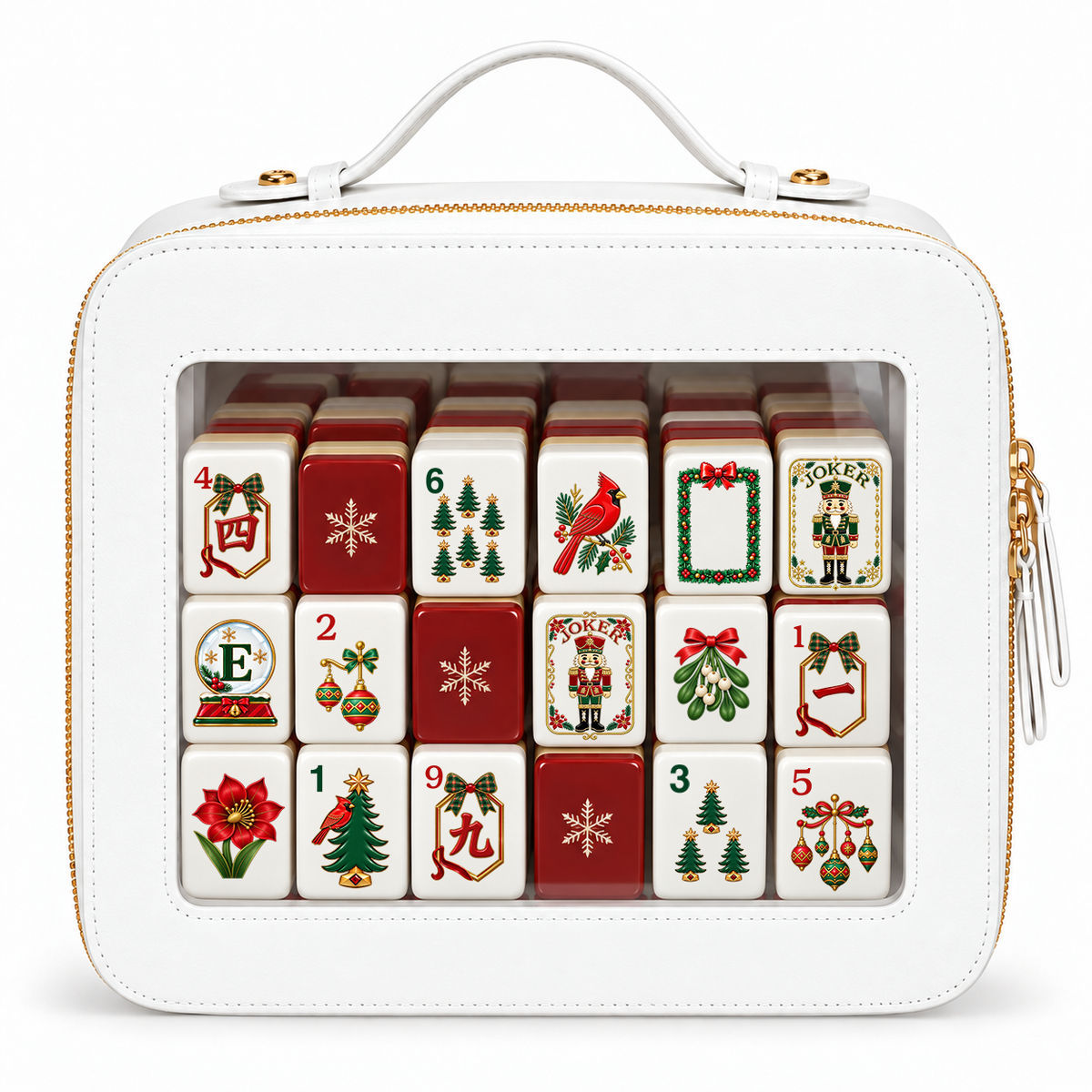
Savannah's mahjong scene centers on private clubs, community centers, libraries, and synagogues rather than dedicated mahjong parlors. Start by contacting the main public library and nearby country clubs—many host weekly games. Check Meetup.com and Facebook community groups for active Savannah players advertising open games. Synagogues often welcome newcomers to standing game groups. Word-of-mouth spreads fastest; ask at bridge clubs and senior centers. If you can't find a game, hosting one is easiest: you'll need best-selling American mahjong sets, a mat, racks, and a current-year tile card. Expect friendly games at homes or community rooms, with most groups playing American mahjong following the National Mah Jongg League card issued each spring.
Savannah's mahjong community is real and welcoming—but you have to know where to look. Unlike cities with dedicated mah jongg clubs, Savannah players organize through libraries, temples, social clubs, and neighborhood groups. We've hosted dozens of first-timers who found games this way, and every one became a regular. Here's your honest guide to finding a seat—or starting one.
Where do local Savannah players actually gather?
Community centers, synagogues, libraries, and private social clubs host the most consistent weekly games. Start with the Savannah-Chatham County public library system, which sometimes lists game groups on bulletin boards or can connect you with organizers. Check nearby country clubs and retirement communities; many have standing games that welcome visiting players. Synagogues in the Savannah area often host games open to members and guests. Ask the staff or call their administrative office directly—don't assume games exist unless you confirm. Libraries sometimes host gaming meetups; ask about bridge or card game nights where mahjong players might gather.

How do I find games through online groups and networks?
Meetup.com lets you search "Savannah mahjong" and filter by activity status; genuine groups post scheduled times and often accept new players. Facebook community groups (search "Savannah Georgia groups" or "Savannah social groups") frequently list game announcements. NextDoor, the neighborhood app, is where Savannah residents post local activities—check your neighborhood board. Email the organizers directly and introduce yourself; most groups are friendly to serious beginners who've watched a few hands or learned the basics from our guide to American mahjong. Ask if they play the American version or a different variant, since rules differ significantly. Attend once as an observer before committing to play—that's standard etiquette.
What should I bring or know before showing up to a game?
Arrive 10–15 minutes early so you can meet the group and watch a hand or two. Bring a notebook to jot down scoring rules and any house rules specific to that group (some groups vary on joker use or bonus tiles). American mahjong games use the current-year National Mah Jongg League tile card—ask the host which year's card the group uses; most switch every spring. Wear comfortable clothes and clear a space at the table; games last 1–3 hours. Bring cash for small stakes if the group plays for money—ask beforehand what the typical bet is. Respect the Charleston tile-passing ritual and don't rush; experienced players value deliberate play. If you're unsure, say so—real groups help newcomers learn rather than penalizing confusion.

What if I can't find an existing game—should I start one?
Yes. Hosting is the fastest way to build a Savannah circle. Invite 3–4 interested friends or community members (four players make one complete game). You'll need a set from our best-selling collection, a quality mat to protect your table, racks and pushers to organize tiles neatly, and dice. Most Savannah hosts play in a living room or dining area with good lighting. Pick a standing weekly time—Tuesday or Thursday evenings work well. Play for free the first session; word spreads, and you'll fill your table. Use a mahjong mat that fits your space; Savannah humidity can warp cheap tile cases, so invest in a durable set in a proper bag or storage case if you're planning to host regularly.
What mahjong variant do Savannah players prefer?
Most Savannah groups play American mahjong, which uses the National Mah Jongg League tile card and a standard 152-tile set plus eight jokers. American rules are beginner-friendly: no sequences (chows) to call, no open hand requirements, and jokers can swap for any tile in your hand. If you encounter Chinese, Hong Kong, or Riichi mahjong, the rules differ significantly—ask before joining. American games tend to move at a comfortable pace and suit social play. Once you learn American mahjong, switching variants is harder, so most regular groups stick to one for consistency. Ask the host explicitly: "American or Chinese?" before attending. Our how to play guide covers American rules in detail if you're prepping at home.
Hosting Checklist: What You Actually Need
Item | Why It Matters | What to Check |
152-tile set + 8 jokers | Plays one complete game | All 4 of each tile; no missing dragons |
Current-year tile card | Hands must match printed patterns only | Library or host can share their card |
Mat | Protects table; quiets tile noise | Size fits your table; washable surface |
4 racks with pushers | Organizes hand; speeds play | Each player gets one; smooth pushers |
Dice | Determines seating and starting wall | Needs all numbers 1–6 visible |
Storage case or bag | Keeps set protected between sessions | Holds all 160 tiles safely |
🀄 Shop best-selling mahjong sets →
What to Check Before You Buy a Set (if You're Hosting)
Tile quality: Run your finger across the tiles. Rough edges snag hands; smooth tiles slide cleanly and last years. Engraved tiles (not printed stickers) resist fading in Savannah's humid climate.
Weight and feel: Lighter acrylic sets (often under 5 pounds) are easier to shuffle; heavier bone/bamboo sets are more traditional but harder on wrists during long games.
Case design: A divided, padded case keeps tiles from mixing. Soft drawstring bags are portable for traveling to another player's home; hard cases protect sets stored long-term.
Joker count: You need exactly eight jokers for American mahjong. Many sets include extras; that's fine—you'll use them as backups or teach newer players with a practice set.
Rack condition: Racks must slide smoothly. Test them in the store or ask the seller if they've been used. Bent racks frustrate players mid-game.
🎁 See our most-loved mahjong sets & accessories →
Starting a Savannah game group is simpler than finding one—and more satisfying. Most groups that survive do so because one person (you, maybe) bought a decent set, set a time, and invited friends. Word spreads through neighborhoods, synagogues, and coffee shops. Within six weeks you'll have a waitlist.
The hardest part isn't the rules or the money—it's showing up the first time. Call a community center. Post on NextDoor. Ask at your synagogue or library. One conversation leads to a game, and one game leads to a circle. Savannah's mahjong community is there; it just lives in living rooms and game nights, not a single public venue.
Savannah Venue Finder: Step-by-Step
Call the main library in your neighborhood; ask if they have a game group or bulletin board listings.
Check Meetup.com for "Savannah mahjong"—filter by distance and activity level.
Search Facebook for Savannah community or neighborhood groups; ask publicly if anyone plays.
Contact 2–3 local synagogues (temples); ask staff if they host games or know players.
Email the social chair at your country club or retirement community if you're a member.
Visit a bridge club or senior center and ask directly—mahjong players often know each other.
If no games exist, host one: Post on NextDoor, invite 3–4 people, set a weekly time, and get a reliable set.
✨ Find your Mahstead set — free US shipping →

FAQ
Is American mahjong played in Savannah?
Yes. Most regular Savannah groups play American mahjong using the National Mah Jongg League tile card. Chinese and Riichi variants exist but are far less common. Ask the host before attending to confirm the ruleset.
Do I need to know how to play before joining a game?
No. Expect to observe your first session and learn by watching. Serious groups welcome humble beginners who ask questions. Avoid joining for money until you've played five or six hands.
What's the cost to join a Savannah mahjong game?
Most social games are free; some groups play for small stakes ($0.50–$2 per game). Ask the host before arriving. Hosting a game costs only the initial investment in a set and mat.
How do I set up my own weekly game?
Pick a time and place (living room, community room, friend's home), invite 3–4 people, get a 152-tile set with a mat and racks, and play free the first session. Announce on NextDoor or community boards; players will find you.
Where can I buy a mahjong set that's good for hosting?
Our best-selling collection has durable acrylic sets with smooth tiles, racks, and storage cases designed for regular play. All sets ship free across the US.
What's the difference between American and Chinese mahjong rules?
American mahjong uses a tile card, no chows (sequences), and more jokers. Chinese mahjong allows chows, requires open hands, and plays by memory. Both are fun; American is easier for beginners and more common in Savannah.
Do I need to know the Charleston before playing?
Yes. The Charleston is the tile-passing ritual before each hand. It's not hard—watch one round, then join. Ask any player to explain while you watch; it takes 90 seconds.


View More
View More
View More
