
Mahjong Classes for Beginners in Birmingham
Last updated: Nov 23, 2026
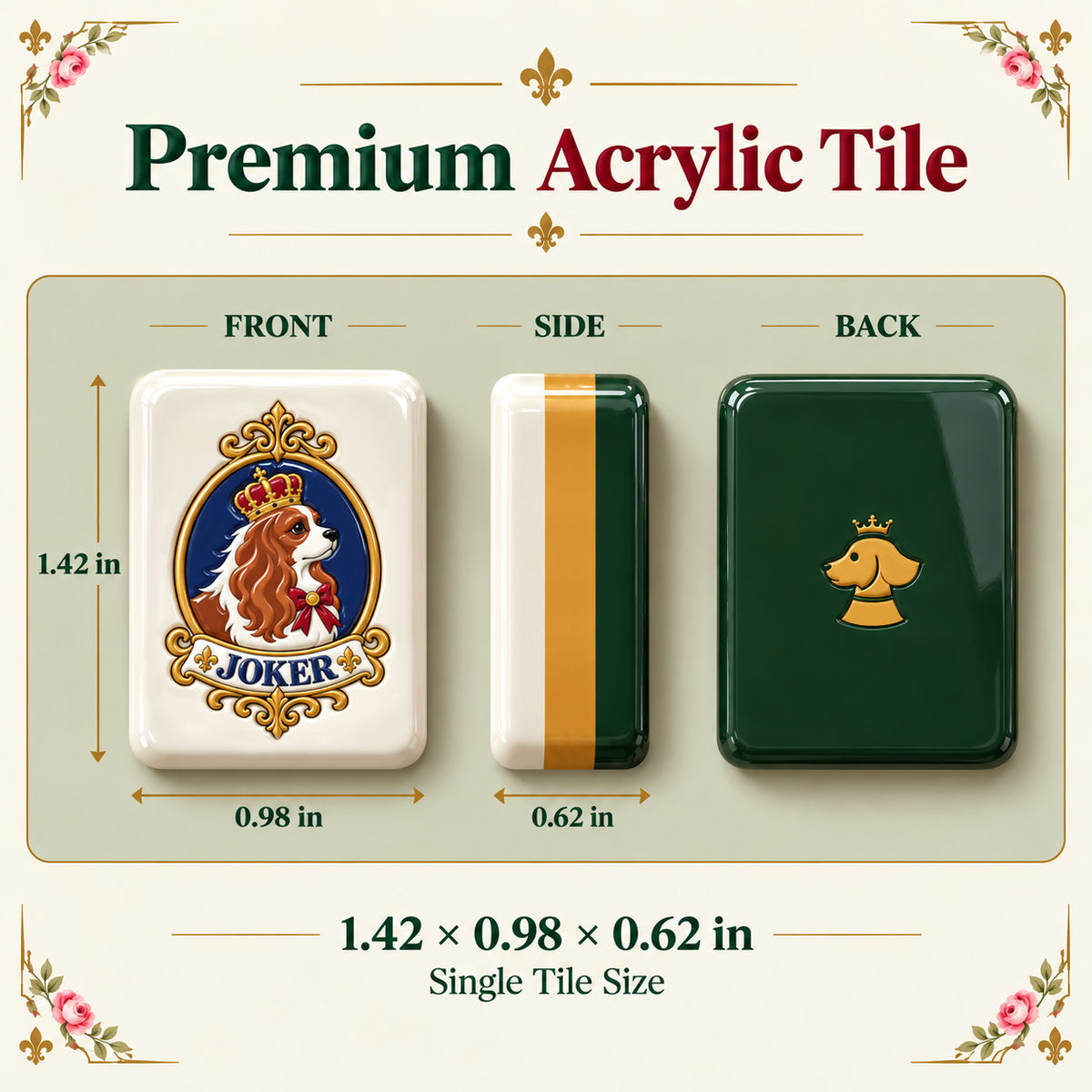
Birmingham beginners can find mahjong classes through community centers, libraries, synagogues, and private instructors advertising on Meetup or local Facebook groups. Most beginner classes run 4–8 weeks and teach the National Mah Jongg League format used in America, covering tile basics, hand-reading from the annual card, the Charleston shuffle, exposing melds, and scoring. Cost varies widely—anything from free workshops at libraries to modest per-session fees at recreation departments or independent teachers. Before enrolling, confirm the instructor teaches American (not Chinese or other variants), uses the current-year league card, and lets you handle real tiles during lessons. Many players buy a personal set from Mahstead or another supplier to practice at home between classes, which accelerates learning.
Where do beginner mahjong classes meet in Birmingham?
Start by calling your local parks and recreation department, public library, and any synagogue or Jewish community center in your area—these are the most common hosts for beginner classes. Check community bulletin boards, library websites, and Meetup.com for "mahjong" + "Birmingham." Many towns also have private instructors who list availability on Facebook groups or neighborhood apps. Ask at existing classes or social groups if they recommend teachers; word-of-mouth often yields the best fit.
🀄 Shop best-selling mahjong sets →

What exactly will a beginner class teach you?
A solid 4–6 week beginner course covers the 152 tiles and their organization (Bams, Craks, Dots, winds, dragons, flowers), how to read the current year's National Mah Jongg League card, the Charleston (the tile-passing ritual before each hand), recognizing exposed melds (pungs, kongs, quints), calling and winning, and basic scoring. Instructors also teach common mistakes—like thinking you can form sequences in American mahjong (you can't; American uses only identical-tile melds), or misplacing jokers. A good teacher plays full hands with the class so everyone practices under realistic conditions. By week six, you should hold a tile hand, recognize what's playable on the card, and understand why a call wins or loses. This foundation prepares you to join a weekly game.
How long does it take to become confident enough to play?
Most students feel confident after 4–8 weeks of weekly classes, assuming they practice between sessions. Confidence doesn't mean mastery—mahjong strategy deepens over years—but you'll understand the rules, read the card without stopping play, and know why your hand works or doesn't. Players who spend 30 minutes a week drilling the card or watching videos progress faster. The real learning happens once you join a table; the first 10–15 games feel chaotic, but by game 20, pattern recognition becomes automatic.
What should you bring, and what should your teacher provide?
Arrive with a notebook or phone to capture notes. A good instructor supplies tiles (usually a 160-tile acrylic American mahjong set), a mat to keep tiles organized, and current-year league card handouts or copies. If your class supplies worn tiles or doesn't have enough sets, consider buying your own; it ensures consistent practice and lets you play outside class. You don't need fancy equipment—clear tiles and a simple mat work fine—but staying organized makes learning faster.

How to choose a beginner class: the decision framework
Criteria | Green flag | Red flag | Why it matters |
Variant taught | American (uses league card) | Chinese, Hong Kong, or unlabeled | American rules differ fundamentally; wrong variant wastes time |
Class size | 4–8 students | >12 or "drop-in" format | Small groups allow the teacher to spot individual confusion |
Pace | Tile basics weeks 1–2, card/Charleston weeks 3–4, play weeks 5+ | Mixing all topics in week one | Beginners drown if too much hits at once |
Equipment | Teacher owns tiles + mats + cards | Students bring their own (no backups) | Equipment gaps stall the lesson |
Practice expectation | "Practice 15 min/week at home" | No mention of practice | Home drilling cuts learning time in half |
Instructor experience | Teaches ≥3 years or plays weekly | First-time teacher | Experienced teachers diagnose mistakes faster |
🎁 See our most-loved mahjong sets & accessories →
What to learn at home between classes
Between lessons, spend 15–20 minutes per week drilling three things: (1) tile naming—say aloud "1 Bam, 2 Bam" as you touch each tile so your eyes and voice sync; (2) reading the current-year league card—pick a hand at random and spot it on the card, then check if your tiles match (yes = you read it right); (3) shuffling—mixing tiles face-down and sorting them by suit, so your hands move the way they will at game speed. Don't memorize the entire card; instead, look for visual patterns (all 1s, pairs with numbers adding up, consecutive numbers in one suit). This habit makes class feedback stick and keeps frustration low.
What happens after your class ends?
Once your class ends, the goal is joining a weekly game. Ask your instructor or classmates about ongoing groups meeting at homes, community centers, or senior centers. If nothing exists locally, consider playing with the online community or starting a group yourself—even two regular players plus a teacher can become four after word spreads. Your first live game will feel fast; sit back, watch a hand, ask questions, and don't worry about winning. Confidence grows after game three or four.
What tiles and mats set you up best for practice?
Once you've taken a few classes and know you're serious, a personal set pays off. Look for a 160-tile acrylic set with clear printing—acrylic tiles are durable, visible, and stay clean. Pair it with a simple mat to keep tiles from sliding around your practice table; even a 4-foot folding mat works. Don't buy ornate or heavy sets yet; your first set is for learning, not collecting. Many beginners regret buying large, cumbersome sets before knowing they'd stick with the game—invest modestly at first, upgrade later if it becomes a weekly ritual.
✨ Find your Mahstead set — free US shipping →
What to check before you buy a set for practice
Tile clarity: Can you read the symbols from three feet away? If the image on the product page is tiny or fuzzy, the actual tiles might be hard to read during rapid play.
Joker count: Your set includes extra jokers for backup; confirm the listing says "160 tiles" (the industry standard for American mahjong play).
Mat fit: Measure your practice table; a mat should leave room for your hand and a discard area without hanging off edges.
Shipping time: Order early if your next class is in two weeks; don't assume overnight delivery.
Return policy: Buy from sellers offering returns, not final-sale sets, in case the tile size doesn't match your hands or eyesight.

FAQ
Can I learn mahjong online instead of taking an in-person class in Birmingham?
Yes. Online classes or tutorials teach the same rules, though you miss hands-on tile practice and real-time feedback. Combine a recorded tutorial with a beginner class once you find one—the mix accelerates learning faster than either alone.
Do I need to own a mahjong set before my first class?
No. Most instructors provide shared sets; you only need your own if you plan to practice between classes or join games after the class ends. A personal set speeds up learning by 30–50% because consistent tile time builds muscle memory.
What's the difference between the tile sets I see for sale—why do some cost more than others?
Price reflects material (acrylic, bamboo, bone resin), tile clarity, included accessories (mats, racks, bags), and packaging. For a beginner, a mid-range acrylic set with a simple mat is ideal; fancy sets are worth it only after you've played 50+ hands and know your preferences.
How do I find a class if the local library or community center doesn't offer one?
Call synagogues, Jewish community centers, and senior centers—they're common hosts. Check Meetup.com, neighborhood Facebook groups, and Craigslist "community" section for "mahjong" + "class" or "instruction." You can also ask at bridge clubs or poker games; mahjong communities often overlap.
Should I memorize the entire mahjong card before my first class?
No. Memorizing 88 hands wastes time. Instead, learn to spot patterns (all one suit, consecutive numbers, pairs) and practice finding a hand on the card in 5–10 seconds. Your instructor will teach the shortcuts; repetition does the rest.
Is American mahjong harder than Chinese mahjong?
They're different, not harder. American mahjong uses an annual card, so hands are fixed; you learn patterns, not endless combinations. Chinese mahjong has more flexible hand sets but stricter tile-calling rules. Choose the variant your local classes teach to join existing game communities.
How often should I practice between classes?
Aim for 15–30 minutes weekly, split into three 5–10 minute blocks (tile naming, card reading, shuffling). Consistent short sessions beat cramming the night before; your brain absorbs tile names and card patterns fastest with rest between.


View More
View More
View More
