
Mahjong Tournaments in Milwaukee: Guide & How to Join
Last updated: Nov 23, 2026
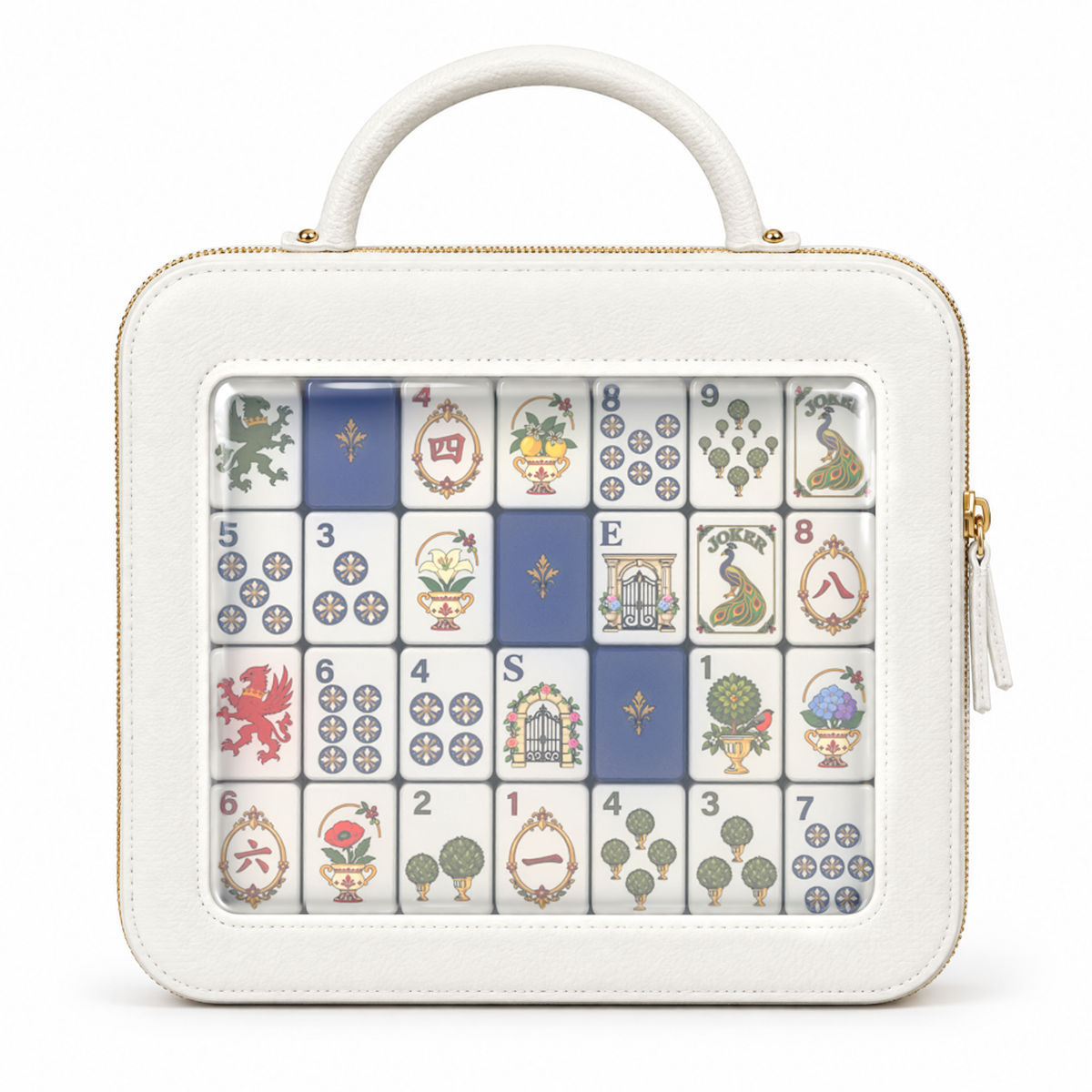
Milwaukee's mahjong scene centers on community centers, synagogues, country clubs, and senior centers across the metro area. Most host American mahjong tournaments in fall and spring, with weekly casual leagues running September through May. Tournaments typically cost between game fees and entry donations (check host websites for current amounts). The National Mah Jongg League publishes the official hand card each spring; Milwaukee hosts use the current year's card exclusively. Prepare by learning how to play American mahjong, understanding the Charleston tile-passing ritual, and reviewing scoring rules. Most tournaments require a personal 152-tile set; many clubs have loaners. Start by calling local community centers or searching "mahjong" on meetup boards—Milwaukee's clubs actively recruit beginners and experienced players alike. 🀄 Shop best-selling mahjong sets →
Where do Milwaukee mahjong tournaments happen?
Milwaukee mahjong tournaments and leagues run at community recreation centers, Jewish community centers, country clubs with game rooms, and senior centers throughout the metro area. Call ahead: most have dedicated game nights or seasonal tournament schedules posted online or available by phone. Libraries sometimes host beginner clinics or can refer you to active clubs. Meetup boards and Facebook groups for "mahjong Milwaukee" or "Wisconsin mahjong" list current meetings, times, and entry details. Don't assume a venue hosts mahjong year-round—most tournaments cluster in fall (September–November) and spring (March–May), with lighter schedules in summer. Start your search at the nearest community center or library reference desk.

What's the difference between casual leagues and sanctioned tournaments?
Casual leagues meet weekly in someone's home or a public space, play for fun or small stakes, and use the current National Mah Jongg League card but don't report scores officially. Sanctioned tournaments follow strict League rules, have registered organizers, track results, and may contribute to player rankings. Both use identical American mahjong rules: 152 tiles, eight jokers, four players, the Charleston, and hands from the annual card only. Sanctioned events may charge entry fees to cover prizes and administration; casual leagues typically ask for snacks or a small contribution. Beginners benefit from casual leagues first—lower pressure, patient teaching, and a chance to learn before competing. Ask your local host whether they run League-sanctioned events or social play.
How do you prepare for your first tournament?
Skill checklist:
Learn the tile count (152 tiles + 8 jokers), the four suits (Bam, Crak, Dot, plus Winds and Dragons)
Study how jokers work in American mahjong—they replace any tile except in pairs or singles
Practice reading the current mahjong card to spot legal hands fast
Master the Charleston: three passes of 14 tiles per round, left, then across, then right
Review American mahjong scoring so you understand point values and how winners earn
Equipment to bring or borrow:
A personal mahjong set if you own one, or ask the host about loaner sets
Optional: mahjong racks with pushers to hold and organize your tiles (many clubs have extras)
A pen and score pad (hosts usually provide)
Most Milwaukee tournaments allow 15–30 minutes before play starts for newcomers to ask rules questions. Arrive early, introduce yourself, and ask whether they have a house rule on specific calls or tile disputes. Experienced players are almost always willing to coach a beginner between hands.
🎁 See our most-loved mahjong sets & accessories →
What should you expect at your first game?
A typical four-player American mahjong tournament round lasts 20–30 minutes per hand. You sit at a table with a mat (often provided), receive 13 tiles after the Charleston, then draw and discard in turn. The goal is to form a legal hand from the current year's card before anyone else—legal hands use only pungs (3 identical tiles), kongs (4 identical), quints (5 identical), sextets (6 identical), or pairs of identical tiles; no sequences or chows. When you win (go "mah"), you score points based on the hand's value on the card. If no one wins after all tiles are drawn, the hand is a draw (a "wall game"). Tournament rounds typically play 8–12 hands per session, with a lunch or snack break halfway through. Scores accumulate; the highest score at day's end wins. Expect friendly banter, careful tile-clicking, and an occasional rules question—that's normal and welcomed.

What makes Milwaukee's mahjong community unique?
Milwaukee has a strong tradition of American mahjong rooted in Jewish community centers and women's social clubs dating back decades. This means the local scene is both welcoming to newcomers and deeply knowledgeable about rule nuances. Many Milwaukee players are generous mentors who enjoy introducing the game to fresh players. The metro area's population density and organized recreation system means game nights run consistently October through April, with a smaller summer circuit. Wisconsin's broader mahjong network includes players from Madison and Green Bay who travel to larger tournaments, so you may meet players from across the state. Online forums and local Facebook groups create a tight-knit feel—ask a question, and you'll get real answers from people who play weekly. Milwaukee's mahjong culture values both competitive play and social connection; expect to make friends alongside learning the game.
Tournament Type | Best For | Frequency | Key Takeaway |
Casual weekly league | Beginners, learners, social play | Year-round (lighter summer) | Low pressure, patient teaching |
Seasonal tournament | Intermediate+ players, competition | Fall & spring | Official scores, prizes, travel |
Home game | Regulars, friends, consistent group | Weekly or monthly | Flexibility, known players |
Beginner clinic | Brand-new players (0–5 games) | Spring & fall | Rules, card reading, confidence |
✨ Find your Mahstead set — free US shipping →
How to get a set and mat before tournament season
If you don't own a mahjong set, buying one before your first tournament ensures you're comfortable with your tiles and familiar with setup. A standard American mahjong set contains 152 tiles plus spare tiles for replacements. Look for engraved sets with clear numbering and easy-to-read suit symbols (birds for Bams, circles for Craks, dots for Dots)—these speed up play and reduce mistakes under pressure. Pair your set with a mahjong mat that fits your table; many tournament players bring personal mats for familiarity. If you're serious about tournaments, mahjong racks with pushers let you organize tiles vertically so you can see your entire hand at a glance—a huge advantage over laying tiles flat. A travel bag or case protects your set and makes carrying to games effortless. Start with the basics: a quality set you enjoy handling, a mat that fits your space, and practice reading the current card at home.
What to check before you buy your first set
Before purchasing, confirm these:
American mahjong uses 152 playing tiles (not 144 or 166)—verify the set count
Tiles should be acrylic or bamboo, durable enough for hundreds of plays
Suit symbols must be clear (bird icon on 1 Bam, distinct circle and dot marks)
Numbers 1–9 in each suit, four of each tile, plus Winds (16), Dragons (12), Flowers (8), Jokers (8)
A carrying case or bag for safe transport between home and tournaments
Ask the seller: are spare tiles included for replacements?
Check that you can read tiles from arm's length away—poor contrast causes hesitation and slows play
Most Milwaukee clubs allow loaner sets for your first 1–2 games, so you can try before investing. Ask whether the club has preferences for tile size or material—older players may prefer heavier tiles; younger players often like lighter acrylic. Once you find a set you love, you'll want to use it at every game.

FAQ
Where do I find current tournament dates and times in Milwaukee?
Check local community center websites, call the main recreation office, visit meetup boards (search "Milwaukee mahjong"), or ask at your nearest public library. Most tournaments post schedules 4–6 weeks in advance. Wisconsin mahjong Facebook groups also list upcoming events and accept newcomers.
Do I need to own a mahjong set to play in a Milwaukee tournament?
No. Most hosts have loaner sets available, but owning your own lets you practice at home and build familiarity before your first game. Investing in a set signals commitment and speeds your learning.
What's the cost to enter a Milwaukee mahjong tournament?
Entry fees and game costs vary by host and tournament type. Contact the organizer directly for current amounts. Casual leagues typically ask for a small donation or snack contribution; sanctioned tournaments may have higher entry fees to fund prizes.
Can I play if I've never played American mahjong before?
Yes. Milwaukee's community welcomes beginners. Start with a casual league or beginner clinic, not a competitive tournament. Spend 2–4 weeks learning the rules and card before entering a sanctioned event.
What's the best way to learn the rules before my first game?
Study how to play American mahjong, practice reading the mahjong card, and watch a game at a casual league before playing. Ask the host for a rules sheet or beginner guide—most provide one.
Do Milwaukee mahjong players follow the National Mah Jongg League rules exactly?
Yes. All American mahjong tournaments in Milwaukee use the current National Mah Jongg League card and official rules: 152 tiles, American-style play (pungs/kongs only, no chows), and the Charleston. Ask your host if there are any house rules before you start.


View More
View More
View More
