
Mahjong Clubs in New Orleans: Where to Play & Join
Last updated: Nov 23, 2026
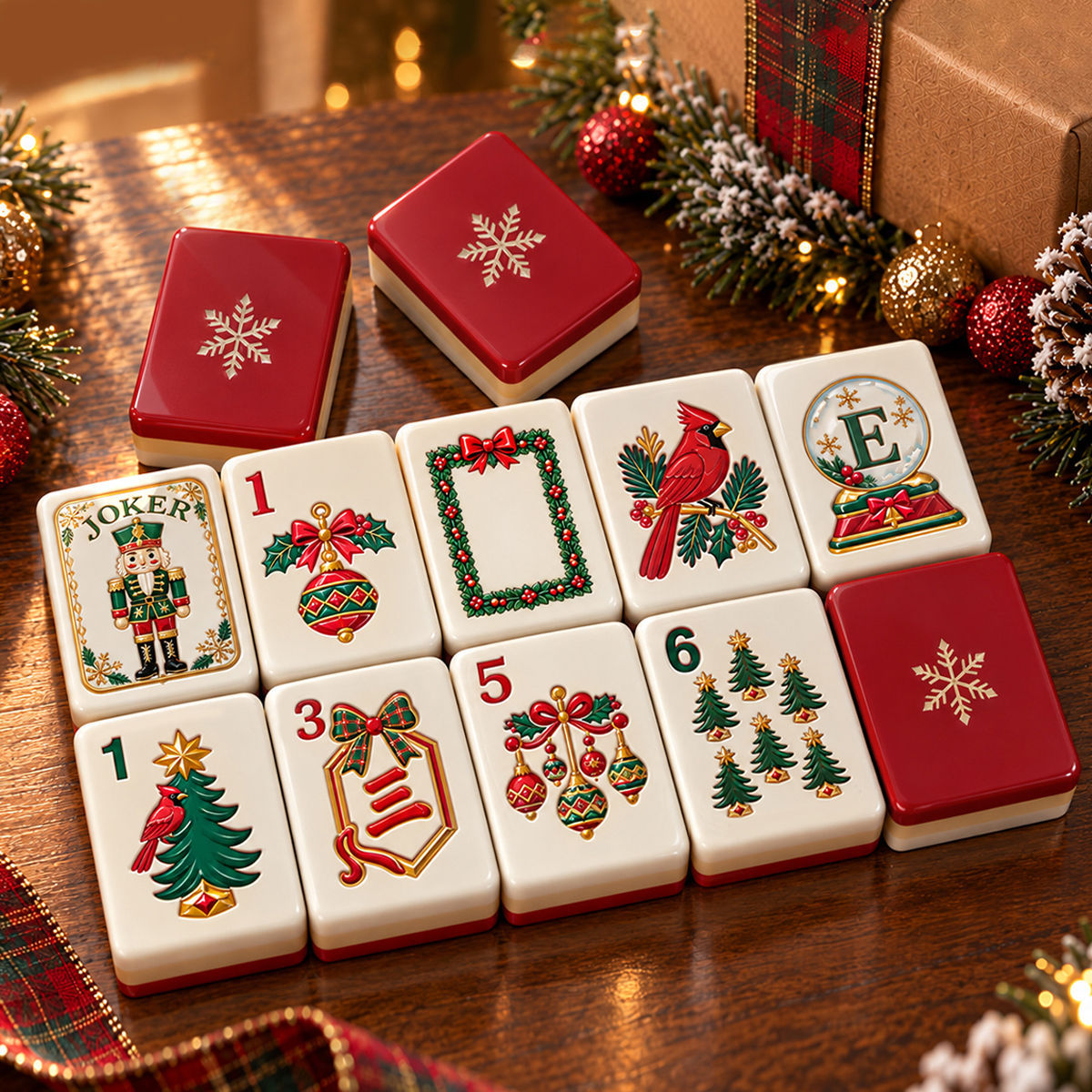
New Orleans hosts mahjong games year-round through community centers, public libraries, synagogues, country clubs, and organized meetup groups—search Meetup.com and NextDoor for current listings, or call local libraries and Jewish community centers to ask about standing weekly games. Most clubs welcome beginners to intermediate players; games typically run weekly (often Tuesday, Wednesday, or Thursday evenings) and cost nothing to a small door fee. American mahjong is the dominant variant in NOLA, played with 152 tiles and the current year's National Mah Jongg League card. Beginners should arrive with a best-selling acrylic set, a card holder, paper for scoring, and an open mind—many clubs loan spare tiles or cards if you're brand new. Avoid bringing a home-made set or outdated NMJL cards; respect posted house rules (some clubs forbid certain bet sizes or require specific seating rotations). --- 🀄 Shop best-selling mahjong sets →
How do I find an active mahjong club in New Orleans?
Start with Meetup.com and search "mahjong New Orleans" or "mah-jong NOLA." Check your neighborhood's NextDoor board and ask librarians at your local branch—many partner with seniors or community groups hosting regular games. Call community centers (especially those serving senior adults), Jewish temples and community centers in the area, and country clubs if you're a member. Don't be shy about asking established players at game nights; the NOLA mahjong scene is famously welcoming, and word-of-mouth leads to the best tables.

What should I know about American mahjong before my first session?
American mahjong uses a tile set with Bams, Craks, Dots, winds, dragons, flowers, and jokers—152 playing tiles total. Before every game, players pass tiles to each other in a ritual called the Charleston; hands are drawn only from the current year's National Mah Jongg League card, never from memory or older rules. You cannot form chows (sequences like 1–2–3); only pungs (three matching tiles), kongs (four), and longer groups of identical tiles count. Jokers are wild in groups but cannot be used for singles, pairs, or zero positions—this trips up beginners constantly. Most NOLA clubs use American rules exclusively, so learning how the Charleston works before you arrive earns immediate respect.
What equipment do seasoned players bring to the table?
Every serious player arrives with an acrylic set in a protective case, a personal card holder (to keep your hand private and organized), a scorepad, and a pen. Many bring a mat to protect the playing surface and define the discard area; racks with pushers help organize your tiles neatly and speed up play. Some clubs supply these; most don't. Seasoned NOLA players also keep a small notebook to track joker positions and patterns they notice—a habit that sharpens your eye for the card. Avoid showing up with loose tiles in a shoebox or a fabric bag without internal organization; it signals you're brand new and can slow the table. A travel bag with built-in tile organizers and a compact mat solve most logistical headaches.
🎁 See our most-loved mahjong sets & accessories →
What's the cost and commitment for joining a New Orleans club?
Most regular meetup groups charge nothing or a small door fee (under what a coffee costs) to offset room rental; private clubs may ask for membership dues or a per-session fee. The time commitment is flexible—drop in when you can, usually 2–4 hours per game night. Some clubs are drop-in casual; others require a steady core group. Scoring is typically played "for fun" (no real money), though some private games may involve small friendly wagers with house rules—ask before your first hand. A beginner's first session costs nothing except bringing your own set or asking the host if spares are available; after that, you'll want reliable gear of your own so you're welcome back.

What mistakes do newcomers make, and how do you avoid them?
Mistake | Why it matters | How to avoid it |
Bringing a 144-tile or house-rule set | Clubs use standard 152-tile American only; incompatible tiles disrupt the entire table | Verify your set has 152 tiles; buy a trusted acrylic set if unsure |
Using last year's NMJL card | Hands don't match; you'll call false mahjong and lose trust | Arrive with the current 2026 card or ask the host for a loan |
Asking to change house rules mid-game | Every club has different scoring or seating customs; overriding them marks you as disrespectful | Arrive 10 minutes early, observe one hand, and ask questions before you play |
Putting jokers in singles, pairs, or zero spots | American rules forbid it; experienced players call it instantly and you'll embarrass yourself | Read how jokers work in American mahjong before your first night |
Sharing your hand or talking about discards | Breaks the integrity of the game; seasoned players will politely freeze you out | Keep your tiles private; never comment on another player's strategy mid-hand |
Showing up without a working set or card holder | Slows play and signals you're unprepared; hosts remember this | Invest in a quality set, mat, and racks before your first game |
How does New Orleans mahjong culture differ from other US cities?
NOLA's mahjong scene is notably warm and intergenerational—you'll find lifelong players in their 80s happily teaching beginners at the same table. The pace tends to be slightly slower than coastal cities (there's no rush in New Orleans), and house rules often include local tweaks around scoring or seating. Many NOLA clubs have roots in Jewish community traditions but are completely open to all backgrounds; some meet in secular community spaces. The dress code is relaxed, the banter is real, and nobody cares if you're a tourist or a long-timer. Winter attendance often spikes (snowbirds arrive from the north), so expect livelier tables December–March. Beginners thrive here because patience and humor matter more than speed.
✨ Find your Mahstead set — free US shipping →
What to check before you buy your first set for club play
Tile count: Confirm it's 152 playing tiles (not 144). A 160-tile set includes 8 extra spare tiles and works perfectly for club play.
Tile material: Acrylic (smooth, uniform) is standard; avoid plastic or resin sets that vary in thickness or weight—experienced players will notice the difference.
Case quality: Look for a set that ships in a sturdy bag or hard case; you'll transport it every week, and cracked tiles mean an unusable set.
Clarity of markings: Can you read the Bams, Craks, and Dots quickly in mixed light? Engraved sets stay readable longer than painted ones.
Joker count: Your set should include at least 8 jokers; a few spares are fine and useful when one cracks.
Buy new, not used: Unless you know the previous owner, used sets may have missing or mismatched tiles—a deal-breaker for club play. A reliable best-selling set costs less than you think and will last years.
If you're ready to join a New Orleans mahjong club, start this week: search Meetup, call your local library, and show up with a quality set and the current NMJL card. Seasoned players remember who shows up prepared and respectful, and NOLA welcomes new faces. The mahjong tables in this city run strong, the community is genuine, and your first hand is waiting.

FAQ
Do I need to know how to play before joining a New Orleans club?
No. Most clubs have one or two experienced players who happily teach beginners during hands. However, learning the basics of American mahjong ahead of time—the tile types, the Charleston, and why jokers matter—will make your first night much less stressful and more fun.
Is American mahjong the only variant played in New Orleans clubs?
American mahjong dominates NOLA's club scene. You'll occasionally find a Hong Kong or Chinese variant game, but you'll need to ask when you call ahead. Always assume American rules unless told otherwise.
What happens if my tile set is missing a tile or has a cracked piece?
Most clubs have a few spare tiles on hand you can borrow for that session. However, a broken set signals you should replace it before you return; clubs are patient with newbies but expect members to maintain their own gear. A spare set kept at home ensures you never miss a game night.
Can I bring a partner or friend who's never played mahjong?
Yes. Let the host know when you arrive so they can pair your friend with an experienced player for teaching. Groups always welcome enthusiastic newcomers, and NOLA clubs thrive on word-of-mouth growth.
How much does it cost to play in a New Orleans mahjong club long-term?
Most meetup groups and community center games are free or ask for a small voluntary donation. Private clubs may charge monthly membership or a per-session fee; ask the host directly. Ongoing cost is mainly your own set and the current NMJL card (issued every spring).
Should I buy an engraved or custom set, or is a standard set fine?
A standard set works perfectly for club play. Engraved sets add personality and make a great gift, but they're not required—many experienced players use simple acrylic sets and focus on the game itself. Choose based on what makes you excited to show up.


View More
View More
View More
