
Mahjong Beginner Strategy Mistakes to Avoid
Last updated: Nov 23, 2026
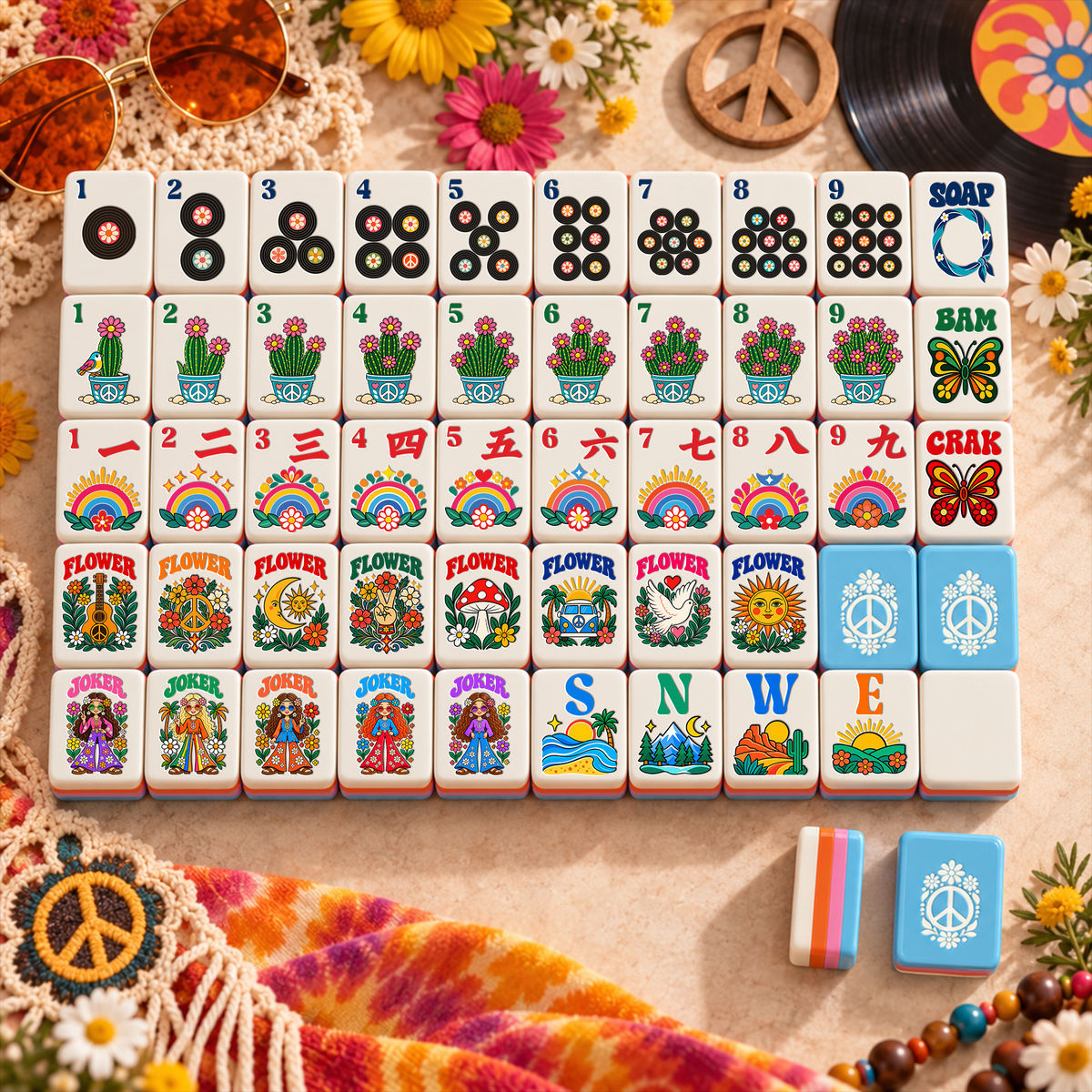
Beginner mahjong mistakes fall into three buckets: misreading the card, holding onto unlikely tiles too long, and mismanaging the Charleston. The most expensive error is chasing too many hands at once instead of locking into ONE valid pattern early—this splits your attention and leaves you with dead tiles mid-game. Second: beginners cling to "pretty" tiles (dragons, flowers) hoping they'll fit a hand instead of dumping them fast when no hand uses them. Third: during the Charleston, they pass defensive tiles instead of tiles that unblock their own hand, giving opponents exactly what they need. Fourth, they don't track which hands require jokers versus which don't, so they waste jokers on flexible hands and run dry when they need them. Fifth: they ignore suit balance—holding seven Bams and two Craks guarantees you'll never win. Sixth: they call pungs too eagerly early in the hand instead of staying flexible. Seventh: they don't know when to fold and keep playing dead hands to the bitter end. We test these patterns weekly and each costs real games. The fix is one rule: decide your ONE valid hand from the current year's National Mah Jongg League card within the first three turns, then shape every draw and discard around that single goal.🀄 Shop best-selling mahjong sets →
Are you choosing just one hand too late?
Most beginners stay open to four or five hands until turn five or six, hoping for a miracle. By then, you've accepted tiles that fit none of them, other players know your weakness, and you're already losing. We lock a hand on turn two or three—meaning by turn three, we've decided which line on the card we're playing and every single discard serves that one hand. If your first seven tiles don't anchor a clear hand within that window, pivot to a different one and commit. Indecision is bankruptcy in mahjong. The National Mah Jongg League card changes every spring and holds hundreds of valid hands; picking early gives you time to block opponents and stay flexible if your tiles shift.

Does your tile discard order leak your hand?
When you discard in chaotic order—a random Crak, then a Dot, then a Bam—experienced players map your whole hand in seconds. We discard from one suit at a time, or release all honor tiles first, then work suits systematically. This stalls opponents' inference and makes your hand harder to read. Never discard a tile you'll need later just because it feels less urgent right now; that panic discard often circles back to you or feeds your left-hand opponent exactly what they're fishing for. Every discard should feel intentional, not reactive.
Are you holding tiles that can never win together?
A beginner's hand often holds one 3 Crak, one 7 Dot, one South wind, and hopes these disparate tiles somehow form a pattern. They won't. American mahjong has no chows (sequences)—you need only pungs (three identical tiles), kongs (four identical), quints (five identical), sextets (six identical), and pairs. If a hand on the card reads "three 3 Craks, two 3 Dots, one pair of Flowers," those three 3 Craks are all you need from the first group; the three 3 Dots are a separate group. Many beginners misread this and think they can mix suits—they can't. Sit down with the current year's League card, pick a hand you like, and write down exactly which tiles you need in a list. Tape it to your rack. When you hold a tile not on that list, it's a drain.
Is the Charleston sabotaging your hand?
The Charleston—the ritual pass of three tiles between players before the hand begins—is where beginners leak strategy. During the Charleston, you have three seconds per pass to decide which three tiles to send right (or left, depending on the pass direction). Beginners often pass their honors (winds, dragons) hoping to clear space. Wrong. Pass tiles that don't fit any hand you might play, then accept whatever comes back. If someone passes you a 5 Dot and every hand you're considering needs 5 Dots, grab it and pivot your plan. The Charleston isn't a cleanse; it's an information exchange where you also read what your opponents are passing back—those reveals show their suit preferences and likely hand shape.
Are you burning jokers on hands that don't need them?
Jokers are wild, but they cost you. Some hands on the card can be played with zero jokers; others need three or four. Beginners use a joker the moment they can (to fill a group early) instead of asking: "Is there a way to build this hand without jokers?" Using jokers early limits your flexibility late—if you need a specific tile to win and no joker is left, you lose. Scan the card's section headers to see how many jokers each hand range requires. Hands marked "no jokers" are gold; use only real tiles for those. Reserve jokers for hands that genuinely demand them, and use them as late as possible.
Have you forgotten to count your suits?
A winning hand balances tiles across suits: Bams, Craks, and Dots. If your first six draws are all Bams, accept it and build a Bam-heavy hand—don't force yourself into a Crak hand because it looks fancier. Beginners see a pretty 1 Bam (usually shown as a bird image) and a string of Craks, then try to shoehorn both into one hand instead of accepting that Bams are today's suit. Once you pick your hand, count: How many Bams do I need? How many Craks? How many Dots? How many honors? Write those numbers down. As tiles arrive, mark them off like a shopping list. When one suit fills up early, you've found your suit and your hand is taking shape.
Should you call that pung right now, or wait?
Calling a pung early (exposing three matching tiles for others to see) locks you into a rigid path and signals your hand to the table. Beginners call immediately because it feels like progress. But once a pung is exposed, you can't change your mind—you're committed. We wait until turn four or five to expose, staying flexible as long as possible. If you're holding two 4 Dots and a joker, keep that quint hidden and draw freely; the moment you expose "4 Dots pung," you're locked in and your joker is visible to everyone. Expose only when you're confident and when exposing speeds your path to winning (not just because you can).
Common Strategy Mistakes at a Glance
Mistake | What Happens | Fix |
Too many open hands | Tiles don't connect; dead draws pile up | Pick ONE hand by turn 3 |
Discard order is random | Opponents read your hand instantly | Discard systematically (one suit per turn) |
Holding unrelated tiles | They never form a valid group | Check the card before keeping any tile |
Passing away honor tiles in Charleston | You lose flexibility; opponents gain it | Pass only tiles outside your planned hands |
Using jokers too early | None left when you need them in endgame | Save jokers for the final three turns |
Imbalanced suits | One suit maxes out; two are empty | Aim for 3–4 tiles per suit in your hand |
Calling pungs immediately | Rigid, exposed, and telegraphed | Wait until turn 4–5 to expose |
🎁 See our most-loved mahjong sets & accessories →
What to Check Before Your Next Game
Before you sit down, verify you have a current-year National Mah Jongg League card and that your tiles are clear and readable—a worn or poorly printed card or a set with faded tiles costs games by forcing rereads and misidentification. Our best-selling sets feature durable acrylic tiles engraved for clarity so numbers and suit symbols stay crisp through hundreds of hours. If you're playing at a friend's house, bring a quality set so you can always read every tile and card without squinting.
A padded mat or a good rack with pushers also reduces mistakes: you'll hold tiles at a comfortable angle, see your hand clearly, and avoid misdraws. We've found that beginners on mats with poor sightlines make more errors because they misread their own tiles—a silent strategy killer. Quality racks with pushers keep your hand organized and hidden from opponents, and a clear mat gives you room to lay out the card and check it on every draw without fumbling.
Your Beginner Strategy Checklist
[ ] Memorize the three tile types you can expose: pungs (3), kongs (4), quints (5), sextets (6).
[ ] Print and keep a current National Mah Jongg League card at the table every game.
[ ] By turn 3, write down your ONE chosen hand and all tiles you need for it.
[ ] During the Charleston, pass only tiles outside that hand.
[ ] Track your suit balance: aim for 3–4 tiles per suit minimum.
[ ] Discard systematically—one suit per turn or all honors first, then suits.
[ ] Save jokers for turns 5–8; use real tiles only in early turns.
[ ] Wait until turn 4 to expose a pung unless winning depends on it.
[ ] Never discard a tile you need in your chosen hand.
[ ] If you've drawn five tiles and none fit your hand, pivot to a new hand immediately.
✨ Find your Mahstead set — free US shipping →
New Player Setup: What You'll Need
We recommend starting with a durable engraved set so every tile is legible under any light. Pair it with a cushioned mat so you can angle your tiles for better sight lines, and add a rack with pushers if you play standing or want to keep your hand hidden and organized. Include a travel bag if you rotate between homes or bring your set to weekly game nights; we've seen a single protected set last through years of games, while unbagged sets chip and fade fast. All Mahstead sets include a current-year card and spare jokers—verify the card matches the year you're playing (the League releases a new card every spring).

FAQ
Why can't I just look ahead five turns and prepare for multiple hands?
Mahjong tiles arrive randomly; looking ahead is fantasy. Beginners who keep four hands "alive" end up with tiles that fit none of them and miss the hands that do fit. Commit early and adjust only if the tiles force you.
Is there a "safest" hand for new players?
Hands with fewer required jokers (check the card for hands marked "no jokers" or "one joker") feel safer. But the safest hand is always the one that matches your current tiles; trying to force a "easy" hand into random tiles is slower than pivoting to a hand your draws naturally support.
How do I know if a tile is dead—like, not going to help me anymore?
If the tile doesn't appear in your chosen hand on the card, and you have no plan B that uses it, it's dead. Discard it the next turn. Beginners cling to pretty tiles (dragons, flowers) hoping a hand will use them; usually, it won't.
Should I always discard the tile I drew, or can I discard from my original hand?
You can discard any tile from your hand—the tile you drew doesn't have to be the one you discard. Pick the tile from your full hand that hurts your chances least and discards information fastest.
What if everyone is passing good tiles to me in the Charleston and I don't have a hand plan yet?
That's your sign to pivot. If you receive a North wind, two South winds, and a Red dragon, scan the card for hands heavy in honors and winds. Build toward what the table is giving you, not what you hoped to draw.


View More
View More
View More
