
Mahjong Tournaments in Georgia: How to Find & Enter Them
Last updated: Nov 23, 2026
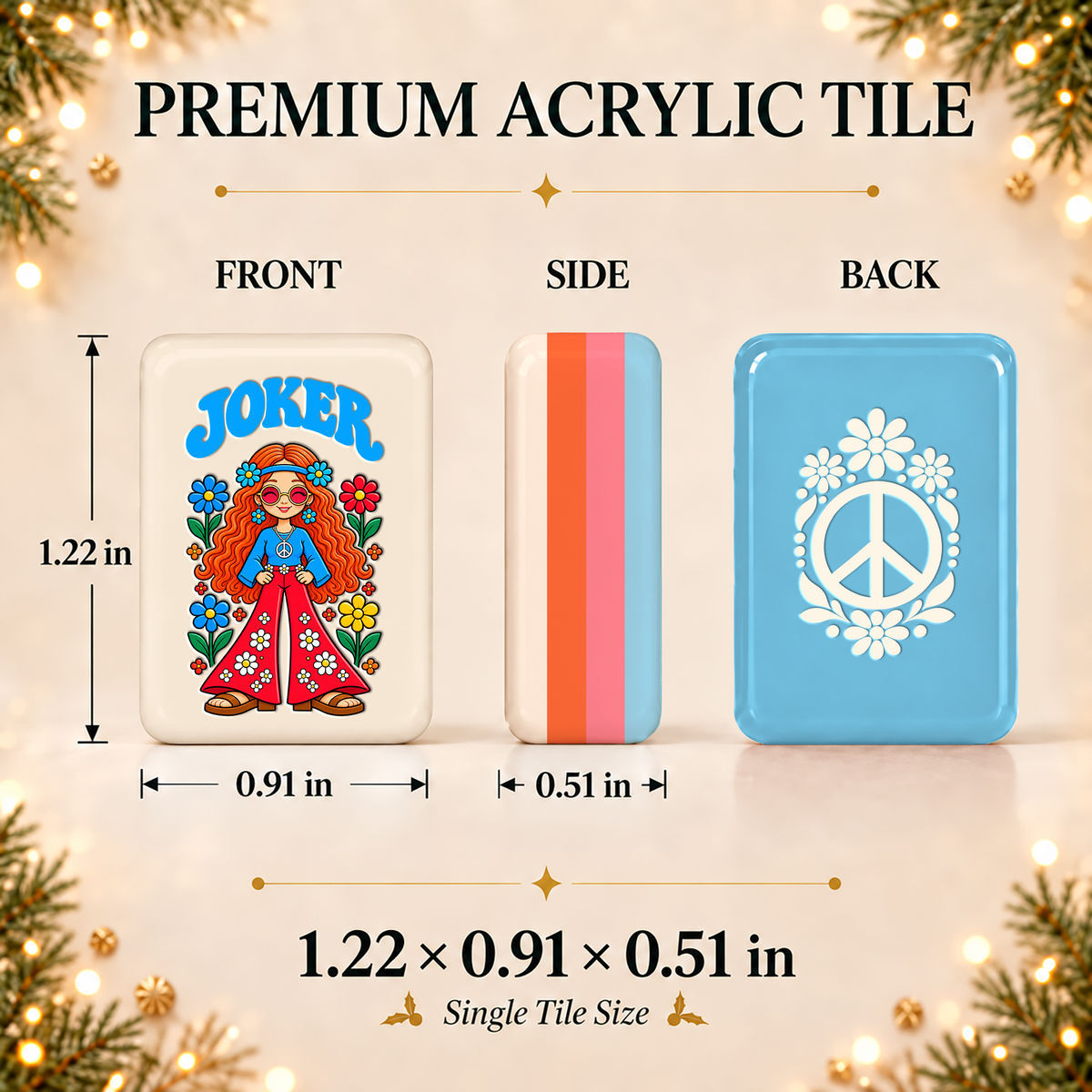
Georgia mahjong tournaments occur year-round in Atlanta and suburbs, hosted by Jewish community centers, senior centers, libraries, and retirement communities. Most tournaments are American mahjong (152 tiles, current National Mah Jongg League card required) and run single-day or multi-week formats. Entry fees typically range from modest amateur brackets to higher competitive divisions; check with host facilities directly for exact costs and registration deadlines. To find tournaments, contact local senior centers, visit synagogue bulletin boards, search Meetup for "Atlanta mahjong," and ask at community centers about seasonal schedules. Beginners should master how to play American mahjong and have a quality 160-tile set with a mat before entering—tournaments expect standard equipment and rule knowledge.
Where do Georgia mahjong tournaments happen?
Most Georgia tournaments center in the Atlanta metro area, where active clubs run events at Jewish Community Centers (JCCs), senior living communities, libraries, and country clubs. Check your local library's event calendar first—they often host free or low-cost mahjong meetups that lead to tournament info. Synagogue bulletin boards list seasonal events; call ahead to confirm dates. Retirement communities in suburbs like Sandy Springs, Marietta, and Alpharetta frequently host resident-only and open tournaments. Search Meetup.com for "Atlanta mahjong" or "Georgia mahjong" to find active groups; many post tournament schedules months ahead. Start by calling your county senior services department—they maintain comprehensive lists of mahjong activities and can point you to the nearest regular games and tournament circuits.
🀄 Shop best-selling mahjong sets →

What format do Georgia tournaments use?
Georgia tournaments typically follow one of three formats: single-day round-robin (four players rotate opponents, usually four or six rounds in one afternoon); multi-week league play (same group meets weekly, points accumulate over 8–12 weeks, then playoffs determine winners); or satellite American Mah Jongg League-sanctioned events (follow official NMJL rules and scoring, winners earn rankings). Single-day events are beginner-friendly and run 3–5 hours. League play suits committed players who want to build skill and relationships. Sanctioned tournaments draw serious competitors and require proof of current league membership. Ask the host whether winners compete for prizes (common: gift cards, plaques, or trophy sets) or simply ranking. Most Georgia hosts mix formats to keep the community engaged—a league might host a small single-day tournament mid-season as a fundraiser or fun break.
How do you prepare for your first Georgia mahjong tournament?
Before entering, confirm you know the Charleston (the tile-passing ritual), can read the current year's National Mah Jongg League card, and understand American mahjong's no-chow rule (you expose only pungs, kongs, and quints—never sequences). Play at least 8–10 casual games with experienced players; most Georgia clubs welcome newcomers to practice nights before you tournament-enter. Memorize how jokers work—jokers cannot be used in a single tile or a pair, and swaps are handled carefully. Review American mahjong scoring so you understand settlement and hand values. Bring your own set and mat (hosts provide them, but having your own builds confidence). Wear comfortable clothes; tournaments run 3–6 hours with breaks. Practice the pace of the game: in tournaments, speed matters. Call out "pung" or "kong" decisively; hesitation or misplays cost points and credibility.
🎁 See our most-loved mahjong sets & accessories →
What equipment do Georgia tournaments expect you to bring?
Standard American mahjong tournament play requires a 160-tile set (152 playing tiles plus spares), a mat for organized tile management, and racks with pushers if the tournament allows (many do, some don't—ask ahead). Hosts typically supply sets, but bringing your own engraved or personalized set—especially one marked with your name or a team logo—is common and shows respect for the game. A quality mahjong mat prevents tiles from sliding and speeds play; most Georgia tournaments expect one at each table. Racks with pushers help beginners organize their hand neatly, though experienced players sometimes prefer the table layout. Bring a notepad and pen for scorekeeping (hosts often provide these). Carry your set in a padded bag or case—tournament play demands travel, and a durable case protects tiles and shows professionalism. Do not assume host equipment is new or comfortable; your own set and mat level the playing field.

How do Georgia tournament divisions and scoring work?
Most Georgia tournaments divide players by skill: Beginner (first 2–3 tournaments), Intermediate (1–3 years experience), and Advanced (4+ years or prior tournament wins). Single-day events score by hand points (American mahjong scoring awards points based on hand type and tile value); league play typically uses cumulative point totals across rounds. Some tournaments offer handicap divisions for newer players—you pay the same entry fee but compete only against peers, which builds confidence. Sanctioned NMJL events follow official scoring: a winning hand scores between 2 and several hundred points depending on the hand type and tile count; settlement is calculated per player. Always ask the host for a scoring sheet before you play; Georgia hosts provide clear rules, but formats vary. Winners are usually determined by total points after all rounds; ties are broken by head-to-head records or a playoff hand. Prizes often go to top three finishers and sometimes to "lucky" hands (highest single hand, most mahjongs in a day). Understand that American mahjong is competitive yet social—the goal is skill and fun, not just money.
Tournament Type | Best For | Time Commitment | Why Georgia Hosts Choose It |
Single-day round-robin | Newcomers, one-time players | 3–5 hours, one afternoon | Low barrier, inclusive, social |
League play (8–12 weeks) | Serious learners, regulars | 2–3 hours weekly | Builds community, steady income for host |
NMJL-sanctioned | Ranked competitors | 4–6 hours, one day or multi-day | Official rankings, regional prestige |
Friendly practice night | Absolute beginners | 2–3 hours | No entry fee, low pressure, skill-building |
✨ Find your Mahstead set — free US shipping →
What mistakes do first-time Georgia tournament players make?
New players often arrive without a current National Mah Jongg League card—each spring a new card is issued, and tournaments require the year's official card. Don't show up without it; borrow one from the host or arrive early to study a copy. Many newcomers skip the Charleston or rush it, losing the tile-pass advantage and starting the game unprepared. Take the Charleston seriously; it's your only chance to exchange tiles before play begins. Some players don't know that jokers cannot be used in a single tile or a pair—this costs hands and confuses the table. Others underprepare on speed: in casual games, players take 30 seconds per turn; in tournaments, 10–15 seconds is expected. Practice at the faster pace. Beginners also neglect to bring a pen for scorekeeping or a notepad to track exposed sets—the host provides these, but having your own shows readiness. Finally, many underestimate the physical demand: sitting upright for 5 hours, managing 13 tiles, staying alert through six rounds is tiring. Eat a light meal beforehand and bring water.
What should you check before registering for a Georgia mahjong tournament?
Before you sign up, confirm these five details with the host:
Registration deadline. Most Georgia tournaments close registration 1–2 weeks before the event; don't miss it.
Entry fee and payment method. Ask whether you pay cash at the door or online in advance; some sites require NMJL membership proof.
Skill level bracket. Confirm there's a division for beginners; don't jump into Advanced if you're new.
Equipment policy. Call and ask: "Do you provide sets and mats, or should I bring my own?" Some hosts require your own to reduce wear on shared sets.
Current mahjong card. Confirm the host uses the 2026 National Mah Jongg League card (not last year's). If you don't have a card, ask whether the host sells them on-site or online beforehand.
Rules variant. Confirm it's American mahjong (152 tiles, current NMJL card, no chows). Some Georgia clubs also play Chinese or Hong Kong mahjong on different nights—don't assume all games are the same.
Get answers in writing via email if possible. Show up 15 minutes early to meet the director, sign the scoresheet, and settle any last-minute questions.
Equipping yourself with a best-selling set—one that's durable, easy to read, and travels well—removes one major source of tournament anxiety. New players often borrow sets that stick or have unclear markings, which adds mental load. Having your own engraved or personalized set, stored in a protective case, lets you focus on the game.

FAQ
Do I need to be a National Mah Jongg League member to enter a Georgia tournament?
It depends on the host. Casual community tournaments do not require NMJL membership; league-sanctioned events do. Ask the tournament director when you register. If you plan to play multiple times, consider a membership; it entitles you to the annual official card and access to sanctioned events.
Can I play in a Georgia mahjong tournament if I've never played before?
Yes, if you find a Beginner division. Most Georgia hosts welcome newcomers to practice nights first (usually free or low-cost). Play 8–10 casual games, learn the Charleston and card, then enter a single-day Beginner tournament. Start with a friendly round-robin, not a league, to build confidence.
What's the difference between American and other mahjong types in Georgia tournaments?
American mahjong uses 152 tiles, the current NMJL card, and no chows (sequences). Chinese and Hong Kong mahjong play by different rules and tiles. Georgia tournaments are mostly American; if you see "Chinese mahjong night" listed, it's a different game entirely. Ask the host which variant is played before you commit.
How much does it cost to enter a Georgia mahjong tournament?
Entry fees vary widely and depend on the host and format. Ask the specific tournament host directly for current fees. Single-day tournaments are often less costly than multi-week leagues. Some community centers offer free or low-cost games; others charge modest amounts per event.
What happens if I forget my National Mah Jongg League card on tournament day?
Call the host immediately and ask whether you can borrow a copy or purchase one on-site. Many directors keep extra cards. If you can't get a card, you likely cannot play in a sanctioned event, but casual club tournaments may be more flexible—ask. Always confirm the host's card policy when you register.
Can I use a borrowed or shared mahjong set in a tournament?
Yes, most Georgia tournaments allow it. However, shared or worn sets may have sticky tiles or faded markings, which slows play and adds stress. Bring your own if possible. A quality set with clear engraving ensures you're comfortable and focused.


View More
View More
View More
