
Wooden Mahjong Tiles: Weight, Feel & How to Choose
Last updated: Nov 23, 2026
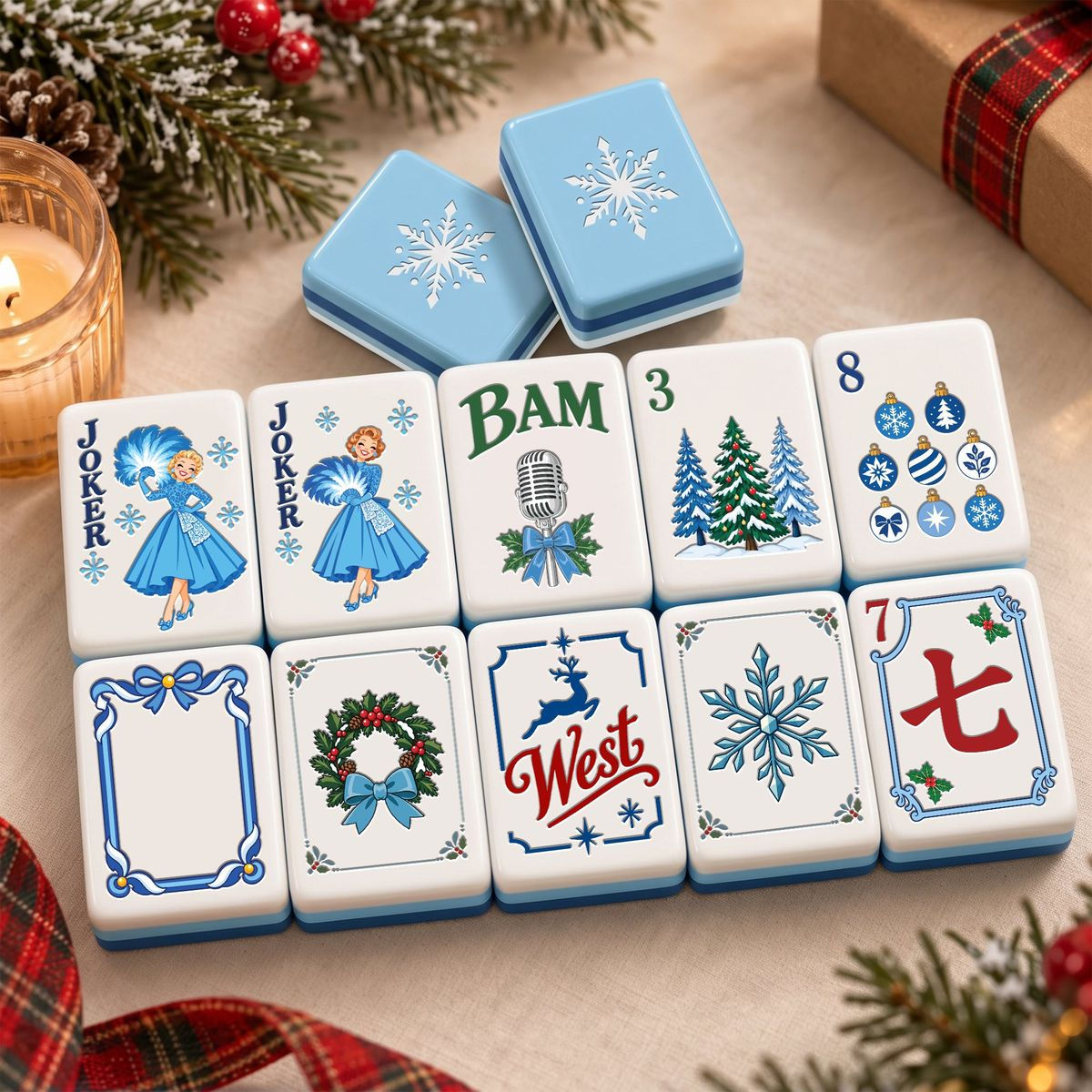
Wooden mahjong tiles typically weigh 1.5 to 2 times more per tile than acrylic equivalents, delivering a denser, more deliberate feel during shuffling and play. The added mass creates louder clicks when tiles strike the mat or rack, a auditory feedback many experienced players prefer. Wood grain and natural finish also age gracefully, developing patina rather than surface scratches that show wear. However, wooden sets are heavier overall, take up more storage space, and require care in humidity control to prevent warping or cracking. Acrylic tiles, by contrast, are lighter, durable, and travel well—ideal for new players or rotating hosts. At Mahstead, our engraved American mahjong sets use premium acrylic that mimics tile weight through thoughtful thickness and reinforced edges, eliminating the maintenance burden while preserving satisfying play feedback.
Wooden mahjong tiles carry a heavier, more tactile presence than acrylic equivalents, delivering a denser, more deliberate feel during shuffling and play. The added mass creates louder clicks when tiles strike the mat or rack, a auditory feedback many experienced players prefer. Wood grain and natural finish also age gracefully, developing patina rather than surface scratches that show wear. However, wooden sets are heavier overall, take up more storage space, and require care in humidity control to prevent warping or cracking. Acrylic tiles, by contrast, are lighter, durable, and travel well—ideal for new players or rotating hosts. At Mahstead, our engraved American mahjong sets use premium acrylic that mimics tile weight through thoughtful thickness and reinforced edges, eliminating the maintenance burden while preserving satisfying play feedback.
🀄 Shop best-selling mahjong sets →
Why does weight matter when you pick tiles?
Weight affects shuffling speed, how tiles stack in your hand, and the acoustic satisfaction of a draw. Heavier tiles slow you down naturally—some players love that deliberate rhythm; others find it tiring over a four-hour session. Lighter tiles shuffle faster and reduce hand fatigue, especially for hosts managing all four winds. Weight also influences how a pung or kong feels when you expose it on the mat: a thud versus a tap. Neither is objectively better, but the difference is real and shapes whether a set "feels right" to your table.

What's the actual weight difference between wood and acrylic?
A typical wooden tile weighs around 2.5–3.5 grams; standard acrylic runs 1.5–2 grams. Over a full 160-tile set (152 playing tiles plus spares), that gap means wood sets often exceed 400 grams, while acrylic stays closer to 250–300 grams. The difference is noticeable the moment you lift the set from its case: wood feels substantial, almost jewelry-like; acrylic feels practical and nimble. For traveling players or anyone hosting weekly in a different room, those extra pounds add up when combined with mat, racks, and scoring chips.
How does wood age compared to acrylic?
Wooden tiles develop a lived-in beauty: micro-scratches blur together, colors mellow, and handling oil from hands creates a silky patina. Players often describe this as the tiles "improving" over years. Acrylic, by design, holds its gloss and color indefinitely—no patina, no weathering. If you like that pristine, factory-fresh look every time you open the case, acrylic stays true. If you prefer signs of history and ritual, wood rewards long-term play. The trade-off: wood demands climate control. Dry heat cracks tiles; humidity warps them. Acrylic doesn't care.
What maintenance does each material require?
Wooden tiles need protection from extreme swings in temperature and humidity. Store them in a cloth or silk bag inside a hard case, away from direct sunlight. Never leave a wooden set in a car or basement where conditions fluctuate. Dust gently with a soft, dry cloth; never wash. Acrylic requires only a quick wipe with a damp microfiber cloth to remove dust or fingerprints—no special conditions. They won't crack if the room cools to 50°F overnight or spikes to 85°F. For busy hosts rotating sets through multiple homes, acrylic's maintenance-free nature is a genuine time saver.
🎁 See our most-loved mahjong sets & accessories →

Should you choose wood or acrylic? A simple decision table.
Factor | Wooden Tiles | Acrylic Tiles | Best For |
Weight per tile | 2.5–3.5g | 1.5–2g | Players who want deliberate shuffling |
Total set weight | 400g+ | 250–300g | Frequent travelers & hosts |
Durability | Warps if humid; cracks if dry | Withstands climate swings | Multi-room games |
Appearance over time | Develops patina; ages gracefully | Stays pristine indefinitely | Either: pick your preference |
Storage needs | Climate-controlled case, cloth bag | Standard hard case | Acrylic wins for simplicity |
Acoustic feedback | Satisfying thud on mat & rack | Crisp click, lighter tone | Tradition vs. practicality |
Cost (price basis) | Higher entry; resale holds value | Lower entry; good value | Budget-conscious players |
Lifespan | 10–20+ years with care | 15–25+ years, no care | Tie |
Our best-selling acrylic sets at Mahstead are engineered to deliver the satisfying weight and feel of wood without the maintenance worry—they're genuinely heavier than budget acrylic and sit firmly in your rack.
What's the real play difference in a four-hour game?
Over a long session, weight accumulates—literally and perceptually. Wooden tiles, shuffled repeatedly, build forearm fatigue that acrylic players often avoid. Your fingers feel it around hour three. Wooden tiles also encourage slower, more ceremonial shuffling; acrylic suits brisk, modern pace. The mat sound is different too: wood produces a deep, resonant clack; acrylic a sharper, quicker tick. Neither is "wrong." But if your table has players over 60 or prefers a relaxed, meditative tempo, wood's deliberate heaviness fits. If you're mixing ages or hosting rapid rotations, acrylic's ease is smarter.
✨ Find your Mahstead set — free US shipping →
What to check before you buy
Feel the tiles in your hand, if possible. Order from a seller with a returns window; some online shops let you test-drive a set for 14 days. Weight is deeply personal.
Ask: do I store this in a climate-controlled space? If your game room is a basement or garage, acrylic wins. Wood needs stability.
Estimate total annual play hours. Weekly games favor acrylic for the long term; occasional players (monthly or less) can justify wood's upfront charm.
Know your table's aesthetic. Wooden tiles signal tradition and investment; acrylic says efficiency and fun. Your group's vibe matters.
Check joker and blank tile count. A 160-tile set at Mahstead includes spare jokers and blanks so you always have a full 152-tile game ready to play, regardless of material.
Verify the mat and rack fit your tile thickness. Our mahjong mats and racks with pushers accommodate both standard acrylic and premium-weight designs without binding.

FAQ
Do wooden tiles actually play better than acrylic?
No—"better" depends on your hands, hearing, and patience for maintenance. Wooden tiles feel heavier and sound deeper; acrylic is durable and low-maintenance. Skilled players win with both. Pick the one that matches your lifestyle and storage conditions.
Will acrylic tiles wear out faster than wood?
Not in normal play. Acrylic lasts 15–25 years easily. Wooden tiles last as long or longer if stored correctly—but warping or cracking shortens their life if humidity isn't controlled. Acrylic is more forgiving.
Why are some acrylic sets heavier than others?
Thickness and plastic density vary by maker. Mahstead's sets use premium acrylic that's deliberately weighted for satisfying play without mimicking wood's fragility. Lighter acrylic (budget brands) can feel flimsy.
Can you travel with wooden mahjong tiles?
Yes, but not casually. Pack them in a hard case with a humidity buffer (silica packet or cloth wrap). Avoid trunks and car interiors where temperature swings occur. Acrylic travels in any bag without worry.
How do I know if my wooden tiles are warping?
Look for slight curving at the edges, gaps where tiles stack, or uneven surfaces when laid flat. Warping usually starts after 1–2 years in a dry room or summer heat. Once it happens, the set is compromised and reshaping is rarely successful.
What size are standard mahjong tiles?
American tiles average 1.3 inches wide × 1 inch tall × 0.5 inches thick (roughly 33mm × 25mm × 13mm). Mahstead's acrylic sets maintain that classic proportion so they fit any American mahjong mat or rack made in the last 20 years.


View More
View More
View More
