
Mahjong Teachers in Oklahoma: How to Find One & Learn Well
Last updated: Nov 23, 2026
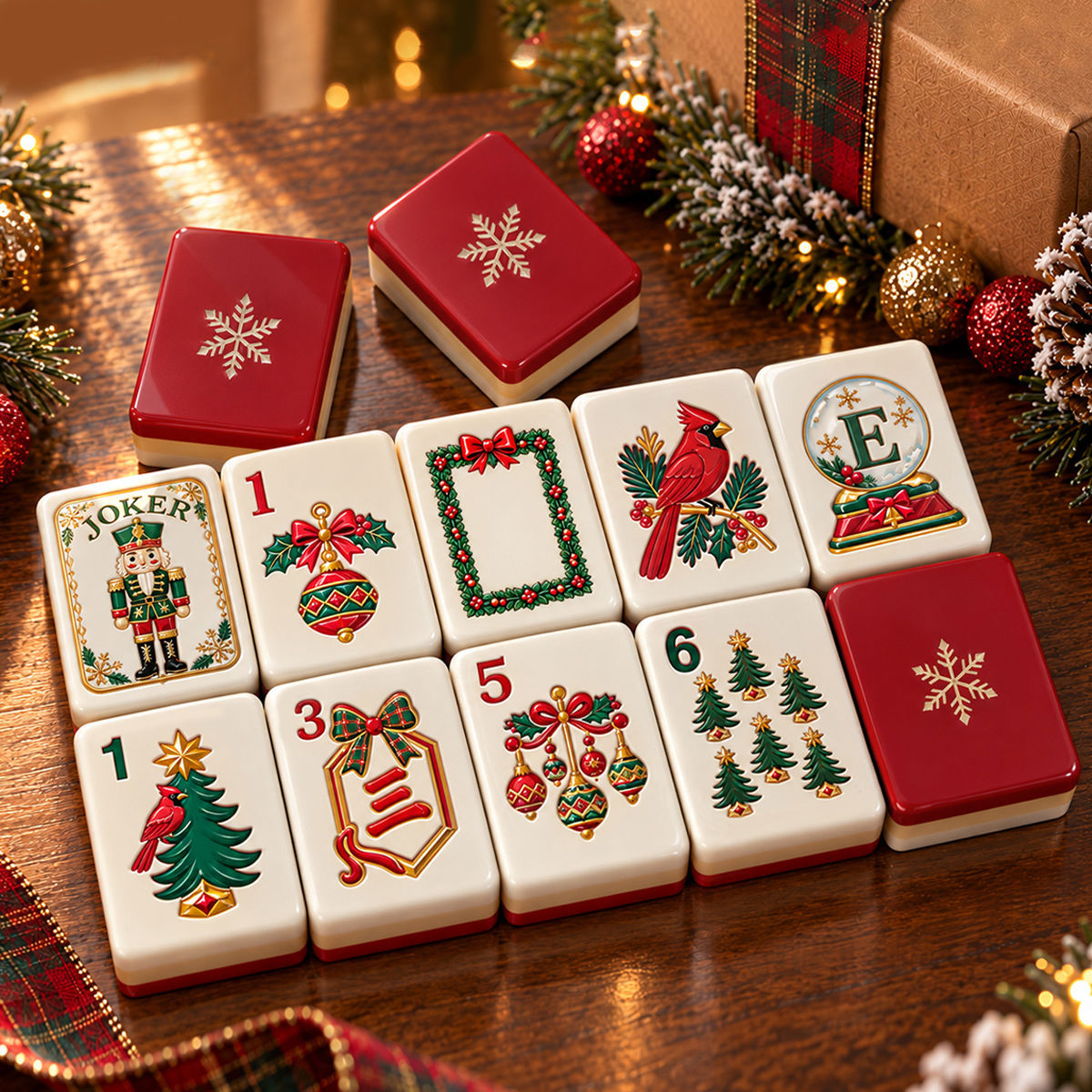
Mahjong teachers in Oklahoma exist primarily through community centers, libraries, synagogues, country clubs, and informal game groups rather than dedicated studios. Start by calling your local library or community recreation department—many host weekly games led by experienced players who offer informal coaching. Synagogues (particularly in Oklahoma City and Tulsa) often run mahjong circles; call ahead to ask about lesson availability. Online meetup boards list casual game groups; join one to learn from other players in real time. A good teacher will explain the National Mah Jongg League card, the Charleston tile-passing ritual, how jokers work in American mahjong, and hand-building strategy. Expect to invest 4–6 weeks of weekly play before confidence kicks in. Mahstead offers best-selling mahjong sets ideal for learning in a group setting. 🀄 Shop best-selling mahjong sets →
Where do most Oklahoma mahjong groups meet?
Oklahoma City and Tulsa host the largest networks. Libraries often publish game schedules on their websites—call the reference desk directly. Senior centers frequently run weekday afternoon games with informal teaching. Country clubs (especially in OKC's Nichols Hills area) host Thursday or Friday evening games. Facebook groups and Meetup boards list ad-hoc gatherings; search "Oklahoma mahjong" to find current groups. Synagogues remain the most reliable source for regular, beginner-friendly instruction in both cities.

What should a good mahjong teacher cover in the first lesson?
A solid instructor starts with what's inside a standard 152-tile American mahjong set: three suits (Bams, Craks, Dots numbered 1–9), winds, dragons, flowers, and jokers. They explain the four-player rotation (East, South, West, North positions change each hand). Then they walk through the Charleston—the tile-passing exchange before each hand begins—because it's the most confusing ritual for newcomers. A good teacher also introduces the current year's National Mah Jongg League card (issued every spring) and shows how to read its sections. They cover which melds you can expose (pungs of three identical tiles, kongs of four, joker substitutions) versus which you can't (American mahjong has no chows or sequences you can call). Finally, they let you play a real hand so muscle memory forms immediately. Avoid teachers who skip the card entirely or mix in Chinese mahjong rules—those are entirely different games.
🎁 See our most-loved mahjong sets & accessories →
How long before a beginner can hold their own in a regular game?
Most players feel semi-confident after 4–6 weeks of weekly play (8–12 hands per session). You'll recognize common hand patterns, stop second-guessing the Charleston, and know when to call or discard without consulting the card every turn. Real fluency—spotting hands instantly and managing discards strategically—takes 3–4 months of regular play. A strong teacher accelerates this by drilling the card layout each week and reviewing hand-reading during actual games rather than lecturing in advance. The biggest speedup comes from playing the same group repeatedly; you learn each player's discard habits and risk tolerance, which sharpens your own judgment. Don't rush it. Mahjong rewards patience and repetition far more than raw memorization.
Milestone | Timeframe | What you can do | Common stumble |
Know the tiles | Week 1 | Name suits, winds, dragons | Confusing Bam bird with Dot 1 |
Read the card | Weeks 2–3 | Spot hand types, count jokers | Misreading "Like Numbers" sections |
Play one full hand | Week 3–4 | Complete Charleston, discard safely | Exposing illegal melds early |
Join regular games | Weeks 5–8 | Hold your own, track discards | Panicking during the discard phase |
Play strategically | 3–4 months | Manage risk, read opponents | Still calling every hand offered |
What equipment does a beginner need, and is a teacher's set different from a personal one?
A standard American mahjong set contains 160 tiles (152 playing tiles plus spares), racks with pushers, a mat, dice, and a wind indicator. Teachers often bring their own sets, but you'll learn faster with your own at home to practice tile recognition between sessions. A best-selling set works perfectly for beginners—no need for special editions or custom features. Once you start hosting your own games, invest in a durable mat to protect tiles and keep the game organized. If you travel to games, a bag or case prevents tiles from scattering. Racks with pushers keep your hand tidy during play and prevent accidental melds. Many Oklahoma groups share sets at the venue, so ask before buying—but owning one accelerates learning because you can handle tiles daily and build confidence before sitting down with experienced players.

How do you spot a real teacher versus someone who'll teach you bad habits?
Watch for these red flags: a teacher who mixes American and Chinese rules, never refers to the current National Mah Jongg League card, or claims you can form sequences (chows) in American mahjong—you can't. Good teachers enforce the rule that jokers never appear alone or in pairs, and that every legal hand comes directly from the card. They explain why the Charleston matters (it's not random; it's strategic tile distribution) rather than rushing through it. Ask potential teachers: How do you handle a player who calls a hand not on the current card? A real instructor will say it's a dead hand and the player passes their turn. Someone who shrugs or invents a house rule isn't teaching by American mahjong standards. The best sign: they play regularly themselves in organized groups and keep their sets in good condition—worn tiles mean lots of hands logged and genuine expertise.
✨ Find your Mahstead set — free US shipping →
What if no teachers are available near you? Can you learn online or on your own?
Yes, but with caveats. Online tutorials (YouTube, blogs) teach the basics for free, but you need a video that explicitly covers American mahjong, not Chinese or Hong Kong variants. The pillar guide on how to play American mahjong is a solid foundation. You must obtain the current year's National Mah Jongg League card (printed by the league each spring; order online) or your hands will be wrong. Self-teaching works best when you then join a live group quickly—after 2–3 weeks of solo study—so an experienced player can correct your mistakes in real time. Self-taught players often ingrain bad habits (wrong discard timing, illegal melds, misread hands) that are hard to break later. If no formal teacher exists nearby, post on Meetup or Facebook asking to join an existing game; experienced players are often happy to coach during play. Even 6–8 hands played with good players beats weeks of solo YouTube study.
A decision framework: How to evaluate a prospective mahjong lesson or group
Question | Green flag | Red flag | What to do |
Where do they meet? | Library, synagogue, senior center, country club | Unclear, changes weekly, no phone contact | Call ahead; confirm schedule |
Do they use the current card? | Yes, every hand | "We have our own version" | Walk away; join another group |
Can you observe first? | Free to sit and watch 1–2 hands | "Observers must pay" or "No visitors" | Try a different group |
How long have they played? | 5+ years, participates in league games | "A few months" or vague | Ask for a reference player |
Do they explain rules during play? | Yes, without annoyance | "You should know this by now" | Not beginner-friendly |
What's the cost? | Free or low-stakes with agreed rules | Pressure to bet large or buy a set | Politely decline |
What to check before you buy your first set
Confirm the group uses a physical card, not memory play or house rules—your set must have jokers to substitute tiles, not to replace them entirely.
Test a friend's set first to feel tile weight and rack comfort; don't guess your preference.
Measure your play space (table width, lap room) to ensure a standard mat fits—most need 27–30 inches clear.
Ask if your group prefers numerical tiles or decorative faces; both work, but consistency helps during play.
Check joker count: every American mahjong game uses exactly 8 jokers, no more. Sets sold with extra jokers include them as spares—never add them to play.
Ensure your racks with pushers are comfortable to hold for 30–45 minutes; awkward racks cause hand fatigue and mistakes.
Verify the mat is machine-washable or wipeable if you'll use it regularly in a group setting—coffee spills happen.

FAQ
What's the difference between American mahjong and Chinese mahjong that Oklahoma teachers might teach?
American mahjong uses only the current National Mah Jongg League card (issued each spring) for legal hands, has no sequences you can call, and uses exactly 8 jokers as wildcards. Chinese mahjong has no card, allows sequences called chows, and plays year-round with the same hand list. If a teacher says you can make 1-2-3 as a called meld or play without the card, they're teaching Chinese rules—walk away if you want American mahjong standards.
Is it cheaper to learn in a group than take private lessons?
Most Oklahoma group games are free or charge a small entry fee ($2–5 per session) that covers refreshments or the host's table time. Private lessons, if you find them, typically cost more but give you one-on-one focus. Group play is faster and cheaper for beginners because you learn from multiple players and play real hands immediately.
Can I learn American mahjong from a teacher who learned Chinese mahjong first?
Only if they've formally studied American rules and the National Mah Jongg League card. Many experienced Chinese players confuse newcomers by mixing rules. Ask potential teachers: "Do you play on the current National Mah Jongg League card?" and "Can sequences be called or exposed in the games you teach?" If they hesitate or say yes to sequences, they teach Chinese mahjong, not American.
How do I know if a mahjong group in Oklahoma is beginner-safe or too competitive?
Call ahead and ask: "Do you have players who are new to American mahjong?" and "Do you allow observation for one hand?" A beginner-friendly group will say yes to both and explain rules cheerfully during play. Competitive groups play fast, rarely explain, and expect you to know the card cold. Both are valid; just pick the right fit.
Should I buy a set before or after I find a teacher?
After. Visit a group session first, borrow their set, and see if you enjoy the game. Once you're committed to playing regularly, buy a best-selling set to practice at home between sessions. Buying first wastes money if you discover mahjong isn't for you—and it will sit in a closet otherwise.


View More
View More
View More
