
Mahjong Lessons in Hilton Head: Where to Learn & What to Know
Last updated: Nov 23, 2026
Mahjong lessons in Hilton Head are available through Beaufort County public libraries, community recreation centers, and private instructors advertising on community bulletin boards and Meetup. Most beginner classes teach American mahjong (using a 152-tile set with Bams, Craks, Dots, winds, dragons, flowers, and jokers), meet weekly, and cost between modest hourly rates and drop-in fees. A typical 6-week beginner course covers tile recognition, hand patterns from the National Mah Jongg League card, the Charleston tile-passing ritual, and basic scoring. Expect to learn at your own pace; group sizes range from four to eight players. Before enrolling, confirm the instructor uses American rules (not Chinese or Hong Kong variants) and ask whether the venue provides sets or if you bring your own acrylic set. Mahstead's best-selling mahjong sets are durable enough for weekly play and clearly marked tiles, ideal for learners.
Where can beginners find mahjong instruction in Hilton Head?
Start by calling your local branch of Beaufort County public libraries and asking the reference desk about mahjong clubs, book collections on American mahjong rules, and community bulletin boards. Many libraries host weekly game groups or weekly beginner sessions led by experienced volunteers. Next, check your community's recreation department website or visit in person—most have a printed activity guide listing seasonal classes. Synagogues, country clubs, and retirement communities in the Hilton Head area often run mahjong groups that welcome newcomers; call the main desk and ask for the activities coordinator. Search Meetup and Facebook for "Hilton Head mahjong" or "Beaufort mahjong" to find informal neighborhood groups. Your takeaway: start with the library or rec center—they're free or low-cost, vetted, and staffed with people who know the local player network.

What should I look for in a good mahjong teacher or group?
A solid instructor explains American mahjong rules clearly (not Chinese or Hong Kong variants), uses the current year's National Mah Jongg League card, and lets you handle tiles before jumping into strategy. Ask whether the class includes the Charleston (the tile-passing ritual before every game), hand-reading from the card, and what jokers do. Watch for a teacher who tells you what not to do—common beginner mistakes are misidentifying tile suits, trying to make sequences (chows) instead of pungs and kongs, and misusing jokers. Groups that meet the same time each week are better for learning consistency. Avoid instructors who promise you'll be "competitive" in a month or claim their method is the only way. Real teachers admit that mahjong has a steep learning curve and that muscle memory with tile-handling matters as much as rule knowledge. A good match: weekly meetings, four to six players, clear instruction on tile identification, and honest talk about the first month being humbling.
How do I prepare before my first lesson?
Before your first class, spend 15 minutes online learning the tile suits: Bams (1–9, with 1 showing a bird), Craks (1–9, showing circles and numbers), and Dots (1–9, with the 5 being a green star). Learn the four winds (North, East, South, West) and three dragons (Red, Green, White—also called "Soap"). Understand that a pung is three identical tiles and a kong is four identical tiles; American mahjong never allows sequences like 1-2-3. Visit mahjong for beginners to read a quick overview of rules and how the game flows. If you're buying your own set, get an acrylic set with clearly printed tile faces—ceramic or bamboo tiles are beautiful but harder to read under table lights. Ask your instructor whether the class has a lending library of sets or if everyone brings their own. Bring a notebook and a pen; write down hand patterns that confuse you, and your teacher can clarify them in the next session.
🀄 Shop best-selling mahjong sets →
What equipment do I need to start playing?
A full American mahjong game requires what's in an American mahjong set: 152 playing tiles plus 8 jokers. Most beginner groups provide sets, but if you're buying your own, choose an acrylic set—tiles are easier to shuffle, read under regular light, and last through hundreds of games. A felt mat is optional but helpful; it quiets tile noise and prevents the set from sliding during play. If you'll be hosting or playing weekly, racks with pushers keep your hand organized and prevent accidental reveals. Many Hilton Head players store their sets in padded bags for trips between home and the game venue. Start with just the set itself; add accessories as you get hooked. Mahstead ships free across the US, so you can order a set before your first lesson and have it ready for practice at home.
Equipment | Who It's For | Why It Works |
Acrylic mahjong set (152 tiles) | Every player | Durable, readable, lasts years of weekly play |
Felt mahjong mat | Regular hosts & learners | Quiets shuffling, defines the play space, protects surfaces |
Racks with pushers | Players who fumble hands | Keeps tiles organized, prevents cheating, looks professional |
Travel bag or case | Weekly commuters | Protects set from damage, easy transport between venues |
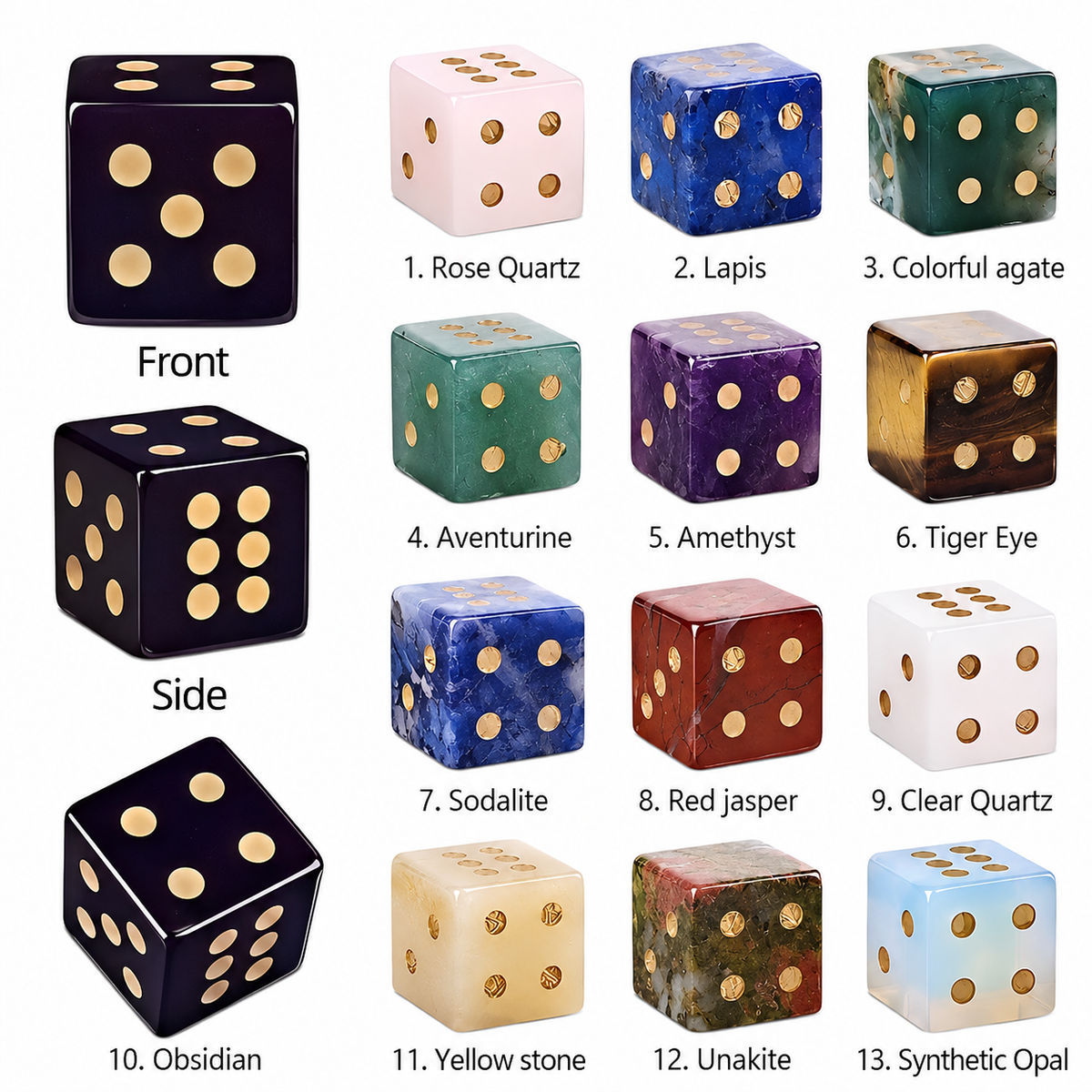
Dice (two or three) | Teaching groups | Determines seating and who plays first; included in most sets |

What's the difference between American mahjong and other variants?
American mahjong (also called Western mahjong) is the only variant where you must have a current-year card from the National Mah Jongg League—that card lists every legal hand for the season. You can only expose pungs, kongs, and longer identical-tile combinations; you can never expose a sequence like 1-2-3 (called a chow in other variants). Jokers are wild but follow strict rules—they can't be a single tile by themselves or form a pair. Chinese and Hong Kong mahjong use 144 tiles instead of 152 and allow sequences and very different scoring. Riichi (Japanese) mahjong is a fast variant with melds and draw mechanics unlike anything in American play. Taiwanese mahjong overlaps with Chinese but has its own hand patterns and strategy. Hilton Head teachers almost always teach American because it's the dominant variant on the US East Coast; confirm this at your first lesson, because the rule sets are incompatible. If you learn American, you'll play in US clubs and tournaments; other variants are niche hobbies even in major cities.
🎁 See our most-loved mahjong sets & accessories →
How long does it usually take to feel comfortable playing?
Most players need four to six weeks of weekly games to stop worrying about tile identification and rule mistakes. By week eight, you'll recognize hand patterns faster and start thinking two moves ahead. Comfort doesn't mean mastery—mahjong is a lifetime learning game, and experienced players still discover new strategies and subtleties after decades. Your brain needs exposure; reading the rules once isn't enough. Expect your first game to feel overwhelming: four hands, eight jokers, a card with dozens of patterns, scoring calculations, and social pressure all at once. That's normal. The second week feels slightly less chaotic. By week four, muscle memory kicks in and your hands move faster. The real milestone is when you can read the card without squinting and know which tiles you need without counting on your fingers. Don't rush this—beginners who play too fast make costly mistakes. Stick with weekly games, ask questions openly, and celebrate small wins like recognizing a hand pattern before your teacher points it out.
What mistakes should I avoid as a beginner?
The most common beginner error is thinking you can use tile sequences. American mahjong is all about identical groups: pung (three of the same), kong (four of the same), quint (five of the same), sextet (six of the same). You cannot make a 1-2-3 hand; if you try, the table will politely correct you. A second mistake is misidentifying suits under poor lighting—bring your glasses and ask your teacher to point out subtle differences between Red Dragons and 5 Craks if you squint. A third is overusing jokers. Jokers are powerful but follow exact rules: you can't use them as a single tile, a pair, or a blank in a pair. If you use a joker illegally, your hand is dead and you can't win. Fourth, don't assume you understand the card after one read-through. The National Mah Jongg League card is dense, organized by year, and full of similar patterns. New players routinely miss hands because they don't read the card systematically. Slow down, use your finger to track each row, and ask your teacher to explain unclear notation. Finally, don't panic if you lose every game in month one. Mahjong has luck and skill; even pros go through dry spells. Focus on learning the fundamentals and enjoying the social experience. Winning will come.
✨ Find your Mahstead set — free US shipping →
What to check before you buy a set for lessons
Tile clarity: Make sure the suit symbols (Bam bird, Crak circles, Dot numbers) are printed clearly and don't fade with shuffling. Acrylic sets with screen-printed or engraved tiles outperform cheap plastic sets.
Weight and balance: Hold the tiles. They should feel balanced and not so light that they slide on a mat during shuffling. Heavier tiles (thicker acrylic or bamboo-core) are easier to control.
Joker count: American mahjong uses exactly 8 jokers. A 160-tile set includes 152 playing tiles plus extra jokers and spares. Confirm your set comes with at least 8 usable jokers.
Dragon identification: Check that Red, Green, and White Dragons are visually distinct. Many learners confuse White (Soap) with blanks. Mahstead's best-selling sets use clear labeling.
Storage: If the set comes in a box, ensure it's sturdy and has compartments or a bag to keep tiles organized.
Price range: See current price on the product page. Budget for a mid-range acrylic set that will last through your first year of weekly play without chip damage or fading.

FAQ
Can I learn mahjong online instead of in-person?
Online videos and rules websites are helpful supplements, but mahjong is a hands-on game. You need to shuffle tiles, read them under real light, handle the card, and feel the pace of live play. Most Hilton Head players say they learned the core rules online but only truly got it in their first weekly game with a teacher present to correct mistakes. Start with in-person lessons; online study is homework, not the main event.
How much does a beginner class cost in Hilton Head?
Library and community center classes typically charge a small drop-in fee per session or a modest flat rate for a six-week series. Private instructors may charge hourly rates. Many informal game groups ask for no fee at all—you simply show up, bring snacks if you wish, and play. Call ahead to confirm fees and whether sets are provided.
Do I need to own a set to take lessons?
No. Most Hilton Head game groups and classes provide sets. If you're a serious player and plan to play weekly, owning a set gives you practice time at home and control over tile readability. If you're just trying the game out, borrow or use the venue's sets first. Buy later if you're hooked.
What if I can't find a beginner class in my neighborhood?
Expand your search to nearby towns—many players in Hilton Head commute 20–30 minutes to larger Beaufort or Savannah groups. Ask librarians and rec center staff for referrals. Join online Lowcountry mahjong groups on social media and ask locals where they play. Worst case, gather three friends, buy a set, and learn from YouTube plus the National Mah Jongg League card—that's how many home groups started.
Should I buy an engraved or personalized set as a beginner?
Engraved sets are beautiful for gifts and regular players, but as a pure beginner, clarity is more important than customization. Stick with a standard acrylic set with large, printed tile faces. Once you've played 20+ games and know you love mahjong, then invest in a personalized engraved American mahjong set that reflects your style.
How often do game groups meet?
Most Hilton Head groups meet once a week (typically Tuesday, Wednesday, or Thursday evenings or weekend afternoons). Some casual groups meet twice weekly; busy-season tourist areas sometimes drop to biweekly. Ask your instructor about the schedule before committing—consistency is key to learning, so find a group that matches your calendar.


View More
View More
View More
