
Hong Kong Mahjong vs Filipino Mahjong: Rules, Tiles & Gameplay
Last updated: Nov 23, 2026
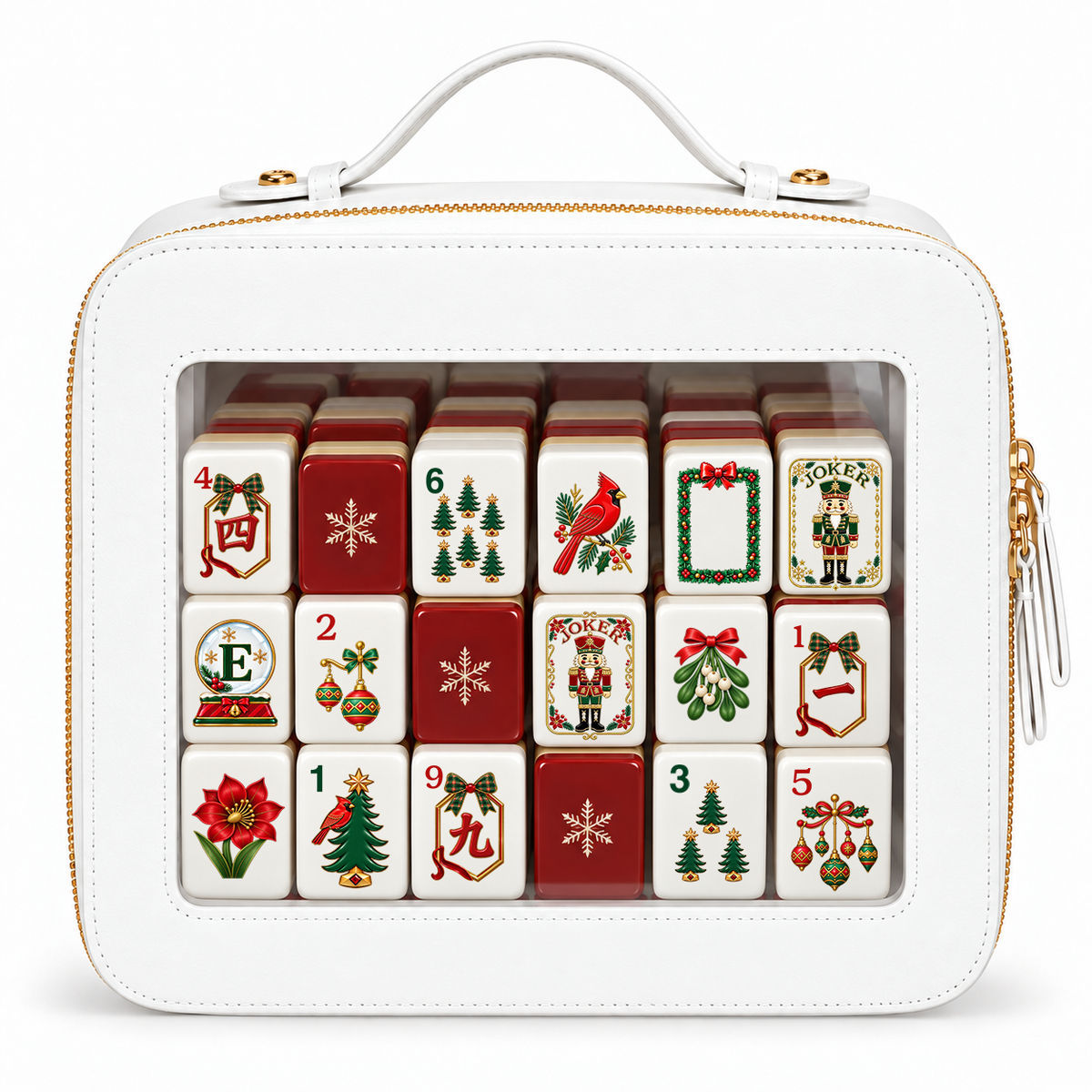
Hong Kong mahjong uses 136 tiles (34 of each suit plus honors) with sequences (chows), pungs, and kongs all playable; hands score by pattern complexity, and winning often requires declaring "ready" (ting). Filipino mahjong, closer to Chinese variants, also uses 136 tiles but emphasizes different hand types and a unique scoring ladder. American mahjong, by contrast, uses 152 tiles plus 8 jokers, has no sequences at all, and draws hands only from the annual National Mah Jongg League card—a completely scripted game played at thousands of tables weekly. If you're learning Hong Kong or Filipino variants, focus first on your local rulebook and scoring chart; if you're drawn to American mahjong's organized structure and social rhythm, explore our best-selling acrylic sets designed for weekly home games.
What are the core rule differences between Hong Kong and Filipino mahjong?
Hong Kong mahjong allows chows (sequences like 4-5-6 Dots), pungs (triplets), and kongs (fours). Players draw and discard one tile per turn; the winning hand needs four melds plus a pair. Filipino mahjong also permits sequences but introduces unique bonus patterns (like all honors or all one suit) that multiply your score; the pace and calling rules differ slightly, with more flexibility in declaring winning status mid-hand. Both games reward declaring "ready" (waiting on one tile) before the final win. The key difference: Hong Kong emphasizes simplicity and speed, while Filipino mahjong layers bonus rewards on top of base hand values, making strategic tile-hoarding more critical.

How do tile sets differ between these two variants?
Hong Kong mahjong uses 136 tiles: nine of each number in three suits (27 per suit, 81 total), plus four each of Winds (16 tiles) and Dragons (12 tiles), with no jokers. Some regional versions add honor tiles or variations in dragon symbols. Filipino mahjong also uses 136 tiles with the same core structure but may include extra flowers or blanks in certain rulebooks. American mahjong, by contrast, uses 152 tiles plus 8 jokers—a dramatically different toolkit that enables its hand-restriction system. If you're hosting weekly games and want one set to work reliably across sessions, explore our durable acrylic mahjong sets, which are built for American play but teach you how organized equipment elevates any variant.
Which scoring system is easier to learn: Hong Kong or Filipino?
Hong Kong scoring is points-per-hand: each winning hand earns a base score (typically 1–8 points) modified by multipliers (self-drawn vs. discard, concealed melds, special patterns). You track running scores across hands. Filipino scoring uses a ladder or accumulation system where each hand's worth stacks toward win thresholds (often 500 or 1000 points); bonus patterns double or triple your base score. Hong Kong is faster to calculate per hand; Filipino rewards long-game strategy and pattern spotting. Neither is inherently "easier"—it depends on whether you prefer quick mental math or layered multiplier bonuses. Many players learn both by playing regularly with a scorecard and the local rulebook at the table; after 10 hands, the system feels automatic.
Can you play Hong Kong or Filipino mahjong with American equipment?
Not well. American sets have jokers and tile counts that don't match either game, and they're engraved with American hand patterns on the back. You can technically remove jokers and use the base 136-152 tiles, but you'll lose the flow and your hands won't align with authentic rulebooks. Conversely, Hong Kong and Filipino tiles won't work for American mahjong because they lack jokers and have no symbols for the League card hands. The best approach: invest in a regional set matched to your variant—36mm bone-and-bamboo tiles for traditional play, or acrylic for durability if you host often. Once you're committed to a variant, a proper tile set pays dividends in game speed and player confidence.
🀄 Shop best-selling mahjong sets →

How does hand structure differ across these variants?
Aspect | Hong Kong | Filipino | American |
Tiles | 136 (no jokers) | 136 (no jokers) | 152 + 8 jokers |
Melds allowed | Chow, pung, kong | Chow, pung, kong | Pung, kong, quint, sextet only |
Winning hand | 4 melds + 1 pair | 4 melds + 1 pair | Matches current League card only |
Jokers | None | None | Essential (replace any tile) |
Ready status | Declared; can win next turn | Declared; flexible | No "ready"—must match exact hand |
Game speed | 30–45 min per round | 40–60 min per round | 20–30 min per round |
American mahjong's hand-only restriction and League card make it the most structured; Hong Kong and Filipino are more improvisational—any valid 4+pair wins. If your table values flexibility and traditional tile scoring, play Hong Kong or Filipino; if you prefer rules-based consistency and want a single set to support years of games, American mahjong and our hand-labeled acrylic sets remove guesswork entirely.
Which variant should you choose for a weekly home game?
Start with what your local community plays: if your city has established Hong Kong or Filipino game clubs, join them first—the social network and house rules matter more than the tile set. If you're building a game from scratch, Hong Kong is the global standard, easier to find rulebooks for online, and requires no special equipment beyond a regional tile set. Filipino mahjong thrives in specific geographic clusters (Philippines, parts of Canada, diaspora communities); you may need to learn it in person. American mahjong, played at thousands of tables weekly across North America via the National Mah Jongg League, has the largest published rulebook ecosystem and the most consistent house-rule framework. Its tile-and-card system takes one evening to learn but rewards long-term play. For true weekly hosting, American mahjong's structure and our engraved tiles keep new players oriented and tables running smoothly every session.
🎁 See our most-loved mahjong sets & accessories →
What to check before you buy a tile set for your variant
Rulebook first: Download or purchase the official rulebook for your chosen variant (Hong Kong Mahjong Association, Philippines Mahjong Club, or National Mah Jongg League for American). Know the hand list and scoring before shopping.
Tile count: Confirm your game uses 136, 144, 152, or 160 tiles. American always plays with 152 tiles + 8 jokers; don't let extra spares confuse you.
Material and durability: Bone-and-bamboo tiles are authentic but fragile; acrylic sets survive years of weekly play, loud shuffling, and travel without cracking.
Joker presence: Only American mahjong uses jokers. If your tiles come with jokers but you're playing Hong Kong, set them aside.
Local sourcing: If you're new to a variant, ask your local game leader or club for a brand recommendation; they've played dozens of sets and know which survive actual use.
✨ Find your Mahstead set — free US shipping →

FAQ
Can I use a Hong Kong mahjong set to play Filipino mahjong?
Yes. Both use 136 tiles with identical suits and honors. The difference is rulebook-based (hand patterns, scoring, bonus multipliers), not equipment. One tile set works for both if players agree on rules beforehand.
Is American mahjong harder to learn than Hong Kong mahjong?
No—opposite. American mahjong hand restrictions mean there are fewer legal winning hands to memorize (they're all on the League card). Hong Kong rewards pattern creativity, which takes longer to internalize. American is rule-heavy upfront but algorithmically simple.
Why do Hong Kong and Filipino mahjong both use 136 tiles instead of American's 152?
Historic and regional reasons. Hong Kong and Filipino variants evolved from Chinese classical mahjong, which uses 108 base tiles (three suits × 9 numbers × 4 copies) plus 28 honor and flower tiles = 136. American mahjong added jokers and extra copies in the 1920s–30s to enable its hand-card system. Different design goals, not design flaws.
Can I play Hong Kong or Filipino mahjong with jokers mixed in?
Technically yes, but not recommended. Jokers break the scoring logic of both games because they're wild substitutes; traditional mahjong rewards skill in hand reading and tile deduction. Add jokers only if your local rules explicitly permit it—ask your game leader first.
What's the fastest way to learn the rules for my chosen variant?
Find a local club or weekly game and observe for one full round without playing. Ask for a rule summary handout or photo the scorecard. Play one hand with a mentor explaining each decision. Repeat twice. Most players feel confident after 5–10 hands at the table; reading alone takes three times longer.


View More
View More
View More
