
Mahjong Retreats in Louisiana: Where to Play & What to Bring
Last updated: Nov 23, 2026
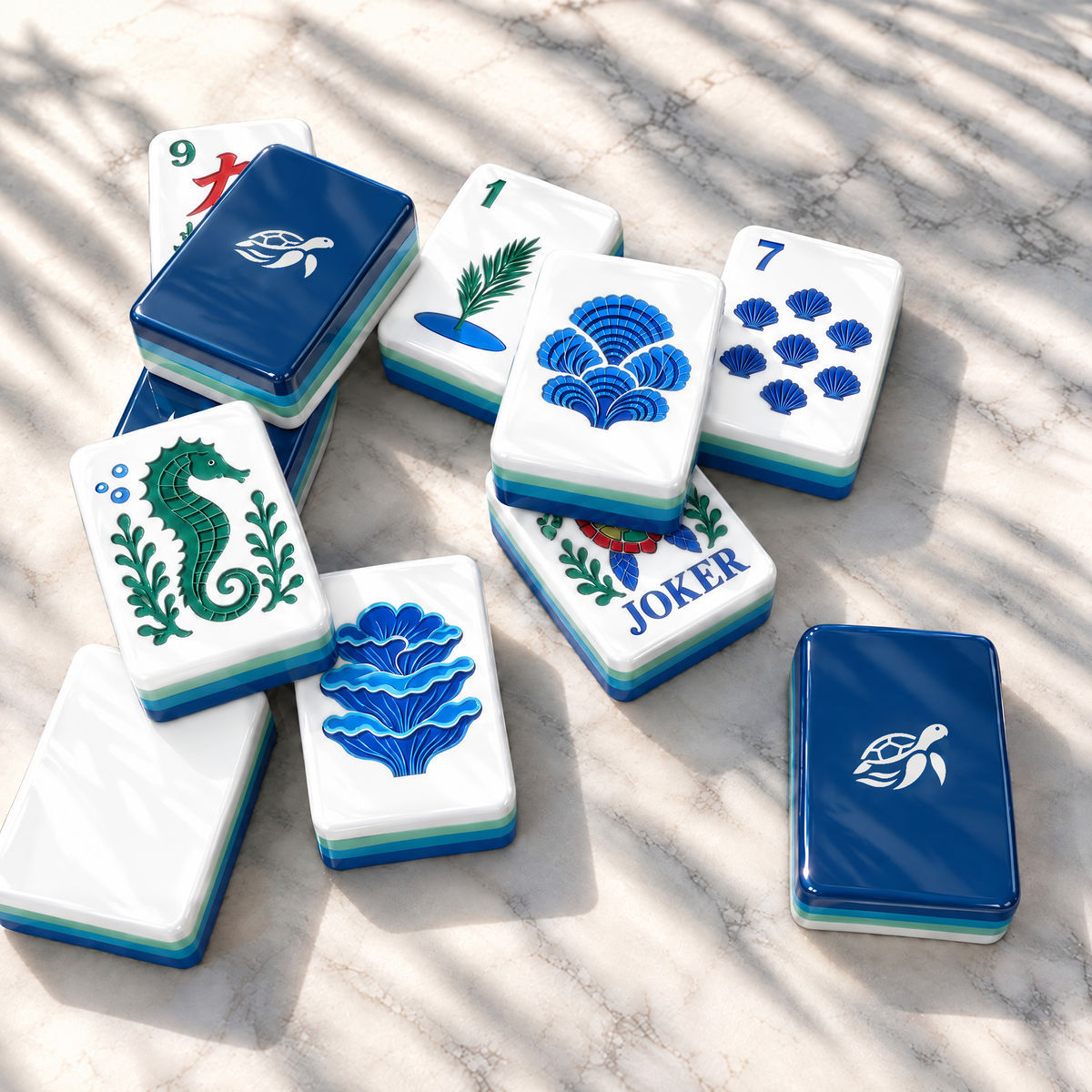
Mahjong retreats in Louisiana happen in homes, vacation rentals, and country clubs, organized mostly through word-of-mouth, synagogue networks, and community center bulletin boards. A typical retreat runs Friday through Sunday and hosts 2–4 tables (8–16 players). Most follow American mahjong rules using the current National Mah Jongg League card. To find one, check community centers, libraries, synagogues, and local Meetup boards for mahjong clubs; many members coordinate seasonal gatherings. To host, you'll need quality engraved 160-tile acrylic American mahjong sets, sturdy mats for each table, and racks with pushers so tiles stay organized. Budget time for the Charleston (tile-passing ritual) before each game. Costs vary—some retreats charge a nominal fee to cover rental space; others are free among friends.
Louisiana's mahjong culture runs deep in pockets across New Orleans, Baton Rouge, and the Gulf Coast, sustained by multigenerational players who host informal gatherings and occasional organized retreats. These aren't tournament events with scoreboards; they're weekends built around steady play, shared meals, and the rhythm of the shuffle.
How do you find a mahjong retreat in Louisiana?
Most Louisiana retreats aren't advertised online—they're community secrets passed hand to hand. Start by visiting your local synagogue, Jewish community center, or senior center; mahjong coordinators often post retreat dates on bulletin boards or email lists. Check Meetup.com for regional mahjong groups (search your town plus "mahjong"); many chapters organize annual or seasonal weekends. Public libraries sometimes host informal player networks or know of active clubs. Country clubs in areas like Metairie, Baton Rouge, and the New Orleans suburbs often host mahjong events; call and ask. Once you've found one player, ask directly—the community will welcome you.

What makes a Louisiana retreat different from weekly home games?
Home games typically run one evening per week; a retreat is a 2–4 day immersion. Players converge on Friday evening or Saturday morning, bringing overnight bags, snacks, and their own tiles if they prefer. Multiple tables run simultaneously across a rental property, and the atmosphere balances serious play with socializing—meals together, story swaps between rounds, and the kind of focus that only happens when there's no school pickup or work deadline at 9 a.m. A typical Saturday might include three 2–3 hour sessions with lunch and coffee breaks. Retreat players often bring their own engraved American mahjong sets so everyone plays on familiar tiles; hosts usually provide mats and racks for communal tables.
🀄 Shop best-selling mahjong sets →
What should you host or bring to a retreat?
If you're hosting a Louisiana retreat, the bare minimum for one 4-player table is one 160-tile acrylic set, one padded mat, one rack with pushers per player, and a cup for dice. For two tables, double that. Quality matters: a mat with reinforced seams won't fray after three days of play, and pushers that grip tiles keep the game flowing without fumbling. We recommend building a kit before your first retreat so you can host confidently.
For overnight retreats, bring comfortable clothes, a notebook for scoring (or use a scoring app), your favorite tile set if it's personal, any medication or dietary items, cash for group meals, and a charger for your phone. If you're bringing tiles, ensure they're a full 152-tile set plus jokers—many players travel with backup jokers in a small drawstring bag. A travel mahjong bag or case protects tiles during the drive and keeps everything organized in the rental house.
What's the difference between retreat play and tournament rules?
Louisiana retreats use American mahjong rules: hands come only from the current year's National Mah Jongg League card, the Charleston tile-passing ritual happens before each game, and jokers can be used as wild tiles in any combination except a pair. There are no tournaments in Louisiana with official rankings—retreat play is recreational. Players set their own stakes (from no money to modest chips) and decide house rules before sitting down. Most importantly, retreats move at a conversational pace; no timers, no clock pressure. Everyone waits for the slowest thinker. New players are welcome, and regulars will teach how American mahjong works between rounds.

What's the best way to host a multi-table retreat at home?
Space and comfort drive the experience. Ideally, each table has 4–5 feet of clearance on all sides so players can move freely and retrieve discards easily. Set up one table per room if possible; players won't distract each other. Provide a central food station (snacks, coffee, water, wine) so people can refuel without abandoning the game. Assign one person to track scores across all tables if there's a final settlement; otherwise, each table keeps its own tally. Have a backup set and extra jokers on hand—tiles get lost or bent over a weekend. Charge a modest hosting fee if the retreat includes lodging or catering; otherwise, ask everyone to bring a dish or contribute groceries. Use padded mats with pushers and racks so play stays organized and the event feels polished.
Retreat Element | What It Means | How to Prepare |
Venue | Rental home, condo, or property with 1–2 rooms per table | Book 4–8 weeks ahead; verify parking and Wi-Fi |
Tables | One mahjong set + mat + 4 racks with pushers per table | Buy or borrow sets if needed; test mats for size fit |
Players | 4 per table; invite 8–16 total for 2 tables | Send invites 6 weeks out; confirm 2 weeks before |
Meals | Friday dinner, Saturday breakfast/lunch/dinner, Sunday brunch | Potluck or group catering order; shop Friday afternoon |
Scoring | Track by game or cumulative across weekend | Designate a scorekeeper per table; post tally board |
Tiles & Rules | American mahjong, current NMJL card, no tournament mode | Provide cards; confirm all players know Charleston |
🎁 See our most-loved mahjong sets & accessories →
What to check before you book or host a retreat
Before committing, verify that all attendees are using the same National Mah Jongg League card year—if someone brings last year's card, hands won't match and games will stall. Confirm with the venue that alcohol is allowed if that's part of your group's culture; many rental properties have restrictions. Test your mats and racks before the event; a mat with worn pushers will slow play. If hosting, ask attendees about dietary needs and allergies upfront so meal planning is smooth. Ensure adequate seating—one person standing around a table for eight hours is miserable. Have a rain plan if the retreat includes outdoor time. If you're traveling with acrylic sets, pack them flat in a padded case; tiles in cloth bags shift during transport and can crack. Finally, set clear house rules on stakes, scoring method, and whether new players are welcome before Friday evening so there are no conflicts mid-game.
✨ Find your Mahstead set — free US shipping →
Our pick: Hosting a Retreat in Louisiana
The pillar guide on mahjong for beginners covers setup and rules—essential reading for first-time hosts. For deeper dives on equipment, our guides on how to choose a mahjong mat and racks with pushers will help you invest wisely. Most retreat hosts over time build a collection of new Mahstead arrivals and themed sets as the passion grows.

FAQ
Can you play mahjong with fewer than four people at a Louisiana retreat?
Yes. Two or three players use modified rules focusing on bonuses and hand scoring. Find the full mechanics in our guide to 2 and 3 player mahjong rules, which Louisiana clubs occasionally play on Sunday mornings before everyone departs.
What's the Charleston and why do retreat hosts emphasize it?
The Charleston is the pre-game tile-passing ritual unique to American mahjong. Each player passes tiles left, then right, then across the table, then back. It randomizes the initial hand and keeps play fair. Learn step-by-step in the Charleston explained.
How many jokers come in a mahjong set, and do I need extras for a retreat?
A standard 160-tile acrylic set includes enough jokers for one game of 152 tiles in play. Our guide to how jokers work explains their role in hands; many retreat hosts keep a backup joker in their travel bag in case one gets bent.
Where can I buy quality mahjong sets for a retreat?
Mahstead designs 160-tile acrylic sets with free US shipping. Visit our best-selling mahjong sets collection or browse engraved themed sets if you want a retreat-specific design.
What's the cost difference between hosting at home versus renting a vacation property?
Home hosting is free (you own the space). Rental properties in Louisiana coastal towns range widely depending on size and season; a 3-bedroom weekend in off-season may cost $100–400, split among 8–16 players. Venues like country clubs charge day-use fees, typically $50–150, and players usually contribute to snacks.
Can retreat players use their own personal mahjong sets, or do they need to match?
Players can bring personal sets, but mixing tile styles across tables looks inconsistent and may confuse new players reading hands. Most retreat hosts provide uniform mahjong sets for communal tables and welcome guests to bring extras for variety outside formal play.


View More
View More
View More
