
Best Filipino Mahjong App: A Player's Guide (2026)
Last updated: Nov 23, 2026
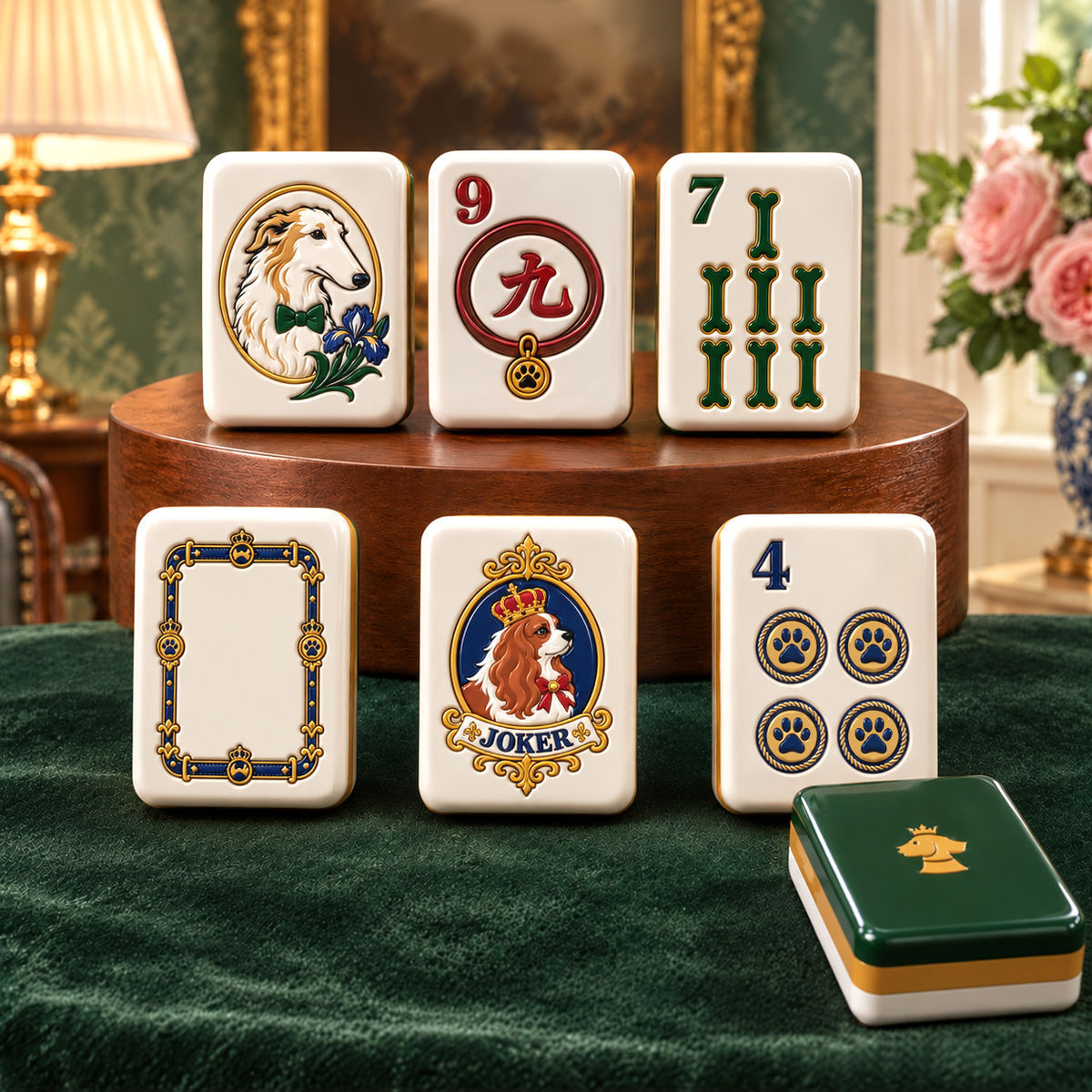
Filipino mahjong apps—particularly those available on iOS and Android through regional app stores—let you play asynchronous or real-time games against AI or online opponents without carrying tiles. Popular options include apps designed for Hong Kong or Chinese mahjong rules (which many Filipino players adapt), though dedicated Filipino variants are fewer. Most charge nothing upfront but monetize through cosmetics, ad-supported play, or optional pass systems. None replicate the pace, tile-handling skill, and social accountability of in-person play; serious players we host weekly with treat apps as practice tools, not substitutes. For competitive play, a physical best-selling mahjong set remains the standard.
Filipino mahjong apps offer portable play, but they lack the social depth and skill-building of physical tiles. We break down the best apps and when to choose a real set instead.
Which Filipino mahjong apps have the most players?
The market is fragmented: most downloaded titles use Hong Kong or Chinese ruleset templates rather than strict Filipino-only implementations. Apps like Mahjong Solitaire and regional adaptations of Mahjong Titans appear frequently in Philippine app stores, but player bases cluster around casual, not competitive, communities. No single app claims universal adoption among serious Filipino mahjong circles—most serious players we know still prefer local clubs or home games with physical tiles.

How do app rules differ from traditional Filipino mahjong?
Apps typically simplify win conditions and hand-counting to fit screen interfaces; many flatten or skip the nuanced scoring variants that distinguish Filipino regional play. Traditional Filipino mahjong often uses house rules that vary by region or family—apps can't accommodate that flexibility. You also lose the tactile learning: tile recognition by feel, hand management rhythm, and defensive awareness all develop through physical play. Apps teach recognition but not intuition.
What's the cost of playing Filipino mahjong online?
Most popular apps are free-to-download with optional in-app purchases (cosmetics, fast-play passes, or ad removal). Prices for premium passes typically range from a few pesos to a hundred or more per month, depending on the app and region—though we can't confirm current rates since they shift seasonally. No app charges a one-time flat fee; all rely on ads or freemium models. By contrast, a quality physical mahjong set is a one-time investment and enables unlimited home games.
🀄 Shop best-selling mahjong sets →

Why do serious players still prefer physical tiles over apps?
Three reasons: hand-building muscle memory—shuffling, sorting, and discarding tiles trains pattern recognition faster than swiping; social continuity—real games create accountability and relationship depth that async app play cannot match; and rule sovereignty—your table sets house rules, not the developer. We've seen players return to apps after a month away; the same players in weekly home games rarely miss. Apps work for casual weeknight fun or travel delays, but they don't build the competitive edge or social bonds that keep groups together for years.
Factor | Apps | Physical Tiles | Winner for Serious Play |
Setup time | Instant | 5–10 min + Charleston | Tie (depends on goal) |
Portability | Full (phone anywhere) | Requires bag/table | Apps win |
Social accountability | Low (async OK) | High (live stakes) | Physical wins |
Hand-counting skill | Minimal feedback | Constant practice | Physical wins |
Cost to start | Free | One-time set purchase | Apps win short-term |
Rule flexibility | None (fixed code) | Unlimited (house rules) | Physical wins |
Long-term engagement | 3–6 months average | Years (community-driven) | Physical wins |
🎁 See our most-loved mahjong sets & accessories →
When should you use an app instead of playing in person?
Apps excel in three scenarios: practicing hand recognition during work breaks or commutes (no tiles required); sampling the game before buying a set (zero commitment); and staying sharp between in-person sessions if your regular game is on holiday. They're also practical if you travel alone or live far from active clubs. But if you play weekly or aspire to competitive skill, treat the app as a warm-up tool, not a replacement. Many of us open an app to review this year's hand card while waiting for players to arrive—that's the honest use case.
How to choose between an app and a real set: a decision framework
Ask yourself: Am I practicing or playing for social connection? If practicing (learning hands, reviewing strategy), an app works. If connection (weekly group, house stakes, tournament prep), invest in a physical set—a best-selling collection includes quality designs with mats and racks that make hosting seamless. Do I have a regular table? Yes → buy tiles. No → app for now, but plan to transition. Will I play more than twice a month? Yes → physical tiles pay for themselves in joy and skill faster. No → app is fine.
What to check before you buy (or download)
App store reviews: Look for complaints about rule inconsistencies, crash loops, or ads interrupting play. Filipino mahjong apps especially may have poor English documentation—read regional reviews first.
Offline playability: Can you play without internet? Many apps require live connection even for AI, which fails in poor signal areas.
Hand card accuracy: Does the app use an official rule variant (Hong Kong, Chinese, or a declared house ruleset)? Mismatches waste practice time.
Social features: Can you play with named friends or family? That's the only app feature that approximates real-game engagement.
Monetization fatigue: Watch for progressively aggressive ads or paywalls after level 5. That signals the app may not hold your interest long-term.
If you're serious about Filipino mahjong, skip the app search and commit to a physical set today. You'll build skill faster, keep a regular group, and own a beautiful object that lasts decades.
✨ Find your Mahstead set — free US shipping →

FAQ
Is there an official Filipino mahjong app?
No single app is recognized as "official" by the broader Filipino mahjong community. Most serious players use apps only as practice tools, not competitive platforms. Competitive play requires physical tiles and in-person groups.
Can I play Filipino mahjong on PC or Mac?
Yes—web-based versions and emulated apps exist, but quality and rule accuracy vary. Browser-based platforms tend to have fewer regional adaptations than mobile apps. Most serious players still prefer tiles.
How long does it take to learn mahjong from an app alone?
Hand recognition takes 3–4 weeks with daily play; scoring and strategy take months longer. Apps teach sight-reading but not the defensive instincts that come from live play. Pairing app practice with weekly in-person games accelerates learning.
What happens if I want to switch from app to real tiles?
The transition is straightforward if the app uses standard Hong Kong or Chinese rules. You'll need to learn shuffling, the Charleston passing ritual, and live hand management. Most players pick these up in their first real session; having a good mahjong set with a mat and racks helps beginners stay organized.
Do Filipino mahjong apps work offline?
Some do, but most require internet for AI opponents or leaderboard syncing. Check the app description before downloading if you plan to play in areas with weak signal.


View More
View More
View More
