
Mahjong Party Ideas in Greenville: Host & Learn
Last updated: Nov 23, 2026
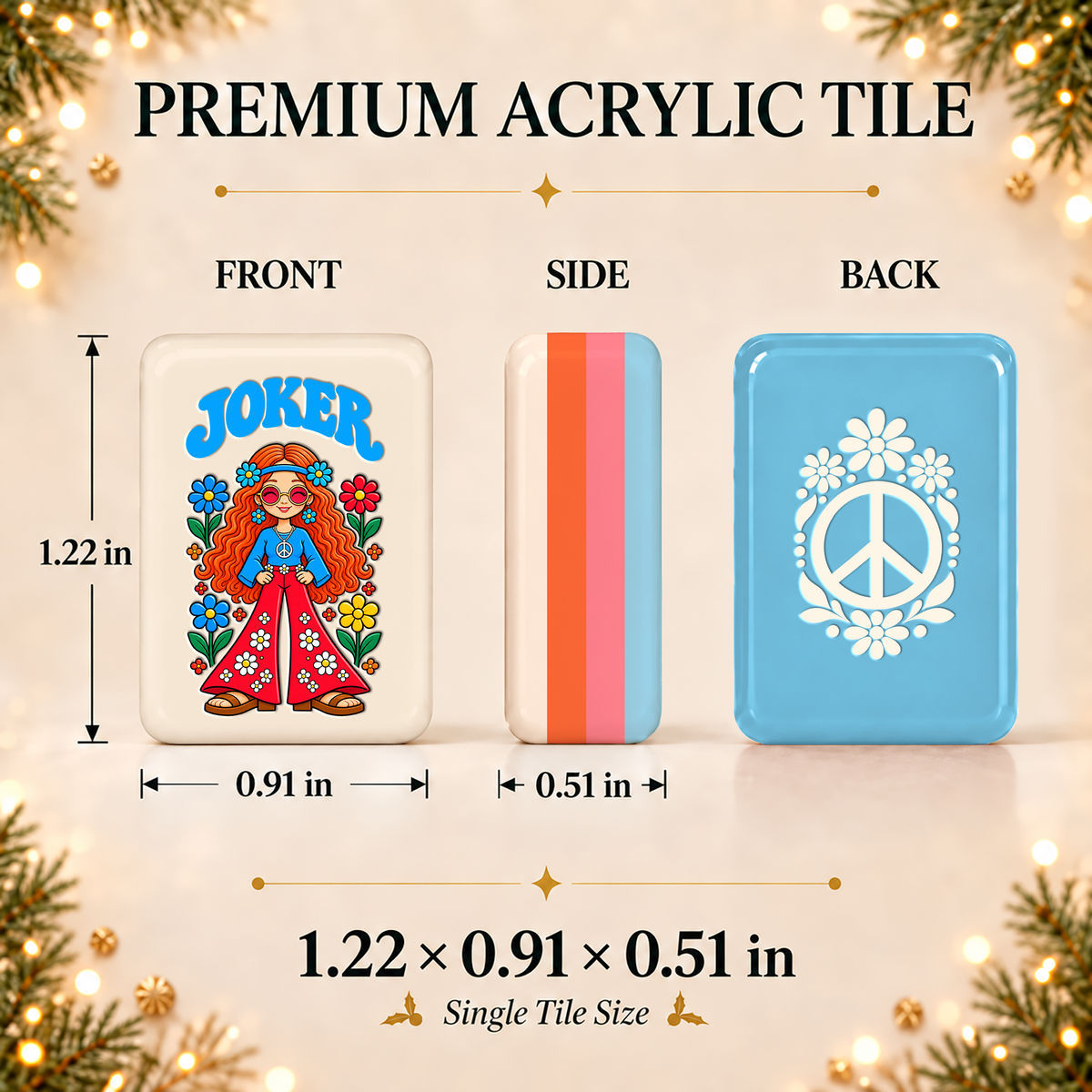
Greenville hosts mahjong through community centers, libraries, synagogues, country clubs, and casual meetup boards—search local event listings or post on neighborhood apps. A party needs four players, a 160-tile set with jokers, a mat to protect your table, and racks to hold tiles. A beginner game lasts 1–2 hours per round; expect three to five rounds per session. The current year's National Mah Jongg League card (free, issued spring 2026) is the only valid hand reference for American mahjong. Beginners often skip the Charleston (the tile-pass ritual before play) or confuse exposed groups; we'll walk you through both. Most hosts buy a durable set with spare jokers, a padded mat, and a carrying bag—this setup costs considerably less than dining out and lasts years.
Throwing a mahjong party in Greenville is easier than you'd think—and far more memorable than another dinner night. Whether you're building a weekly game from scratch or hosting experienced friends, the setup, rules, and player-finding strategy matter more than luck. Here's what actually works, based on hosting weekly games ourselves.
Where Do Greenville Players Actually Gather?
Check community centers, public libraries, synagogues, country clubs, and retirement communities first—many host open mahjong groups or bulletin boards. Meetup apps, Facebook community groups, and NextDoor are gold for finding local players or posting "looking for a fourth." Churches and cultural centers often run beginner workshops spring through fall. Don't overlook workplaces: many office groups meet at lunch or after hours. Start by asking at the library if they know active groups; librarians often have the real network map.

What's the Minimum Setup to Host Four Players?
You'll need exactly four players, a 160-tile American mahjong set with eight jokers, a padded mat to protect your dining or card table, racks and pushers so tiles don't slide, and a place to display the current year's National Mah Jongg League card. A carrying bag keeps everything organized between games. Paper and pencil for scoring rounds out the essentials. Don't use a bare table—tiles slip, frustration rises, and people quit. A mat transforms any surface into a real game space.
🀄 Shop best-selling mahjong sets →
What Beginner Mistakes Sink a First Party?
New hosts often forget the National Mah Jongg League card exists or assume old hands still work—they don't. The card changes every spring; this year's version is the only valid one. Another trap: mixing American mahjong rules with Chinese or Hong Kong variants. American mahjong has no sequences (chows); you can only expose matching groups called pungs (three identical tiles), kongs (four identical), quints (five), and sextets (six). Jokers cannot be used as a single tile or a pair—only within a pung or larger group. Many beginners accidentally let jokers stand alone or misunderstand the Charleston, the pre-game tile-pass ritual that levels hand quality. Start with simplified rules for round one, then layer in official scoring once everyone feels comfortable.
How Do You Actually Run a Three-to-Five Round Party?
Gather players, deal 13 tiles to each person (the fourth gets 14 and plays first), conduct the Charleston by passing tiles left, then across, then right. Check the League card together; each player assembles a valid hand from their 13 (or 14) tiles. The first to complete a hand and declare "mahjong" wins the round. Each hand plays in 10–15 minutes once everyone knows the card. Racks with pushers keep tiles vertical and organized; pushers let players draw and discard smoothly without fumbling. Play three to five rounds back-to-back—stop before energy dips. Keep water, snacks, and laughter flowing; the social rhythm matters as much as the score.
Party Element | Duration | Why It Works | Common Mistake |
Setup & Charleston | 5–7 min | Levels tile quality fairly | Skipping Charleston; hands become lopsided |
First round (3–4 players) | 10–15 min | Beginners stay engaged | Rushing; unclear tile display |
Rounds 2–5 | 10–15 min each | Rhythm builds; players improve | Playing too many rounds; fatigue kills fun |
Scoring & breaks | 2–3 min between rounds | Lets players digest wins/losses | No break; energy collapses |
Total session | 90–120 min | Sweet spot for home games | Playing >5 rounds; boredom sets in |

What Theme Nights Boost Attendance?
Themed parties work because they give people a reason beyond "just another game." Host a "Mahjong & Moon Cake" night (Chinese mooncakes + oolong tea), a "Vintage Tile" evening (bring your grandmother's set), or "New Year Tiles" in spring—many cultures celebrate with mahjong. A "Learn to Play" party targets complete beginners; send the mahjong-for-beginners guide to invitees beforehand so they arrive ready, not scared. Holiday parties around Christmas work too—many players get engraved or seasonal sets as gifts and want to break them in. Friend-referral nights ("Bring someone new") keep groups fresh. Themed nights feel special, lower the anxiety bar for newcomers, and give regular players a story to tell.
🎁 See our most-loved mahjong sets & accessories →
What Should You Check Before You Buy?
Before buying a set, confirm it's a full 160-tile American mahjong set with eight jokers—not a Chinese or travel variant. Check that racks come with pushers; pushers make the difference between a smooth game and tiles sliding everywhere. Verify the mat is padded (neoprene or felt), not a thin cloth—it protects both the table and tile edges. If you're hosting regularly, invest in a carrying bag or case; it keeps your set organized and shows guests you take the game seriously. Test the tile feel in hand if you can; acrylic tiles stay cool and don't scratch easily, unlike bamboo or bone. Joker count matters: spare jokers let you replace lost ones without abandoning a set. Choose a set you'll enjoy opening every week—aesthetics matter to repeat hosting.
✨ Find your Mahstead set — free US shipping →
How Do You Keep a Weekly Game Alive in Greenville?
Consistency beats perfection. Pick one day and time—say Thursday 7 p.m. at your house—and stick to it. Rotate hosts or stick to yours; regulars prefer knowing where to go. Build a simple group chat or email list to confirm attendance and handle slot swaps. Keep score lightly; competitive games burn people out, social games build loyalty. Invite one new player per month (existing members vouch for them) so the group refreshes without chaos. After every session, ask one thing people loved and one thing to improve—feedback keeps energy high. Host a "mid-season" potluck party after 4–6 weeks to celebrate the group. Most weekly groups fold because the host stops; make hosting easy (use a durable set, a good mat, prepared snacks) and it becomes something you look forward to, not a chore.

FAQ
Do I need to know how to play before hosting?
No. Learn how to play American mahjong yourself first, send the guide to invitees, and everyone learns round one together. Host groups thrive when the host stays calm and reads the League card aloud. Admit gaps; players respect honesty.
What's the difference between American, Chinese, and Hong Kong mahjong for a party?
American mahjong uses the annual League card, no sequences, and jokers as wildcards—easier for social play. Chinese and Hong Kong use traditional hands, melds, and different tile mechanics. Pick one variant and stick to it; mixing rules derails beginners.
Can I host with three players instead of four?
Yes, but the game changes significantly. Two and three-player rules exist, though most groups prefer four for balanced play and faster rounds. Start with four if you can; add three-player nights later once your core group wants variety.
How often should I host or join a game?
Weekly or every other week is the sweet spot. More often and hosting becomes a job; less often and new players forget the rules. Most Greenville groups play Thursday or Saturday evenings—find the rhythm that fits your crowd.
Where do I get the current National Mah Jongg League card?
Ask at local libraries, mahjong clubs, or order online from the League directly (issued each spring). Print it or display it on a tablet at your table. Never play with outdated cards; hands change yearly.
What's the difference between a mat, a table cover, and a tablecloth?
A mat is padded neoprene or felt, protects tiles and table, stays in place, and lasts years. A table cover or cloth is thin, shifts during play, and doesn't protect tile edges. Invest in a real mat; it's the difference between amateur hour and a real game.


View More
View More
View More
