
Mahjong Open Play in Portland: Where to Find Games & Join
Last updated: Nov 23, 2026
Open play in Portland occurs at community centers, libraries, senior centers, country clubs, and informal home groups throughout the metro area. Most games run weekly or biweekly, typically Thursday–Sunday afternoons or evenings. American mahjong dominates the region, though some groups play Chinese variants. To find a game: search Meetup, ask at your local library's community board, contact community centers directly, or join local Facebook groups for mahjong players. Expect to pay a small table fee (typically a few dollars per session) or play for free among friends. Beginners are usually welcome if you know the fundamentals of American mahjong—or commit to learning before your first game. Bring a notebook to track scoring; most groups use the current year's National Mah Jongg League card (issued each spring). If you're serious about regular play, a personal acrylic set from our best-selling collection makes setup fast and tiles visible for everyone.
Where do Portland groups play most often?
Community centers and libraries are Portland's backbone for open mahjong. Check your neighborhood community center's activity schedule first; many offer weekly sessions facilitated or unsupervised. Your local library often hosts boards listing ongoing games or can connect you with organizers. Senior centers welcome all ages and typically run beginner-friendly sessions. Some country clubs and golf clubs have active mahjong programs. Search Meetup under "mahjong Portland" or "mah-jongg" for currently active groups with meeting times and locations listed. Facebook community groups (search "[your neighborhood] mahjong" or "Portland mahjong players") often post upcoming games in real time.

What's the skill level at open play sessions?
Portland open play ranges from absolute beginner to advanced, depending on the group. Most public sessions explicitly separate beginner and intermediate tables, or welcome new players with a mentor assigned. Some competitive groups expect you to arrive knowing hand patterns from the current year's League card; others teach as you go. Ask the organizer before you arrive: "Is this beginner-friendly?" and "Do I need to know anything before day one?" A willingness to learn and respect for the rules matters far more than experience. Expect your first session to be slower—that's normal and accepted in supportive groups.
How do you prepare for your first open play game?
Before your first session, learn three essentials. First, understand how to read the current year's National Mah Jongg League card—your group will use this hand chart. Second, know the basics of American mahjong play: tile names (Bams, Craks, Dots), winds, dragons, flowers, how to form a pung or kong, and the role of jokers in building hands. Third, learn how the Charleston tile-exchange works—this ritual shuffles tiles before each hand and trips up many beginners. Watch a YouTube tutorial or read a beginner guide at home. Bring a notebook and pen to track scoring—mental math breaks down fast. Tell the table you're new; good players will slow down discards and remind you of the rules. Arrive 10 minutes early and ask quiet questions while tiles are being set.
🀄 Shop best-selling mahjong sets →
What equipment do Portland players bring to open play?
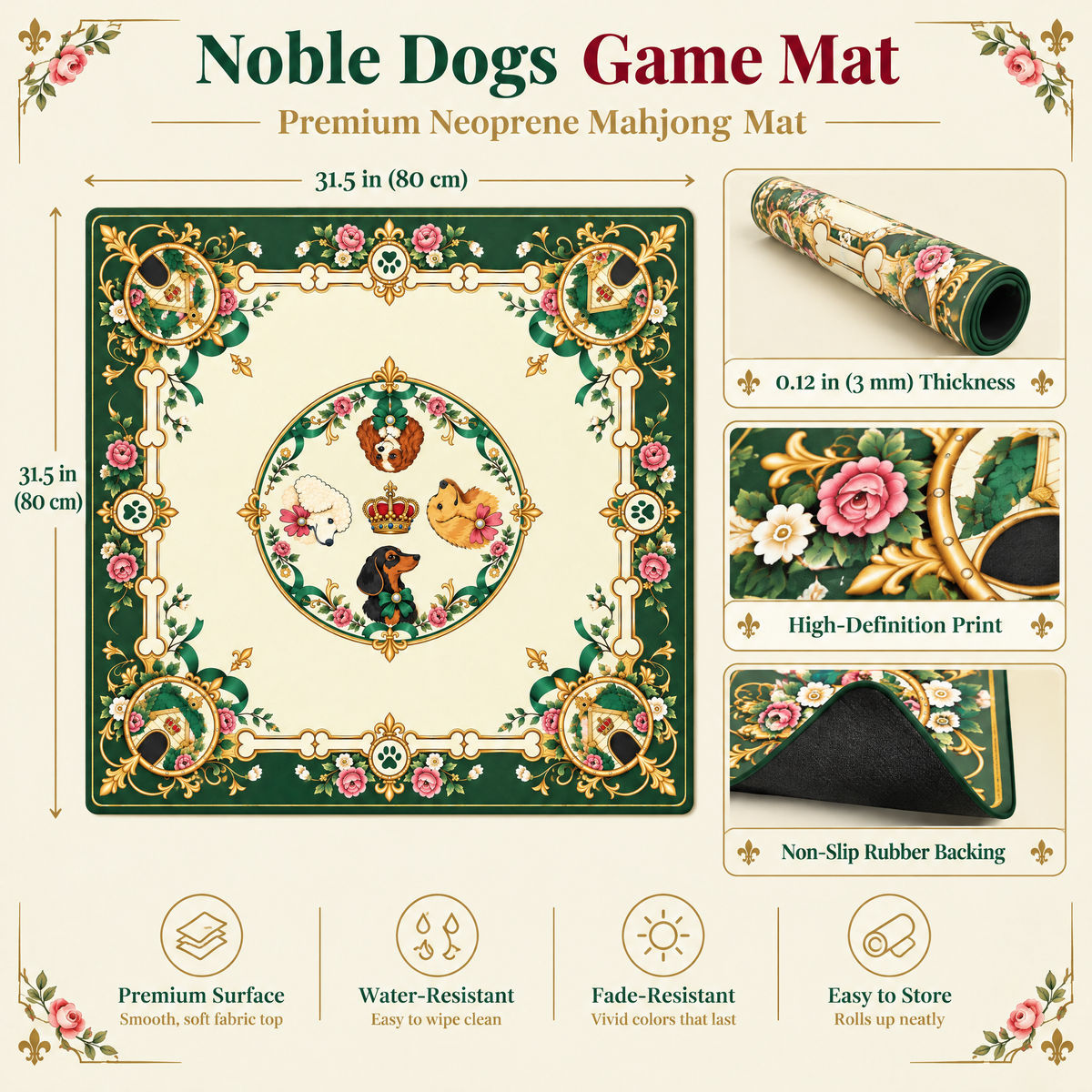
Most open play venues provide a house set and mat. However, many Portland regulars bring their own because a familiar set speeds play and reduces errors. If you become a regular, owning a personal set with clear, consistent tile markings lets you play anywhere with confidence. An engraved acrylic set personalizes your game and makes your tiles instantly recognizable among shared sets. A padded travel bag or case keeps your tiles safe between games. A personal mat with your name or initials marks your space and protects the table. Racks with pushers aren't essential at open play (most venues don't use them), but they speed hand-building and reduce fumbling if your group plays with them.
What should you know about Portland's game variations?
Portland is almost entirely American mahjong—the standard 152-tile game played with the National Mah Jongg League card issued each spring. Hands consist only of pungs (three identical tiles), kongs (four identical), and exposed melds; no chows (sequences). Jokers are wildcards and critical to completing hands. Scoring follows the League's annual point system, which changes yearly. A few groups play Chinese mahjong (a different rule set, hand structure, and tile count) or Hong Kong style; ask before you attend if you're curious about a non-American variant. Most beginners default to American because it's what Portland venues teach. The rules are consistent city-wide, so once you learn one group's play, you'll fit into any other.
Checklist: Preparing for Your First Portland Open Play Session
[ ] Learn hand names and tile suits (Bam, Crak, Dot, winds, dragons, flowers).
[ ] Study the current year's League card pattern (available free online from the NMJL).
[ ] Watch a video on the Charleston to see tile-passing in action.
[ ] Review American mahjong scoring basics so you recognize point calls.
[ ] Bring a notebook, pen, and phone (to photograph the League card if needed).
[ ] Arrive 10–15 minutes early and tell the table you're a beginner.
[ ] Ask one of the more experienced players to sit nearby and mentor your first hand.
Beginner Need | Why It Matters | Mahstead Option |
Recognizable personal tiles | Speeds play & reduces mix-ups with house sets | |
Protected tiles between games | Keeps acrylic from scratches & tiles from spilling | |
Marked play area | Identifies your hand at a crowded table | |
Tile visibility in dim lighting | Many open play rooms have poor overhead light | Clear acrylic sets with bold engraving |
🎁 See our most-loved mahjong sets & accessories →
What to check before you buy equipment for open play
If you're new to Portland open play, don't rush into gear. Attend 2–3 sessions at a venue with house tiles first. See what works for that group's table size and pace. Then decide: Do you play often enough to own a set? Do you like the house mat or prefer your own? Once you know your habits, a 160-tile acrylic set gives you freedom to play anywhere—open play, home games, travel. Acrylic is durable, tiles don't crack or fade, and the colors stay vivid. Pair it with a bag for portability and a mat if you host at home. Most Portland players start small: a set, a notebook, and confidence in the rules. Everything else is a luxury.
✨ Find your Mahstead set — free US shipping →

FAQ
How do I find open mahjong games in Portland right now?
Search Meetup.com for "mahjong Portland," call your local community center or library and ask about weekly sessions, and join Facebook groups for Portland neighborhood mahjong. Most meetings happen Thursday–Sunday afternoons or evenings. Organizers post times and locations on these platforms regularly.
Do I need to own my own mahjong set to play open play?
No. Most open play venues provide house sets and mats. However, owning an acrylic set speeds familiarity with tiles and lets you play confidently at multiple groups. If you play weekly, a personal set becomes worth it.
What's the difference between American mahjong and Chinese mahjong?
American mahjong uses 152 tiles, the current year's League card for hand patterns, and no chows (sequences)—only pungs, kongs, and melds. Chinese mahjong uses 144 tiles, memorized hand patterns, and allows chow sequences. Portland is almost entirely American. Confirm which version a group plays before attending.
How much does it cost to play in a Portland open play group?
Most public sessions charge a small per-session table fee (ask the organizer when you contact them), or play free among home players. Ask before you arrive so you know what to bring.
What should I study before my first open play game?
Learn tile names and the current year's National Mah Jongg League card patterns, review the Charleston tile-pass ritual, understand hand-building rules (pungs, kongs, jokers), and study scoring basics. Spend 1–2 hours watching beginner videos and reading a guide, then attend a session ready to ask questions.
Are Portland open play groups welcoming to beginners?
Yes. Most groups explicitly welcome beginners or have beginner tables. Tell the organizer you're new; experienced players often mentor first hands. Choose groups that publicly advertise as beginner-friendly if you're nervous.


View More
View More
View More
