
Birthday Mahjong Party Food: Menu & Hosting Ideas
Last updated: Nov 23, 2026
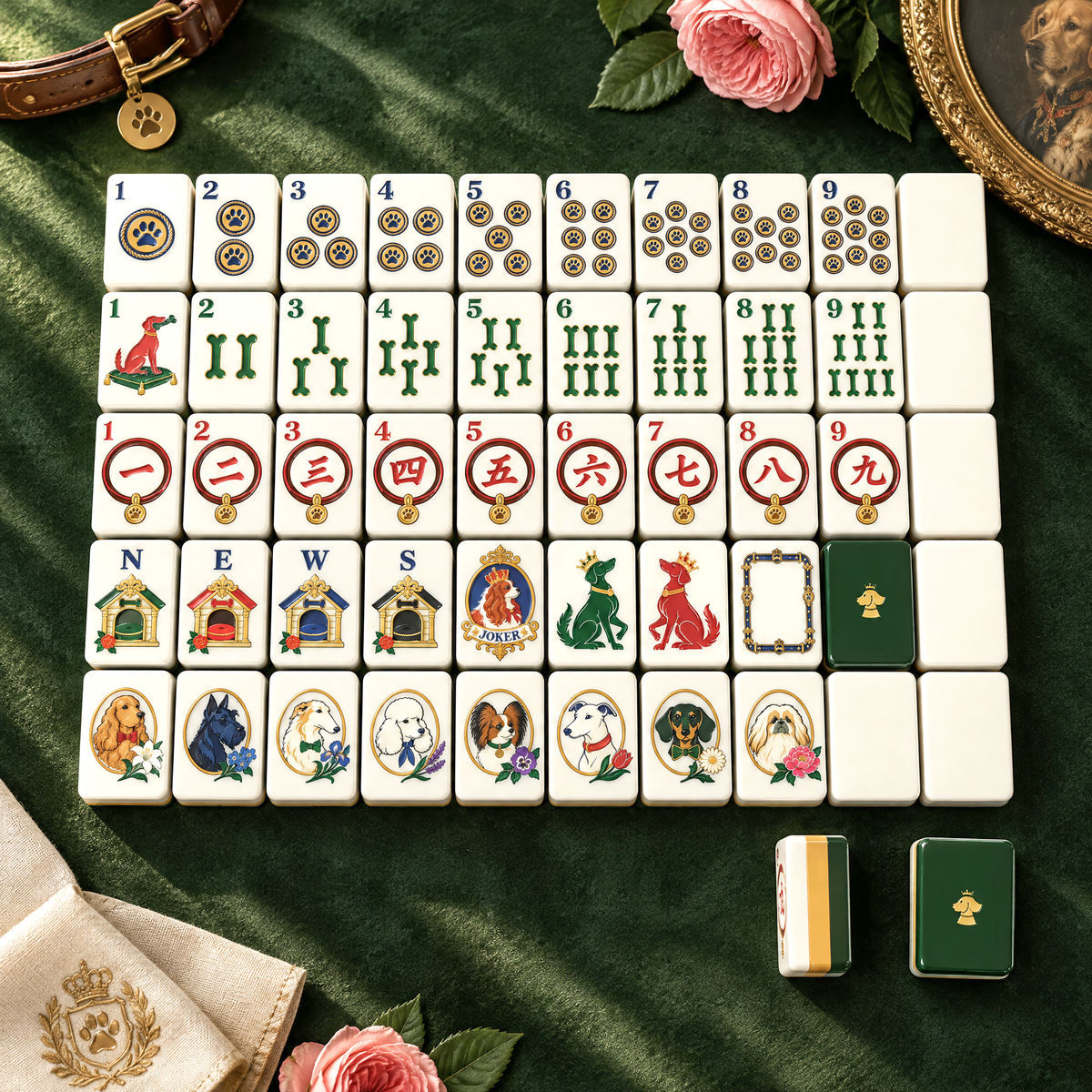
Mahjong parties thrive on light, low-mess food served in shifts so players aren't eating over their tiles. Think small bites: nuts, cheese, fruit, pastries, spring rolls, dumplings—anything you can eat with one hand while shuffling tiles with the other. Drinks should be water, tea, or light cocktails in closed containers kept away from the table. Avoid oily snacks (slippery tiles), red sauces (stain risk), and anything requiring two hands or utensils. A solid approach: serve appetizers during the Charleston pre-game, a small entrée or sandwich board at the break (usually after two rounds, roughly 90 minutes), then dessert at the end. Most players expect food at a four-to-six-hour gathering; budget per person depends on meal length and your circle's tradition. Mahstead hosts often prep a rolling snack cart so tiles stay pristine while conversation and hunger both flow.
What do mahjong players actually want to eat at a birthday party?
The best mahjong-party food is anything that doesn't require your full attention. Players need to eat without picking up a second hand, wiping fingers constantly, or reaching across tiles. Nuts, cheese cubes, crackers, hummus, grapes, berries, dim sum, spring rolls, samosas, and shortbread work beautifully. Avoid anything sticky (candy, caramel), greasy (fried foods left sitting), or saucy (marinara, BBQ, curry pastes). Ask your players upfront about allergies and preferences; a mahjong circle often includes people from different backgrounds, so offering both familiar and culturally meaningful foods builds goodwill. If you're unsure of the group's diet, lean toward vegetarian options, offer a nut-free zone, and keep alcohol optional. Most importantly, don't serve food directly at the playing table—a side table, cart, or buffet keeps tiles, jokers, and snacks in separate territories.

When should you serve food during a mahjong birthday bash?
Timing food around the flow of play keeps energy steady and prevents the awkward pause where everyone's starving but mid-hand. Appetizers & light bites (15–20 minutes before game starts): During the Charleston—the ritual tile-passing phase before play begins—offer nuts, cheese, olives, and dips. Players are still standing, socializing, and waiting for tiles to settle, so this is the moment for finger foods. Main snacks or light meal (after round 2, roughly 90 minutes in): Most American mahjong rounds take 30–45 minutes each. After two rounds, call a 15–20 minute break. This is when you set out sandwiches, pizza, a charcuterie board, or leftovers. It's the natural pivot point before players get tired or hangry. Dessert & closing drinks (final 30–45 minutes): Sweets, coffee, tea, and final toasts happen after the last round or as the birthday person takes victory lap (or gracefully loses). Keep this light—nobody wants chocolate on their hands for the drive home.
🎁 See our most-loved mahjong sets & accessories →
What drinks are safe to serve at a mahjong table?
Beverages need strict containment rules around tiles. Water in sealed or very stable containers is safest—think wide-base glasses or bottles with caps. Tea and coffee in mugs with lids work for non-game areas; never place hot cups near the table itself. Light cocktails or wine are fine if you set them in a designated zone away from tiles and ask players to step back before sipping. Red wine and dark sodas are dangerous (one spill stains tiles permanently). Beer, juice with pulp, and sugary drinks leave sticky residue. Tip: freeze an ice bucket with sparkling water or white wine in a separate room, and never let anyone carry a full glass directly to the table. Many experienced players bring their own tumbler or ask for a cup without ice to minimize condensation and accidental splashes. For a birthday party, a signature mocktail (lemon-ginger cooler, cucumber-mint water, iced herbal tea) feels celebratory without the spill risk.
Should you theme the food around mahjong or the birthday person?
Both work beautifully—the choice depends on your group's humor and the guest of honor's personality. A mahjong-themed menu works if your circle plays regularly and loves the joke: serve "tile-shaped" treats (square cookies, dominoes of chocolate and coconut), label dishes with mahjong terms ("Green Dragon Dip," "East Wind Egg Rolls," "Pung of Pigs in Blankets"), or serve fortune cookies printed with mahjong encouragement instead of traditional fortunes. This appeals to players who bond through the game itself. A birthday-person-themed menu honors them instead: if they love Thai food, serve Thai appetizers; if they're vegan, center the party on colorful vegan spreads; if they grew up in Cantonese mahjong traditions, honor that with dim sum or steamed buns. The sweetest approach? Combine both—serve traditional dim sum (honoring the game's roots and cultural richness) and add one or two signature dishes that represent the birthday person's tastes.
How much food should you prepare for a four- to six-hour mahjong party?
Quantity depends on number of guests, meal length, and whether alcohol is present (people eat differently when drinking). A general rule: appetizers only (pre-game + breaks), plan 1–2 cups of mixed nuts/cheese per person, plus fruit or crudités platter. Half-day party (3–4 hours) with light meal, budget 1 sandwich-sized portion (or 3–4 dim sum pieces) per person plus snacks. Full birthday bash (5–6 hours) with main meal, plan a proper entrée (pasta, pizza, a carved platter, rice-and-protein bowls) at the midpoint, plus appetizers at start and dessert at end. Don't overthink—mahjong players are typically focused on the game, not the food, so a modest, well-timed spread beats an enormous buffet that sits untouched. If your group is 8–10 people, three pizzas, two dips, a cheese board, and fresh fruit covers you generously. For 12+, a sandwich platter or build-your-own taco station means less fussing. Always have more than you think you need—leftovers are a gift, running out is remembered.
Gathering Size | Duration | Food Approach | Why It Works |
4–6 players | 3 hours | Appetizers + one snack break | Lighter, fewer kitchen breaks, keeps focus on the game. |
8–10 players | 4 hours | Appetizers + light meal (sandwiches) + dessert | Players have energy for longer rounds; meal break feels festive without being heavy. |
12+ players | 5–6 hours | Full appetizer spread + main course + dessert | Larger groups need sustained energy; staggered eating prevents bottlenecks at the table. |
🀄 Shop best-selling mahjong sets →
How do you set up a food service area that doesn't interfere with play?
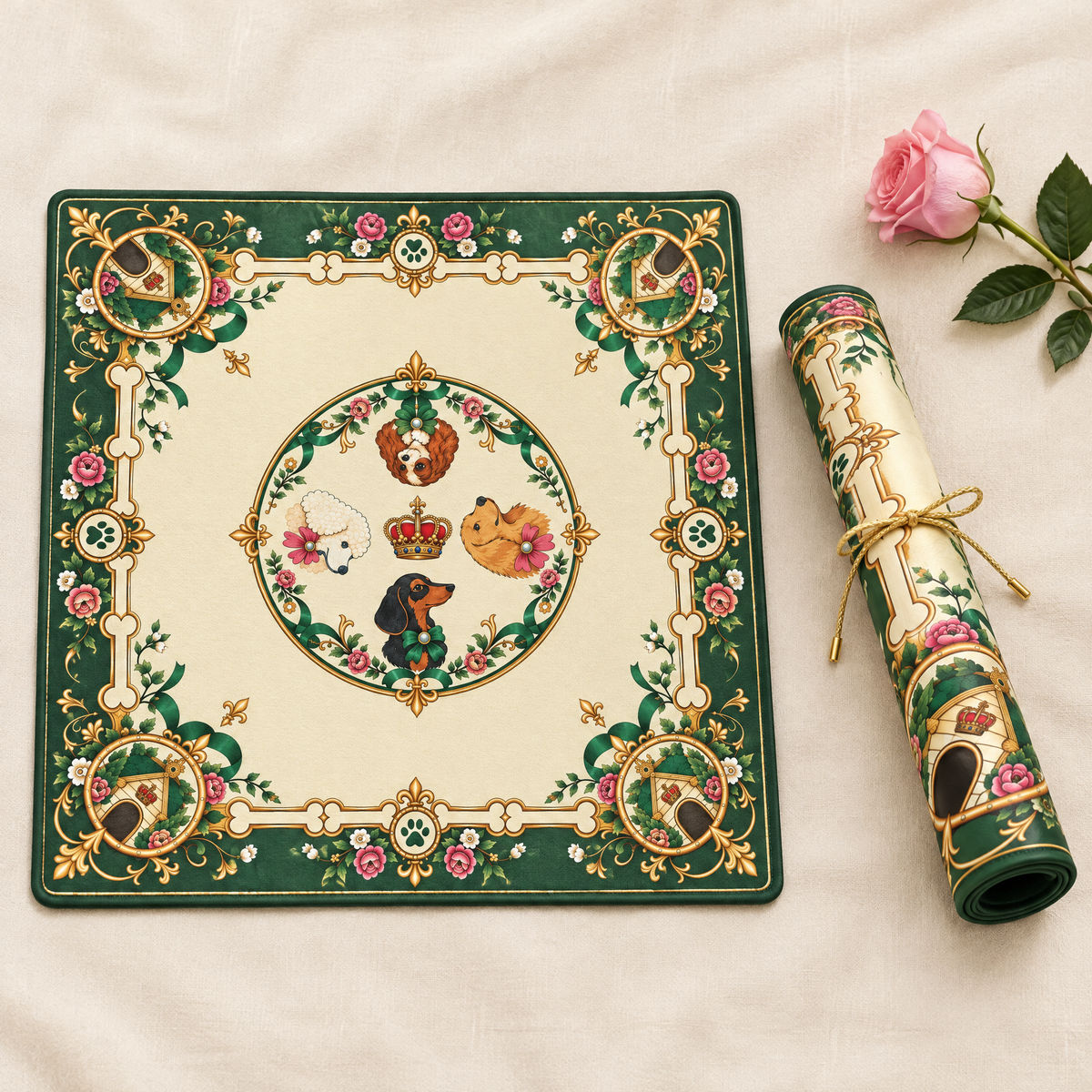
The physical separation between tiles and food is the key to a stress-free party. Position your food and drink station perpendicular to or behind the mahjong table, never directly beside it where reaching for a snack means leaning across tiles or pushing them. If possible, use a separate console table, rolling cart, or kitchen counter. Label snacks clearly (especially allergens), keep napkins in arm's reach, and place a trash bin near the food station, not the game table—it prevents crumbs and spills near tiles. For the main table itself, set individual coasters or a single sealed water pitcher with cups at the far end, clearly marked as for sipping only, away from tiles. When serving a meal at the break, clear the table completely, move tiles to a safe holding zone (a covered tray or a separate small table), and then reset everything once players finish eating. Many host-players at Mahstead keep their mahjong mats and a dedicated table cover to protect surfaces, and simply step back when food service happens. This ritual—the interruption itself—often becomes part of the birthday celebration, a moment to laugh, stretch, and reconnect before diving back in.
✨ Find your Mahstead set — free US shipping →
What to check before you buy or prepare food for a mahjong birthday party
Ask about allergies and dietary restrictions in advance—email or group text your players one week out, and list what you're planning.
Choose slow, mess-free foods: no red sauces, no finger-staining oils, no foods that crumble or drip; test snacks yourself on your hands to see if they feel sticky after eating.
Prep food in advance: most appetizers can be assembled the morning of; hot dishes and desserts can be partially prepped, then finished during game breaks.
Set a "no eating at the table" rule and enforce it warmly—frame it as "keeping our tiles pristine for the next game"; most players appreciate it immediately.
Designate a backup food handler (a co-host or a willing guest) so you stay focused on running the game, not refilling plates mid-hand.
Provide wet wipes or hand sanitizer near the snack station and near the game table—players will use them without prompting once they see them.
Have enough trash bags and a dedicated bin to handle cleanup smoothly so the party doesn't end with a grumpy host.
Keep a "birthday cake moment" simple: a sheet cake or cupcakes, perhaps with a mahjong-themed decoration, eaten during the break, not at the table.
If you're hosting your first large mahjong birthday party, a cohesive best-selling mahjong set and a quality mat signal that you've put thought into the experience. Your players will remember the tiles, the company, and the food—in that order—long after the night ends.
FAQ
Can you eat while playing a hand in American mahjong?
Technically yes, but it's poor etiquette and messy. Most serious players step away from the table to eat, then return. Tiles get sticky, jokers slip, and concentration breaks. Always offer a break; nobody needs to eat one-handed while declaring a pung.
What's the best appetizer for a mahjong party?
Nuts, cheese cubes, and olives—they're eaten one-handed, leave minimal residue, don't stain, and appeal to most diets. Spring rolls, dumplings, and shortbread are close seconds because they're substantial and hands dry quickly after eating.
Should I serve alcohol at a mahjong birthday party?
Optional, but go light. Wine and beer are traditional in some circles; avoid dark liquors and sugary cocktails that encourage spilling. Keep all drinks in sealed or very stable containers, far from the table. Water and tea should always be the default option.
How long should I pause the game for a meal break?
15–20 minutes is standard. Players eat, chat, stretch, and reset mentally. Don't rush; a relaxed break is part of the celebration. If you're planning a full entrée, build in a longer break (25–30 minutes) so no one feels hurried.
What's the most common food disaster at a mahjong party?
Someone sets a glass of red wine near the tiles, or eats greasy pizza over the table, or tries to balance a plate while calling their hand. Prevention: strict food zones, pre-game etiquette reminders delivered with humor, and a rolling cart so snacks are mobile and separate.
Can you serve food during the Charleston or only after?
Appetizers during the Charleston are ideal because players are standing, mingling, and not yet focused on tiles. Once hands are in play, keep snacks in a separate zone and offer real breaks between rounds—never mid-hand.


View More
View More
View More
