
Mahjong Tournaments in Chicago: Where to Play & How to Compete
Last updated: Nov 23, 2026
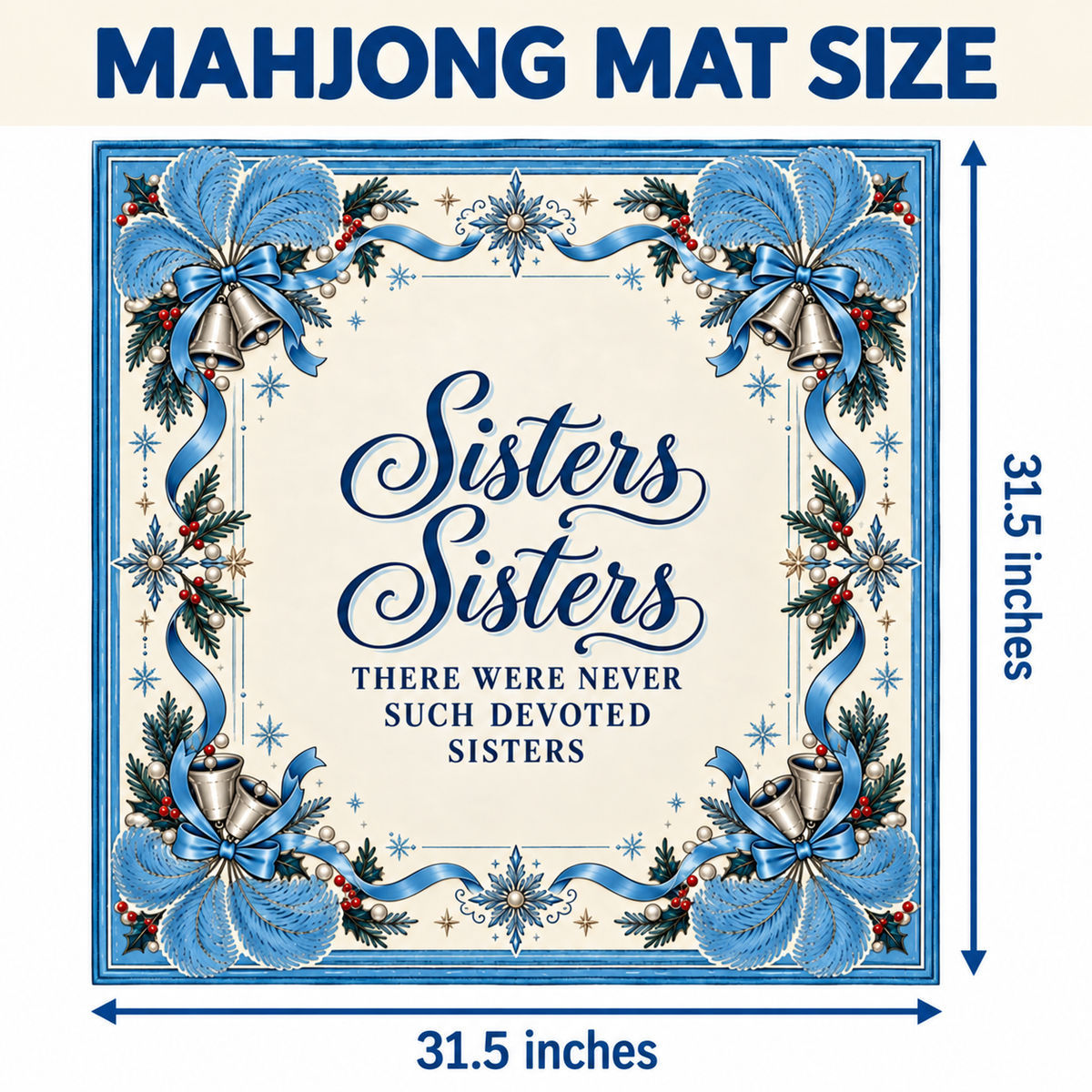
Chicago's mahjong scene thrives through community centers, synagogues, country clubs, and meetup boards where tournaments and leagues run year-round. American mahjong tournaments typically follow the National Mah Jongg League ruleset, use the current-year official card, and play with standard 152-tile sets plus 8 jokers. Most league tournaments run in spring and fall; casual weekly games happen throughout the year. Entry fees vary by venue and format. To find games: search library and community center bulletin boards, check meetup apps for "Chicago mahjong," contact local synagogues (many host active groups), and ask country clubs about members-only tournaments. You'll need a standard American mahjong set, your current-year card, and ideally a personal mat and rack—our best-selling mahjong sets are ready to go.
Chicago has an active American mahjong community with regular tournaments, casual leagues, and weekly game groups. Whether you're a beginner or seasoned player, here's how to find and join the action.
Where do Chicago mahjong tournaments actually happen?
Tournaments and regular games cluster in four main venue types. Community centers on the North Shore and in Lincoln Square often host weekly games and seasonal tournaments; check their bulletin boards or call ahead. Synagogues throughout Chicago (especially on the North Shore and in Skokie) run long-standing mahjong groups with annual tournaments during spring and fall. Country clubs in suburban areas (Winnetka, Glencoe, Evanston) host members-only leagues with monthly competitions. Meetup apps and Facebook groups for "Chicago mahjong" connect casual players to living-room games, pop-up tournaments, and holiday events. Start by visiting your nearest community center or library in person—staff can point you to current groups.

How often do tournaments run, and what's the typical schedule?
League tournaments aligned with the National Mah Jongg League calendar typically run twice yearly: one in spring (March–May) and one in fall (September–November). Weekly casual games happen almost every day across the city, especially Tuesday, Wednesday, and Thursday evenings. Single-elimination or round-robin formats vary by host. Most tournaments play four to six rounds in one day (roughly 45 minutes per hand); league events may span two or three Saturdays. Always confirm dates directly with the venue—schedules shift based on holidays and membership changes.
What do you actually need to bring to your first tournament?
Bring your National Mah Jongg League card for the current year (2026)—this is mandatory; no hand is valid without it. Bring a personal mahjong set if the venue allows (some provide communal sets; ask ahead). Bring a mat to protect tiles and reduce noise; a quiet playing surface makes a difference in a crowded room. Bring a pen for scoring, water, and any snacks the venue permits. Wear layers—tournament rooms run cold. If you're new, arrive 15 minutes early to introduce yourself and ask where beginners sit. Many venues pair newcomers with experienced players for the first round.
How does a Chicago tournament actually play—hand-to-hand format and rules?
Each hand begins with a shuffle and the Charleston—the three-pass tile exchange before play starts. One player draws from the wall, and you then discard. Exposed melds (pungs, kongs, quints, sextets) score based on the official card; concealed hands score higher. Play stops when someone declares "mahjong" (a complete, card-valid hand). Scoring is tabulated by round. American mahjong follows strict rules: jokers can never be used as a single tile or pair, and hands must match exactly one pattern from the current year's card. Most Chicago tournaments use the same ruleset, but always ask your table captain about house rules on joker use or scoring disputes before the first hand.
What's the real difference between tournament play and casual weekly games?
Tournament play is structured, timed, and scored formally—each hand typically allows 30–45 minutes, and scores are recorded centrally. You play against multiple opponents across several rounds; your total score determines placement and any prize payout. Casual weekly games are relaxed, informal, and may allow hand negotiations or slower play. Scoring is often just for bragging rights. Tournaments demand strict adherence to the 2026 card and rule enforcement; casual games often allow house variations. If you've never played American mahjong before, try a casual weekly game first to build speed and confidence with the rules and card mechanics, then graduate to a tournament bracket.
Quick Reference: Tournament vs. Casual—What to Expect
Aspect | Tournament | Casual Weekly Game |
Schedule | Spring/fall, fixed dates | Ongoing, same day each week |
Scoring | Formal, recorded, prizes possible | Informal, for fun |
Hand time limit | 30–45 minutes | Varies, often longer |
Card use | Current year only, strict | May allow older cards |
Joker rules | Strict (no single/pair) | Often relaxed |
Best for | Experienced players, competition | Beginners, skill-building |
🎁 See our most-loved mahjong sets & accessories →

How do you actually find Chicago games if you're brand new?
Start online: search "Chicago mahjong meetup" or "mahjong league near me" on meetup apps, Facebook groups, or Nextdoor. Call your nearest public library or community center and ask for the mahjong coordinator. Many will email you directly. Visit in person on a game night if hours are posted. Contact synagogues—many have office staff who can connect you. Ask if they have a beginner-friendly group or a mentor program. Join a casual weekly game before signing up for a tournament; you'll learn faster alongside experienced players in a low-pressure setting. Once comfortable with hand recognition, the Charleston, and basic scoring, ask your group when the next tournament is and whether they accept new players.
What equipment should you actually own versus what venues provide?
Most venues provide communal mahjong sets for play, so you don't need to buy one immediately. However, owning a personal set lets you practice at home, speeds up your tile recognition, and ensures consistency (especially if you advance to tournaments). A personal mat is optional but highly recommended—it quiets tiles, protects them, and reduces anxiety in group play. Racks with pushers are a comfort, not a requirement. A travel bag or case becomes essential if you play multiple venues weekly. If you're committing to regular tournaments, invest in a best-selling set you like—the right tiles make learning faster and more enjoyable.
✨ Find your Mahstead set — free US shipping →
What mistakes do new Chicago tournament players make?
Using an outdated card. The National Mah Jongg League issues a new card every spring. An old card invalidates your hand. Check the year on your card against the current tournament year before you play.
Not practicing the Charleston beforehand. The tile exchange moves fast in a tournament. If you don't know the sequence, ask your table captain to demo it slowly before round one starts.
Forgetting that jokers can't go on a pair or single tile. This rule trips up many newcomers. Write it on your scorecard.
Playing too slowly. Tournaments have time limits. Practice recognizing hands and discarding within 45 minutes at home.
Assuming house rules are the same everywhere. Always ask your table captain about rules on joker disputes or scoring edge cases before the first hand begins.
Bringing only a passing knowledge of the card. Download or print the full 2026 card, study it daily for two weeks before your first tournament, and bring a copy to every game.
What to Check Before You Enter Your First Tournament
[ ] Do I have the current-year (2026) National Mah Jongg League card printed or digital?
[ ] Have I played at least 5–10 casual games with experienced players?
[ ] Do I understand how the Charleston works and can execute it in under two minutes?
[ ] Do I know the venue's house rules (joker disputes, scoring, hand disputes)?
[ ] Have I confirmed the entry fee, start time, and whether I need to register in advance?
[ ] Do I have a personal mahjong set or will the venue provide one? (Confirm this ahead of time.)
[ ] Do I own or can I borrow a mat to reduce table noise?
[ ] Am I comfortable reading the card and spotting a hand within 30 seconds?
🀄 Shop best-selling mahjong sets →
Is there a step-by-step checklist for finding and joining your first Chicago game?
Search for venues (30 minutes): Visit meetup.com, search "Chicago mahjong." Call your nearest community center or library. Ask if they host weekly games or know a group.
Confirm you have the right card (5 minutes): Download or buy the 2026 National Mah Jongg League card. Verify it's current-year.
Attend a casual game first (2–3 weeks): Call a venue and ask for a beginner-friendly weekly game. Go for three consecutive weeks to build tile recognition and speed.
Ask about tournaments (1 week before): Once comfortable in casual play, ask the group coordinator when the next tournament is and whether beginners can enter.
Register and prepare (1 week before): Submit your entry fee and confirm the time and location. Print a fresh copy of the card. Practice one full round at home if possible.
Arrive early on tournament day (15 minutes): Introduce yourself, ask for a beginner table if available, and confirm house rules with your table captain.

FAQ
Can I play American mahjong in Chicago if I've never played before?
Yes. Attend a casual weekly game first (most venues welcome newcomers) for two or three weeks to learn tile recognition and the Charleston. Then ask about beginner-friendly tournaments. Most Chicago groups pair new players with experienced ones for the first tournament round.
What's the actual cost to enter a Chicago mahjong tournament?
Entry fees vary by venue and format but typically range based on the venue's operational costs and prize pool. Contact your specific tournament host directly for current pricing.
Do I need my own mahjong set to play in a Chicago tournament?
No. Most venues provide communal sets. However, owning a personal set helps you practice at home and builds your speed with tile recognition before competition.
Where exactly should I look for weekly games if I'm new to Chicago?
Start with community centers (check bulletin boards in person), libraries (call the main branch), synagogues (search "Chicago" + your neighborhood), and meetup apps. Visit in person or call; staff can connect you directly to a group coordinator.
What's the difference between the National Mah Jongg League card and house variations in Chicago?
The league card is the official standard for all American mahjong tournaments nationwide, including Chicago. Casual weekly games sometimes allow house variations, but tournament play requires strict adherence to the current-year league card.
How long does a typical Chicago tournament actually take?
A full tournament day usually runs four to six hours, including multiple rounds (typically 4–6 hands) with breaks. Each hand plays for 30–45 minutes. Single-tournament events are usually done by early evening.


View More
View More
View More
