
Mahjong Open Play in Pittsburgh: Find Games & Join Now
Last updated: Nov 23, 2026
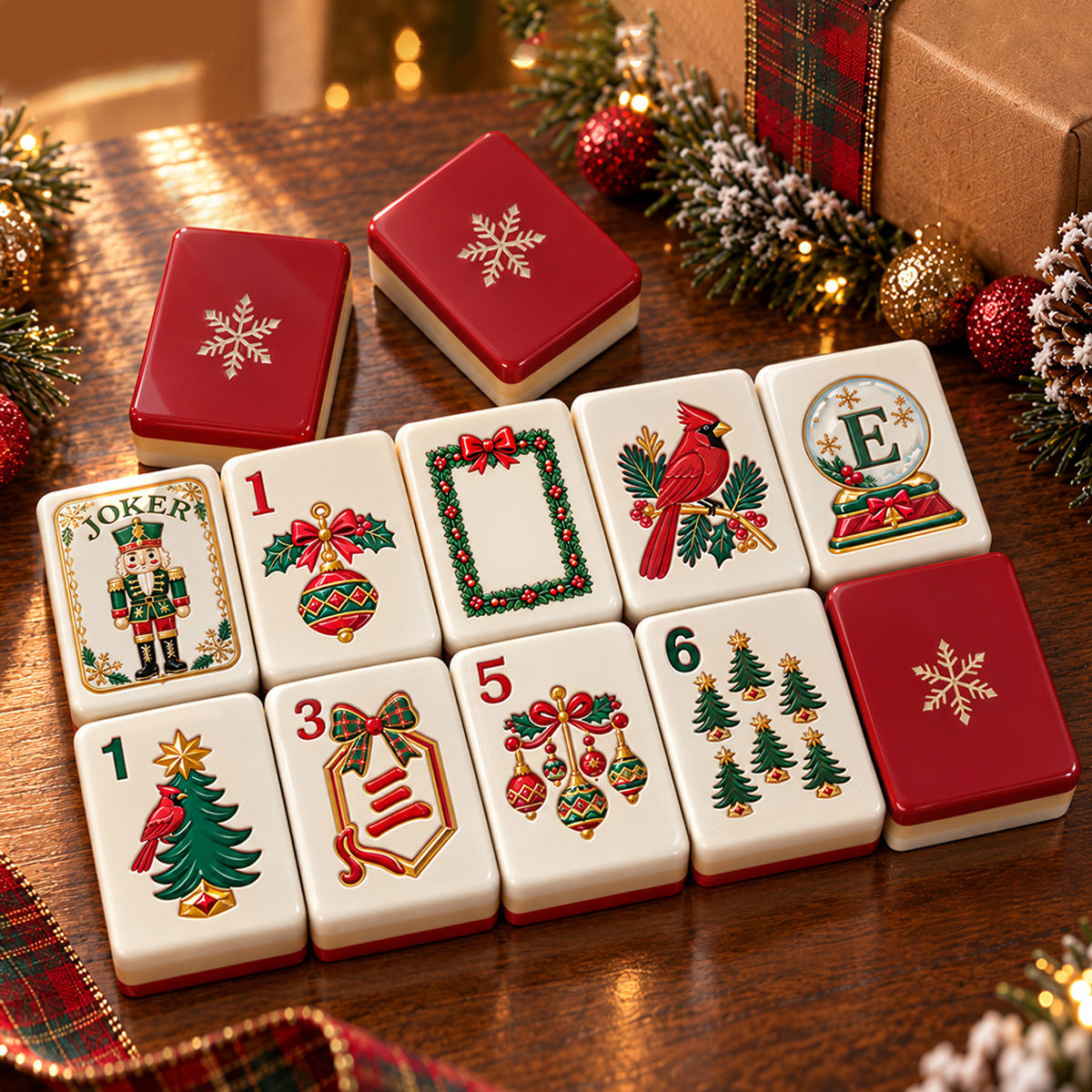
Open mahjong play in Pittsburgh happens at community centers (check your neighborhood branch first), libraries, country clubs, synagogues, and private home groups—especially in neighborhoods with larger Asian communities. Games run year-round, most commonly Thursday or Saturday evenings; some meet monthly. To find a table, call or visit your local community center recreation desk, ask at libraries' activity bulletin boards, check Meetup or Facebook groups for "Pittsburgh mahjong," and post on neighborhood Nextdoor. Most groups welcome beginners and share tiles; learn the basics first so you're not slowing the table. Bring a notebook for scoring and expect to play 4–6 hands per session lasting 2–3 hours. Groups rarely charge; occasional potluck snacks are common. Investment in your own best-selling mahjong set comes only after you've played 5–10 times and know you'll return.
🀄 Shop best-selling mahjong sets →
Where exactly do Pittsburgh players gather?
Pittsburgh's mahjong groups meet in three main settings. Community recreation centers in neighborhoods like Shadyside, Squirrel Hill, and the Strip District often host games; start by calling your closest branch and asking the desk staff for mahjong times. Public libraries, particularly the main branch, post notices and sometimes run drop-in events—ask the reference desk. Country clubs, synagogues, and senior centers also host weeklies, though some require membership or affiliation. Home groups are the most common: players gather at someone's house every Thursday or Saturday, play 2–4 hours, and rotate hosting. Word spreads through neighborhood boards, existing players, and local Nextdoor communities. Don't assume you'll find a sign-up online; many Pittsburgh groups still rely on phone calls and in-person word-of-mouth.

How do I know if a game is right for my skill level?
Ask the organizer three questions before you go: Are beginners welcome? Will experienced players teach mid-game? Do they use the current National Mah Jongg League card? Groups vary widely. Some expect intermediate-level speed and card-reading skill, while others deliberately host newcomers. Pittsburgh tends to be welcoming; if you say it's your first time, hosts will usually pair you with a patient player or slow the pace. The biggest risk is showing up to a table mid-session where no one stops to explain—call ahead and ask if you can watch one hand first. If the group feels rushed or competitive, it's not the right fit; good open play balances social time with real play.
What supplies should I bring or already own?
Bring a pen, a small notebook, and your phone (for timing and questions). You don't need to own tiles yet; host groups almost always supply a house set. However, if you're serious about returning, buy your own mahjong set—most Pittsburgh regulars own one or two—so you're never dependent on someone else's. Consider a mat to protect the table surface and pushers for faster hand-building. If you'll travel between game locations, a sturdy bag or case saves wear on your set. Most Pittsburgh players use one or two personal sets for home games and rely on house sets for open play—you'll decide after your first few sessions.
Equipment | Who needs it | When to buy | Why it matters |
Your own set (160 tiles) | Regulars planning to host | After 5–10 visits | Portability + control |
Mat | Players at venues without one | Before you host | Protects borrowed tables |
Racks with pushers | Speed-focused groups | Months 3–6 of regular play | Faster hand organization |
Bag or case | Commuters between venues | If traveling weekly | Prevents tile loss or chip |
Notebook | Every new player | Day 1 | Scorecard + house rules reference |
🎁 See our most-loved mahjong sets & accessories →

What are Pittsburgh's unwritten rules and table etiquette?
Every group has house rules—ask before sitting down. Common Pittsburgh norms: arrive within 10 minutes of start time (hosts usually begin promptly), keep your phone silent, don't critique another player's plays, and never discuss hands during the Charleston exchange. Pay attention even when it's not your turn; slow players slow everyone. Most groups rotate who sits where; don't assume the same seat twice unless invited. If you're a beginner, say so; don't pretend you know the current year's card. Scores settle at the end of the session, often with a single payment from losers to the winner (ask the payout method beforehand). Bring snacks or drinks to share if you're returning. Pittsburgh groups are generally casual and social, but respect the rhythm and you'll be invited back.
What's the best way to practice before your first game?
Review how to play American mahjong online and watch a 10–15 minute YouTube walkthrough of a full hand. Practice building hands using the current year's National Mah Jongg League card (available free online as a PDF). Understand the Charleston—the three-round tile-passing ritual that starts every game. Know that you can only expose pungs (three identical tiles), kongs (four identical tiles), and how jokers work in your hand. Don't memorize all 40+ hand patterns on the card; instead, practice scanning for patterns quickly. Play one practice hand against yourself at home, building a full winning hand from scratch, and count the points. If possible, find a friend who plays and ask for a 20-minute run-through. This prep cuts your first-session anxiety by 80% and lets you focus on enjoying the people instead of panicking over rules.
✨ Find your Mahstead set — free US shipping →
What to check before you buy your first set
If you decide to buy after a few games, choose based on where you'll play and what you'll enjoy handling. Acrylic sets are durable, travel well, and come in dozens of designs; bamboo and bone sets are heavier and more traditional but need careful storage. Check that the set includes all 152 playing tiles plus spares (our sets come as 160 tiles—eight extra jokers or blanks). Confirm the tiles have clear, readable numbers and suit symbols; poor printing wastes time at the table. If you'll host, get a mat so borrowed tables don't chip. Engraved sets with inside jokes or personal names make great gifts for your regular group, and they're easy to identify in a pile of borrowed tiles. Buy once and you'll use the same set for years; a good set costs less than six group sessions if you were paying entry fees elsewhere.

FAQ
Can I play mahjong in Pittsburgh if I've never played before?
Yes. Most open-play groups in Pittsburgh welcome beginners and slow play as needed. Call ahead to confirm, and spend 30 minutes online learning the basics so you're not completely lost. Experienced players teach mid-game; come ready to listen and you'll join the next hand.
Do I need to own a mahjong set to play open games in Pittsburgh?
No. Host groups and venues always supply a set. You only need to buy your own if you plan to host regularly or travel between groups. Start by playing on borrowed tiles to confirm you'll stick with it.
How much does it cost to join an open-play group?
Most Pittsburgh open-play groups are free. Some charge a small seasonal fee (around $1–3 per person per session) to cover snacks or facility rental, but this is uncommon. No group charges more than that without announcing it upfront—ask when you call.
What's the difference between American mahjong and the mahjong my grandparents played?
American mahjong uses a printed card each year and allows only pungs, kongs, and larger sets as exposed melds—no sequences. Chinese, Hong Kong, and Riichi (Japanese) mahjong use different tile counts, hand patterns, and allow sequences and concealed hands. Pittsburgh groups typically play American unless advertised otherwise; ask when you call.
How long does a typical game last?
A session runs 2–3 hours and includes 4–6 hands (12–16 minutes per hand on average). Some groups play one hour, others four; ask when you first contact them. Bring snacks and plan to stay for the full session—leaving early is considered rude.
If I buy a set, what size should I get and do I need extra tiles?
All standard American mahjong sets contain 152 playing tiles plus 8 spares (160 total). This is the only size you need. Extras help replace lost or damaged tiles but are never added to active play. One set is enough for a lifetime; buy once and keep it.


View More
View More
View More
