
Mahjong Open Play in New Orleans: Where to Find Games
Last updated: Nov 23, 2026
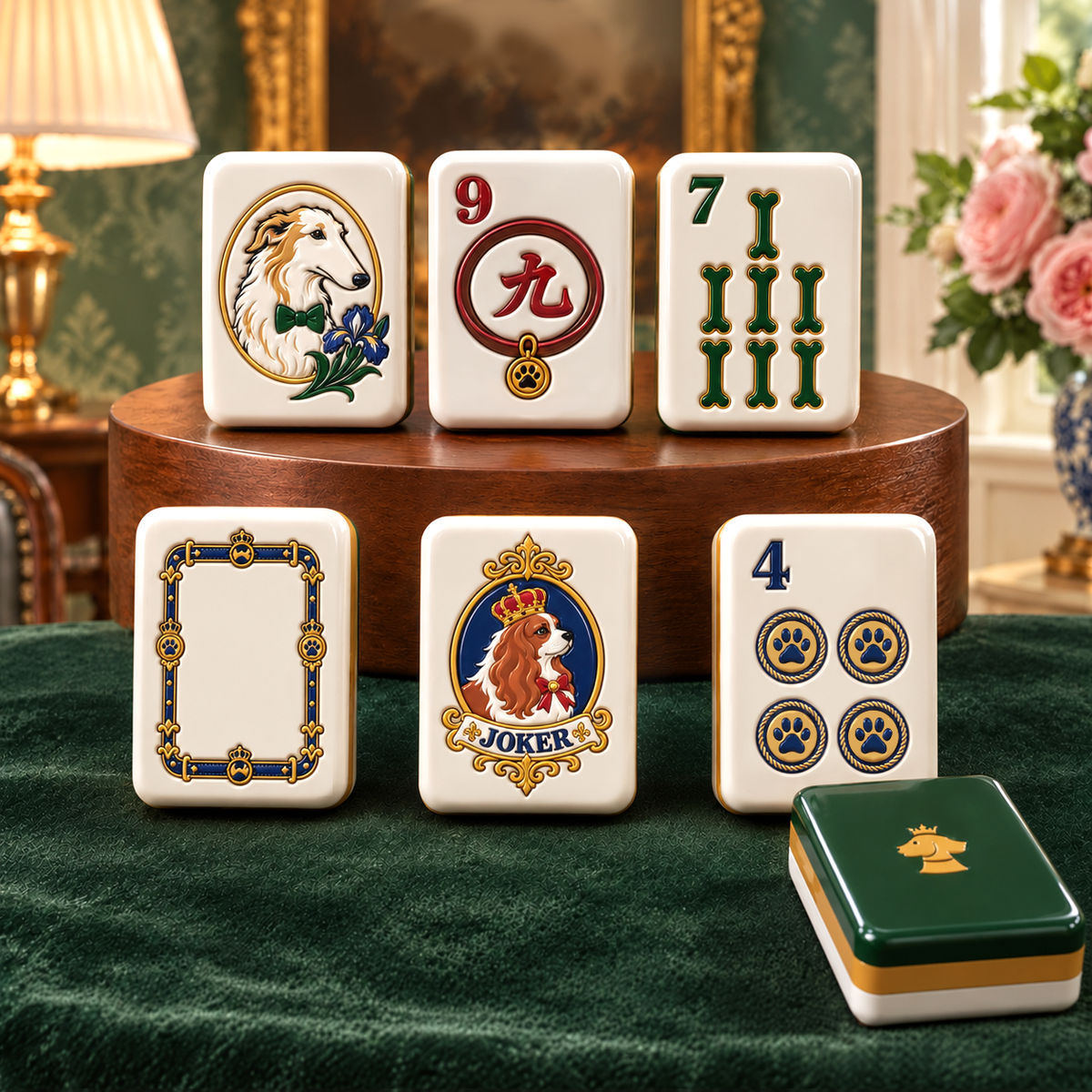
Open mahjong play in New Orleans happens primarily through senior centers, community recreation departments, and private social clubs distributed across the city—typically on weekday afternoons and weekend mornings. You can find groups by calling your neighborhood recreation center, checking the bulletin boards at public libraries, or asking at synagogues and country clubs, many of which host standing weekly games. Sessions usually run 2–4 hours, with stakes ranging from friendly (no money) to modest betting. Most venues follow American mahjong rules using the current National Mah Jongg League card; bring a set if you have one, or ask the host to provide tiles. Before your first session, learn what's in an American mahjong set and how the Charleston works so you're not waiting to understand setup. Expect warm welcomers—most groups actively recruit newer players.
How do I find an open mahjong game near me in New Orleans?
Start with your local recreation center; most city districts list mahjong hours on their website or by phone. Libraries often post community game schedules. Check synagogues and churches with senior ministries—many host standing Tuesday or Thursday games. Private clubs, country clubs, and community associations frequently welcome guests or new members for open play. Meetup-style bulletin boards and neighborhood Facebook groups also announce weekly gatherings. Visit in person or call ahead; most hosts are eager to add respectful newcomers.

What are the house rules I should know before my first game?
New Orleans players typically use American mahjong rules and the current year's National Mah Jongg League card, so learn how to read the mahjong card before you sit down. Ask the host about:
Betting structure: some games are friendly, others involve small money per hand or per point.
Joker house rules: American mahjong allows jokers in sets and pungs, but some venues restrict them in the pair—clarify upfront.
Kong calling: whether self-drawn or other players' kongs can be called and won.
Exposure rules: how many sets must be exposed to claim a hand as "ready."
Dead hands: whether a mismatched discard or rule error immediately costs you the hand or allows a draw.
Write these down after your first game so you remember them for the next session.
Do I need to own a mahjong set to play open games?
No—most venues provide a set, and hosts appreciate players who show up ready to play. However, if you're attending regularly or want to host, owning a best-selling set removes friction and builds community. American sets contain 152 playing tiles plus spares; if you're serious about weekly play, look for one with sturdy acrylic tiles and a carrying case so you can easily transport it to different venues. Many New Orleans players appreciate custom or themed sets, which spark conversation and become a personal signature at the table.
What's the typical schedule and time commitment for open play?
Most open games in New Orleans run on standing days: Tuesday or Thursday afternoons (2–6 PM) at senior centers, weekend mornings (9 AM–1 PM) at clubs, and occasional evening sessions. A typical session lasts 2–4 hours and includes 6–12 hands, depending on how many players and how quickly people play. No set end time—you play what feels comfortable, then settle and leave. New players often stay for 2 hours their first visit to get the feel; regulars may play the full block. Many venues have a rotating lineup, so you don't need to commit every week.
How do I prepare my first visit—skills, etiquette, and what to bring?
Skills: Understand American mahjong basics—what a pung, kong, and joker do; how to recognize your hand on the card; and the flow of a turn (draw, discard, or claim). You don't need to memorize the entire card; ask for help reading it during play.
Etiquette:
Arrive 10 minutes early.
Observe one full hand silently before you play.
Keep your tiles neat and orderly (don't let them fan or crowd your rack).
Call claims clearly and loudly so everyone hears.
Never discuss hand possibilities mid-game or teach others' discards.
Thank the host and other players.
What to bring:
Notepad and pen (to track scores or house rules).
Water bottle.
Cash if the game involves betting.
Your own set only if invited to bring one.
What NOT to bring: phones, side conversations, or expectations of winning—come to play and belong.
Common New Orleans house rule variations—and how to adapt quickly
House Rule | How It Works | Why They Use It | Your Move |
Jokers locked in pair | Jokers cannot be part of the pair; you must match two identical base tiles. | Makes winning harder and spreads risk. | Discard jokers early unless you need one for a set. |
No kong calling across | You cannot call a kong drawn or discarded by another player. | Protects the kong player's safety. | Never wait for a kong to win; focus on your own draws. |
Three-set exposure minimum | You must expose 3 or more complete sets before you can claim "ready" and win. | Ensures transparency and slows the game. | Plan your hand to have at least 3 exposable groups. |
Money per hand + per point | You pay a flat bet per hand plus a per-point settlement based on the National League card values. | Makes winning more rewarding; tracks community standards. | Ask the host for the exact dollar amounts before you sit. |
Dead hand on misdiscard | Any error (wrong tile shape, wrong suit announced) loses you the hand immediately. | Enforces discipline and clear communication. | Double-check every discard before you place it on the table. |
Most groups will explain their rules in the first 5 minutes; don't hesitate to ask for clarification after a mistake.

What to check before you buy your own set
If you decide to own a set for regular New Orleans play, here's what matters:
Acrylic or resin tiles: durable, loud enough to hear at a table, and easy to clean.
152 tiles plus spares: a full American set with jokers and blanks so you never have to borrow tiles.
Carrying case or bag: essential for moving between venues; loose tiles crack in a car or bag.
Racks with pushers (optional but loved): they keep your hand organized and speed up play, reducing table chatter during your turn.
Mats: some players bring a travel or folding mat to protect the table surface, especially at homes or new venues.
Most New Orleans hosts have seen dozens of sets; a clean, working set—regardless of color or style—earns respect and gets invited back.
How do scores and payouts work in open play?
American mahjong scoring follows the National League card: each hand has a point value (usually 20–80 points depending on the pattern difficulty). The winner collects from all three other players; payouts are typically per-point (so a 30-point hand at 25 cents per point = 7.50 from each player). Some venues run a single pool; others settle hand-to-hand. Ask the host to explain the math for one example hand so you see the flow. Most new players find scoring intuitive after 2–3 hands.
🀄 Shop best-selling mahjong sets →
How to go from first-timer to regular
Your first visit, introduce yourself to the host and say you're learning. Watch quietly, ask questions between hands, and don't worry about winning. Most hosts deliberately go easy on newcomers for the first 2–3 sessions—they want you to come back. Return the same week or month if you enjoyed it; regulars notice and will save a seat. Bring a small snack or coffee to share; it oils the social machinery. If you fall in love with the game, invest in your own set with a bag or case so you can offer to host once you understand house rules. New Orleans players are proud of their games and love teaching—showing up consistently and ready to play is all the credential you need.
🎁 See our most-loved mahjong sets & accessories →
Getting started: beginner checklist
[ ] Call 2–3 local recreation centers or senior centers to ask about mahjong schedule.
[ ] Check library bulletin boards or ask at your neighborhood synagogue/church.
[ ] Learn how to play American mahjong and review the Charleston before you arrive.
[ ] Write down the host's house rules after your first session.
[ ] Arrive 10 minutes early to your first game.
[ ] Watch one hand before you play.
[ ] Return within two weeks; consistency builds friendships and confidence.
[ ] When ready, get your own set and racks with pushers so you can play comfortably anywhere.
✨ Find your Mahstead set — free US shipping →
What makes a welcoming mahjong group?
A good host greets you by name after your second visit, explains rules without condescension, and never pressures you to bet more than you're comfortable with. Regulars help you spot your hand on the card without slowing the table down. The room is clean, well-lit, and free from drama. Most importantly, the game runs on time and finishes with handshakes and a plan for next week. If your first venue feels cliquey or unsafe, try another—New Orleans has enough groups that you'll find your people.
Also explore our beginner's guide to mahjong to understand the full landscape, and return to this guide once you've found your regular game.
FAQ
What tiles do I need to recognize before my first game?
Learn the three suits (Bams, Craks, Dots numbered 1–9), the four winds (N, E, W, S), the three dragons (Red, Green, White), and what a joker looks like. You don't need to memorize all 152 tiles; the host and other players will point them out.
Do I have to bet money to play open mahjong in New Orleans?
No. Many venues offer friendly games with no betting. Always ask the host before you sit; if you're uncomfortable with stakes, say so and they'll find you a friendly table or invite you to their next cash-free session.
Can I bring my own mahjong set to an open game?
Yes, but ask the host first. Most venues prefer consistency (their own set every week), but if you own a set and ask politely, they'll usually let you use it and appreciate the backup tiles for spares.
How long does one hand of mahjong take?
A typical hand runs 5–10 minutes once everyone knows the rules. Newer players may take 15 minutes per hand while they read the card. Most venues plan for 6–12 hands in a 2–4 hour session.
What happens if I don't win a hand—do I owe money?
In American mahjong, the winner collects from all three losers equally. You lose a small amount per hand per point, but the math evens out across a session; some hands you win, some you lose. Most friendly games have caps (like "no hand over 40 points") so no one loses heavily in a bad streak.
Should I memorize the National Mah Jongg League card before I play?
No. Bring the card, ask questions, and learn by doing. After 10–15 hands, you'll recognize common patterns. Most regulars keep a copy at the table specifically so newcomers can learn hands alongside it.
What's the difference between open play and a tournament?
Open play is casual, flexible, and welcoming to all skill levels; you show up, play, and leave when ready. Tournaments have entry fees, fixed schedules, and ranked brackets. Start with open play to build confidence.


View More
View More
View More
