
Mahjong Accessories: Which Sets, Mats & Racks to Buy
Last updated: Nov 23, 2026
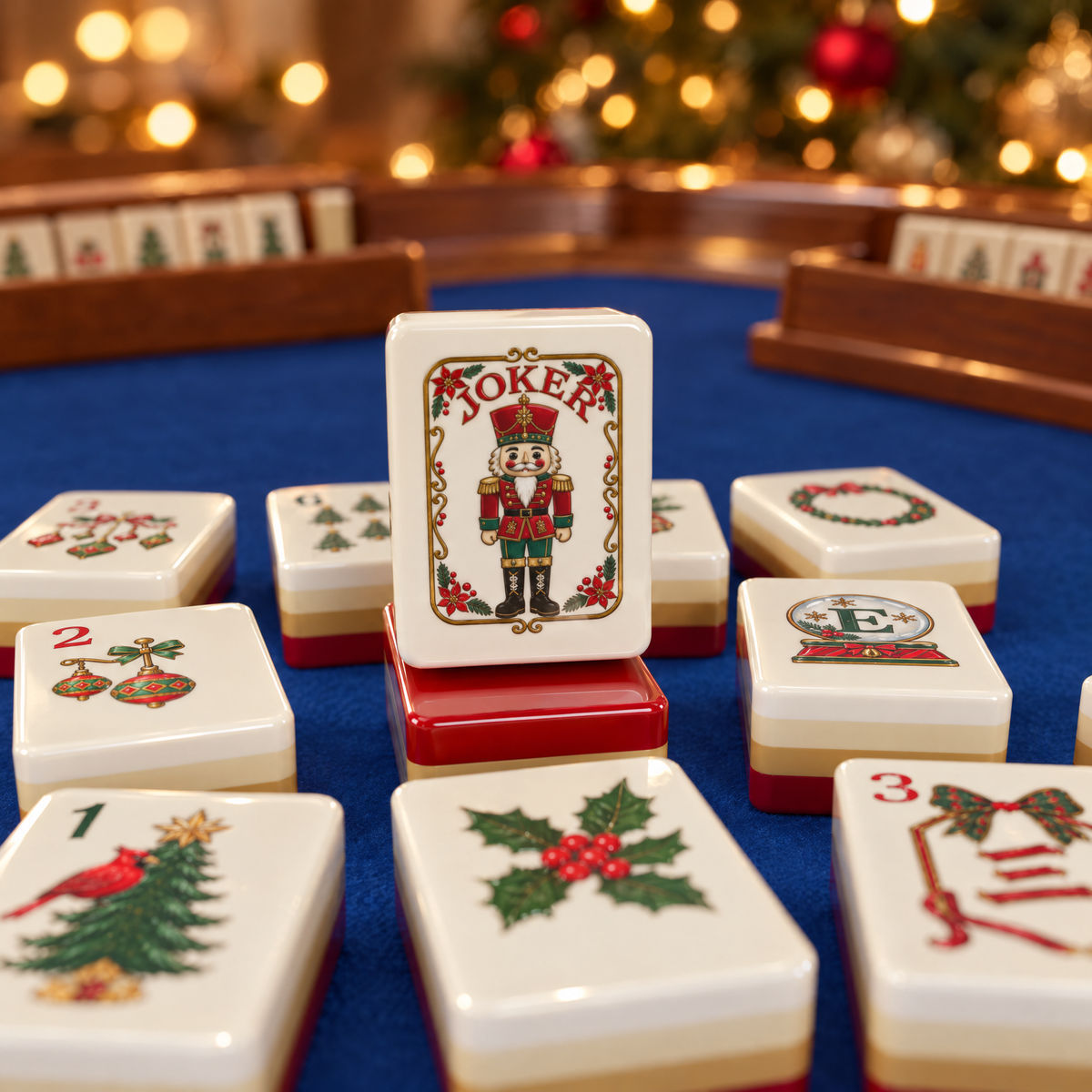
Mahjong accessories span tiles, mats, racks with pushers, bags, cases, and dice. You need a complete set of 160 tiles (152 playing plus spares) to start; everything else enhances comfort, portability, and durability. The best-selling mahjong sets offer acrylic tiles with engraved designs, felt or laminate mats in sizes from 27" to 36", wood or bamboo racks, and padded cases for travel. Most home players choose a mat and racks to protect tiles and speed play; serious hosts add matching décor. Acrylic sets with custom engravings are durable and age well. Budget-conscious players start with a set and mat; those hosting weekly games invest in protective cases and matched racks. No generic "best" exists—your choice depends on game frequency, space, and group size.
What tiles do I actually need to play?
American mahjong requires exactly 152 tiles in play: 108 from three suits (Bams, Craks, Dots—numbered 1 to 9, four of each), 16 winds (four each: North, East, West, South), 12 dragons (four each: Red, Green, White), 8 flowers, and 8 jokers. A 160-tile set includes these 152 playing tiles plus spare jokers and blanks for replacements. You cannot add extra tiles—the game is built on 152 exactly. Acrylic tiles from Mahstead are cut from solid stock, engraved with suit symbols and numbers, and sorted into tile trays before shipment. This matters because chipped or misaligned tiles throw off your hand-reading speed. Choose engraved American mahjong sets if you want durable tiles that won't fade or chip; many home players use the same set for 5+ years.
🀄 Shop best-selling mahjong sets →

How do I choose between mat styles?
A mahjong mat protects tiles, marks the play area, and speeds setup. Standard sizes are 27" (single), 31" (two-player space), 36" (full four-player table), and custom oversizes for large groups. Felt mats grip tiles—useful if your table surface is slick—while laminate mats wipe clean and last longer in humid climates. Acrylic sets shipped on felt mats arrive ready to play; you can add a laminate mat later if your game room is sticky or dusty. Thickness matters: a 1/8" mat slides easily, while 3/16" mats anchor the entire setup and feel more stable during a two-hour session. Mahstead offers mahjong mats in both textures and sizes; choose felt if your table is polished wood, laminate if you have tile floors or outdoor concrete. Most weekly game hosts buy one durable mat and use it across multiple games.
Do racks and pushers actually make play faster?
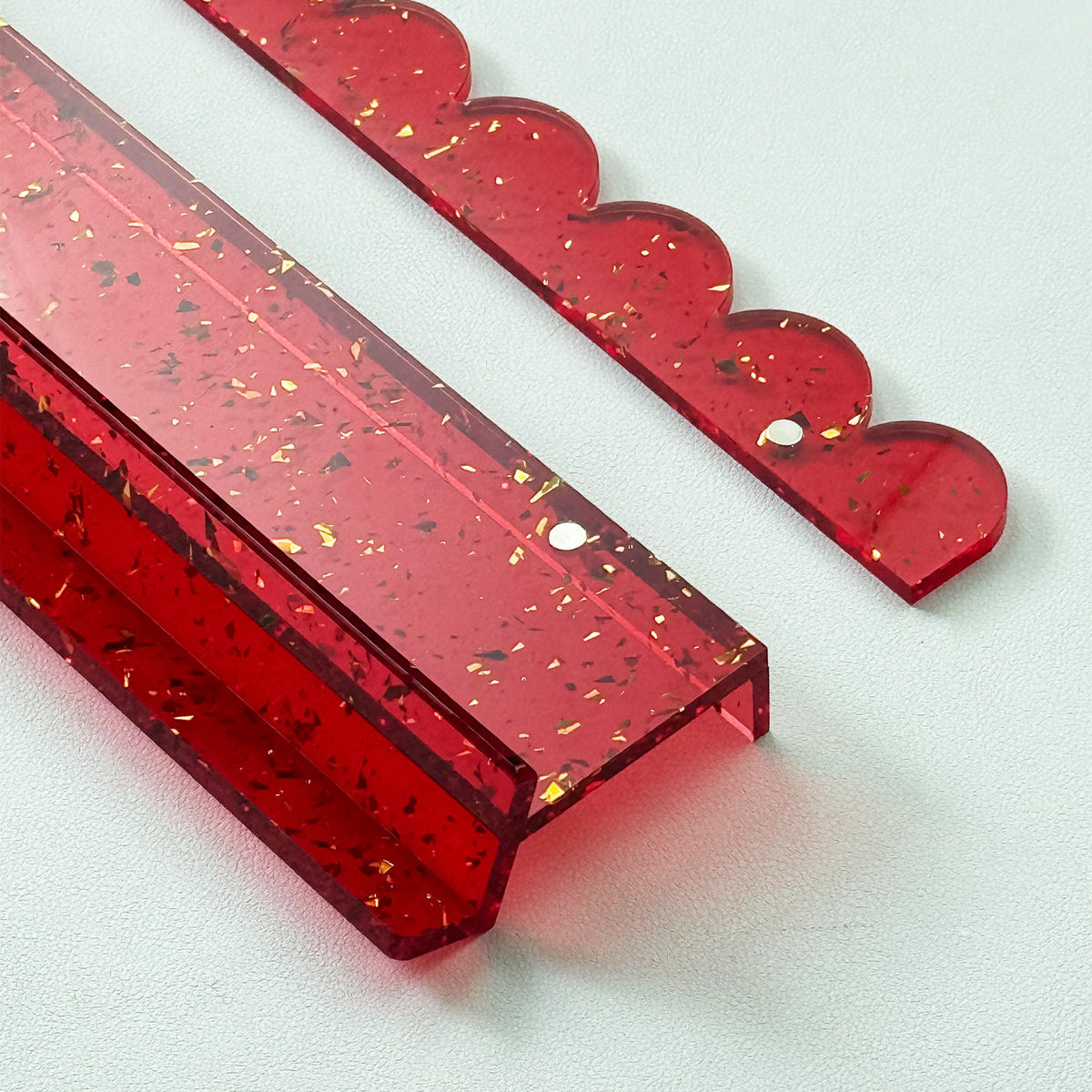
Yes—racks hold tiles upright so you see all your hand without lifting them, and pushers let you move tiles forward without dropping them. A set of four wooden or bamboo racks fits 13–14 tiles each and costs less than one replacement tile set over time because it prevents accidental damage. Pushers (small sticks attached to each rack's base) slide tiles smoothly so you don't fumble during fast play. Bamboo racks feel warmer and look more elegant; wood racks are sturdier for heavy travel. Mahstead's mahjong racks with pushers are cut from solid stock and sanded smooth. If you play weekly, racks cut your average turn time by 10–15 seconds and reduce tile drops—a real win over a season of games. Solo players or casual once-a-month groups can skip racks; serious hosts consider them essential.
🎁 See our most-loved mahjong sets & accessories →
Which bag or case protects tiles during travel?
Mahjong sets are fragile in transit—rattling tiles chip corners and lose engraving clarity. A padded case divides your set into tile trays, mat, racks, and dice, keeping everything aligned. Soft bags (canvas or padded nylon) fit car trunks and cost less; hard cases (molded foam) protect against crushing if stacked with other luggage. Most hosts who travel to tournaments or friends' homes use hard cases; casual players store sets at home in a closet and use a soft bag only if they move houses. Mahjong bags and cases from Mahstead are designed for acrylic sets—compartments fit standard tile trays, mats roll into a pocket, and racks slot vertically to save space. Expect to spend more on a hard case than on a set's spare tile replacements, but it amortizes across years of play.
What's the difference between engraved and printed designs?
Engraved tiles have designs cut into the acrylic—symbols last forever even if the tile is dropped or handled roughly for decades. Printed designs sit on the surface and fade under UV light (sunlight through windows during a daytime game), wear thin where fingers grip, and can chip if a tile hits a hard edge. Mahstead's engraved American mahjong sets are cut from solid acrylic and engraved with suit symbols (birds on Bams, rakes on Craks, stars on Dots), wind marks, and dragon colors, so the design is part of the tile itself. Serious players and clubs choose engraved because replacements are rare—you get one set for life. This also matters for resale; engraved sets hold value better than printed sets when players upgrade.
How do I pick dice if I already have tiles?
Mahjong dice determine who plays first and your starting position on the wall. Standard sets include two six-sided dice; some players prefer heavier metal dice or translucent acrylic dice to match their tile set. Metal dice are harder to lose and feel premium; acrylic dice coordinate with engraved tile colors. You only need one pair—most players keep their original dice until they're lost, then grab a spare. If you're hosting regularly, keeping a second pair in your case prevents delays if one die rolls under furniture. Dice cost little but matter for table aesthetics and group tradition.

How to pick the right combination for your situation
Situation | What You Need | Why It Works |
Starting solo player | Acrylic set + felt mat | Felt grips tiles, mat folds for storage, no racks needed |
Weekly home host | Set + 36" laminate mat + 4 racks + soft bag | Mats in weekly rotation, racks speed play, bag stores at home |
Tournament traveler | Engraved set + hard case + laminate mat | Hard case protects during flights, laminate survives hotel use |
Casual couple | Set + 31" mat + 2 racks | Smaller mat fits coffee table, racks help both players |
Large group (6+) | 2 sets + 36" mat + 8 racks + cases | Backup set prevents cancellation, racks for all four players |
Gift-giver (no game yet) | Premium engraved set + nice mat | Receiver gets a complete ready-to-play setup |
What to check before you buy
Tile count: Confirm your set is 160 tiles (152 playing + spares). Never buy a partial set expecting to mix tiles from different manufacturers—sizing and engraving vary too much.
Acrylic vs. resin: Mahstead sets are solid acrylic, not resin (which yellows over time). Ask before you buy if unsure.
Mat fit: Measure your table and compare to mat dimensions listed on the product page. A 36" mat fits a standard four-person dining table; smaller tables need 31" or 27" mats.
Rack height: If you're short or play at a high table, test rack height at a friend's game. Some players prefer low racks for comfort.
Shipping & spares: Mahstead ships free across the US. Sets include spare tiles in the box—check the product page to confirm spare tile types (extra jokers or blanks). Never assume you know what spares are included; ask the seller.
Case compartments: If ordering a case, verify it fits your mat size when rolled. Oversized mats don't fit standard cases.
What accessories matter most at different game stages?
Beginning players focus on the tiles and mat—that's enough to learn hand-reading and how to play American mahjong. Adding racks after a few games cuts fatigue during longer sessions. Intermediate players join weekly games and add a case to transport tiles safely. Hosts upgrade to a second mat and racks for guests, plus a quality case for storage. Advanced tournament players often own multiple engraved sets for home use, travel, and gifts. This gradual approach spreads cost and lets you skip accessories that don't fit your style.
✨ Find your Mahstead set — free US shipping →
Are there seasonal or themed accessories?
Yes—Mahstead offers Christmas mahjong sets and seasonal designs during holidays. These make excellent gifts for players or decorative table displays. Themed sets (engraved with custom family names, logos, or congratulations messages) are popular for milestone celebrations. If you're ordering a gift, choose a complete set with a mat; the recipient gets a ready-to-play package. Seasonal designs usually sell out by mid-season, so if you want a specific holiday look, order early.
Where do new designs show up?
Mahstead updates inventory with new mahjong arrivals as designs are released. Subscribe to the site or check the new arrivals section monthly if you like limited editions or custom engravings. Most new designs are variations on classic suit symbols or seasonal themes—nothing changes the game itself, just the aesthetic of your table.
FAQ
Can I mix tiles from different mahjong sets?
No. Acrylic tile sizing, thickness, and engraving depth vary between manufacturers. Mixed sets cause tiles to stick, sort unevenly into racks, and confuse players during fast play. Always buy a complete 160-tile set from one maker.
Do I need all four racks or just one pair?
You need racks for all four players if everyone wants to hold tiles upright—most hosts provide one full set (four racks). Two racks (one per player) works only for slower casual games or learning sessions.
What size mat fits my table?
Measure your table's shortest dimension. A 27" mat fits small side tables or play areas; 31" works for narrow rectangular tables; 36" is standard for four-player dining or card tables. Check the product page for exact mat width and depth before ordering.
Will my tiles chip if I travel with them?
Tiles in a soft cloth bag will rattle and chip during car or plane travel. Use a padded case with compartmented tile trays to prevent damage. Acrylic is durable but chips on hard edges if tiles shift during transport.
How long do engraved tiles last?
Properly cared-for engraved acrylic tiles last 10+ years of weekly play. Engravings never fade because they're part of the tile, not a surface coating. Most players retire a set only when racks wear out or they upgrade for a new design, not because tiles degrade.
What's the difference between a mat and a table cover?
A mat is a standalone playing surface you set on any table and remove after play. A table cover is permanently glued or fitted to a dedicated mahjong table. For home play or travel, a mat is flexible and easier to store; for a permanent setup, a cover looks more polished.
Do I need special dice or can I use any six-sided dice?
Any six-sided dice work mechanically. Standard mahjong dice are slightly heavier than toy dice so they roll reliably and don't vanish under furniture. Acrylic or metal dice match premium sets aesthetically, but a pair from a board game works fine if you're testing the hobby.


View More
View More
View More
