
Mahjong Classes for Beginners in Fort Worth: Where to Start
Last updated: Nov 23, 2026
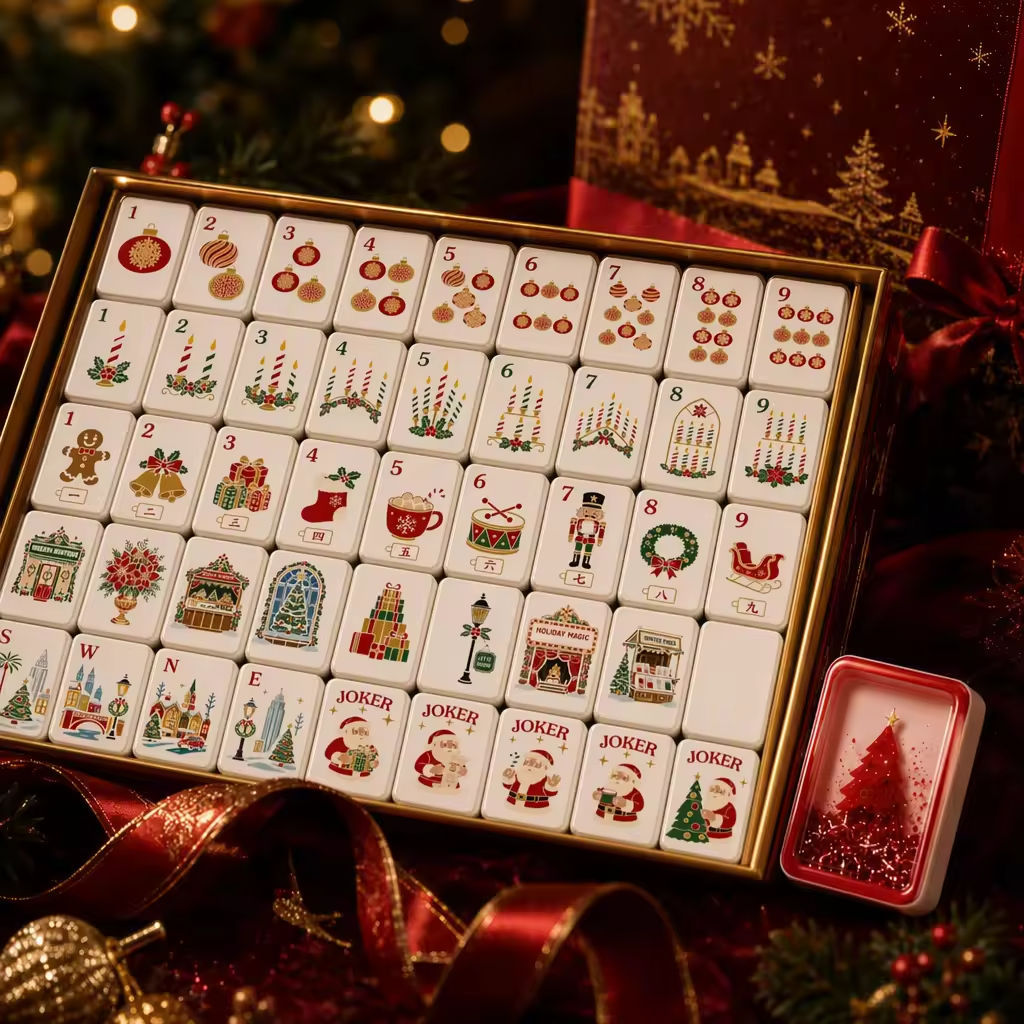
Fort Worth beginners can find mahjong classes through community centers (check the city parks and recreation website), libraries offering free or low-cost programs, synagogues and community organizations, and private instructors advertising through local meetup boards or Facebook groups. Most beginner classes meet weekly for 4–8 weeks and teach the basics: tile identification, hand reading from the National Mah Jongg League card, the Charleston passing ritual, and simple winning patterns. Classes typically cost anywhere from free community workshops to instructor-led formats; always confirm class size, which instructor sheet or hand card the teacher uses (American uses the current year's League card), and whether equipment is provided or you bring your own. Mahstead best-selling sets work well for new players learning the tile names and suits—buy before your first class so you can practice the Charleston at home.
Where do Fort Worth beginners actually find mahjong instruction?
Start with the Fort Worth Parks and Recreation Department website and your local library branch website—many run free or low-cost drop-in mahjong groups or short courses in community centers. Check synagogues, country clubs, and senior centers in your area; they host beginner nights and often welcome newcomers without experience. Search Facebook groups for "Fort Worth mahjong" or "North Texas mahjong," and visit local meetup boards; many experienced players host teaching games weekly. Private instructors sometimes advertise through these channels or local bulletin boards. Call ahead to confirm they teach American mahjong (the 152-tile version with jokers and the annual League card) rather than Chinese or other variants.
🀄 Shop best-selling mahjong sets →
What will a Fort Worth beginner class actually teach?
Most beginner classes start with tile identification: the three suits (Bams, Craks, Dots numbered 1–9 each), Winds (North, East, West, South), Dragons (Red, Green, White), Flowers, and Jokers. Then you'll learn to hold and rack tiles, understand the Charleston (the tile-passing ritual before each hand), read the current year's National Mah Jongg League card to spot winning patterns, and recognize exposed melds—pungs (three identical tiles), kongs (four identical), and longer runs. You'll practice a few beginner-friendly hands step-by-step and play shortened games. Most classes avoid scoring complexity in week one; they focus on winning a single hand first. A good teacher will explain when you can and cannot use jokers (never in a single tile or pair, always in place of one tile within a pung, kong, quint, or sextet) and why American mahjong has no sequences or "chows" that other variants allow. After 4–6 weeks, you should be able to spot a winning hand on the card and call it confidently.

How long does it take to reach "beginner competent"?
Most players feel comfortable calling a hand and playing a full game after 4–8 weeks of weekly one-hour classes plus practice at home. Competence means you can read the League card quickly, manage the Charleston smoothly, and recognize patterns without hesitation. Mastery—memorizing frequent hands, understanding scoring fully, and playing with speed—takes 6–12 months of consistent play. The gap between "I can play" and "I play well" is mostly repetition and familiarity with hand patterns. Attend class consistently, then join a weekly game group after your course ends; that's where real learning accelerates. Learn how to read a mahjong card on your own between sessions to build confidence faster.
What equipment should you bring or have ready?
Ask your instructor what they provide—some classes supply sets and mats; others ask you to bring your own. If you're buying new, a best-selling standard American set with 160 tiles gives you the full game plus spares, and acrylic tiles stay clean and quiet for years. You'll also want a mat to define play space and protect tiles; a good mahjong mat folds flat and ships with free US delivery. Bring the current year's National Mah Jongg League card (buy it from your instructor, a game shop, or online); your teacher will tell you which year's card the class uses. A pen and paper for scoring notes helps beginners. Wear comfortable clothes because you'll sit for an hour, and avoid strong perfume if you're in a small room. Racks with pushers are optional for beginners but help you organize tiles and hide your hand from other players—if your class feels cramped or you want to practice seriously at home, racks with pushers make a real difference in hand management.

How do you choose between group classes and private instruction?
Group classes (usually community center or library programs) cost less or nothing, teach you alongside peers at the same pace, and build a social network instantly. Private instructors are pricier but offer one-on-one feedback, flexible scheduling, and custom pacing. Group classes suit most beginners because mahjong is inherently social—playing with three other people teaches you more than solo drills. If you're shy or learn slowly, a private lesson or two before joining a group can build confidence. After your first group session, many classes form subgroups that meet weekly outside the official course, so you get both structure and friendship. Ask your class coordinator if alumni keep in touch; that's a sign it's a keeper.
Format | Best for | Typical schedule | Why choose it |
Community center group | New players on budget | Weekly, 4–8 weeks | Free/low cost, social, reliable |
Library program | Flexible learners | Drop-in or short series | Free, central location, relaxed pace |
Private instructor | Fast learners, busy schedules | 1–2 sessions, flexible days | Personalized, quick start, no waiting |
Game group (post-class) | Practice players | Weekly ongoing | Social, competitive, long-term community |
🎁 See our most-loved mahjong sets & accessories →
What mistakes do Fort Worth beginners make in their first month?
Confusing tile names: Bams have a bamboo pattern (the 1 Bam shows a bird), Craks show a cracked symbol (older sets), and Dots are circles. Mix one up and you'll misread your hand. Write them down on a sticky note.
Misusing jokers: Jokers can replace any tile except a single tile, a pair, or a terminal (1 or 9) in certain positions—ask your teacher the exact rule before playing. Never assume joker rules transfer from other games.
Not practicing the Charleston at home: The passing ritual feels clunky until you do it five times. Grab a friend, watch a demo video (many free ones online), and drill it. You'll look confident on day one.
Buying a set too early without knowing American vs. Chinese tiles: American tiles look different from Chinese tiles (different suits, flowers, art). Make sure your instructor confirms which you need before you spend money.
Skipping the League card study between classes: The card is the rulebook. Spend 10 minutes at home each week looking at the hands you played in class. Recognition speed is everything.
Before you buy a set for practice, check these three things
Confirm your instructor uses the current-year National Mah Jongg League card (not Chinese rules, not last year's card). The hand patterns change yearly, so mismatched cards cause confusion.
Ask if the class supplies tiles or you bring your own. If you buy before asking and the class already has sets, you've wasted money. If you're practicing at home before class, a 160-tile acrylic set with a mat is the standard choice.
Check what "mahjong set" means at your price point. Does it include a mat, pushers, and carrying bag, or just the tiles? Mahstead's collections show what each option includes so you can compare.
✨ Find your Mahstead set — free US shipping →
Once you complete your first class and join a weekly game, you'll want to understand the Charleston ritual deeply and learn how jokers actually work in real hands. Both articles walk you through the mechanics that confused most beginners in their first month. The mahjong for beginners guide also covers core concepts in step-by-step detail, so bookmark it for reference between classes.

FAQ
Do I need to own a mahjong set before my first class?
No. Most community classes provide sets. Ask your instructor before buying. If you want to practice at home beforehand, a 160-tile set helps you learn tile names, but it's optional for your first session.
How much does a beginner class typically cost in Fort Worth?
Community center or library classes are free to under $50 total; private instructors vary widely. Ask directly—many offer a trial session or reduced first-class rate for beginners.
What's the difference between American mahjong and the kind my aunt plays?
American mahjong uses the National Mah Jongg League card (changing yearly), 152 playing tiles with jokers, no sequences, and exposed melds only. Chinese mahjong uses different tiles, no League card, and simpler hand rules. They're separate games; make sure your class teaches American.
Can I learn mahjong online before finding a Fort Worth class?
Yes—videos and guides teach tile names and basic hand patterns. But mahjong is a four-player, real-time game; online prep is helpful only if followed by live play. Your first live game will feel different and faster than any tutorial.
How do I know if a Fort Worth group is beginner-friendly versus competitive?
Ask the organizer directly: "Do you teach newcomers?" and "What's the typical player experience?" Beginner groups use slower pacing, teach rules mid-game, and welcome mistakes. Competitive groups assume you know the basics and play for points or stakes.


View More
View More
View More
