
Mahjong Open Play in Louisville: Where to Join & How to Start
Last updated: Nov 23, 2026
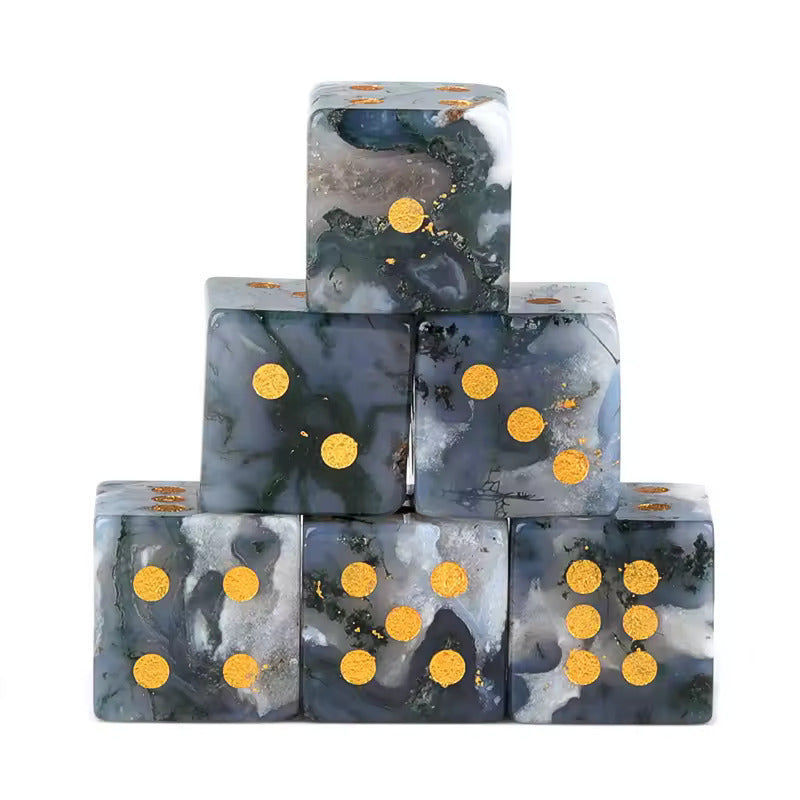
Open mahjong play in Louisville happens at community centers, libraries, synagogues, country clubs, and private homes—most welcome newcomers. Groups meet weekly or monthly; some charge a small table fee to cover snacks or the venue. Expect American mahjong (the most common variant locally), a full 152-tile set with 8 jokers per game, and 3–4 hours per session. Most Louisville groups follow the National Mah Jongg League card (updated yearly) and play for modest stakes or purely social. To find active groups, search Meetup boards for "mahjong Louisville," call nearby community centers and libraries, ask synagogues (mahjong is part of many cultural communities), or check country club bulletin boards. Start by watching a game before joining; bring a notebook to learn hands and ask questions between rounds. From Mahstead, a best-selling mahjong set in acrylic or bone means you're ready to host or join with professional equipment. --- 🀄 Shop best-selling mahjong sets →
Where do Louisville players meet for open mahjong?
Louisville's mahjong community gathers in three main venue types. Community centers and recreation departments often host weekly groups, especially in East End and downtown areas; call ahead to confirm schedules and fees. Public libraries sometimes sponsor sessions or bulletin boards where players post meetups. Synagogues and cultural centers are frequent hubs (mahjong has deep roots in Jewish, Chinese, and Asian communities). Country clubs, bridge clubs, and private social groups round out the options. Your best first move: search Meetup, Facebook groups, or Nextdoor with keywords "mahjong Louisville" or "mah jongg Louisville" (both spellings are used). Call your nearest public library branch and ask if they maintain a list of game groups. Many groups are informal—find one player and you'll learn about others.

What's the difference between open play and league mahjong?
Open play is casual and flexible: you show up, pay a small table fee (typically to cover the venue or refreshments), and play with whoever arrives that day. No ranking system, no formal records, and rules can vary slightly by group. League play, by contrast, follows strict tournament rules, uses official scoring, tracks rankings, and may require membership or advance registration. Louisville hosts both: open play is more beginner-friendly and forgiving of different skill levels; league play suits competitive players ready for stakes and structure. Most newcomers start with open play to learn the game, then move to league if they enjoy the competitive element. Both use the same American mahjong rules and the current year's National Mah Jongg League card.
What should I know before my first Louisville game?
Arrive 10–15 minutes early so you can watch a hand or two and ask the host about their group's style and house rules. Bring water or a beverage; some groups provide snacks, others don't. Wear comfortable clothing—games last 2–4 hours and involve a lot of reaching and pushing tiles. Learn how the Charleston works before you play; it's the tile-passing ritual that starts every hand and confuses newcomers most. Ask to sit next to an experienced player your first few games. Have a pen and notebook to jot down winning hand patterns from the card. Don't panic about scoring—most casual groups keep it simple, and someone will walk you through it. Expect friendly table talk; mahjong players love explaining strategy between hands. Finally, bring your sense of humor—tiles rattle, people miscount, and hands get called back all the time.
What's inside a game set, and do I need my own?
A standard American mahjong set contains 152 playing tiles: 108 number tiles (Bams, Craks, and Dots in numbers 1–9, four copies each), 16 winds (four each of North, East, West, South), 12 dragons (four Red, four Green, four White), plus 8 flower tiles and 8 jokers. What's in an American mahjong set explains every piece and how to use it. You do not need to own your own set—most Louisville open-play groups have a house set, often acrylic or bone for durability. However, if you join regularly or want to host games at home, investing in a professional-grade best-selling acrylic set makes sense. Acrylic sets are louder (satisfying tile clack), more durable, and mark tiles clearly. Mahstead's 160-tile sets include the full 152-tile game plus spare tiles, so you're never short mid-session.
🎁 See our most-loved mahjong sets & accessories →

How do I read the National Mah Jongg League card and avoid common beginner mistakes?
The card, issued every spring, shows all legal winning hands for that year. It's organized into sections: Like Hands (Pungs, Kongs, Quints), Consecutive Run, Honors, Pairs, and more. Each hand lists the exact tiles you need—for example, "3 Bam / 3 Crak / 3 Dot / 3 Bam / 3 Crak / 3 Dot / 7 Bam / 7 Crak / 7 Dot" means you need two triplets and one pair. Learn how to read the card properly to avoid embarrassment.
Common beginner mistakes:
Assuming sequences count: In American mahjong, you cannot form chows (1-2-3 runs) the way you can in Chinese or Riichi mahjong. Only pungs (triplets of identical tiles), kongs (four identical), quints (five identical), and sextets (six identical) count. This is the single biggest rule difference from other variants.
Using jokers incorrectly: Jokers can replace any tile within a pung, kong, quint, or sextet—but never as a single tile or a pair by themselves. How jokers work has the full rules.
Forgetting the Charleston: Many newcomers think the game starts when you pick your tiles. Not so—the Charleston (trading tiles with other players in a specific sequence) happens first and is mandatory. Miss it and you'll be behind.
Misreading your hand against the card: Print or bring a card to every game. Double-check your winning tiles against the card section by section, not just by gut feeling.
Ignoring exposure limits: Once you expose a pung or kong (place it face-up on the table), you're committed to that grouping and cannot split it.
Louisville open-play groups are patient with beginners—ask questions. The learning curve flattens fast once you play three or four hands.
✨ Find your Mahstead set — free US shipping →
What gear do Louisville hosts and players typically use?
Item | Who uses it | Why it matters |
Acrylic or bone 160-tile set | Everyone | Durable, loud satisfying clack, clear tile markings. Mahstead sets are built for weekly play. |
Felt or rubber mat | Hosts | Protects the table, reduces noise, keeps tiles from sliding. Choosing the right mat depends on table size and style. |
Racks with pushers | Regular players | Organizes your hand so you see all tiles at once. Speeds up the game and reduces mistakes. Racks with pushers explained cover types and sizing. |
Carrying case or bag | Travelers, hosts | Protects the set during transport. Mahstead's travel bags and cases fit a full set with room for racks and the card. |
Score pad and pen | Everyone | Track points between hands. Casual groups keep it simple; league play uses detailed scoring sheets. |
Current-year card (laminated) | Everyone | Printed reference for all legal hands. Ask your host if they provide copies or bring your own. |
Most Louisville open-play groups have house sets and mats; regulars bring their own racks and cards for speed and comfort. If you're a new player, the host will provide everything you need. If you decide to host, Mahstead's best-selling collection has complete setups.
What should I check before I buy my own set?
Tile material: Acrylic (loud, durable, low-maintenance) vs. bone (traditional, quieter, needs care). Both work; acrylic suits weekly players in Louisville's humid climate.
Set size: All regulation American sets are 160 tiles (152 play tiles + spares). Mahstead only makes 160-tile sets, so you'll never run short.
What's included: Check whether the set comes with racks, a mat, or a bag. Mahstead's best-selling sets vary—some are tiles-only, others bundle accessories. Read the product description carefully.
Color and engraving: If you're a gift-buyer or hosting regularly, engraved mahjong sets add personality without changing gameplay. Choose a design that matches your group's vibe.
Storage and transport: If you're moving the set weekly, grab a carrying case that fits your full setup. Louisville's weather can be damp; a case protects against humidity.
Budget: Mahstead's quality sets range widely—see the current options on the product page. Professional acrylic sets are a one-time buy if you play regularly; they last years.
How do I practice before joining a Louisville group?
Play a few solo hands using the card to get comfortable with hand patterns. Mahstead's mahjong for beginners guide walks you through the first game. Watch YouTube videos of American mahjong gameplay—seeing real hands helps. Attend an open-play session as a spectator first; sit next to the host and ask questions quietly. Offer to keep score for a hand so you learn the rhythm without the pressure of playing. Many Louisville groups welcome observers. When you're ready to play, start with the easiest section of the card (usually Consecutive Run or Like Hands), and ask the host to slow down and explain when you're learning.
🀄 Shop best-selling mahjong sets →

FAQ
Is American mahjong the only variant played in Louisville?
Yes, overwhelmingly. American mahjong (using the National Mah Jongg League card and 152-tile sets) dominates Louisville open-play groups. Other variants like Chinese, Riichi, or Hong Kong mahjong are rarely played casually in the city, though you may find them in niche game shops or online communities. Ask your group's host to confirm house rules.
Can I join a Louisville group if I've never played before?
Absolutely. Most open-play groups welcome complete beginners, especially in casual venues like community centers. Come early, sit out a hand or two, ask questions, and jump in. Experienced players enjoy teaching, and the community is friendly. Avoid high-stakes league tournaments until you've played 10+ casual games.
How much does it cost to play open mahjong in Louisville?
Costs vary by venue and group—some charge a small table fee (typically a few dollars) to cover the room or snacks, others charge nothing but expect you to contribute to refreshments. A few social groups play for modest stakes (betting), but this is rare in open-play settings. Ask your host upfront.
What's the best set to buy if I want to host Louisville friends?
A best-selling acrylic set from Mahstead is ideal: durable, loud enough to enjoy, easy to clean, and lasts years of weekly play. Pair it with a felt or rubber mat to protect your table and reduce noise. Include a carrying case if you'll transport it often.
How do I find the right Louisville group if I'm shy or nervous?
Start online: search Meetup for "mahjong" and filter by Louisville; read reviews and group descriptions before showing up. Call the host in advance and tell them you're new—they'll put you at ease and explain the group's style. Most Louisville mahjong players are patient mentors. You can also ask your local library to connect you with groups; librarians often know community organizers.
Can I play American mahjong if I only have 2 or 3 players?
Standard American mahjong is designed for four players. If you have fewer, specialized 2 and 3 player mahjong rules exist but are less common in Louisville. Most open-play groups require exactly four players per table. Ask your host if they run smaller games or wait until a fourth player arrives.
What happens if I disagree about a winning hand?
Check the card together—the group uses the current year's National Mah Jongg League card as the final authority. If there's still disagreement, many groups have a house rule (e.g., the host decides, or you replay the hand). Disputes are rare and friendly; no one wins enough money to fight over it in casual play.


View More
View More
View More
