
White Mahjong Racks with Pushers: How to Choose the Right Fit
Last updated: Nov 23, 2026
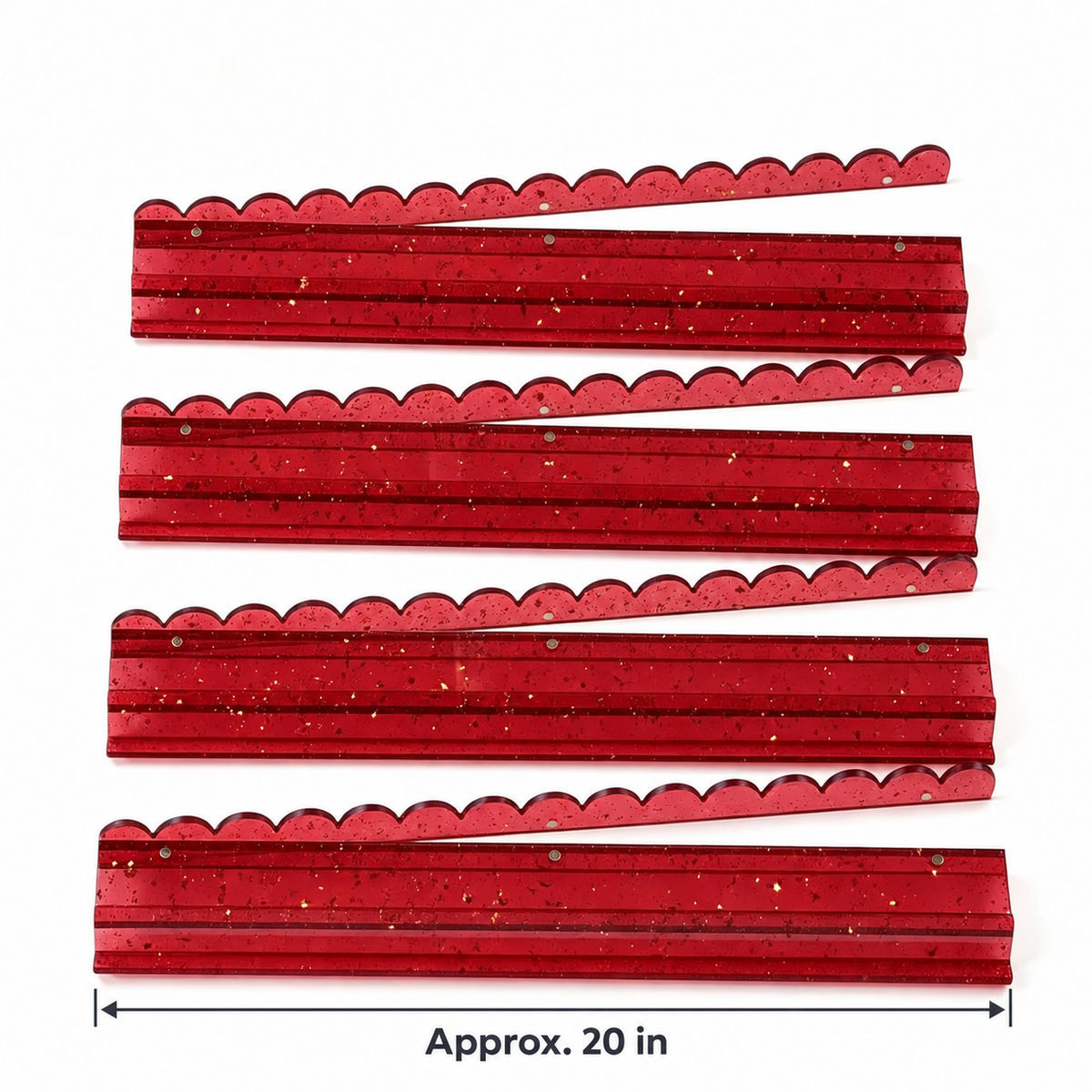
White mahjong racks with pushers are acrylic or plastic tile holders that organize four players' hands while built-in pushers let you advance tiles neatly onto the table. They sit at each player's edge, hold approximately 14–16 tiles per player, and integrate the pusher mechanism into the rack body so no separate tool is needed. Racks come in two primary designs: traditional slope-front (tiles face inward, angled up for easy reading) and flat-bottom (lower profile, space-saving). White is the most versatile color, matching any mat or table setup. A full four-rack set comes from our mahjong racks collection and pairs perfectly with a best-selling mahjong set. Quality racks last many seasons if tiles are pushed gently and stored flat. 🀄 Shop best-selling mahjong sets →
What's the difference between slope and flat racks?
Slope racks angle upward from front to back, lifting tiles toward you for easy hand reading. Your tiles face inward, hidden from opponents. Flat racks sit level, useful on tight tables or when you prefer minimal height. Slope racks are the traditional choice in most American game rooms; flat racks work well for newer players or compact setups. Both hold the same tile count and feature pushers. Choose slope if comfort and visibility matter most; flat if table space is tight.
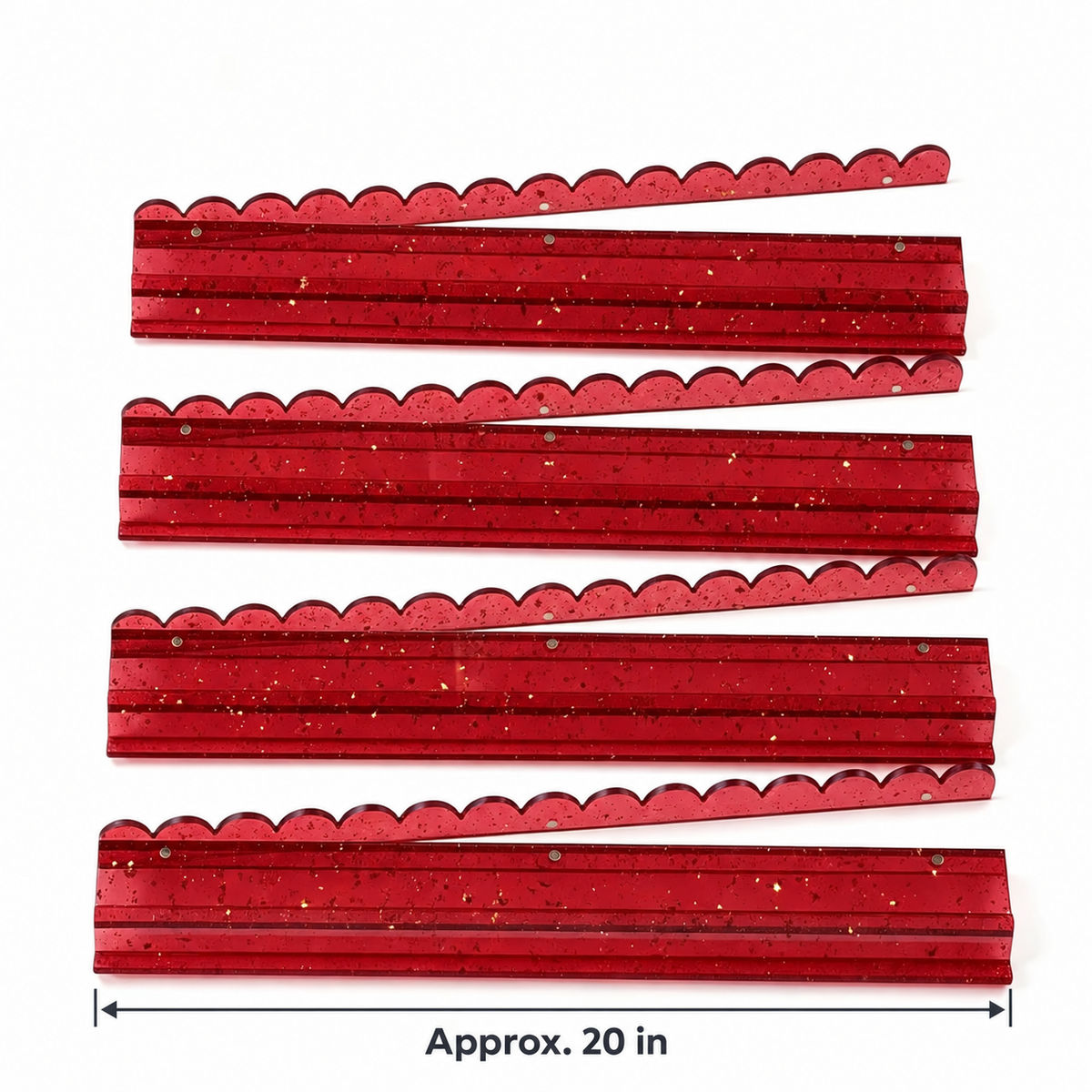
How do pushers actually work on a white rack?
The pusher is a thin lever built into the rack's base or side, usually a 2–3 inch bar you press or slide forward. When you push the lever, it advances all tiles on the rack slightly forward onto the table, revealing the tile you drew. You then pull back to reset position, keeping your hand hidden. The mechanism is friction-based; no springs or moving parts break. Practice pushing gently to avoid tiles jumping or tipping. Well-made pushers glide smoothly through hundreds of games.
What size and tile capacity should you look for?
American mahjong racks typically hold 14–16 tiles per player comfortably. Check the interior width and depth against your tile dimensions—standard American tiles are roughly 1 inch wide. Verify that the lip or retaining wall is tall enough to prevent tiles sliding off during play. Most quality racks accommodate both standard and slightly larger decorative tiles without slipping. Measure your table width beforehand if you're arranging four racks; each rack occupies about 10–12 inches. Confirm the pusher length is proportional to the rack depth so the lever reaches all tiles evenly.
Why choose white over other colors?
White racks coordinate with any mat, table cloth, or game aesthetic. They don't show dust or residue as quickly as darker colors, and light coloring keeps hands cool during long sessions. White is also the default choice across most American game rooms, so your set fits any house you visit. Colored racks (if available elsewhere) can be striking but may clash with certain mats or decor. White is timeless and practical. If you're buying your first set of racks, white is the safest choice.

What checklist should you use before ordering?
Consideration | What to Check | Why It Matters |
Tile fit | Rack interior width vs. your tile width | Tiles shouldn't slide or bind |
Height | Lip height is 1–2 inches minimum | Prevents tiles tumbling onto the table |
Pusher smooth action | Test a sample or read honest reviews | Rough pushers slow play and frustrate |
Quantity | Order a set of four, not singles | All racks should match; four ensure fair play |
Storage | Racks nest or stack flat | Saves space when not in use |
Build material | Check for cracks, uneven seams | Damage shortens rack life |
🎁 See our most-loved mahjong sets & accessories →
How do racks work with the rest of your setup?
White racks pair seamlessly with custom mahjong mats and American mahjong tile sets, creating a cohesive table. Place the mat first, then arrange racks at each player's edge. A mat protects the table surface and gives racks a stable platform. Many players pair a mat with a dedicated mahjong bag or case to transport racks and tiles together. For a complete setup, add dice to determine the dealer and draw order. The whole system—racks, mat, set, and case—travels easily for weekly game nights.
What are the most common mistakes with white racks?
Pushing too hard. Aggressive pusher use can pop tiles off the back or cause them to tilt. Push steadily and slowly—the lever does the work.
Mixing old and new racks. Pushers vary slightly in resistance; mismatched sets create uneven play. Replace all four together.
Forcing oversized tiles. Decorative or jumbo tiles won't fit standard racks. Verify tile dimensions before buying.
Ignoring storage. Racks left standing upright or in humid conditions warp over time. Store flat in a cool, dry space.
Not securing tiles. If a rack lacks a lip or retaining wall, tiles slip during shuffling. Check the wall height before each game.
What to check before you buy:
Confirm white is your preferred color (it is the standard).
Measure your American mahjong tiles—width and thickness.
Note your table size; four racks need roughly 40–50 inches of perimeter space.
Test or read feedback on pusher smoothness; this is the rack's most-used part.
Verify the set includes four identical racks (never buy singles or mismatched pairs).
Check return or exchange policy in case tiles don't fit or pushers bind.
✨ Find your Mahstead set — free US shipping →
White mahjong racks with pushers are the backbone of organized American play. Slope-front racks offer traditional comfort and hand hiding; flat racks save table space. Focus on pusher smoothness, tile fit, and matching all four racks. A complete white rack set integrates beautifully with a quality tile set and mat for a lasting, professional setup you'll use for years.

FAQ
Can I use white racks with colored or decorative mahjong tiles?
Yes, if your tiles fit the interior width and the rack's retaining wall is tall enough. Measure first—oversized or jumbo tiles may bind or slip.
Do I need all four racks, or can I buy just one or two?
Buy a set of four. Mismatched pushers or heights create uneven play. All racks should be identical for fair turns and consistent feel.
How do I maintain white racks so the pusher stays smooth?
Keep tiles clean and dry before each game; dust and moisture increase friction. Store racks flat, not standing. Avoid forcing the pusher or overfilling tiles.
What's the difference between a pusher and a push stick?
A pusher is built into the rack; a push stick is a separate handheld tool. Built-in pushers are faster and feel more integrated into play. Separate sticks require you to handle an extra object and align it each time.
Can white racks go in a mahjong bag or case?
Most racks nest or stack flat and fit into dedicated mahjong bags and cases designed for American sets. Confirm interior dimensions before ordering a case.
Are slope or flat racks better for beginners?
Slope racks are easier for beginners because tiles face you and pushers feel more natural. Flat racks have a steeper learning curve. Start with slope if you're new.


View More
View More
View More
