
Mahjong Open Play in Frisco: Where to Find Games & Host Nights
Last updated: Nov 23, 2026
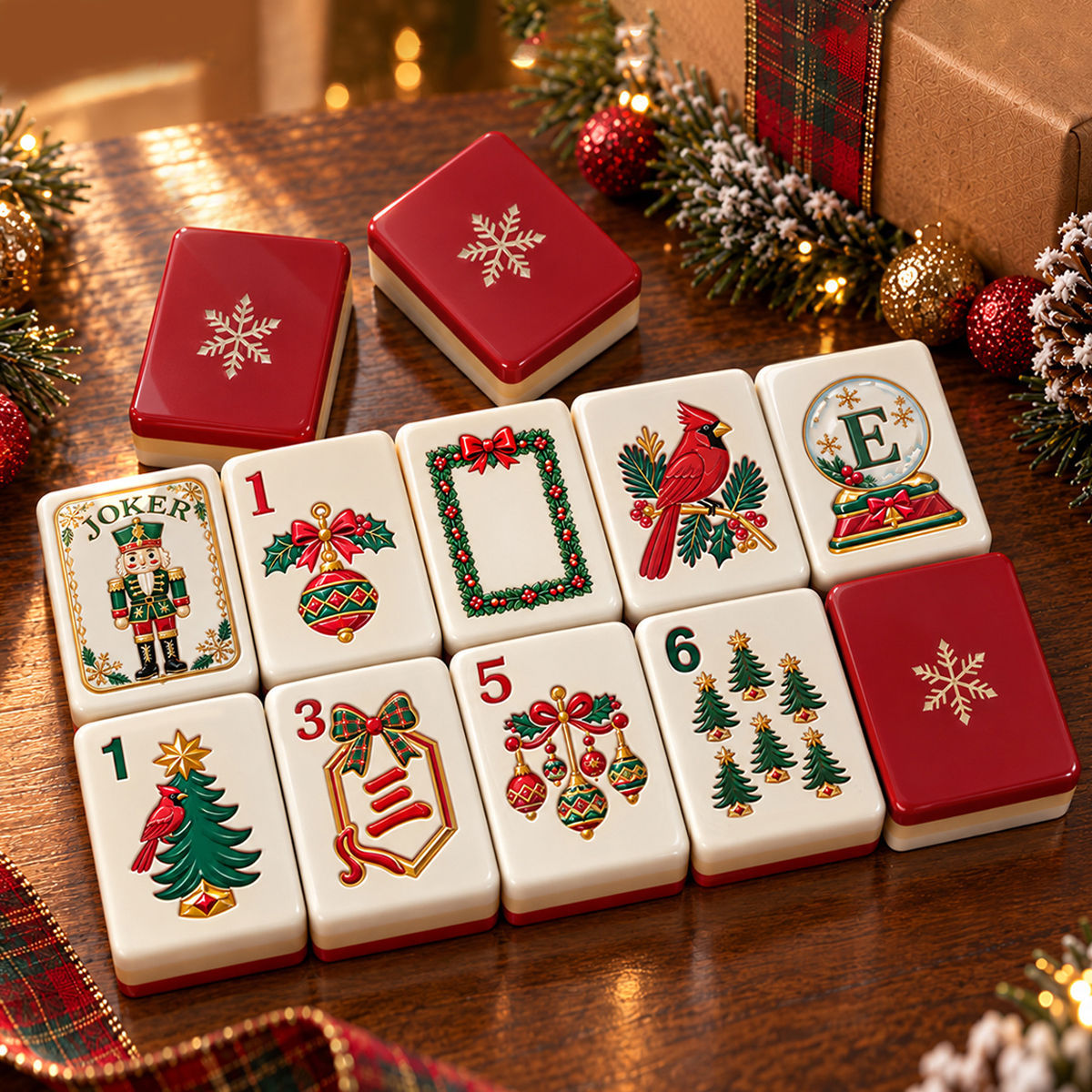
Frisco's mahjong scene centers on community centers, libraries, and player-hosted game nights—search Meetup boards, ask at local libraries or community centers, and check synagogue social halls, all common venues for regular play. Most groups play American mahjong (152 tiles, one annual card, the Charleston ritual before each game). Sessions typically run two to four hours per week, with stakes ranging from casual to competitive. The National Mah Jongg League card changes each spring, so you'll need a current set and card to play. When you're ready to host your own weekly table, invest in quality tiles and a durable mat from our best-selling collection; this transforms casual play into a real ritual and keeps players coming back.
Where do Frisco players actually gather for open mahjong?
Community centers and public libraries often host mahjong open play or can connect you with active groups. Search "mahjong Frisco" on Meetup, check community center bulletin boards in person, and call your local library—librarians often know who hosts games. Synagogues, country clubs, and recreation centers sometimes run afternoon or evening tables year-round. Private game nights happen in homes too; once you find one group, ask if they know others. Your best bet is showing up ready to play—bring a current NMJL card, learn how to play American mahjong, and introduce yourself. Players love welcoming newcomers who know the basics.

What's the difference between American and other mahjong variants played locally?
American mahjong differs sharply from Chinese and Hong Kong variants. American uses exactly 152 tiles (three suits—Bams, Craks, Dots—plus winds, dragons, flowers, and eight jokers), one official card per year from the National Mah Jongg League, and hands are exposed in sets (pungs, kongs, quints, sextets)—never hidden chows. Chinese mahjong allows sequences (chows) and draws one tile per turn, with scoring that rewards melds you build secretly. Hong Kong plays faster, with fewer tiles and different flower rules. Riichi mahjong uses Japanese tile names and draw mechanics. In Frisco's open-play settings, ask which variant the group plays before you sit—most casual tables are American, but some groups rotate variants. Clarify the card year too; the 2026 card is required for NMJL-standard play.
What gear do you need to start or join a regular game?
To play American mahjong, you'll need a current-year NMJL card (replaced each spring—ask your group for a link or order online), a 160-tile set with eight jokers (ours include spares so you're never short), and comfortable seating. If you're hosting weekly, add a durable mat to protect your table, racks with pushers so players organize their tiles neatly, and a way to score—paper or an app both work. A travel bag or case makes carrying tiles and accessories to open-play sessions stress-free. For games that run four hours or longer, having dice and clear score sheets keeps play smooth. Many hosts keep a spare set on hand in case tiles get damaged—we design acrylic sets tough enough for year-round weekly play.
Item | Why You Need It | Who It's For | Notes |
NMJL card (2026) | Hands only come from the current year's card | Every player | Replace each spring; check your group's card year |
160-tile mahjong set | 152 tiles + spares cover standard play + replacements | Every player | Acrylic is more durable than bamboo for weekly tables |
Mat | Protects table, marks play area clearly | Hosts/regular players | Cuts chip damage and keeps tiles from sliding |
Racks with pushers | Organizes hand, speeds game flow | Comfort-seekers | Especially helpful for players with arthritis or hand strain |
Bag or case | Carries tiles safely to open-play venues | Hosts/frequent players | Saves time packing and protects tiles in transit |
How do you know if an open-play group is a good fit for you?
Ask three things before you commit: What's the stakes level (play money, low-dollar betting, or casual)? How often do they meet, and what's the typical game length? Do they use the current NMJL card, and are newcomers expected to know the Charleston ritual and basic rules? Visit once as an observer if possible, or ask if you can sit in for a half-game first. Watch how the group handles winning hands, disputes, and pacing—a good fit feels relaxed but organized. New players should show up having read the National Mah Jongg League rules, practiced the Charleston, and understood why jokers work the way they do—this signals you're serious and ready to learn. Most groups are welcoming; they just want everyone at the table to play at roughly the same level so hands move at a steady pace.
🀄 Shop best-selling mahjong sets →

How to host your own weekly Frisco mahjong night
Hosting builds loyalty and gives you control over game frequency, stakes, and who you play with. Pick a regular day and time (Tuesday 7–11 p.m. or Sunday 2–6 p.m. work well), seat four players comfortably, and set one clear rule: everyone brings or knows the current year's NMJL card. Invest in a quality acrylic set from our best-selling collection—it withstands weekly play for years, tiles don't chip easily, and the look signals to guests that you're serious. Add a mat to protect your table and keep play organized. Keep score on paper or a free app; settle payment after each game so no one has to remember. Stock water and snacks. Send a group text 24 hours before to confirm attendance. After the first three weeks, you'll have a tight rotation of regular players who show up because they know the routine and trust the host—that's when a casual game becomes a weekly ritual.
What to check before you buy a mahjong set for regular play
Buy a 160-tile set (we ship all our sets in a standard 160-tile configuration with spares), not a cheaper 144-tile variant—you need eight jokers for American mahjong, and spares mean you're never scrambling to find a lost tile mid-game. Check that tiles are acrylic or bamboo, not plastic; acrylic is more durable for weekly play and tiles won't feel slippery. Verify the set includes racks if that matters to your players—many newer sets offer them as add-ons. Make sure the case or bag is roomy enough for the full set plus the mat if you plan to carry both. Buy a mat rated for 36–40 inches wide so all four players have clear space. Test that pushers move smoothly—a stiff pusher is annoying after an hour of play. Ask your group what tile size (standard or large print) they prefer; large-print tiles help players over 60 read hands faster. Most groups stay loyal to one host's set once they like the feel and size, so choose thoughtfully.
🎁 See our most-loved mahjong sets & accessories →
What to Know Before You Buy
Set size & tiles: Confirm the set is 160-tile (152 playing tiles plus spares) with eight jokers. American mahjong requires exactly 152 tiles in play, so spares protect you against damage or loss.
Acrylic vs. bamboo: Acrylic tiles are louder (some players love this), chip less, and stay smooth under weekly use. Bamboo tiles have a softer feel and more traditional look but need more care.
Case & carrying: Check that the case fits your mat and bag. If you're hosting, a sturdy case keeps tiles organized between weeks.
Card year: Every year the NMJL releases a new card (issued in spring). Your group will specify which year—confirm before you buy, or ask a host to loan you a copy your first session.
Joker clarity: Make sure the eight jokers are visually distinct (often bright colors or symbols) so no one mistakes them for numbered tiles mid-hand. Our best-selling sets use high-contrast joker designs for speed and accuracy.
✨ Find your Mahstead set — free US shipping →

FAQ
Can I play American mahjong with a Chinese set?
No. Chinese sets use 144 tiles without flowers, an older hand structure, and draw-based play. American mahjong requires exactly 152 tiles, eight jokers, an annual NMJL card, and the Charleston ritual. They're separate games with different rules, tile counts, and scoring. Use the right set for the variant your Frisco group plays.
What does the National Mah Jongg League card actually tell you?
The NMJL card shows all 100 or so legal hands for that year, organized by suit, honors, and pung/kong/quint combinations. Each hand lists which tiles form it and how many points it's worth. Without the current year's card, you won't know which hand combinations win—it's as essential as the tiles themselves. Learn how to read a mahjong card before your first session.
Do I have to play for money at open-play games in Frisco?
No. Many casual groups play for fun or with low stakes (a dollar or two per hand). Ask the group upfront about their stakes level before you join. Some tables are invitation-only competitive groups with higher bets; others are purely social. Find a group matching your comfort level—there's a Frisco table for casual players, intermediate players, and serious competitors.
How long does a typical mahjong game take?
One hand takes 10–15 minutes for experienced players; beginners might play 15–30 minutes per hand while learning. A full session (2–4 hours) includes 8–24 hands depending on group pace and skill level. Once you know the rules and the current card, games move faster. Most weekly groups aim for steady pacing rather than speed.
What's the difference between a pung and a kong in American mahjong?
A pung is three identical tiles; a kong is four identical. Both are always the same tile (e.g., three 5 Dots or four North winds)—never different numbers like 1-2-3. You expose both to claim them during play, but only kongs and quints (five identical) get bonus points. Sequences (1-2-3 style) do not exist in American mahjong; hands are always built from pungs, kongs, quints, and pairs.
Should I buy my own set if I'm just trying open play?
If you're visiting one open-play session, borrow or ask the host for a set. If you plan to attend weekly or host eventually, buying a quality 160-tile set for under one month's play cost makes sense and signals commitment to the group. Plus, owning a set means you can practice hand-reading at home before your next game.


View More
View More
View More
