
Mahjong Lessons in Greenwich: Where to Learn & What to Know
Last updated: Nov 23, 2026
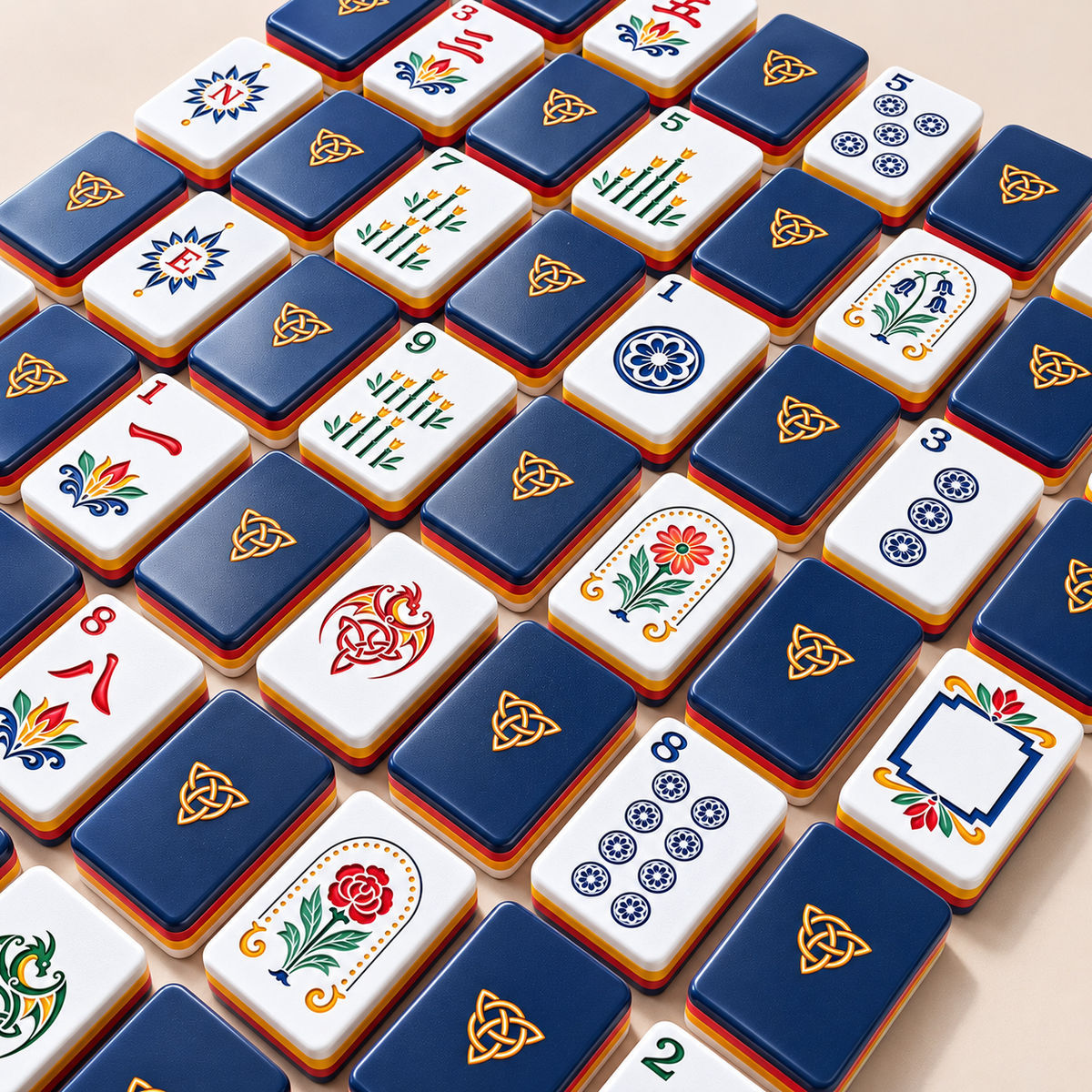
Greenwich residents can learn mahjong through community centers, public libraries, synagogue programs, and country clubs that host lessons or beginner circles—many charge modest fees or ask only for materials. Private instructors advertise through Meetup and Facebook groups; a typical lesson introduces the 152-tile set, the four-player setup, hand recognition from the current year's National Mah Jongg League card, and the Charleston (the tile-passing ritual before play). Online options via Zoom with national instructors are also available if in-person doesn't fit your schedule. Expect to spend 4–8 weeks on fundamentals before you're comfortable in a casual game. The best entry point is finding a weekly beginner circle where you'll play alongside people at your level and get real-table experience from day one.
Where exactly can I find mahjong lessons near Greenwich?
Greenwich's most reliable sources are public community centers (check the town's recreation department website or Parks & Recreation department), the Greenwich Library system (which often posts class schedules on their events page), and synagogues with active adult programs—many run weekly mahjong circles open to members and guests. Country clubs and senior centers sometimes advertise lessons through their membership boards. Search Meetup.com for "mahjong Greenwich" or check Facebook groups for "Connecticut mahjong" to find instructors offering private or small-group sessions. Ask at local game shops or bridge clubs—players there often know teachers by reputation. Start with a library search; it's free and legitimate lessons always post publicly.
What do beginner mahjong lessons actually teach?
A solid beginner lesson introduces the 152-tile American mahjong set structure, the four-player table setup, how to read the current year's National Mah Jongg League hand card, and the Charleston (the three-pass tile exchange that starts every game). You'll learn the three suits—Bams, Craks, Dots—plus winds, dragons, and flowers; how to recognize a pung (three identical tiles), kong (four), and the role of jokers as wildcards. Most lessons spend time on the Charleston because new players find it confusing, and they'll show you how hands are built from the card, not memorized. Good teachers play a few demo rounds at a relaxed pace so you see the rhythm before playing for real. Plan on 2–3 lessons before you feel comfortable in a casual game.

How long does it take to go from zero to playing a full game?
Most beginners grasp the basics—tile recognition, Charleston, and hand-reading—in 3–6 hours of instruction or practice. Playing your first complete game typically happens in week one or two. True comfort—where you're not checking the card every turn and can spot discards quickly—takes 4–8 weeks of weekly play. The mental load is real; you're managing your rack, watching three opponents' discard piles, reading a cryptic hand card, and tracking which tiles are still in play. This is normal. We've seen players who felt lost in week two become confident regulars by week eight. The key is showing up every week and not memorizing hands—instead, learn to read the card and understand pattern categories (like "2468", "like numbers", "consecutive pairs").
Learning Phase | Time Frame | What You Can Do | Common Stumble |
Week 1 | First 3 hrs | Complete a game with help | Forgetting Charleston rules |
Week 2–3 | 6–12 hrs | Play without stopping mid-hand | Confusing chow (illegal in American) with pung |
Week 4–8 | 12–24 hrs | Spot hands and play fluidly | Overthinking tile selection |
Week 8+ | 24+ hrs | Host or teach others | None; you've got this |
What equipment should a beginner get before lessons start?
You don't need to buy anything before your first lesson—instructors or the class will provide a set. Once you decide to play regularly, a best-selling American mahjong set (160 tiles) becomes essential; American mahjong's strict rules require exactly 152 playing tiles plus jokers, and buying early prevents using wrong tiles or borrowed incomplete sets. A mahjong mat (scored or unscored) keeps tiles organized and reduces noise—crucial if you're hosting at home or in a quiet space like a library. If you play weekly, a travel bag or case makes transport easy and protects your set. Racks with pushers are nice-to-have for home play but not essential for learning. A current-year National Mah Jongg League card is mandatory—buy one from your instructor, a local game shop, or order it directly from the League; it's your hand reference for every game.
🀄 Shop best-selling mahjong sets →

How do I practice at home between lessons?
Practice the Charleston ritual with a friend or alone—lay out 13 tiles and pass them three times following the Charleston rules (first pass right, second pass across, third pass left, then Kong). This muscle-memory work pays off because fumbling the Charleston slows the whole table. Get a partner and play a few hands slowly, stopping to discuss each decision and hand-reading choice. Watch the how to play American mahjong video or guide at your own pace; pausing to rewatch a confusing section is faster than asking the same question in week five. Join an online beginner game via Zoom if your local group meets infrequently; these sessions are lower-pressure because mistakes are more forgiving at your own table. Review the how to read the mahjong card guide so you understand how the card is organized; this single skill cuts your play speed in half once it clicks.
What mistakes do Greenwich beginners make, and how do I avoid them?
New players often confuse the rules because American mahjong is strict: you cannot call a chow (1-2-3 sequence) exposed—only pungs, kongs, and quints are exposable. The card shows chow sections for closed hands only. Second, beginners call the wrong tile from the wall or discard the tile they just drew; slow down and follow one discard per turn. Third, many don't track which tiles are gone (you have 108 suit tiles only; after one player has all four 5 Craks, that hand is dead). A checklist: before you discard, say the tile name aloud; before you draw, wait for confirmation; before you expose, confirm it matches the card. If you're uncertain, ask; experienced players prefer a 10-second pause to a wrong call. Keep your rack tidy—tiles sliding around causes errors. Avoid memorizing hands; instead, learn to reason about the card ("this section wants pairs of 1-9 suit tiles plus a wind pung"), so you adapt when a tile isn't available.
🎁 See our most-loved mahjong sets & accessories →
What to check before you buy your first set
Buy a 160-tile American set only—not Chinese (different rules), not 144-tile (incomplete for American). Check that the set includes printed jokers (not blanks masking as jokers). Verify the tiles are acrylic or bamboo-composite (durable, quiet, easy to clean). Look for clear, large print on the suit symbols so you can read from across the table. If ordering online, confirm the tiles are sorted by suit and number for first-time setup. Keep your receipt until you've played three games; occasionally a set ships with defects, though reputable makers stand behind their work. For home play, pair your set with a mahjong mat sized to your table—most home tables suit a 2–3 foot mat. An engraved set is fine if you love it, but focus first on durability and readability; beautiful details matter less when you're squinting at tiles.
✨ Find your Mahstead set — free US shipping →

FAQ
Do I need to know how to play before I sign up for lessons?
No. Beginner classes assume zero knowledge and teach tile recognition, setup, and hand-reading from scratch. Bring an open mind and a pen to take notes on hand-card sections; that's all.
Can I learn mahjong online instead of in person?
Yes. Online lessons via Zoom work well for learning rules and card-reading. Real-table experience (handling tiles, pacing, opponent-watching) is harder online, so combine an online course with at least a few in-person games to build confidence.
What's the cost of a typical mahjong lesson in Greenwich?
Community center classes and library programs usually charge a small materials or registration fee (ask the organizer directly). Private instructors set their own rates. Beginner circles hosted by synagogues or clubs are often free for members or ask a modest drop-in fee.
If I learn one variant of mahjong, can I play another (like Chinese or Hong Kong)?
American mahjong is distinct; the rules, hand recognition, and tile values are specific to the American game and the National Mah Jongg League card. Chinese and Hong Kong mahjong use different hand rules and scoring. Learn American first, then decide if you want to explore others.
How many people do I need to play mahjong?
American mahjong is a four-player game. With two or three players, special rules apply (which we cover in detail in our 2 and 3 player mahjong rules guide); for now, assume you need four.
What's the Charleston, and why do beginners struggle with it?
The Charleston is the three-pass tile exchange before every game—you pass tiles right, then across, then left. Beginners stumble because the direction changes each pass and the timing matters. Practice it five times at home and it becomes automatic; our Charleston guide walks through it step-by-step.


View More
View More
View More
