
Mahjong Open Play in Albuquerque: Find Games, Learn Rules & Join
Last updated: Nov 23, 2026
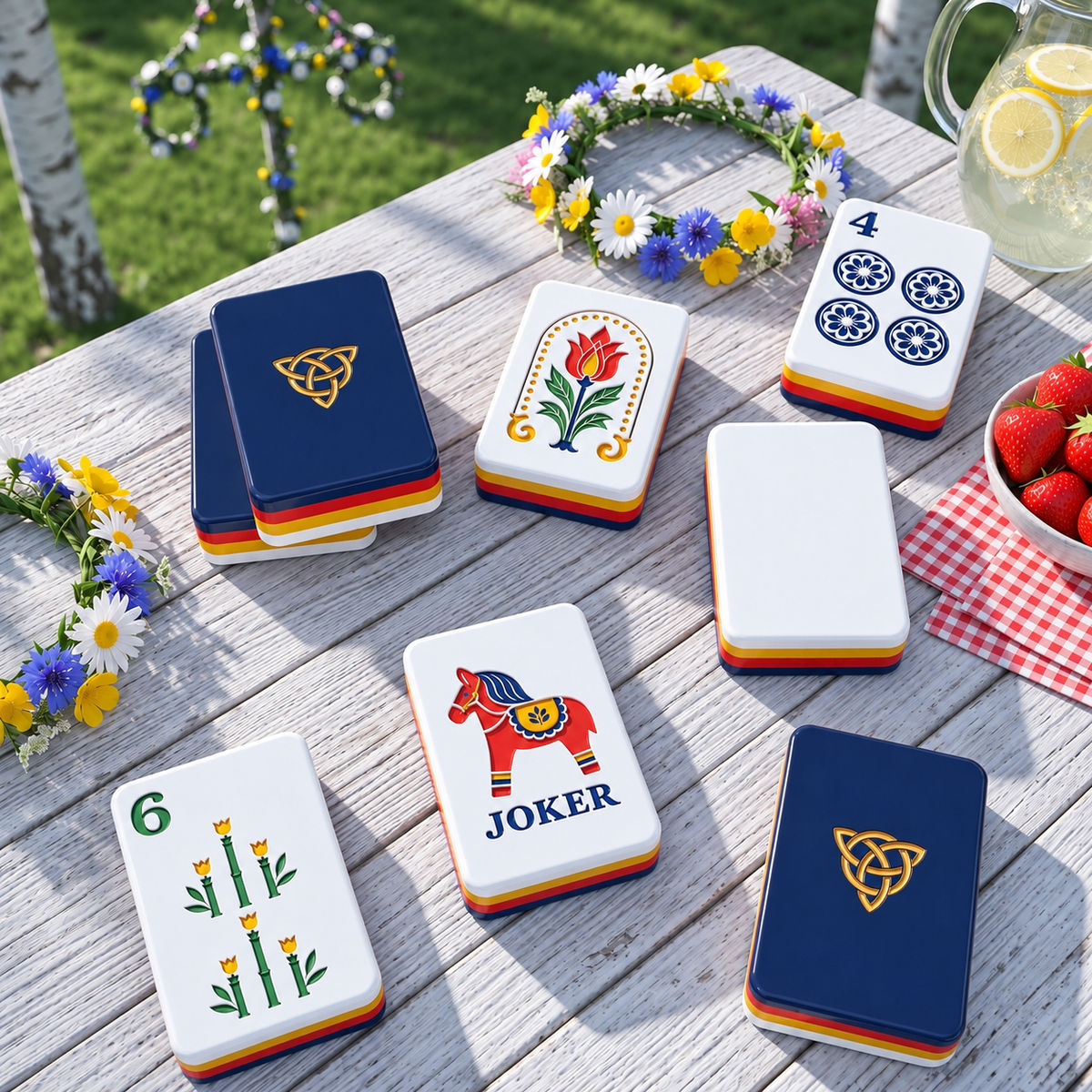
Open mahjong play in Albuquerque happens at community centers, libraries, country clubs, and informal player groups that meet weekly or monthly. The game uses 152 tiles plus 8 jokers (American rules: no sequences, only pungs, kongs, and quints from that year's National Mah Jongg League card). Games typically run 1–3 hours, cost varies by venue (often free at libraries, modest fees at clubs), and skill levels range from beginner-friendly to competitive. To find groups, check Albuquerque community center bulletin boards, library websites, or local Meetup groups; call ahead to confirm meeting times and whether drop-ins are welcome. You'll want a personal set if you plan to play regularly—acrylic or bamboo sets last longest—plus the current year's card, pushers, and a mat for smooth play. Mahstead offers best-selling mahjong sets ready to ship across the US with everything you need. #
Where do Albuquerque mahjong players meet each week?
Check community centers in your neighborhood first: most run free or low-cost drop-in sessions, bulletin boards list meeting times, and staff can direct you to active groups. Public libraries often host themed game nights or maintain lists of local players; call the main branch reference desk. Country clubs and senior centers sometimes sponsor weekly tables (membership or day-fee required). For informal groups, search Meetup using "mahjong Albuquerque" or "mah-jong New Mexico," scan NextDoor neighborhood boards, and ask at local Asian cultural centers. Reach out directly to confirm drop-in policies, skill levels, and whether you need to bring your own set—most venues welcome newcomers, but a few play with house sets only.

What American mahjong rules do open-play groups in Albuquerque follow?
All American mahjong groups play from the current year's National Mah Jongg League card, released each spring. The game uses exactly 152 tiles (three suits: Bams, Craks, Dots, numbered 1–9, four copies each) plus winds, dragons, flowers, and 8 jokers. You can expose only pungs (three identical tiles), kongs (four), quints (five), and sextets (six)—never sequences or chows. Jokers can never fill a pair or single tile. Each hand is scored per the card; the player who goes out (mahjong) wins. Most Albuquerque groups play American-only (not Chinese, Hong Kong, or Riichi variants) unless posted otherwise. Before your first game, read how to play American mahjong and learn the Charleston tile-passing ritual.
🀄 Shop best-selling mahjong sets →
What tiles and gear do you need to bring or own for open play?
If you're a regular, a personal set ensures you play with tiles you trust. A standard American set contains 152 playing tiles plus spares. Acrylic sets are durable, easy to clean, and ideal for frequent players; bamboo sets offer tradition and a softer shuffle. You'll also want a mahjong mat (felt or cushioned, 27–32 inches) to protect tiles, reduce noise, and mark hand zones clearly. Racks with pushers keep your tiles upright and organized; pushers let you draw smoothly without dropping tiles. Bring the current-year card in a small sleeve or case, a pen for scoring, and optionally a travel bag if you move between venues. Some groups provide mats and cards; always ask ahead.
Item | Why You Need It | Who Provides It |
152-tile set | Game foundation; your personal set avoids disputes | You, unless group provides |
Current-year card | Hand reference; changes annually | You (free download or print) |
Mahjong mat | Quiet play, tile protection, zone clarity | You or venue |
Racks + pushers | Comfort, organization, reduced fumbling | You or venue |
Scoring pen/paper | Record points; settle wins | Usually shared |
Dice (if needed) | Determine dealer; not always used | Group usually provides |

How do you find beginner-friendly games in Albuquerque without feeling overwhelmed?
Call ahead and ask: "Are beginners welcome?" Most open groups say yes and will assign you a mentor or patient tablemate. Arrive 15 minutes early to watch a round, ask questions, and get comfortable with the card and tile layout. Start at a casual venue (library, community center) rather than a competitive club—the pace is slower and the vibe is forgiving. Tell players outright that this is your first or second time; experienced players usually enjoy teaching. Bring a notebook to jot down hand patterns and scoring rules as you play. Most groups go through 4–5 hands per session, so you'll get multiple chances to ask questions and build confidence. If the first group feels wrong, try another—no two tables are identical.
What's the honest difference between playing open mahjong in a venue versus a home game with friends?
Venue play is more formal: stricter rule adherence, player rotations (you don't always sit with the same people), and clear expectations about etiquette and scoring. Home games are flexible: you set house rules, play at your pace, and often include snacks and chat. Open-play groups in Albuquerque venues teach faster because there's less tolerance for rule bending and more eyes on the card. You'll also meet new players and learn variant styles—some groups use slightly different scoring methods or house practices. Home games are best for learning basics with patient friends; venues are best for improving speed and consistency. Many players do both: casual home games during the week, open play on weekends. Consider joining mahjong for beginners sessions first if your venue offers them.
🎁 See our most-loved mahjong sets & accessories →
What should you check before you buy or bring your own set to Albuquerque open play?
Inspect tiles for cracks, discoloration, or missing paint—worn sets slow play and frustrate opponents. Count all 152 tiles plus the 8 jokers; a single missing tile makes a set unplayable. Verify the tile size: American standard is roughly 0.75 inches wide. Test the weight and shuffle feel; some sets feel too light or too plasticky. If you're buying new, our best-selling collection offers acrylic sets that ship ready to play across the US. Ask the venue if they have a set preference (some groups ban certain brands or styles, though this is rare). Ask other players for recommendations before spending money. Keep your set in a sturdy bag or case to prevent damage in transit.
What to check before you buy
Tile count: Exactly 152 playing tiles + 8 jokers
Tile condition: No cracks, fading, or missing paint
Tile size: ~0.75 inches wide (check against a standard ruler)
Material durability: Acrylic outlasts bamboo in heavy play
Shipping protection: Sets should arrive in padded boxes
Spare parts: A few extra jokers are helpful (never added to play, but good for loss)
✨ Find your Mahstead set — free US shipping →
#

FAQ
How do I find mahjong groups in Albuquerque if I have no connections?
Start with your local public library and community center websites. Call and ask staff directly. Check Meetup, NextDoor, and search "mahjong Albuquerque" online. Visit in person if posted times are listed. Most librarians and community coordinators keep a list of active players and can connect you.
Can I join an open-play group with no experience?
Yes. Most Albuquerque groups welcome beginners and pair you with a patient mentor during your first session. Arrive early, tell players you're new, and don't hesitate to ask questions. Watch one hand before playing to calm nerves.
What does an American mahjong set include, and why is that different from other variants?
An American set has 152 tiles: three suits (Bams, Craks, Dots, 1–9 each), 16 winds, 12 dragons, 8 flowers, and 8 jokers. Chinese sets use 144 tiles and allow sequences; American play uses only the current year's card and forbids sequences. Jokers are unique to American play and change hand strategy significantly.
Do I need to own my own set, or can I always use a venue's set?
Either works. Many venues provide sets, but owning one ensures familiarity and reduces disputes over tile condition. If you play weekly, a personal set pays for itself in comfort and confidence. Check what's in an American mahjong set to understand what to look for.
How much does it cost to play open mahjong in Albuquerque?
Venue fees vary widely. Public libraries are often free. Community centers charge modest drop-in fees (typically under $20 per session). Country clubs and senior centers may charge membership or day-fees. Many groups play for fun with no betting; some pot small stakes (ask before you arrive). Set ownership is a one-time cost and is optional if the venue supplies them.
What's the best mahjong mat for travel between venues?
Look for a cushioned felt mat, 27–32 inches square, that rolls or folds into a compact bag. Felt protects tile edges, reduces noise, and marks hand zones clearly. Many players prefer lightweight acrylic or vinyl over heavy bamboo for portability. See our mahjong mats collection for options that ship with protective cases.


View More
View More
View More
