
Mahjong Clubs in San José: Where to Play & How to Join
Last updated: Nov 23, 2026
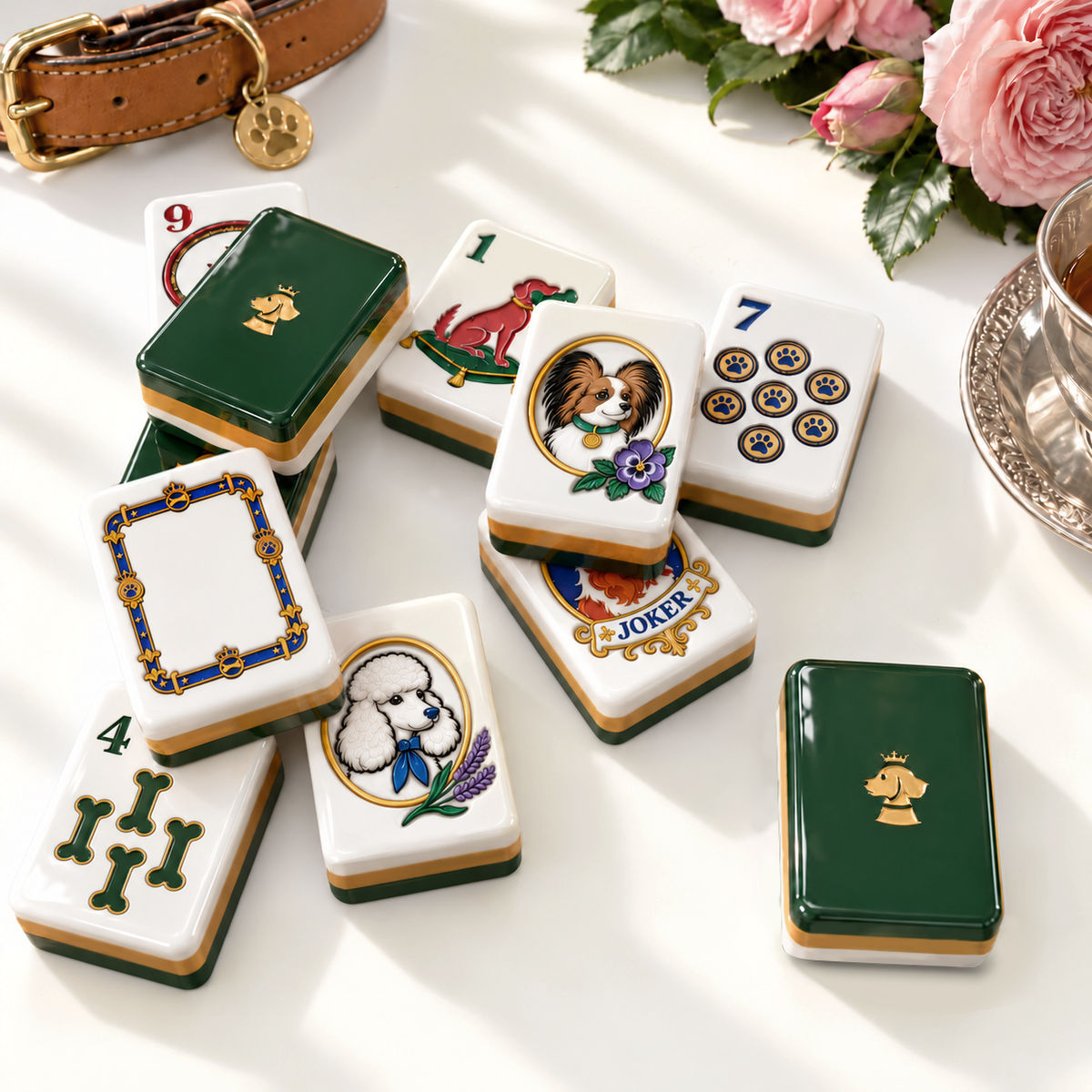
San José mahjong clubs meet primarily at community recreation centers, public libraries, senior centers, and country clubs—most list drop-in times on their websites or community boards. Meetup.com and local Facebook groups (search "San José mahjong" or "Bay Area mah-jongg") surface active weekly games; many groups welcome beginners and provide loaner tile sets. A typical club game runs 2–4 hours on weekends or weekday evenings; cost is usually a small table fee or donation per session. Before joining, confirm the variant (American mahjong is most common in California, but some groups play Hong Kong or Chinese rules), whether you need your own best-selling mahjong sets or they supply them, and the skill level. Most groups post house rules online—read these first to avoid surprises. Mahstead ships free to San José within days, so if you decide to buy a set, you can have it ready for your first session.
Where exactly do San José mahjong clubs meet?
San José clubs gather in three main types of venues: public community centers (check the Parks & Recreation Department website for programs under "games" or "senior activities"), public library branches (often host free or low-cost club sessions), and private establishments like country clubs or ethnic cultural centers. A fourth option is homes—many regular players host rotating weekly games. Start by calling your nearest library or recreation center directly; staff can point you to the club organizer's phone number or email. Most groups have a one-time visitor fee or monthly membership; ask before showing up.
🀄 Shop best-selling mahjong sets →

How do I find a game if I don't know anyone?
Meetup.com remains the easiest searchable directory for San José hobby groups; filter by "games" and search the word "mahjong" or "mah-jongg" to see active listings with meeting times and addresses. Facebook groups (especially Bay Area Chinese community pages and "San José games" boards) often post weekly meetups with links to join. Next, try Craigslist under "activities" or "community" for recurring game announcements. Call the San José Chinese Cultural Center, Vietnamese community center, or Jewish community center—these typically host or know of regular games. Boards at bookstores, community centers, and libraries also carry flyers. Once you find a group, text or call the organizer to confirm you can attend as a walk-in and what to bring.
What's the difference between beginner and advanced clubs?
Beginner clubs prioritize teaching how to play American mahjong—the Charleston, hand-reading, and joker rules—and play slower with explanation. Advanced clubs assume you know the rules, play faster, and compete more seriously (some track scores across seasons). A practical way to tell: ask the organizer if they play from the current year's National Mah Jongg League card, if they allow "pausing" a hand to discuss strategy, and whether newcomers typically watch a round before playing. Beginner groups almost always say yes to all three; advanced groups do not. Choose beginner if you learned the rules less than two months ago or have never played a real game. Beginner clubs also typically lend sets, so you don't need to own one yet.
Club Type | Pace | Rules source | Best for | What to bring |
Beginner | Slow, teaching-focused | Current year's League card | Learning fundamentals | Notebook, open mind |
Social | Moderate, relaxed | League card, house rules posted | Weekly fun & scores | Your own set if desired |
Competitive | Fast, score-tracked | Strict League card | Winning, seasonal rankings | Reliable set + exact change |
Drop-in (home games) | Variable | Host's preference | Flexible schedules | Snacks, willingness to adapt |
Which rules do San José clubs play—American, Chinese, or Hong Kong?
American mahjong dominates Bay Area clubs because of the large California Chinese-American community that adopted the National Mah Jongg League card in the 1960s. However, some clubs—especially those in Silicon Valley with recent mainland immigrant members—may play Chinese Standard (16-tile hand, sequences allowed, different scoring) or Hong Kong variant (also sequence-based). Ask the organizer outright: "Do you play the League card?" If yes, it's American. If they say "we play sequences" or "0–9 and honors," it's Chinese or Hong Kong. This matters because what's in an American mahjong set differs—American uses jokers; Chinese Standard does not. Most casual beginner groups post their variant on Meetup or their flyer; if unclear, phone before attending.
✨ Find your Mahstead set — free US shipping →

What should I bring (or buy) before my first session?
Bring: a notebook, pen, phone (to photograph hands from the League card), and exact cash or Venmo for the session fee. Most clubs provide a loaner set for beginners, so you don't need to buy one immediately. If the club says "bring your own set" or you've attended 2+ sessions and want to own one, order a best-selling mahjong set before your next game—free shipping across the US means you'll have it in time. Once you own a set, consider a mahjong mat (reduces tile noise and speeds play) and racks with pushers (essential for American play—no one plays without them). Many players also bag their set in a durable travel case to protect tiles during the drive to club.
🎁 See our most-loved mahjong sets & accessories →
What mistakes do newcomers make when joining a club?
Don't arrive without confirming: Some clubs list "weekly games" but cancel for holidays or organizer absence; call or text 24 hours ahead. Don't assume you know the rules: San José clubs play strict League card rules, not YouTube or app versions. Bring how to read the mahjong card printed or bookmarked on your phone. Don't come empty-handed: Bring snacks or drinks your second or third visit—it's a courtesy and you'll feel more welcome. Don't touch tiles before play starts: Wait for the dealer to instruct the Charleston; jumping in looks arrogant even if unintended. Don't skip house rules: Every club posts variations (table fee, scoring multiplier, penalty for misreads). Read them online or ask on arrival. Don't show up with a damaged set if you're contributing it: A cracked or missing tile ruins the game for everyone.
What to check before you buy or host your own
If you decide to host weekly games at home, you'll need one 160-tile American mahjong set (which includes spares), racks with pushers for all four players, a mat to protect your table, printed copies of the current year's National Mah Jongg League card, and the Charleston rule guide if anyone is new. Mahstead's engraved tile sets arrive ready to play and survive thousands of rounds—pick a design that matches your style. Budget 90 minutes per game; recruit 4 committed players and agree on a standing weekly time to build habit. Most home groups charge no fee and rotate snack duty; this keeps the barrier low and the friendships strong.

FAQ
How much does it cost to join a San José mahjong club?
Most drop-in sessions charge a small table fee (typically $3–8 per session) or ask for a monthly membership donation. Some clubs are free; confirm when you contact the organizer. Private home games are usually free but ask players to rotate bringing snacks.
Can I learn mahjong at a club if I've never played before?
Yes—beginner-friendly clubs teach how to play American mahjong from scratch and lend sets. Expect to watch one round, ask questions, and play by your third visit. Call ahead and tell the organizer you're brand new so they reserve a patient mentor.
Do I need to own a mahjong set to join a club?
No. Most clubs provide loaner sets for beginners. Once you've attended 2–3 sessions and decide you want your own, buy a best-selling mahjong set with free US shipping so it arrives before your next game.
What's the difference between American mahjong and the other kinds?
American mahjong uses the National Mah Jongg League card, jokers, pungs only (no sequences), and 152 tiles per game. Chinese and Hong Kong variants allow sequences, have different scoring, and use no jokers. Most San José clubs play American; confirm with the organizer.
How often do San José clubs meet, and can I drop in anytime?
Most meet weekly on a fixed day (Wednesday evening or Saturday afternoon are common). Some allow drop-in; others require you to RSVP. Check the Meetup listing or call ahead 24 hours before to confirm they're playing that week.
What's the best way to improve after joining a club?
Play weekly, photograph hands from the League card to study at home, ask experienced players for feedback after games, and practice how to read the mahjong card until recognizing hands becomes automatic. Most players improve noticeably within 6–8 weeks.


View More
View More
View More
