
Mahjong Clubs in Orlando: Where to Play & What to Know
Last updated: Nov 23, 2026
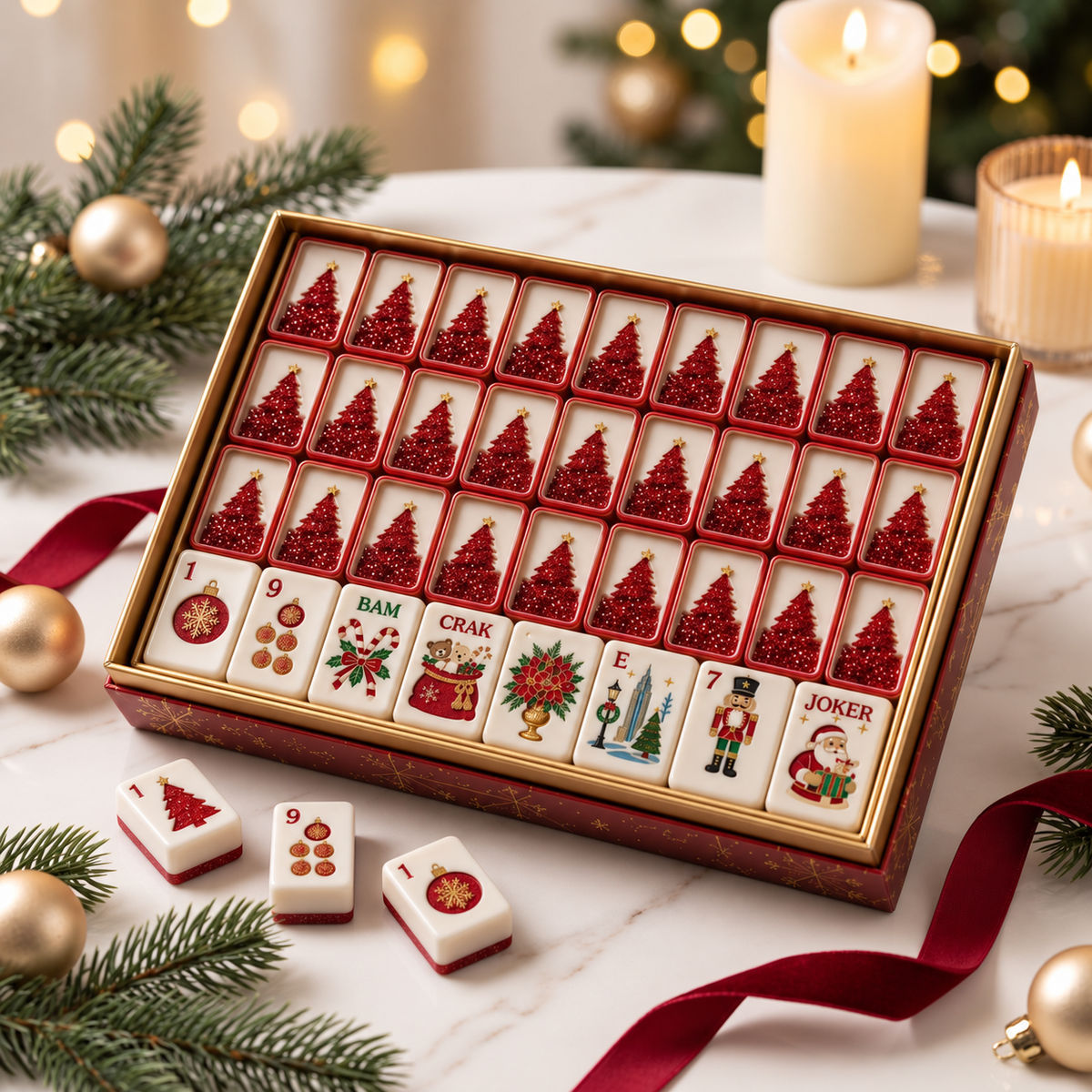
Mahjong clubs in Orlando meet primarily at public community centers, libraries, and Jewish synagogues—the same venues nationwide where players host weekly games. Most clubs play American mahjong on Thursdays or Fridays and welcome players of all levels; begin by calling your local recreation department or checking the calendar board at your nearest library. A typical game runs two to three hours with a rotating dealer, no buy-in required at charitable venues, and costs nothing beyond refreshments. Beginners should arrive early, watch one hand, and ask the host or an experienced player how the current season's National Mah Jongg League card works. Our best-selling mahjong sets are designed for durability in club play, with acrylic tiles that withstand hundreds of games.
Where do Orlando mahjong clubs actually meet?
Public libraries and community recreation centers host the most consistent weekly games in Orlando. Check the events calendar at your county recreation department website or call ahead—staff can confirm the day, time, and whether the game is beginner-friendly. Synagogues and Jewish community centers often run Thursday or Friday games open to the public; a simple Google search for "Jewish community center near me" plus "mahjong" narrows the list. Country clubs and retirement communities sometimes host private games on a membership basis. Start with your nearest library reference desk—librarians track local game groups and can give you a contact number for the host.

What's the difference between a beginner club and an experienced one?
Beginner clubs teach how to play American mahjong from the ground up, explain the Charleston ritual before each game, and pause to answer rule questions mid-hand. Experienced clubs assume players know hand patterns, how jokers work, and the current season's card—games move faster, and interruptions are rare. Most weekly clubs are mixed-level; ask the host whether new players are welcome and if anyone pairs up with beginners for the first game. Joining a beginner club first, even if you've read the rules online, saves you from feeling lost and builds confidence faster than trying an advanced table cold.
🀄 Shop best-selling mahjong sets →
How do you find the right club for your schedule and style?
Venue Type | When They Play | Typical Players | Best For |
Public library | Wed–Fri afternoons | Mixed ages, all levels | Beginners, daytime availability |
Community center | Evenings, weekends | Families, young adults | Schedule flexibility |
Synagogue/JCC | Thurs–Fri evenings | Long-term members, social | Community, consistent schedule |
Retirement community | Mornings, weekdays | Ages 55+, intermediate+ | Daytime players, steady group |
Visit your area's rec department website or Meetup to filter by day and time, then call the host to ask three questions: Do you welcome new players?Do you provide sets or should I bring one?What year's National Mah Jongg League card do you use? A club that answers clearly and invites you to observe first is worth the drive. Many Orlando players rotate between two clubs—a casual weekday game and a more serious Thursday-night group—so don't commit to one venue until you've played two or three hands.
What should you bring to your first club game?
Bring a pencil and paper for score-keeping, reading glasses if you need them, and cash for small snacks (most clubs run on a honor system for coffee and cookies). Do not bring your own set unless the host asks—clubs maintain house sets tested for fairness. Arrive 10 minutes early, introduce yourself, and watch one complete hand before sitting in. Most hosts give new players a practice game at a lower-stakes table before joining the main rotation. If you own a set and want to get comfortable with it before attending a club, practice the Charleston and how to read the mahjong card at home first—that confidence carries over to the table.

Can you host your own mahjong club at home?
Yes. Most home games start with three to four players, meet weekly or biweekly, and require minimal setup. Choose a night and send a group text or email calendar invite two weeks ahead so people plan around it. Set the table with a mahjong mat to protect your surface and prevent tiles from sliding, use an acrylic set for consistency across dozens of games, and keep racks with pushers on hand so players new to hand organization feel welcome. Many home players keep their set in a travel bag or case so it's ready to bring to a club game if they ever visit one, and a printed copy of each season's National Mah Jongg League card at the table prevents disputes. Home clubs typically have no cost, but offering beverages and snacks keeps regulars coming back. The social rhythm of a consistent group—same four people, same time, same mat—is one reason so many us never join a public club and host instead.
🎁 See our most-loved mahjong sets & accessories →
What rules or etiquette do Orlando clubs follow?
All American mahjong clubs follow the same National Mah Jongg League rules for hand validity, how jokers work, and scoring. Etiquette is consistent too: let the dealer order tiles without interruption, don't discard a tile until the previous player's turn is complete, and pause to verify a hand is legal before paying out. Never re-seat or adjust tiles once play begins, and keep phones off the table. Most clubs play three or four hands per session (roughly two hours) and rotate the dealer clockwise. If a newcomer wins their first hand, expect friendly ribbing—that's tradition, not resentment. Ask the host whether your club plays with "all Jokers wild" or applies restrictions; most American clubs follow the card exactly, meaning jokers can never be used in a single tile or a pair.
What to check before you buy a mahjong set for home play
If you're starting a home club after visiting an Orlando venue, buy once and play for years. Look for acrylic tiles with embossed suit symbols—they're easier to read than painted tiles and last through hundreds of games. Confirm the set includes exactly 152 playing tiles plus 8 jokers (standard for American mahjong); sets marketed as "160 tiles" include spare tiles for replacement if one breaks. Pair your set with a mat sized to your table—an 31" mat fits most rectangular tables without crowding—and racks with pushers so all four players can organize their hand visibly. Test the tiles in your palm: they should feel smooth, not sticky or rough, and stack neatly without warping.
✨ Find your Mahstead set — free US shipping →
Starting your own Orlando mahjong club: a practical checklist
Before your first meeting:
Choose a recurring day and time (Thursdays 7 p.m. works for most groups).
Text or email three to four friends and ask if they'd join for a trial game.
Order a 160-tile acrylic set and a mat if you don't own one—free shipping across the US means you'll have it in time.
Print the current National Mah Jongg League card and leave a copy at the table.
Watch how to play American mahjong together your first night so everyone starts level.
For ongoing play:
Set a regular reminder (most groups use a weekly group chat).
Keep score on paper and track results if players enjoy competition.
Replace worn tiles from the spare jokers as needed.
Invite one new player per season to grow the group without disrupting rhythm.
Many of us started playing in public clubs, then began hosting because a dedicated group became friends first and competitors second. Home games often outlast public venues because the same four people invest in the ritual—same night, same set, same jokes. Even if you eventually join an Orlando club, the skill you build at your own table carries forward immediately.

FAQ
Do I need to know how to play before joining an Orlando mahjong club?
No. Most public clubs welcome complete beginners and assign an experienced player to guide your first hand or two. Arrive early, watch one full game, and ask questions. The host will tell you whether the club pairs you with a mentor or eases you in gradually.
What does a typical week look like at an Orlando mahjong club?
Games run one to three hours, usually Thursday or Friday evenings. You'll play three to four hands (15–30 minutes each), rotate dealers, and keep running scores. Most clubs end around 9 p.m. and break for refreshments between hands.
How much does it cost to join an Orlando mahjong club?
Public library and community center clubs charge nothing—they're funded by rec departments. Synagogue and JCC clubs may ask a small donation or annual membership fee; call ahead to confirm. No club requires a buy-in per game.
What's the difference between the National Mah Jongg League card and other mahjong rules?
American mahjong clubs play only hands listed on the current season's card—issued every spring. The card has hundreds of legal patterns; hands not on the card cannot be claimed. Other variants (Chinese, Hong Kong, Riichi) use different rules entirely and aren't played in U.S. clubs.
Should I buy my own mahjong set before visiting a club?
Not required—clubs provide house sets. But if you plan to host friends or attend multiple times, buying a 160-tile acrylic set lets you practice at home and brings familiarity to club play. Many players own a personal set and play at clubs.
Can I host mahjong if I'm new to the game?
Yes, if one regular in your group co-hosts the first few weeks. That person keeps the card, answers rule questions, and ensures games run fairly. After three or four sessions, you'll be confident enough to host solo. A mat and racks make hosting easier—they help new players follow the game's flow.


View More
View More
View More
