
Easter Mahjong Party Food: Menu & Table Tips
Last updated: Nov 23, 2026
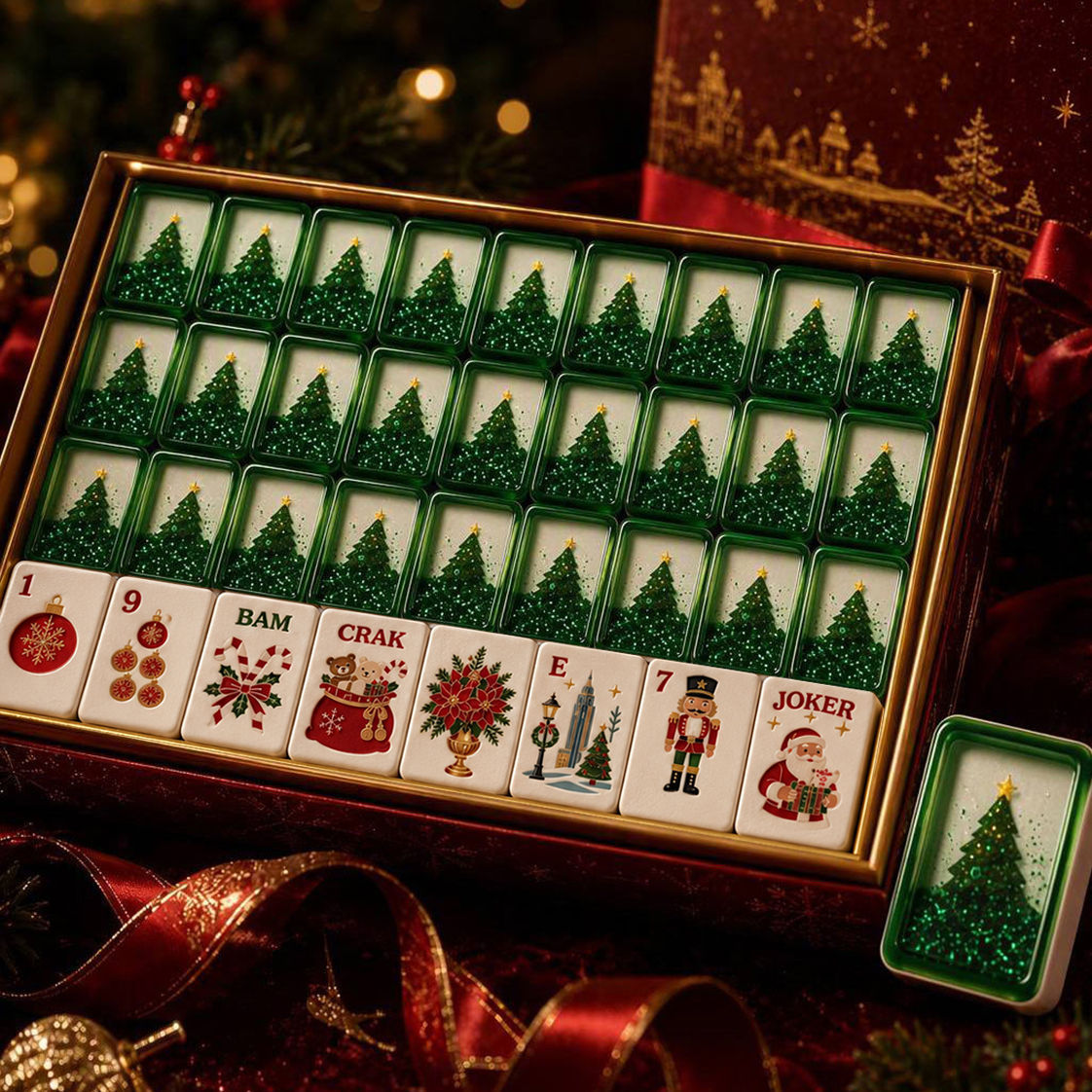
Easter mahjong gatherings thrive on finger foods that stay off the acrylic tiles: cheese cubes, crackers, fruit skewers, deviled eggs (napkins required), and spring salads in small bowls. Serve drinks in lidded cups with straws far from the playing surface; keep chocolate, oils, and sticky items away from the table itself. Plan a snack break after each round closes (roughly every 30–45 minutes), not mid-hand, so players can refresh without disrupting scoring. Set up a separate side table with napkins, wet wipes, and a small waste bowl—this keeps hands clean and tiles protected. A light brunch spread at the start (pastries, fruit, coffee) and a dessert round after final scores land let everyone enjoy the spring holiday without gaming friction. Mahstead's engraved acrylic sets stay pristine when players respect the no-food-at-play-zone rule. 🀄 Shop best-selling mahjong sets →
What foods actually work at a mahjong table?
Sticky, wet, or greasy foods are mahjong enemies—they transfer to fingertips and then to tiles. Cheese, nuts, popcorn, crackers, and fresh fruit are safe bets. Citrus segments, berries, and cantaloupe cubes go on small plates so juice doesn't drip. Hard-boiled eggs, crudités with yogurt dip (not ranch), and spring bread rolls fit the Easter mood without risk. Chocolate truffles, candy eggs, and dessert petit fours work at a dessert break only—never during active rounds. One rule: if it leaves residue, it stays off the mat.

How do you set up a separate snack station?
Position your side table 3–4 feet away from the playing area so players must stand to eat—this creates a natural pause in play and keeps tile-handling separate from food-handling. Stock the station with: small appetizer plates, cocktail napkins (at least two stacks), wet wipes or hand sanitizer, a small compost bowl for shells or scraps, and a trash bin. Place drinks in a second-tier location above or behind the side table so reaching for a cup doesn't cross the play zone. This setup signals to players that eating and gaming are different activities. Between rounds, someone can quickly clear used plates and refill water, coffee, or tea.
When should you serve food during a game night?
Each American mahjong round lasts 30–45 minutes depending on how quickly players call hands and tally scores. Serve appetizers and drinks before the first round starts, not during. After each round closes and tiles are cleared, call a 10–15 minute break: this is when players eat, stretch, and reset. If hosting four rounds, offer a light appetizer break between rounds two and three. Save dessert and final refreshments for after the last hand concludes and scores are final. This rhythm respects game momentum and prevents mid-hand food fumbles. Many groups use round breaks to chat about previous hands, review the current National Mah Jongg League card together, or simply digest—food timing becomes a social rhythm, not an interruption.
What's the best Easter-themed menu for four to six players?
Menu Element | Why It Works | Prep Ease | Mess Factor ---|---|---|--- Deviled eggs | Spring classic, high protein, no utensils needed | Make ahead, 20 min | Low if napkins enforced Cheese & crackers | Satisfying, quiet eating, easy cleanup | Buy pre-cut, 5 min | Very low Fresh fruit skewers | Light, seasonal, contained per stick | Assemble 15 min before | Low if sticks provided Smoked salmon canapés | Elegant, pairs with coffee | Buy prepared, 10 min | Medium—watch for oil Spring pea & mint dip with crudités | Thematic, filling, dip-focused | Make ahead, 30 min | Low if small bowls kept distant Lemon or carrot cake (sliced ahead) | Traditional, easy portions | Buy or bake day before | Very low if served on small plates only Sparkling lemonade in lidded cups | Seasonal, hydrating, controlled pouring | Make 1 hour before | Very low—straws mandatory
The key: pre-portion everything and keep dips, oils, and sauces in their own zone. This reduces mid-round snacking temptation and speeds cleanup.
How do you keep tiles clean while still enjoying food?
Establish a house rule: no eating within two feet of the mahjong mat. Hand-washing or sanitizing happens before every round restarts. If you own an acrylic set, provide a soft, lint-free cloth nearby for quick spot-cleaning (a microfiber cloth works best; never use paper towels or your sleeve). Keep a damp cloth in a sealed ziplock bag—refresh it between rounds. Some groups use hand sanitizer on the mat side of the table before declaring the table "live" again. If a spill occurs, wipe immediately, let the mat or table dry fully, and wipe the underside of any tile that touched the wet spot. Players with longer nails should wash hands extra carefully before touching tiles. This isn't fussy—it's respect for equipment that will outlast ten Easter parties if treated thoughtfully.
🎁 See our most-loved mahjong sets & accessories →

What drinks pair best with a mahjong session?
Coffee and tea are mahjong classics because they're warm, contained in mugs or lidded cups, and don't evaporate onto tiles. Sparkling lemonade, iced tea, or fruit-flavored water in cups with lids and straws are Easter-appropriate and spillproof. Avoid open glasses of red wine or dark juice near the table—one reach across a hand and your acrylic tiles become stained. If alcohol is part your gathering, serve it at a separate bar station or during breaks only, and enforce the lid rule strictly. Some groups use small teacup-size servings in communal tea service, encouraging sips between rounds rather than continuous sipping. One host trick: freeze fruit cubes in a pitcher the night before, so lemonade or water stays cold without ice melting and condensing on cup bottoms. Limit personal drink bottles at the table to one per player, kept at the edge behind the rack.
Should you provide napkins and hand wipes?
Yes—abundantly. A good rule is two napkins per player per round, plus extras at the side station. Large cocktail napkins work better than small ones because they drape over a lap and catch crumbs. Keep a roll of paper towels at the side table for spills, and wet wipes (individual packets or a lidded dispenser) within arm's reach. Some hosts place a small compost bowl or trash bin under the side table leg so crumbs don't scatter. Hand sanitizer should be available before the round restarts—not during it. If someone feels sticky or dusty mid-game, calling a brief pause to wash hands is better than letting residue spread. For Easter parties specifically, scented wipes (lemon or lavender) add a festive touch without overwhelming the table. This attention to cleanliness becomes part of the party's tone: games are respected, tiles are cared for, and players feel welcomed.
✨ Find your Mahstead set — free US shipping →
How much food should you plan per person?
For a 3–4 hour game session (four rounds with breaks), budget 4–6 appetizer pieces per person at the start, plus a small handful of snacks at the second break, and one dessert serving at the end. This totals roughly 6–8 bites per person—enough to prevent hunger from derailing focus, not so much that players feel overstuffed or sticky. If you're hosting a brunch-style morning session, increase the pre-game spread to 8–10 pieces (pastries, fruit, cheese) so people feel properly fed before focusing on tiles. For an evening game, lighter appetizers (nuts, crackers, olives) and dessert usually suffice. Always have extra fruit and cheese on hand—these never go to waste, and they're the safest gamble. Group sizes matter: four players eating four pieces each is 16 pieces; six players eating the same is 24 pieces. Calculate based on your headcount and session length, then add 20% buffer.
What's a realistic timeline for prepping an Easter mahjong party?
Task | When | Time |
Plan menu and guest count | 1 week before | 20 min |
Shop for ingredients | 3 days before | 1 hour |
Prep foods (bake, chop, hard-boil eggs) | 1–2 days before | 1–2 hours |
Set up side table, arrange napkins, wipes | Morning of, 1 hour before guests | 20 min |
Arrange mahjong mats, sets, racks, and score sheets | 30 min before guests | 20 min |
Final food plating and drinks chilled | 15 min before first round | 10 min |
Prepping ahead lets you actually enjoy the game instead of running between kitchen and table. If you're new to hosting, do a trial run of the side-station setup during a casual practice round—this catches spacing or supply issues before guests arrive.
What to check before you buy or borrow game equipment for your Easter party
Before hosting, verify you have:
A full 160-tile American mahjong set with all tiles accounted for (152 playing tiles + spare jokers).
A mahjong mat or table cover that extends at least 36 inches square—large enough for four players and a side-table gap.
Racks with pushers (four sets) so players can organize hands without touching tiles constantly.
A current printed National Mah Jongg League card (the one valid for spring 2026).
Paper score sheets or a score-tracking app, and pens.
A timer (kitchen timer or phone app) to track round length if your group likes structure.
Microfiber cloth, hand sanitizer, and wet wipes already on hand before guests arrive.
If you own engraved tiles or sets with personalized cases, do a quick inventory the week before—Easter parties are joyful but hectic, and finding a missing tile mid-game is frustrating. Sets ship with spare jokers already included, so no need to panic if one goes missing mid-round; simply use a spare. If you're borrowing gear from a friend, confirm tile count and mat condition in advance, and pack any borrowed items in a protective travel bag or case so you can return it undamaged.

FAQ
Can I serve alcohol at a mahjong table?
Yes, but only in lidded cups or at a separate bar station. Wine, beer, or cocktails during breaks (not mid-round) keep the game focused and tiles dry. Many players avoid alcohol entirely during active rounds to stay sharp—respect that choice if it's a mixed group.
What's the fastest appetizer to prep for a last-minute mahjong party?
Cheese and crackers (buy pre-sliced or pre-cubed), mixed nuts, fresh berries in small bowls, and sparkling lemonade. These five items, plus coffee and napkins, take 15 minutes to set up and look intentional. No cooking required.
Should I wash the mahjong tiles before each round?
No—wiping the mat with a soft cloth and ensuring players have clean hands before the round restarts is enough. Only spot-clean a tile if it visibly gets wet or stained; let it dry fully before returning it to play.
How do I handle a guest with food allergies at my mahjong party?
Ask in advance. Offer a nut-free spread, dairy-free alternatives, or a vegan section clearly labeled. Keeping allergens contained at the side table (not passed around) reduces cross-contamination risk and lets players eat confidently.
Can I serve hot food directly at the mahjong table?
Avoid it—hot plates, soup bowls, or steaming dishes drip and create steam that damages tiles and mats. Serve all food at the side station where it's contained, and let it cool slightly on a napkin before players take bites to the eating area.
What's a good Easter dessert for a mahjong group?
Lemon cake, carrot cake, or chocolate truffles—all eaten during a break, not at the table. Pre-slice cake into small portions so players can finish one bite before round restart. Avoid frosting or fondant that sticks to fingers; serve on small plates with forks only at the side table.


View More
View More
View More
