
Mahjong Clubs in Memphis: Where to Play & What to Bring
Last updated: Nov 23, 2026
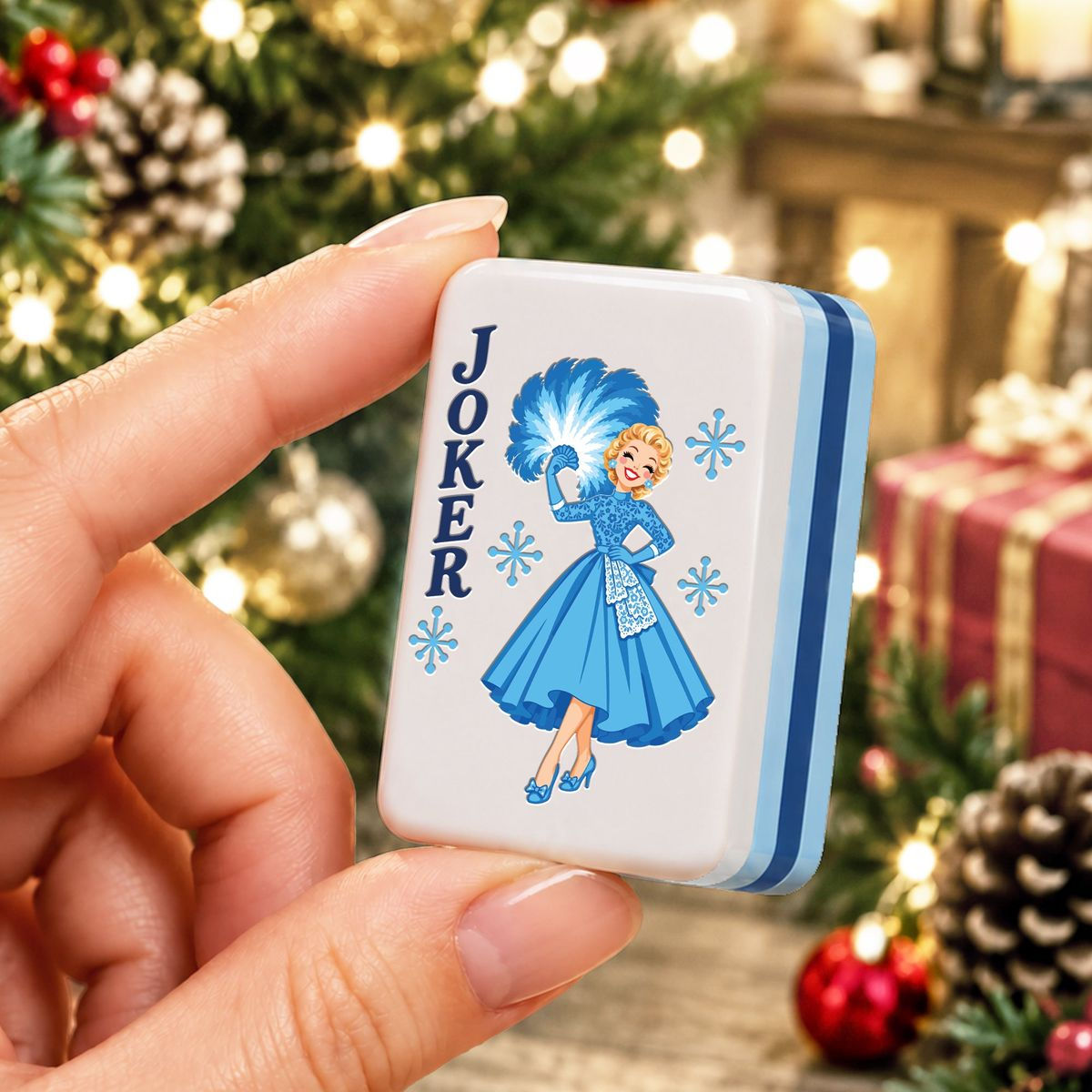
Memphis mahjong players gather at community centers, libraries, synagogues (especially in East Memphis and Midtown), and through online meetup boards. Most clubs meet weekly, charge no fee or a small table fee, and welcome beginners. Games typically run two to four hours on weekday evenings or weekend afternoons. American mahjong is the standard in Memphis; you'll play with a current National Mah Jongg League card (issued every spring), a 152-tile set plus 8 jokers, and four players. Before joining, confirm the variant (American vs. Chinese), bring or ask if the host supplies tiles, learn the basic rules and Charleston tile-passing ritual, and budget time to learn—most clubs have regular beginners' tables. Mahstead players in Memphis often equip their home games with engraved sets and mats to make hosting smooth and memorable.
Where do Memphis mahjong clubs actually meet?
Community centers and libraries in Memphis often host weekly open mahjong tables—check your local branch's activity calendar or call ahead to ask about "mahjong nights." Synagogues in East Memphis and Midtown frequently run Tuesday or Thursday evening games, open to members and guests; call ahead to confirm. Private home games advertise on Meetup, Facebook groups for Tennessee mahjong, and word-of-mouth through existing players. Country clubs and retirement communities sometimes run weekend games; ask the membership office. Many clubs have no formal name and meet in the same location year-round, so consistency matters more than reputation.

What's the difference between American and other mahjong variants played in Memphis?
American mahjong uses only hands from the current year's National Mah Jongg League card—no sequences (chows), no free-form winning hands. You draw one tile per turn and discard one; exposure is strict (no called chows, only pungs, kongs, quints, and sextets). The game uses 152 tiles and 8 jokers, always four players, always 13 tiles in hand plus 1 drawn = 14 to win. Chinese mahjong allows sequences, has hand patterns that vary by region, uses fewer or different tiles, and plays 1–3 handed. Hong Kong and Riichi (Japanese) variants each have their own rule sets and tile counts. Ask your host which variant the club plays before you join; American dominates in Memphis, but some clubs rotate or specialize.
How do you join a Memphis mahjong club as a beginner?
Show up to an open table during posted hours, introduce yourself, and ask to observe or play on a beginner's bench. Most Memphis clubs pair newcomers with experienced players for the first hand. Bring a notepad to track hands and tile logic. Many clubs loan or provide tiles; if yours doesn't, you'll want a personal 160-tile set with a mat to practice at home. Ask the host for a copy of the current National Mah Jongg League card (many print spares), learn the Charleston and tile-passing flow, and plan to spend your first two sessions watching and asking questions. No fee or membership is typical; some clubs ask for a dollar or two per session to cover snacks or wear and tear on the tiles.
🀄 Shop best-selling mahjong sets →
What do you need to host a Memphis mahjong game at home?
A mahjong mat makes setup foolproof—it marks the four player positions, the discard pond, and the wall. You'll need a 160-tile American mahjong set (152 playing tiles + 8 jokers); tiles come in bamboo, plastic, or acrylic. Four racks with pushers hold tiles neatly and speed up play (pushers reveal one tile at a time, reducing fumbles). A current year's National Mah Jongg League card (free from many clubs or buyable for a few dollars) is non-negotiable—no card, no legal hand. Dice are optional but helpful for picking walls fairly. A travel bag or case keeps tiles safe if you host multiple times or play elsewhere. Snacks and water are nice-to-have, not required.
Equipment | Why it matters | Who should buy |
Mat | Marks positions, speeds setup, prevents disputes | Hosts playing weekly or beginners learning positions |
Racks with pushers | Reduces tile spillage, keeps hands neat, speeds play | Players with arthritis or hosting groups with varying skill levels |
Set with engraved tiles | Makes tiles easier to read at a glance | Players hosting or gifting (engraved collections personalize your game) |
Travel bag or case | Protects tiles, makes transport easy | Hosts who travel to play or play at multiple locations |
Current-year League card | Determines all legal winning hands for the game | Every player, every session—no exceptions |

How do Memphis groups keep track of score and play rules?
Most Memphis clubs use the American mahjong scoring system: points range based on the hand pattern, suit, and number of visible or concealed melds. One player (often the East Wind) keeps score on paper or a phone calculator; some clubs use a dedicated scorepad. Rules disputes are rare if everyone has the current National Mah Jongg League card visible—the card is the final authority. Before your first game, ask the host how they handle pushback (does an exposed hand stand, or can you correct it mid-game?), whether joker substitutes are allowed in sextets (they are in American mahjong), and what happens if you declare a hand and later discover an error. Memphis clubs tend to be forgiving with beginners; experienced tables may impose stricter penalties.
🎁 See our most-loved mahjong sets & accessories →
What common mistakes do new Memphis mahjong players make?
Not reading the card. Each hand on the card is a specific pattern; beginners often try to build hands freely (like in Chinese mahjong), only to learn they don't match any card pattern. Spend 10 minutes learning to read the card before your first game.
Misunderstanding the Charleston. The Charleston is the tile-passing ritual before hand one—you pass three tiles to your right, then three to your left, then three across the table. Many beginners over-think this or pass the wrong tiles. Watch it happen once, then do it twice, and it locks in.
Calling a hand too early. In American mahjong, you only declare "mahjong" when you hold exactly 14 tiles (13 + 1 drawn) matching a card pattern. If you say it early, your hand is usually dead and you pay a penalty.
Forgetting that jokers can't be single tiles or pairs.Jokers substitute for tiles in melds only—never as a standalone tile or as part of a pair.
Mixing up suits. Bams (sticks), Craks (coins), and Dots (circles) look distinct on the tile face; take three seconds to read before you play.
What to check before you buy a set for home play
Tile count: American mahjong always uses 152 tiles + 8 jokers. A 160-tile set includes spare tiles; never add spares to play.
Readability: Tiles should have clear printed or carved faces so you can identify suit and number from across the table.
Rack compatibility: If you buy racks, confirm they fit your tiles (acrylic and plastic sets differ slightly).
Mat size: Mats range in width; measure your table first. A standard mat accommodates a 36–48-inch table.
Current-year card: Confirm the host has the current National Mah Jongg League card before your first game—no card, no legal hand.
✨ Find your Mahstead set — free US shipping →

FAQ
Do I have to be Jewish to join a mahjong club in Memphis?
No. While many Memphis clubs meet at synagogues, most welcome all players regardless of faith or background. Call ahead to confirm the club's policy; community centers and libraries are always open to everyone.
Can I learn mahjong online before joining a club?
Yes. Video tutorials on American mahjong basics, the Charleston, and card reading are widely available. Many beginners watch for 20 minutes, then play their first hand in person and learn by doing. Reading the current National Mah Jongg League card matters more than memorizing rules.
How much does it cost to play in a Memphis mahjong club?
Most clubs charge nothing or ask for a small fee (typically a dollar or two per session) to cover wear on tiles or snacks. Ask the host when you call or visit. No club requires membership or large upfront payment.
What if I don't own a set—can the club lend me tiles?
Most Memphis clubs have loaner sets available at the table. If you plan to play weekly, buying your own set is helpful so you can practice at home and get familiar with the tiles. A 160-tile American mahjong set is a one-time buy that lasts decades.
Is American mahjong harder than Chinese mahjong?
American mahjong is stricter (all hands come from one card, no sequences allowed) but more consistent because every player uses the same rules. Chinese mahjong is more free-form but has regional variations. If you've played Chinese mahjong, plan to spend 2–3 sessions learning American rules. The hand logic is similar; the card is the main difference.
Can I host a game with three players instead of four?
Yes, but you'll need adapted rules. Many Memphis clubs play three-player games on a rotational basis (one player sits out each round), or follow specific 2- and 3-player variants. Ask your club host how they handle odd numbers.


View More
View More
View More
