
Mahjong Tournaments in Cleveland: Where to Play & How to Join
Last updated: Nov 23, 2026
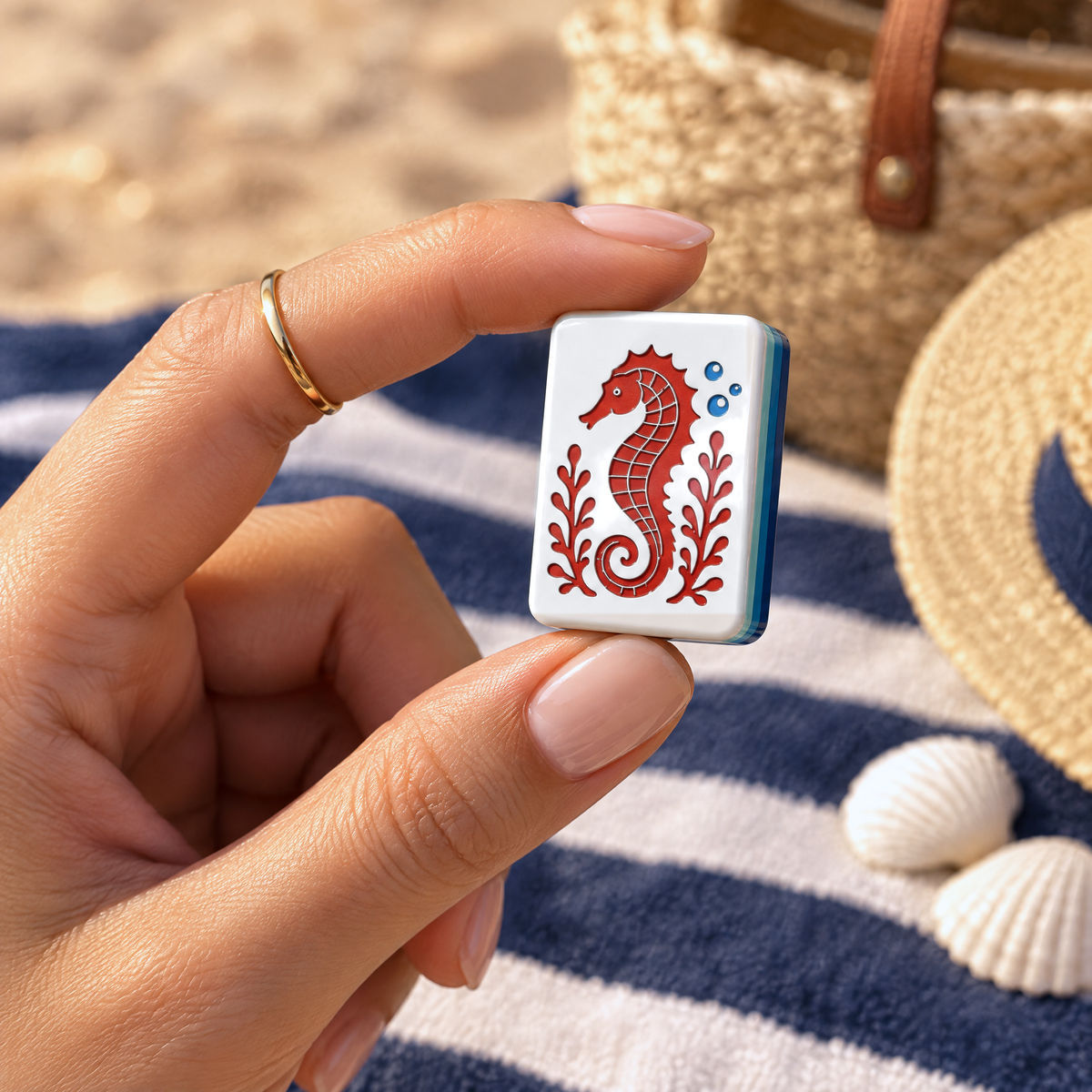
Cleveland's mahjong scene centers on community centers, senior centers, synagogues, and country clubs across the metro area. Most host American mahjong—the 152-tile variant with a National Mah Jongg League card, Charleston tile-passing ritual, and fixed annual hand patterns. Games run weekly or monthly; tournaments typically occur spring and fall. Check your local community center bulletin boards, library event listings, and meetup-style apps for current schedules; synagogues often welcome new players regardless of membership. Entry fees vary from free casual play to modest tournament buy-ins. Before joining, learn the basics of American mahjong and practice with a quality 160-tile acrylic set so you're comfortable with tile handling and hand-reading during actual play.
Where do Cleveland-area mahjong tournaments happen?
Cleveland's tournament and league play clusters at three venue types: public community recreation departments (which often run senior leagues), Jewish synagogues and community centers (many have decades-old mahjong traditions), and private country clubs with active game groups. Start by calling your neighborhood recreation center or searching your city's parks department website; most post game schedules online or via a bulletin board. Libraries in suburbs like Beachwood, Shaker Heights, and Cleveland Heights often list community game groups in their event sections. Synagogues—particularly those with large senior populations—frequently run open mahjong nights; you need not be a member to join. Finally, check general meetup boards and community message apps for informal tournament announcements, which often happen 4–8 weeks before the event.

What format do most Cleveland tournaments follow?
American mahjong tournaments in Ohio typically run a Swiss-system or round-robin format over 3–5 rounds, with 4 players per table and 1–2 games per round (each game is roughly 45 minutes to an hour). Players sit out one round per cycle so no table has idle seats. Scoring follows the National Mah Jongg League standard: winning hand scores are multiplied by a hand's difficulty level (from the current year's card); East wind (the dealer) pays double. Most tournaments charge a single entry fee and award prize money or gift certificates based on final ranking. A few Cleveland groups run "friendly" formats where scoring is casual and the focus is social play. Always confirm the date's hand card before entering—tournaments use only the current year's card, which changes every spring.
How do I prepare for my first Cleveland mahjong tournament?
Preparation has three layers: rule mastery, tile-handling speed, and strategic familiarity. First, study how to play American mahjong and practice reading the hand card until you can spot a valid hand in 10–15 seconds during live play. Second, spend 4–6 weeks playing weekly at a casual game; this builds muscle memory for the Charleston, discard patterns, and calling rhythm. Third, get comfortable with a dedicated set and mat—tournament play moves faster than home games, and unfamiliar tile feel or a sloppy mat layout costs time and accuracy. We recommend a best-selling engraved acrylic set paired with a quality mahjong mat, both of which travel well to tournaments and last for years.
🀄 Shop best-selling mahjong sets →

What mistakes do new tournament players make in Cleveland games?
The most common errors are: misreading the hand card under time pressure (confusing number sequences with like-number sets), calling tiles too fast and declaring an invalid hand, not managing joker placement clearly so others dispute your hand, and slow tile organization during the Charleston. Many new players also underestimate the psychological intensity—you're watching three opponents' discard patterns, tracking which tiles are dead, and building your own hand simultaneously. A second frequent mistake is over-relying on memorization of last year's card; the card changes every spring, and a hand that was valid in 2025 may not exist in 2026. Finally, nervous players often forget that in American mahjong, you cannot pick up a tile and put it back if you change your mind; play is binding. Practice hand-reading offline, play 10 casual games before your tournament, and bring the current year's card to all events.
Mistake | Why it hurts | How to avoid it |
Slow card reading | Slows your play; others grow frustrated | Practice with flashcards; time yourself reading hands |
Joker placement disputes | Halts game; scoring arguments arise | Place jokers at set edges; photograph your hand if unsure |
Charleston hesitation | Ties up play start | Practice the Charleston sequence at home first |
Forgetting current year's card | You call invalid hands and lose points | Print the card; carry it to all games and tournaments |
Mixing up suit names (Bam/Crak/Dot) | You misidentify tiles; hand errors follow | Study suit symbols; drill with real tiles |
How is Cleveland mahjong different from national tournament standards?
American mahjong is standardized nationwide by the National Mah Jongg League, so Cleveland tournaments follow the same rules, hand card, and scoring as tournaments in New York, Texas, or California. However, local table culture varies: some Cleveland groups play "strict" rules (no house variants, formal conduct) while others are relaxed and social. A few groups still use older tile materials (bone-and-bamboo sets) rather than modern acrylic, though most venues are comfortable with either. Cleveland's tournament season typically peaks in spring (April–May) and fall (September–October), aligning with national competition cycles. The best way to learn local flavor is to attend a casual game first; most hosts will explain the group's style and welcome a visitor for observation.
What should you check before you buy tournament-ready gear?
Before investing in a tournament set and mat, confirm your venue's table size and lighting. Sit in on one casual game to see what mat thickness (usually ½ to 1 inch) and tile size (standard American tiles are roughly 1¼ × 1 inch) work best for you. Check whether your intended tournament uses a house mat (which you'll play on) or brings your own; if you bring your own, measure the table first. Test a mat vs table cover comparison to decide whether a dedicated mat or a simple cover suits your budget and storage. Finally, hold a few sets before buying; some players prefer lighter tiles for speed, others prefer heavier tiles for stability. All Mahstead acrylic sets are tournament-weight and ship with a travel bag and mat option, so you can practice exactly as you'll play.
🎁 See our most-loved mahjong sets & accessories →
Once you've played a few casual games, consider what extras will make tournament day comfortable: a rack with pushers (helps organize tiles quickly and reduces fatigue over multiple rounds), a sturdy travel bag or case (protects your set during the drive and keeps you organized), and a small notebook to track scoring and memorable hands. Many Cleveland players also bring a water bottle and snack—tournament play lasts 3–5 hours—and a simple dice pair (included in most sets) for seating order.
✨ Find your Mahstead set — free US shipping →

FAQ
How much does it cost to enter a Cleveland mahjong tournament?
Entry fees vary by venue—casual league play is often free or $5–10 per season, while formal tournaments typically charge $20–40 per person per event. Prize pools are usually split among top finishers. Ask your local organizer for their specific structure before committing.
Can I play in a Cleveland tournament if I'm not from Ohio?
Yes. Most American mahjong tournaments welcome out-of-state players. Register in advance (usually 2–4 weeks before the event) and confirm you have the current year's National Mah Jongg League card. Rules and scoring are identical nationwide.
What's the difference between casual play and tournament play?
Casual play is relaxed, forgiving of rule questions, and focused on fun and learning. Tournament play is strict (no reversals of called tiles, formal scoring, time limits per round). Both use the same 152 tiles, hand card, and basic rules; the pace and pressure differ.
Do I need to own my own set to play in a Cleveland tournament?
No. Most venues provide sets for players who need them. However, owning your own set lets you practice beforehand in familiar weight and tile feel, which can improve your tournament performance.
Where can I find the current year's National Mah Jongg League hand card for Cleveland games?
The card is issued every spring and is usually available through the tournament organizer or the League directly. Many Cleveland clubs keep printed copies on hand. Ask when you contact a venue for their game schedule.
What's the minimum hand complexity I should master before entering a tournament?
Master all patterns on the "Pung/Kong" and "Like Number" sections of the current card first (simplest hands); then add "Consecutive" and "Pair" sections over 2–3 weeks. Most beginners are tournament-ready after 6–8 weeks of weekly casual play once they can read the card in under 20 seconds per hand.


View More
View More
View More
