
American Mahjong vs. Siamese Mahjong: Key Differences Explained
Last updated: Nov 23, 2026
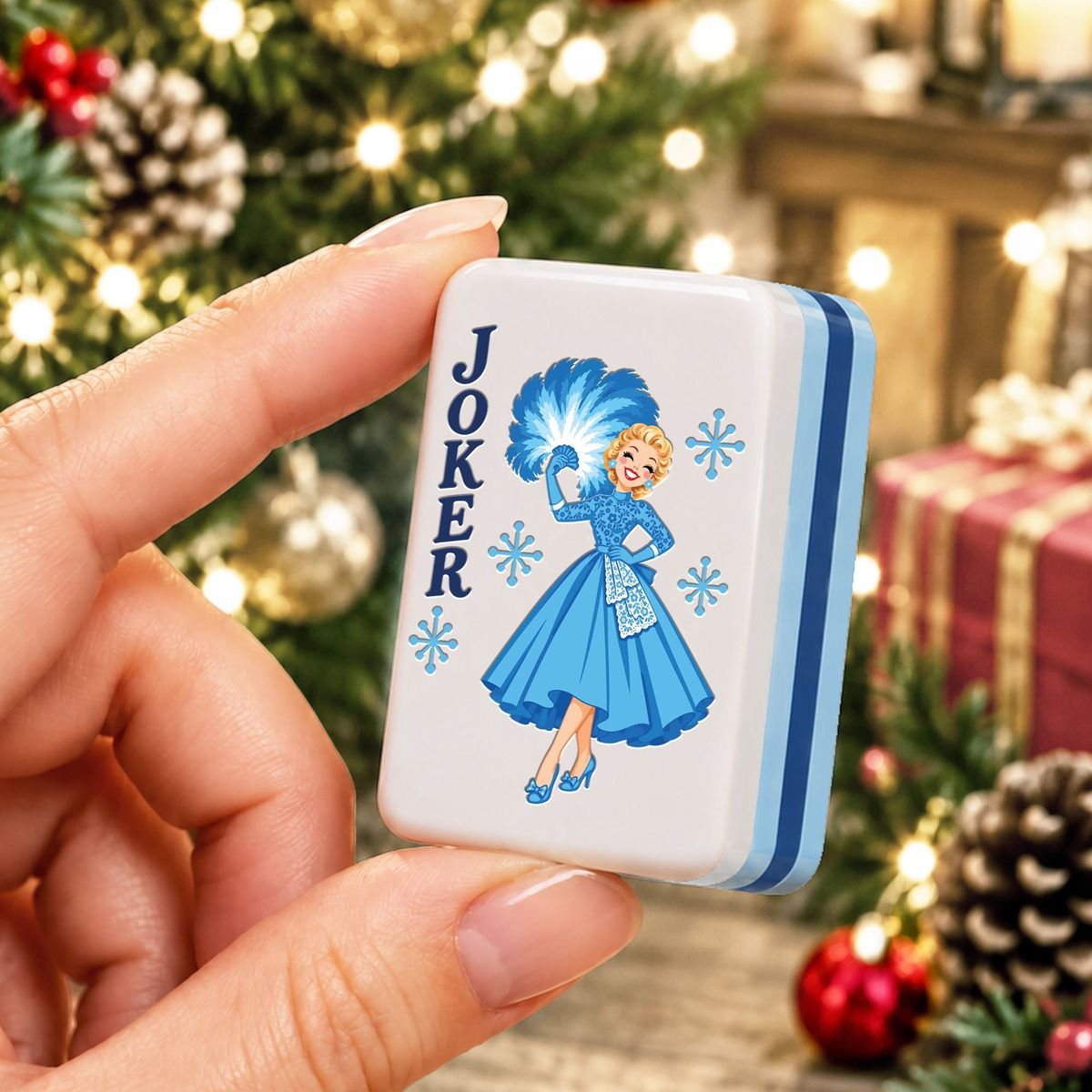
American mahjong uses 152 tiles (three suits: Bams, Craks, Dots numbered 1–9; winds; dragons; flowers; jokers) and plays with hands drawn from the current year's National Mah Jongg League card only. Siamese mahjong (also called Thai mahjong) uses 144 tiles, lacks the flower and joker tiles, and permits sequences (chows) and open calls not allowed in American play. American mahjong requires a four-tile pass ritual (the Charleston) before each hand begins; Siamese play starts directly. Scoring, tile-melding rules, and winning patterns differ fundamentally between the two variants. American mahjong remains dominant in North America and parts of Asia; Siamese is popular in Thailand and Southeast Asia. Both demand strategy and memory, but new players should commit to one ruleset at a time. A best-selling American set includes everything needed for American play; Siamese requires a dedicated Siamese tile set.
American and Siamese mahjong share ancient roots but play by entirely different rulesets, tile counts, and hand patterns. Understanding the distinctions helps you choose the right game for your table.
What tiles does each game use?
American mahjong plays with 152 tiles: 108 from three numbered suits (Bams, Craks, Dots, each 1–9 in four copies), 16 winds (four each of North, East, West, South), 12 dragons (four Red, four Green, four White), eight flowers, and eight jokers. Siamese mahjong uses 144 tiles: numbered suits and honors only, with no flowers or jokers. This 8-tile difference shapes every decision—American players have more flexibility to build hands; Siamese players rely on tighter combinations. For weekly games, the tile count affects how quickly hands form and how often someone wins each round.

Can you form sequences in both games?
No. American mahjong forbids chows (sequences like 4-5-6 Dots)—you may only expose pungs (three identical tiles), kongs (four identical), quints (five), and sextets (six). Jokers act as wild tiles within these groups, never as singles or pairs. Siamese mahjong allows both melds and chows; you can call and expose 1-2-3 or 7-8-9 combinations, and draws feel more fluid. This rule alone transforms strategy: American players hunt for identical tiles and rely on the card to dictate what hands are legal; Siamese players build sequences more freely. For beginners, American rules feel stricter at first, but the card acts as a map; Siamese requires learning which combinations rank and score.
How do the Charleston and opening differ?
American mahjong begins with the Charleston: players pass tiles to their right (and diagonally opposite), then left, then to the center or right again. This ritual lasts 30 seconds to two minutes and sets the tone for the hand. After the Charleston, tiles are drawn in order. Siamese mahjong skips this ceremony—players sort their initial hand and draw begins immediately. The Charleston is uniquely American and adds a social, strategic layer; many players say it's one of the game's signature joys. If you've played American mahjong, switching to Siamese will feel surprisingly abrupt.

What hands are legal and how do they score?
American mahjong hands come only from the current year's National Mah Jongg League card, issued every spring. The card shows hundreds of legal patterns (Pung, Kong, Quint hands; Limit hands; Like Numbers; Consecutive Pungs, etc.), each worth a fixed point value. A player calls "mahjong" when their hand matches a pattern exactly, including the pair. Siamese mahjong scores hands differently: points are calculated based on tile combinations, melds, and winning conditions. No League card exists; players use regional or house rules to determine valid hands and payouts. This is the core difference: American mahjong is rule-standardized by the League; Siamese is often customized by group. For serious players, the American card ensures everyone nationwide plays by the same hands—predictability matters for house leagues and tournaments.
Aspect | American | Siamese |
Tile count | 152 | 144 |
Sequences allowed | No (no chows) | Yes (chows permitted) |
Flowers & jokers | Yes (8 each) | No |
Hand reference | League card (standardized) | Regional rules (house variants) |
Opening ritual | Charleston (4-tile pass) | None (direct draw) |
Pair rule | Jokers cannot form pairs | Pairs unrestricted |
Exposed groups | Pungs, kongs, quints, sextets | Chows, pungs, kongs |
Play style | Rigid, pattern-based | Flexible, sequence-heavy |
Which game suits your group?
American mahjong works best if you want standardized rules, consistency across different clubs or cities, and a reference guide (the card) that removes arguments. It's ideal for established leagues, money games, and players who appreciate structure. Siamese mahjong suits groups who value improvisation, regional customization, and simpler tile counts—common in Thailand and Southeast Asian communities. If your table includes newcomers, American offers clarity; if your table is multilingual or spans regions, Siamese may feel more familiar to some players. Neither is "easier"—both demand memory and tactics. Most serious American players never switch; the League card becomes their bible. If you're curious about both, try one fully before attempting the other.
🀄 Shop best-selling mahjong sets →
What to check before you buy
If you're committed to American mahjong, ensure your set has exactly 152 tiles plus spares, and verify the tile faces match the current League standard (clear Bam/Crak/Dot/wind/dragon symbols). Our best-selling sets use large-print acrylic tiles that reduce errors and speed up play. For Siamese mahjong, confirm your set includes the correct 144-tile composition (no flowers, no jokers) and check with your local group for regional tile designs or marking customs. If you're shopping for a gift, know which variant the recipient plays—buying the wrong set wastes money and disappoints. A durable mat works equally well for both games. Racks with pushers are American-specific; Siamese players often use open hands. Don't assume one set works for both games—the tile differences are absolute.
🎁 See our most-loved mahjong sets & accessories →
Most American players join a local club or league to learn the current year's card. Community centers, libraries, synagogues, and country clubs often host weekly games—ask staff for referrals. Siamese mahjong is less common in North America; search for Southeast Asian community centers or online groups with regional rules posted. The barrier to entry is steep for both—don't try to learn alone from videos. Find experienced players and watch three hands before sitting down. If your group plays American, grab a current-year League card and study one section per week.
✨ Find your Mahstead set — free US shipping →

FAQ
Can I play American mahjong with a Siamese tile set?
No. American requires flowers and jokers; Siamese doesn't use them. The tile count and symbols differ, and hands won't match the League card. Buy the correct set for your game.
Which game is harder for beginners?
Both are equally hard until you memorize the rules. American mahjong is clearer because the League card defines every legal hand; Siamese requires knowing your group's regional house rules first.
Do American and Siamese sets cost differently?
Pricing varies by quality and design. See current prices on our product pages. Tile count and artisan engraving affect cost more than variant type.
Is the Charleston used in any other mahjong variant?
The Charleston is uniquely American. Chinese, Hong Kong, Riichi, and Siamese variants all skip it and begin with a direct draw. It's one of the defining features of the American game.
How do I know which game my local club plays?
Ask. Call ahead and ask if they use the National Mah Jongg League card (American) or regional rules (likely Siamese or another variant). Never assume—showing up with the wrong set wastes everyone's time.


View More
View More
View More
