
Mahjong Clubs in Knoxville: Where to Play & How to Start
Last updated: Nov 23, 2026
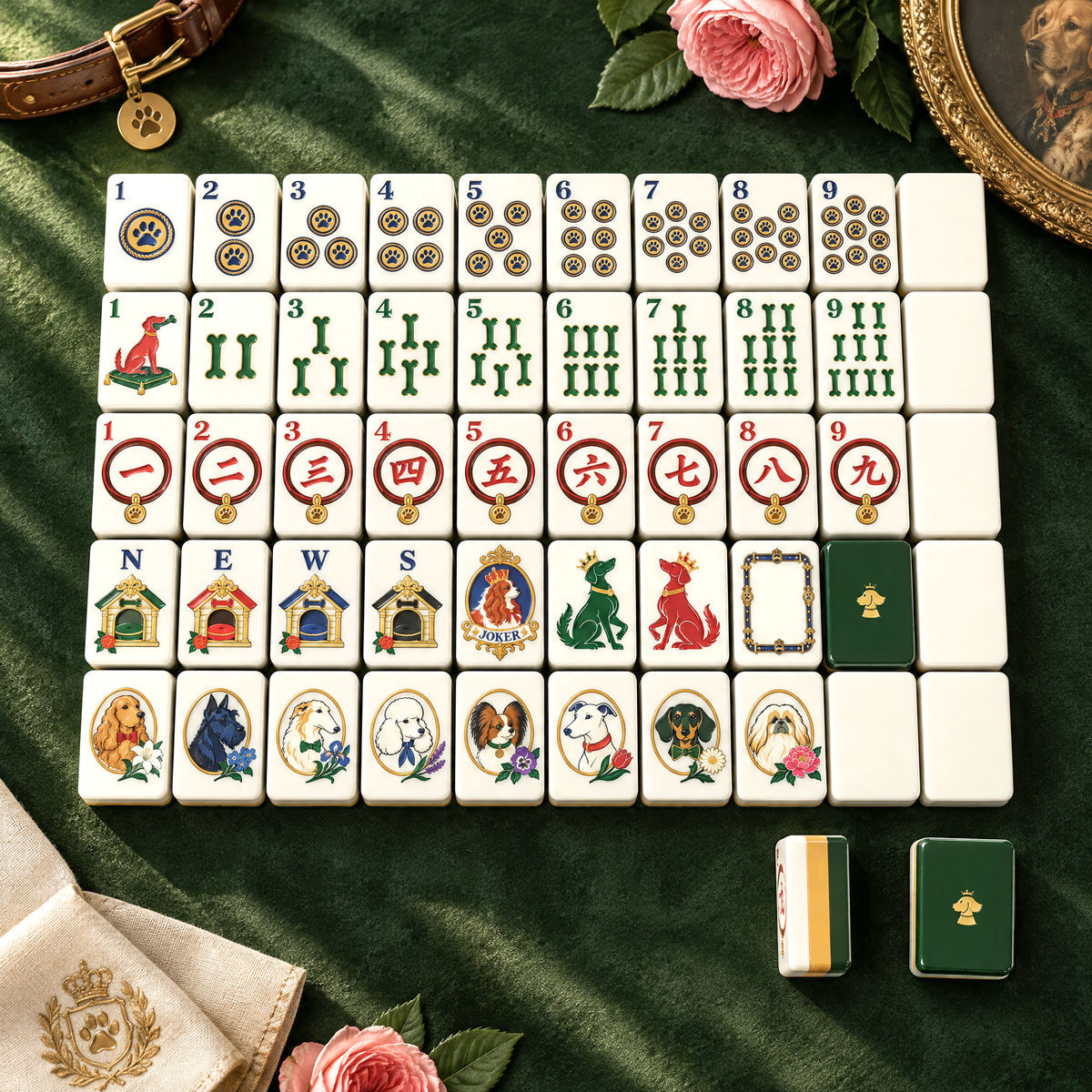
Mahjong clubs in Knoxville meet in public spaces (community recreation centers, public libraries) and private settings (country clubs, synagogues, retirement communities). Most play American mahjong using the current year's National Mah Jongg League card; games typically run 2–4 hours. Beginner-friendly groups exist, though finding them requires calling ahead or checking online community boards and social platforms like Meetup or Facebook. Costs vary—public sessions may be free or charge a small table fee, while private clubs run on membership or per-game fees. Bring a set if you have one, or ask if the host supplies tiles; new players should expect a learning curve of 3–5 games before the rhythm clicks. Avoid showing up without calling first—many groups have waiting lists or irregular schedules.
Mahjong clubs in Knoxville are tucked into the fabric of the city's social infrastructure. Unlike national tournaments, these are neighborhood games: people who've played for decades, newcomers trying their first hand, and retirees who treat Thursday nights like a standing appointment. Finding one takes a little detective work, but the payoff—a table of friends, the click of tiles, the tension of a nearly-complete hand—makes it worth the effort.
Where do Knoxville mahjong clubs actually meet?
Start with Knoxville's Parks and Recreation Department (check online for community center schedules) and the Knox County Public Library system. Many recreation centers host weekly or biweekly games; librarians often maintain bulletin boards where game organizers post flyers. Private venues include country clubs, synagogues, and senior living communities—these usually require membership or an invitation but offer consistent schedules. Social platforms matter here: search Meetup for "mahjong," check Facebook groups for "Knoxville games" or "Knoxville women's social clubs," and post in local subreddits asking for leads. Call ahead; many groups keep private phone lists and don't advertise online to manage table capacity.

What's the difference between a casual game and a "real" club?
A casual game happens in someone's living room or a coffee shop—usually the same four players every week, no score record, tiles that belong to one person. A real club (or organized group) typically meets in a public or semi-public space, welcomes new players, keeps score on paper or apps, rotates seating, and uses a shared or rotating set. Casual games move slower, have more house rules, and feel forgiving for learners. Organized clubs follow the National Mah Jongg League card strictly, play at a faster clip, and expect you to know how to read the card and how jokers work. Ask when you call: "Is this beginner-friendly, or should I already know the rules?"
🀄 Shop best-selling mahjong sets →
What should a beginner expect on their first night?
Arrive 10–15 minutes early. Introduce yourself and say this is your first time. Most hosts pair you with an experienced player or seat you opposite someone patient. The first game will feel chaotic—you won't understand the Charleston tile-passing ritual, you'll hold tiles wrong, you'll miss calls. This is normal. By game three you'll recognize patterns. By game five you'll stop checking the card on every turn. Bring a notebook and pen; jot down one thing per game ("Pungs must be identical," "Jokers can't be a single tile"). Don't bring money unless someone explicitly says the game is for stakes; Knoxville groups range from social-only to penny-a-point games. Ask the host the buy-in before you sit.
Venue Type | Best For | Schedule Variability | Typical Vibe |
Public rec center | Beginners, drop-ins | Posted quarterly | Friendly, mixed skill |
Library program | First-timers, free play | Weekly or biweekly | Slow, rule-focused |
Private club | Regular players, serious game | Consistent weekly | Faster, competitive |
Home game | Tight group, social | Fixed same night | Relaxed, house rules |
Senior community | 55+, daytime play | Often Tuesday–Thursday | Social, taught on-site |

Do I need to own a mahjong set to join?
No. Most clubs have one or more best-selling mahjong sets at the table, and hosts rotate sets game to game or provide a shared one. If you become a regular, though, owning a set pays off: you'll know where every tile is, your set won't have missing or bent tiles, and you'll develop a feel for the weight and sound of your own tiles—that matters more than you'd think when you're discarding fast. Many Knoxville regulars keep a set at home and at their club space. If you buy one, get an engraved or personalized set if you plan to transport it; a durable travel bag or case and mat make setup and teardown faster and protect tiles from damage.
What if I can't find a club—should I start one?
Yes. Post on Meetup: "Looking for mahjong players in Knoxville, beginner-friendly." Contact your local library or rec center and ask if you can book a room monthly. Recruit friends, coworkers, or other posts. Start with a how-to session: teach the basics of American mahjong using a printed card, play slowly, keep it social. You'll need one good set with racks and pushers (so players don't fumble tiles), a mat to keep things organized, and snacks. New groups often grow by word-of-mouth; within two months you may have six to eight regulars. The beauty of starting your own: you set the pace, the skill mix, and the vibe.
🎁 See our most-loved mahjong sets & accessories →
What to check before you commit to a club or game
Skill level: Is it beginner-OK or intermediate-only? Ask the host directly.
Frequency & time: Does it happen every week, or sporadically? What time, and how long?
Cost: Free, small table fee, or stakes play? What's the buy-in?
Card variant: Do they use the current-year League card (most do), or house rules?
Tiles & equipment: Does the host supply sets, mats, and racks? Are tiles in good condition?
Group size & fit: How many regular players? Cliquish, or open to newcomers?
Location & parking: Is it easy to reach and park?
Call or text the organizer with your questions. Most Knoxville hosts are friendly and expect them.
✨ Find your Mahstead set — free US shipping →

FAQ
How do I find a mahjong club in Knoxville if nothing shows up online?
Call Knoxville Parks and Recreation and ask if they host games. Check library bulletin boards in person. Post on Meetup and local Facebook groups. Ask at country clubs and synagogues in your area. Word-of-mouth is often faster than a web search for small social groups.
Can I join a mahjong club if I've never played before?
Yes, if the club is beginner-friendly. Call first and confirm. Most will pair you with an experienced player or slow the game down. Expect to sit out the first game and watch; play games two onwards. Bring a notepad and ask questions freely.
What's the typical cost to play in a Knoxville mahjong group?
Public library and recreation center games are usually free or charge a small room fee (ask the host). Private clubs and home games range from free social play to penny-a-point stakes. Always confirm before you arrive so there are no surprises.
Do I have to bring my own mahjong set, or does the club provide one?
Most clubs have sets available. New players never need to bring one. If you become a regular, owning your own set is convenient but not required. Ask the host what's provided.
What's the best way to start a mahjong group if one doesn't exist near me in Knoxville?
Post on Meetup or Facebook offering to organize a beginner game. Book a room at a library or community center. Get a reliable mahjong set with a mat and racks, invite friends, and teach using the current-year League card. Consistency (same day, same time) grows a group fast.
How long does it take to get good enough to play in a real club?
You can play comfortably in a casual group after 3–5 games. Moving to a faster, rules-strict club takes another 5–10 hours of play. Most learners feel confident within a month of weekly play.


View More
View More
View More
